



Antique Woven Cane Seating
Antique woven cane seating brings organic texture and resilient support into a room, offering classic forms from the Regency, Victorian, and Edwardian periods.
Antique Woven Cane Seating
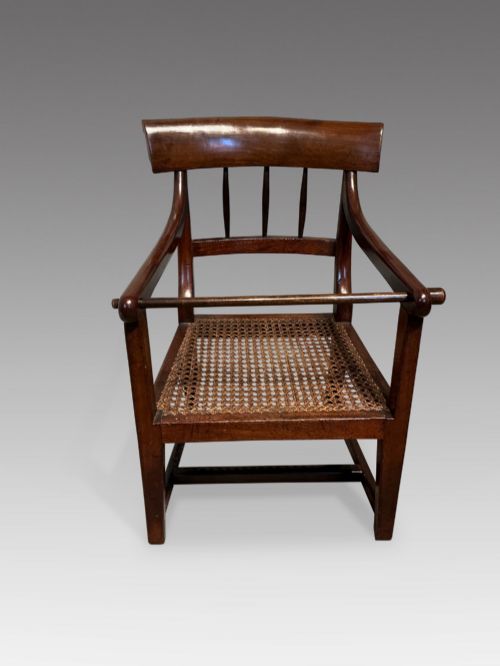
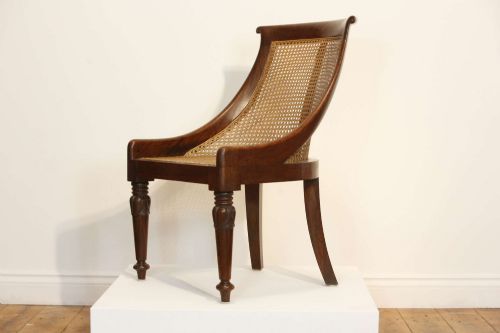
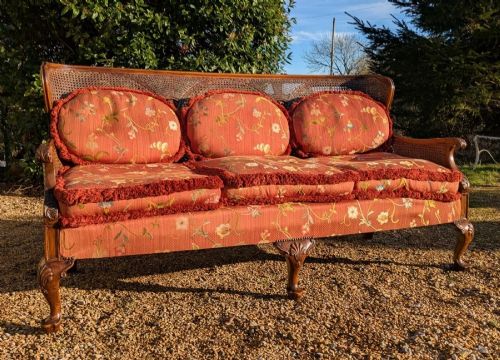
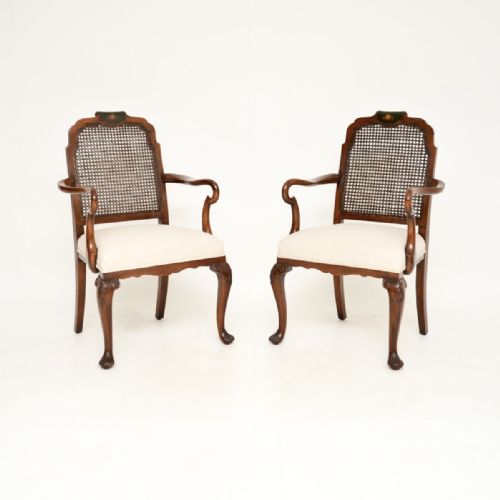
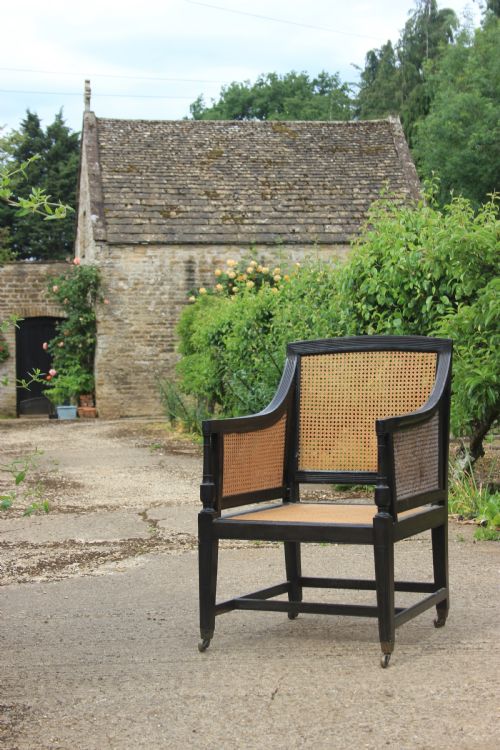
When you search for antique woven cane seating, you encounter a wide variety of domestic furniture designed for comfort and lightness. Armchairs, side chairs, and dining chairs dominate the selections, alongside larger pieces such as sofas, daybeds, and rocking chairs.
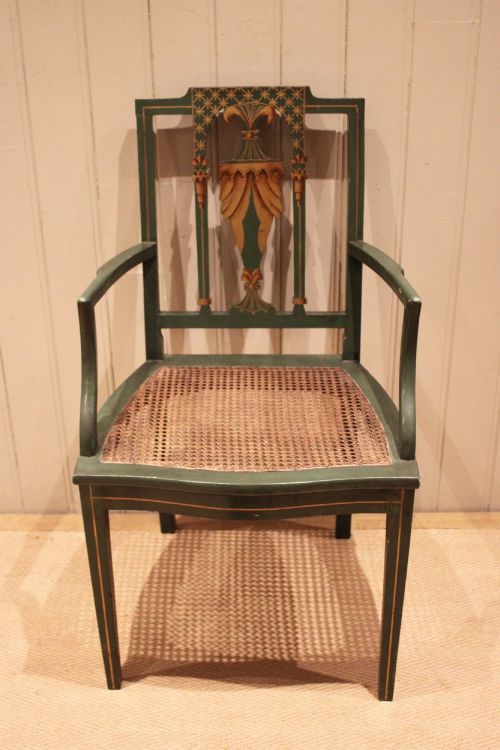
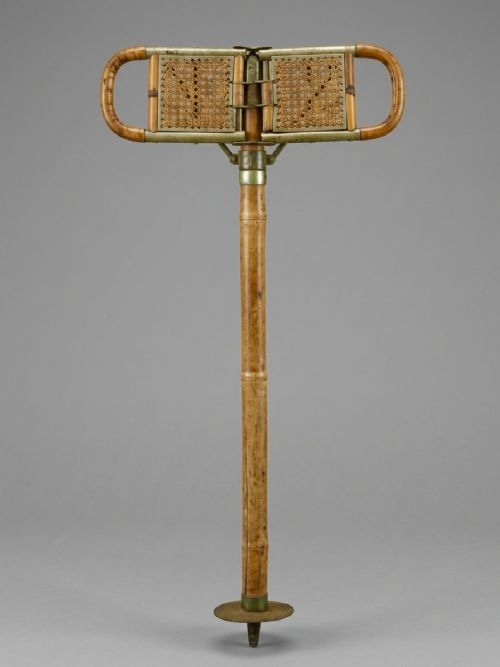
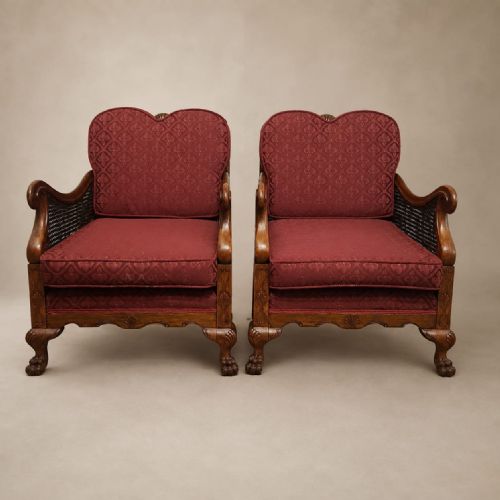
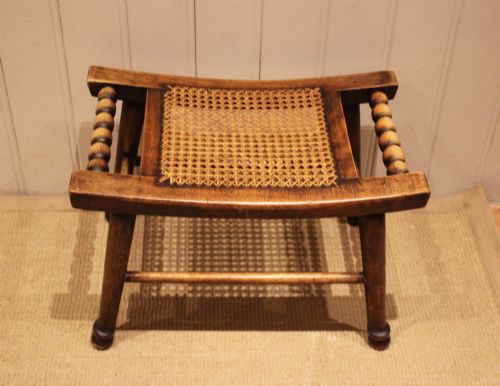
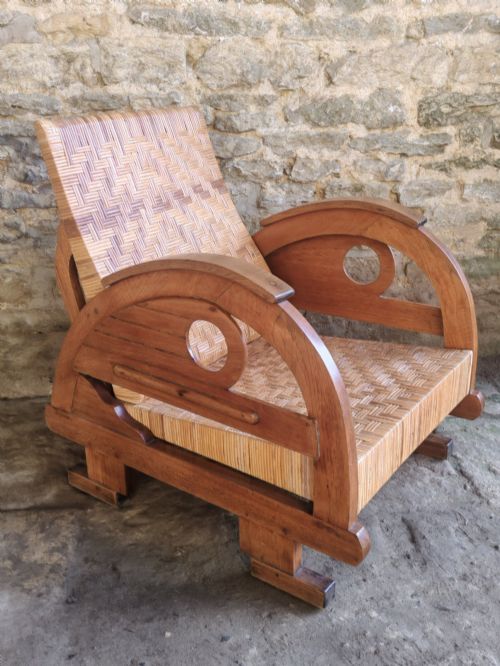
The pieces on this page span several centuries, with particular emphasis on 19th-century examples, Regency models, and early 20th-century items like Art Deco and Edwardian designs. Forms range from simple stools and folding campaign chairs to substantial carved bergere armchairs.
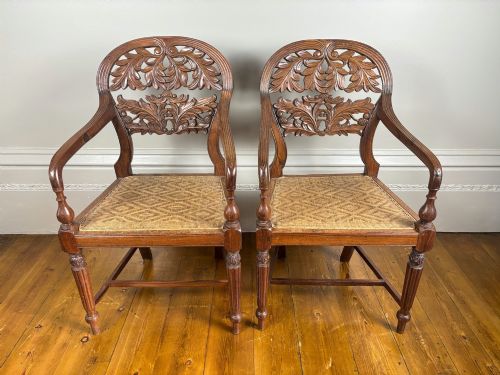
Origins vary from English workshops to colonial centres such as Anglo-Indian workshops in Ceylon. Buyers often select these items to introduce natural materials and traditional craftsmanship into modern interiors.
Materials and Techniques
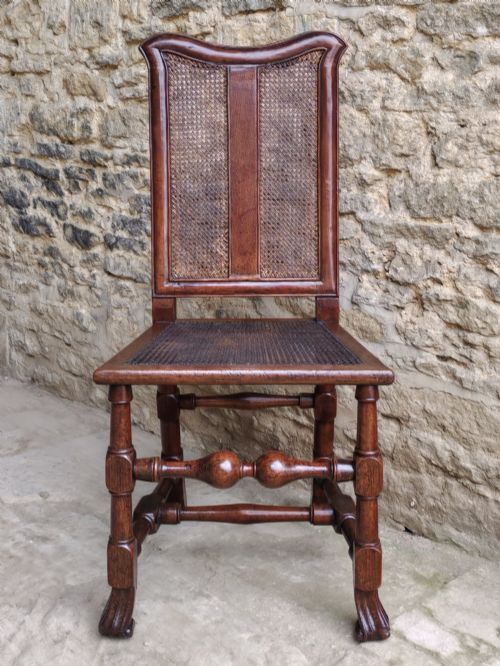
Frames are constructed from sturdy timbers including mahogany, oak, walnut, satinwood, ebony, and beech, often shaped with turned legs, barley twists, or elaborate carving. Wood selection defines the structural backbone of each chair, sofa, or stool.
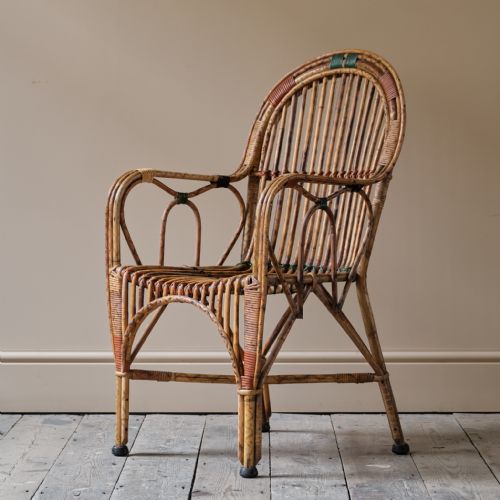
Pliable plant materials such as cane, rattan, and wicker provide the interwoven surfaces for seats and backs. Craftsmen thread these natural fibres through frame perforations to create flexible, breathable panels that support the body.
Additional detailing incorporates fabric cushions, brass fittings, and painted or lacquered surface finishes. These elements complement the woven sections and add decorative contrast to the timber frames.
Antique Woven Cane Seating Retail Price Guide 2026
Typical asking prices for woven cane seating among the pieces listed under this phrase on Sellingantiques today, from the lower quarter to the upper quarter. They describe what is for sale here now, not the wider market.
Quality Variations
The standard of a piece rests heavily on the tightness and uniformity of the cane weaving. Finer examples display meticulous strand placement that distributes weight evenly across the seat or back panel.
Timber selection and frame carving elevate the status of a chair or sofa. Solid, dense woods like ebony and mahogany, paired with crisp, deep carving or painted decoration, separate high-end workshop production from simpler utility items.
Originality of components and surface finish dictates collectible standing. Pieces retaining untouched frames alongside period or well-executed replacement cane work hold greater integrity than heavily altered examples.
Dryad And Co·Dryad Of Leicester
The Antique Woven Cane Seating Glossary
- Bergere
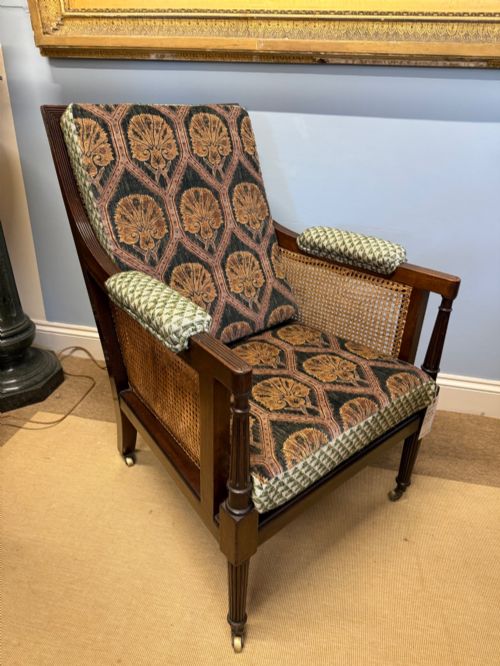
- An upholstered French armchair design featuring enclosed cane sides and back panels. These seats frequently include loose feather or down cushions for added comfort.
- Caning
- The craft of weaving split rattan or cane through drilled holes in a wooden chair frame. This technique produces a durable, porous surface.
- Barley twist
- A woodworking technique turning timber into a spiral rope pattern. This detail appears frequently on the legs and stretchers of early 20th-century chairs.
- Campaign chair
- Portable folding furniture designed for travel and military use during the 19th century. These items pack flat for easy transport.
- Split cane
- The inner pith of the rattan palm sliced to a uniform width for weaving. It offers flexibility and strength for chair seats.
Antique Woven Cane Seating: Frequently Asked Questions
How do I clean antique cane?
Dust the woven surface gently using a soft brush or a vacuum with a low suction attachment. Avoid soaking the material in water, which makes the fibres brittle.
Occasionally wipe the cane with a damp cloth and mild soap to remove grime, then allow it to dry completely in a well-ventilated room.
Can broken cane seats be repaired?
Traditional cane work is entirely replaceable by a skilled restorer who rethreads new strands through the original frame holes. This process preserves the antique timber structure.
Professional re-caning ensures the tension matches historical methods, restoring both the appearance and structural integrity of the chair.
Where were bergere chairs used?
Bergere armchairs served primarily as refined drawing room and parlour seating during the 19th and early 20th centuries. Their enclosed sides provided shelter from drafts in large houses.
Today, homeowners place them in living rooms and studies to add textural contrast alongside upholstered furniture.
How do I identify a Regency cane chair?
Regency pieces often feature classical motifs, saber legs, or faux bamboo turnings reflecting early 19th-century neoclassical tastes. Painted or decorated frames are also common in this period.
Examining the construction methods, such as peg joints and timber types like mahogany, helps confirm the age and origin.