




Edwardian Cane Furniture
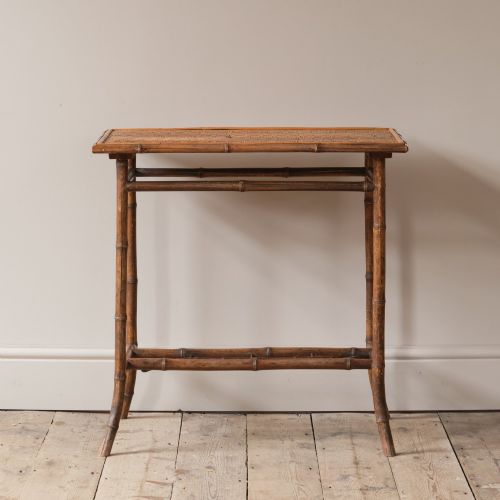
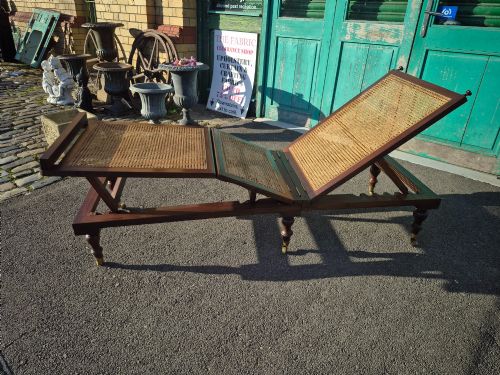
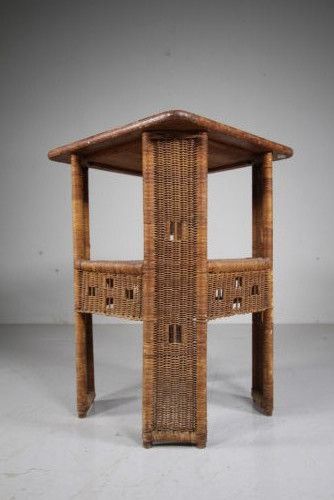
Edwardian cane furniture brings lightness and texture into a room through woven materials set within sturdy wooden frames.
Edwardian Cane Furniture
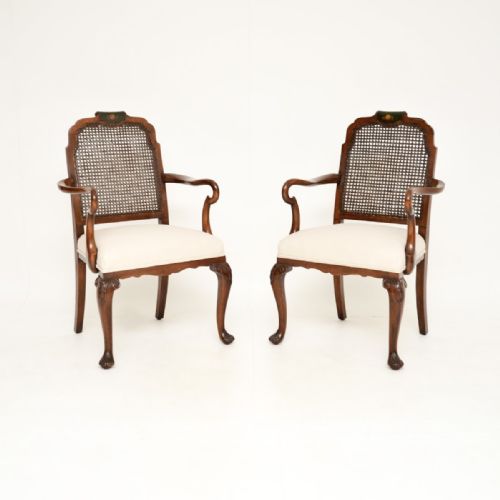
Edwardian cane furniture encompasses seating and occasional pieces designed around the turn of the twentieth century that utilise woven plant materials. Buyers searching for edwardian cane furniture encounter armchairs, chairs, and occasional pieces that combine traditional carpentry with pliable, open weaves.
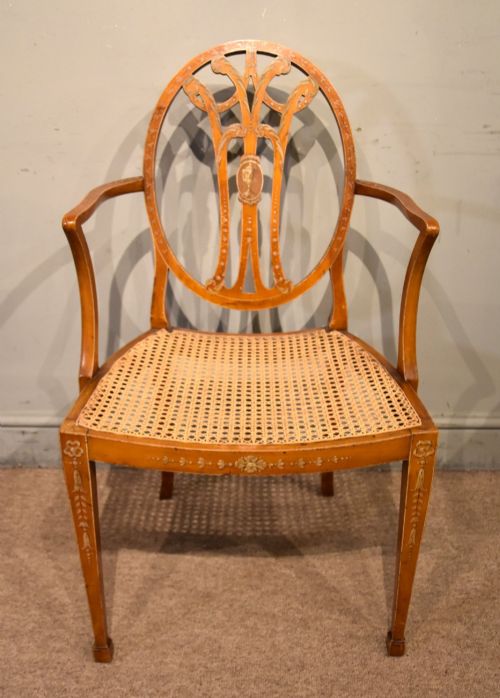
The selection frequently includes satinwood painted chairs and polished frames that display the lighter aesthetic favoured during the Edwardian era. These pieces draw on earlier Victorian and Arts and Crafts traditions while maintaining a distinct domestic grace.
Makers of the period applied cane to seats and backs to provide resilient yet breathable support for everyday use. Surviving examples demonstrate how seating forms evolved to suit comfortable domestic interiors.
How they were made
Craftsmen built structural frames using timbers such as mahogany, satinwood, oak, and walnut, employing traditional joinery to ensure stability. These hardwoods provided a durable skeleton capable of withstanding the tension of woven panels.
Workers split and shaved rattan to create the flexible strands used for traditional cane work. Artisans threaded these strands by hand through drilled holes in the wooden frames, creating intricate open patterns that offered both strength and flexibility.
Caned rocking cribs offered infants a gently swaying berth during the Edwardian era.
What varies in quality
The distinction between ordinary production and finer work lies in the precision of the timber framing and the regularity of the hand-woven cane. Superior pieces exhibit crisp carving on the wood and uniform tension across the woven surfaces.
Quality also depends on the selection of cabinet timbers, where finely figured mahogany or painted satinwood elevates a piece beyond utilitarian standards. The integration of the woven cane into the wooden channels demonstrates the maker's level of skill.
Heals of London·Dryad of Leicester·Maple and Co·Leveson and Sons·Liberty Design
The Edwardian Cane Furniture Glossary
- Cane
- A material derived from the peeled outer bark of rattan palms, split and woven into seating panels. It provides a strong, flexible, and breathable surface.
- Satinwood
- A hard, durable timber with a natural golden lustre, frequently used in high-grade furniture. It accepts painted decoration and fine polishing exceptionally well.
- Bergère
- An upholstered armchair with enclosed sides, often featuring cane work on the back and panels. This form originated in France and remained popular in British furniture design.
- Arts and Crafts
- A design movement advocating for traditional craftsmanship and simple forms. It influenced furniture production around the turn of the twentieth century.
Edwardian Cane Furniture: Frequently Asked Questions
How do I clean cane furniture?
Dust woven surfaces regularly using a soft brush to prevent dirt accumulation in the interstices. Avoid excessive moisture, which can weaken the natural fibres.
Condition the material occasionally with a damp cloth to maintain its flexibility. Proper humidity levels prevent the cane from becoming brittle over time.
Can broken cane be repaired?
Traditional hand-woven cane can be replaced by a skilled restorer who threads new rattan strands through the existing frame holes. This process restores both the appearance and the structural integrity of the piece.
Partial damage sometimes permits spot repair without replacing the entire panel. Professional intervention ensures the tension matches the original work.
How do I date Edwardian pieces?
Examine the timber, construction methods, and design motifs to establish the period of manufacture. Edwardian pieces often display lighter woods and painted decoration distinct from heavier Victorian designs.
Maker marks or retailer labels provide definitive chronological evidence. Comparing construction details with documented examples helps confirm the date.
Where should I place these items?
Position cane furniture away from direct heat sources and strong sunlight to protect the natural fibres from drying out. Balanced indoor climates ensure the longevity of both wood and weave.
These pieces suit reception rooms, bedrooms, and studies where their light structure complements interior spaces. Their breathable construction makes them practical for everyday seating.