







Antique Wool Torba
An antique wool torba is a tribal bag woven by nomadic weavers in Central Asia, prized by collectors for its intricate geometric guls and rich natural dyes.
Antique Wool Torba
When searching for an antique wool torba, a buyer encounters traditional storage bags originating from Turkmen and other Central Asian tribal groups. These pieces date from the nineteenth and early twentieth centuries, reflecting nomadic domestic life and customary dowry weaving.
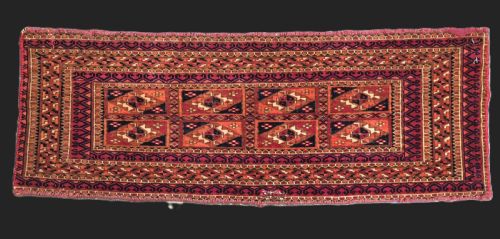
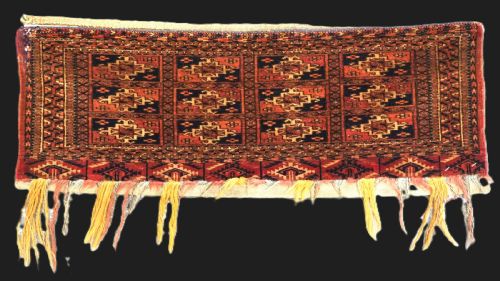
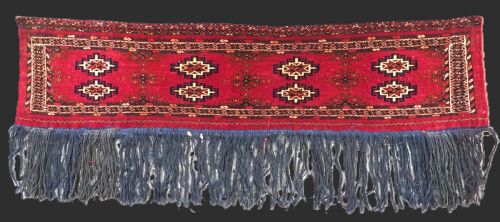
The selections on this page predominantly show bag faces or complete storage bags attributed to tribes such as the Tekke, Saryk, Yomut, and Ersari. These textiles were originally utilised within tribal tents for storage and household organisation.
Common formats include pieces featuring specific major guls like the Salor, Kepse, or Chodor designs, alongside variations complete with plain weave backs. Collectors find both fragment faces and intact examples with their original backings included.
Materials and construction methods
Weavers constructed these tribal bags using hand-spun wool for the foundational pile and structure, often incorporating cotton elements and occasional silk highlights. Natural dyes provided the deep reds, ivory grounds, and contrasting secondary tones seen across the pieces.
The weaving technique relies on dense knotting to achieve a durable pile, paired with flatweave structures for backs and borders. Embroidered faces also appear among the selection, displaying diverse surface textures produced by nomadic artisans.
Antique Wool Torba Retail Price Guide 2026
Typical asking prices for wool torba among the pieces listed under this phrase on Sellingantiques today, from the lower quarter to the upper quarter. They describe what is for sale here now, not the wider market.
The listings on this page span the nineteenth and early twentieth centuries, featuring wool, cotton, and natural dye materials from Turkmen and Uzbek tribal traditions.
Elements of distinction in tribal weaving
Quality in these nomadic bags rests on the density of the weave and the precision of the design execution. Examples featuring very fine knots and clearly articulated gul motifs stand apart from standard production.
The vibrancy and depth of the natural dyes significantly influence the visual impact of each textile. Pieces retaining complete original backs and uncommon structural formats command closer attention from traditional textile enthusiasts.
Tekke Turkmen·Yomut Tribes·Saryk Turkmen·Ersari Turkmen·Lakai Uzbeks
The Antique Wool Torba Glossary
- Torba
- A small Turkmen storage bag traditionally used inside a tent for domestic possessions. These items typically feature horizontal formats and distinct tribal gul patterns.
- Gul
- A primary medallion motif repeated across Turkmen carpets and bag faces. Each design often identifies the specific tribe or clan responsible for the weaving.
- Mafrash
- A larger rectangular storage container or bedding bag associated with nomadic tribes. They share construction techniques with smaller torbas and often appear in similar flatweave or pile styles.
- Kedjebe
- A specific lattice or tent-band design motif utilised by Turkmen weavers. This pattern frames secondary ornaments across the face of the textile.
- Ilgich
- A decorative horse torba or hanging accessory produced by Uzbek tribal groups. These pieces frequently incorporate silk embroidery on a wool or cotton ground.
Antique Wool Torba: Frequently Asked Questions
What was a torba used for?
Nomadic families utilised these bags within their tents to store small personal items, blankets, or household goods. They hung against the lattice walls or served as functional containers during seasonal migrations.
Over time, many of these textiles became central components of traditional dowries. Their intricate patterns reflected the status and heritage of the weaving family.
How do you identify a Tekke torba?
Tekke pieces generally feature structured rows of octagonal guls, often accompanied by distinct minor motifs and finely knotted wool piles. The palette frequently relies on deep madder reds contrasted with ivory and dark brown.
Many examples also include precise geometric borders framing the central field. Checking for characteristic Tekke drawing styles helps separate them from Yomut or Saryk counterparts.
Are these bags complete with backs?
Surviving examples on the market appear both as single bag faces and as complete pieces retaining their original plain weave backs. Complete items preserve the full construction method used by the nomadic makers.
Bag faces alone often result from the separation of the front and back panels due to heavy wear. Both formats remain collectible within the field of tribal textiles.
How should I display a textile bag?
Collectors commonly mount these pieces on suitable fabric backings for wall display, protecting the wool pile from pressure and friction. Proper hanging methods distribute the weight evenly across the entire upper edge.
Keeping textiles away from direct sunlight preserves the natural dyes used in the wool. Regular gentle rotation and inspection help maintain the condition of older fibrous materials.