


Antique Wool Pillow
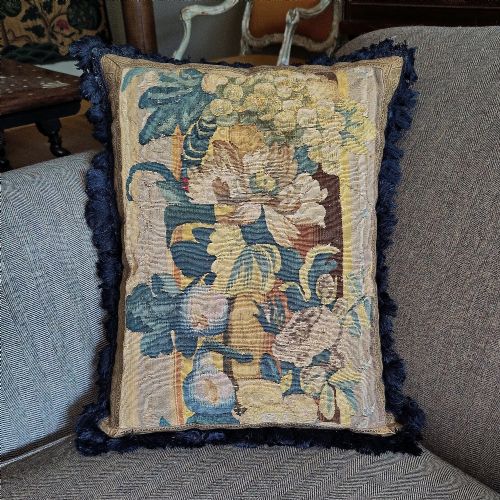
An antique wool pillow brings tactile history into a room, formed from salvaged tribal weavings and European tapestry fragments.

Antique Wool Pillow
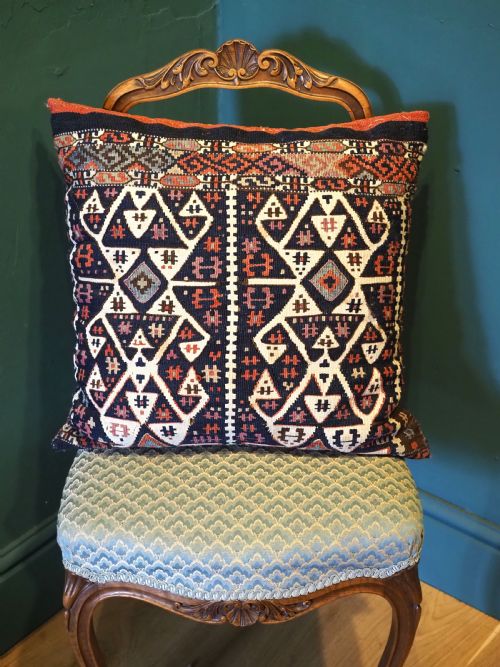
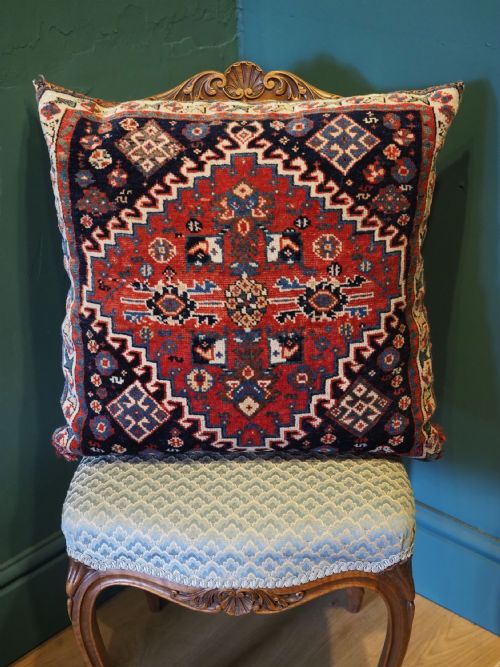
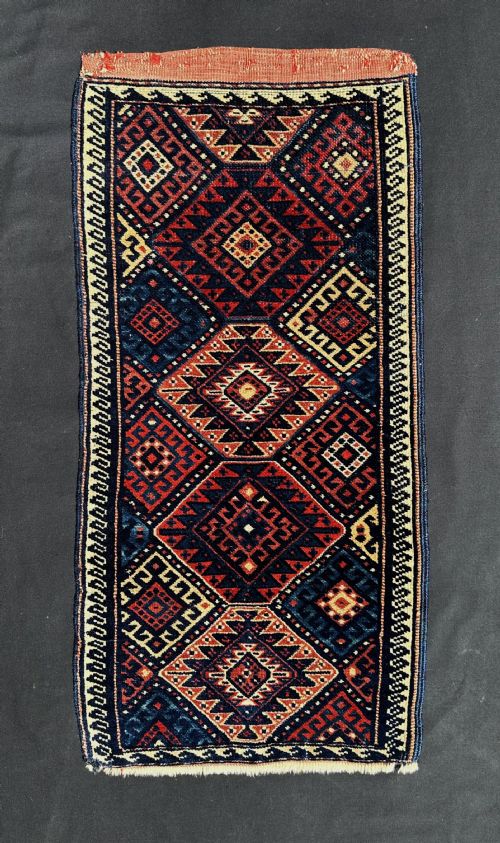
An antique wool pillow typically starts life as something else entirely, such as a nomadic storage bag, a saddle bag face, or a flatweave kilim. Textile fragments from the seventeenth century onwards are repurposed into cushions and soft furnishings for modern interiors.
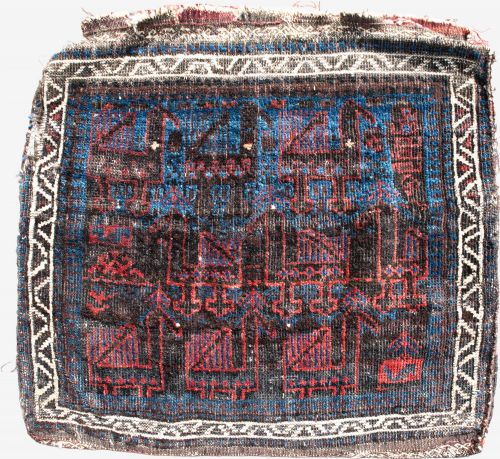
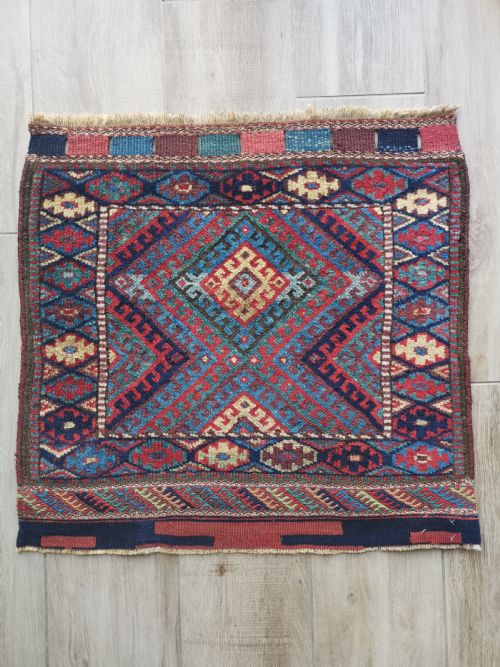
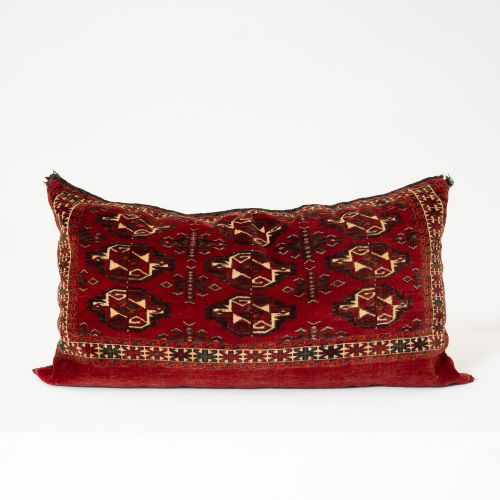
The selection ranges from Anatolian and Persian tribal pieces to French chateau tapestries and Swedish embroidery. Yomut, Tekke, and Baluch bag faces appear frequently, retaining their original motifs while functioning as decorative cushions.
Many examples utilise the durable front panels of grain bags, torbas, or chuvals, often backed with plain weave wool or cotton and finished with traditional tassels.
Materials and construction
Weavers relied on hand-spun wool, cotton, linen, and silk, dyed using natural substances to achieve deep, lasting colours. These textiles were produced on traditional upright or horizontal looms by nomadic tribes and village artisans.
Makers cut and assembled these sturdy flatweaves and pile carpets, joining them to supportive cloth backs to create functional cushions. The structural integrity depends entirely on the tightness of the original weave and the stability of the natural fibres.
Several horse saddle bags from the nineteenth century now lead a peaceful second life as luxurious sofa cushions.
Distinctions in craftsmanship
Quality rests in the fineness of the knotting or flatweave technique, the clarity of the tribal motifs, and the richness of the natural dyes. Pieces retaining complete formats, such as specific gül designs or original tassels, demonstrate superior preservation.
The choice of fragment also determines the visual impact, with tightly woven Baluch bird bags and intricate Yomut designs offering greater complexity than plain utility textiles.
The Antique Wool Pillow Glossary
- Chuval
- A large Turkmen tent-storage bag. These often feature multiple guls and translate well into sizeable cushions.
- Torba
- A smaller Turkmen storage bag intended for hanging inside a tent. Their horizontal format suits rectangular cushion dimensions.
- Gul
- An octagonal medallion motif repeated across Turkmen carpets and bag faces. Each tribal group utilised distinct geometric variations.
- Kelim
- A flatwoven textile produced without a pile. These durable panels form the basis of many decorative pillow covers.
- Balisht
- A traditional tribal pillow or small sleeping bag. Their original purpose makes them naturally suited to cushion conversion.
Antique Wool Pillow: Frequently Asked Questions
How do I care for an antique textile cushion?
Protect the natural wool fibres by keeping the cushion away from direct, harsh sunlight to prevent natural dyes from fading over time.
Gentle surface cleaning or professional textile conservation is recommended to preserve the integrity of the hand-spun yarns and delicate stitching.
Where do these tribal fragments originate?
The textile fragments derive from various nomadic and village traditions across Persia, Anatolia, Central Asia, and Europe.
Tribes such as the Yomut, Tekke, Baluch, and Qashqai produced the original bags and rugs before they were later converted into soft furnishings.
Are antique wool pillows sturdy enough for daily use?
Nomadic weaving techniques utilised dense wool and tight knotting to withstand heavy daily wear inside tents and transport animals.
While robust, their age means they function best as decorative accents on armchairs and beds rather than heavy-use floor cushions.