
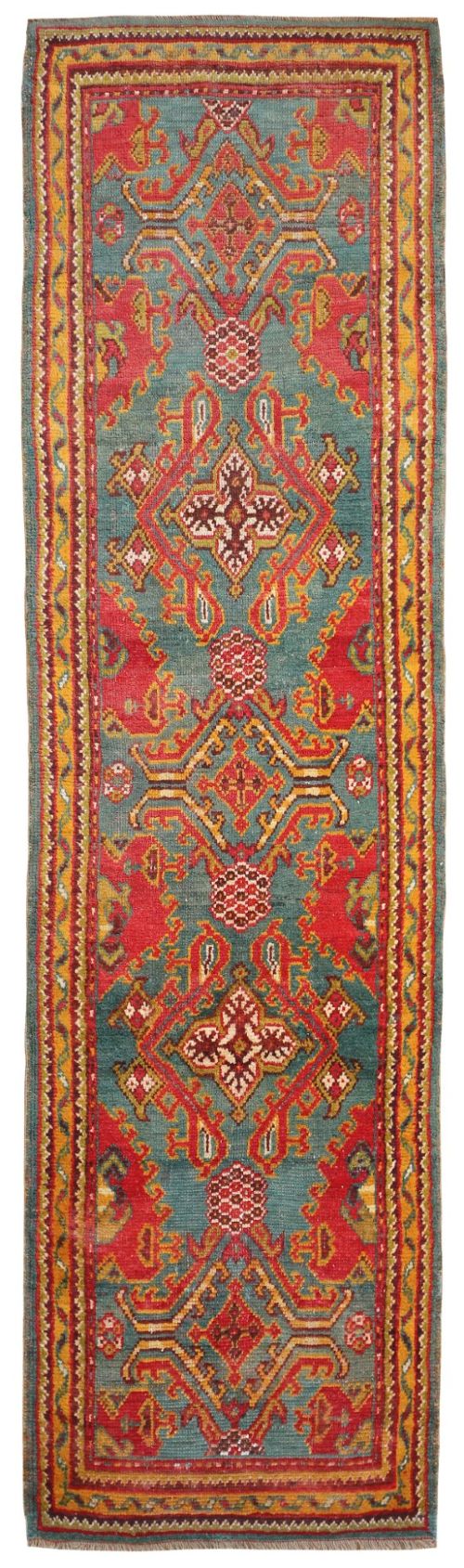
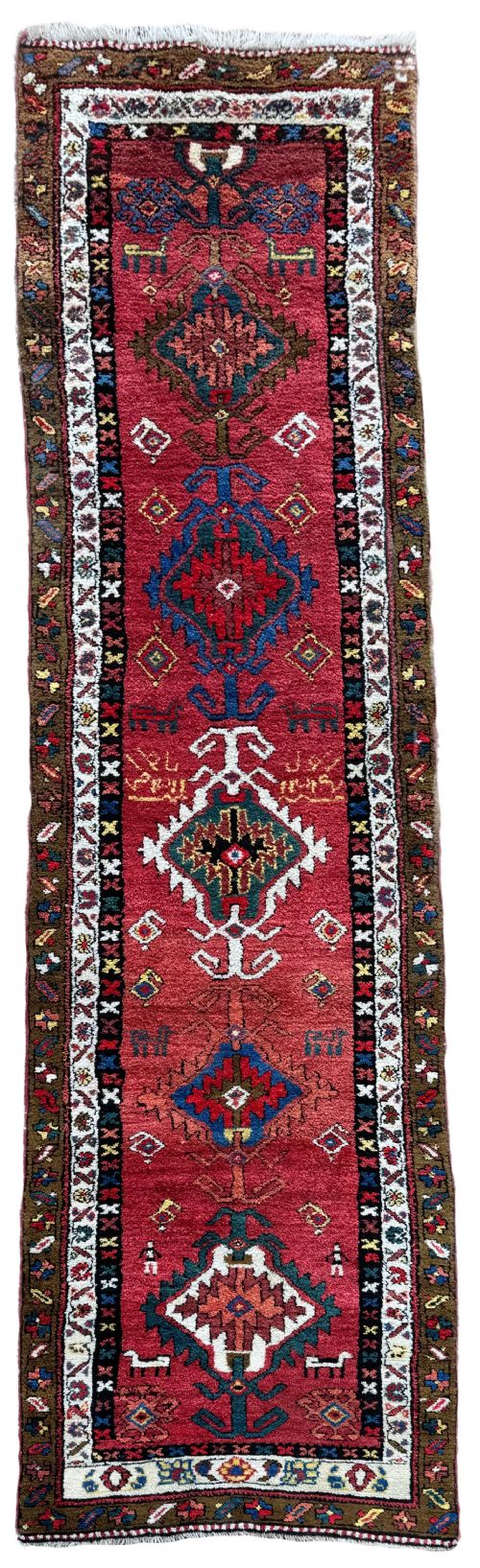
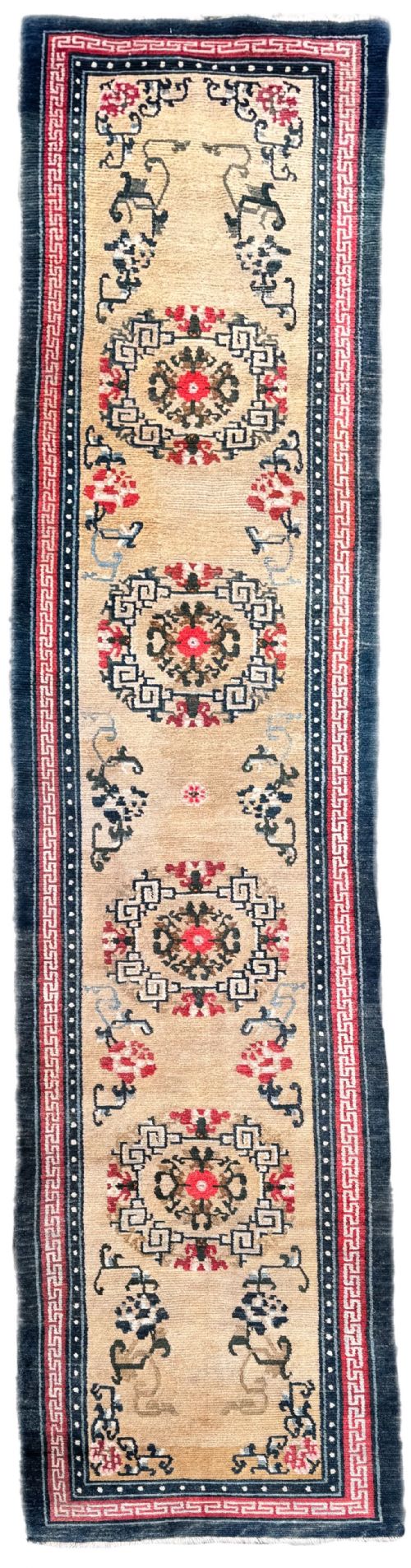
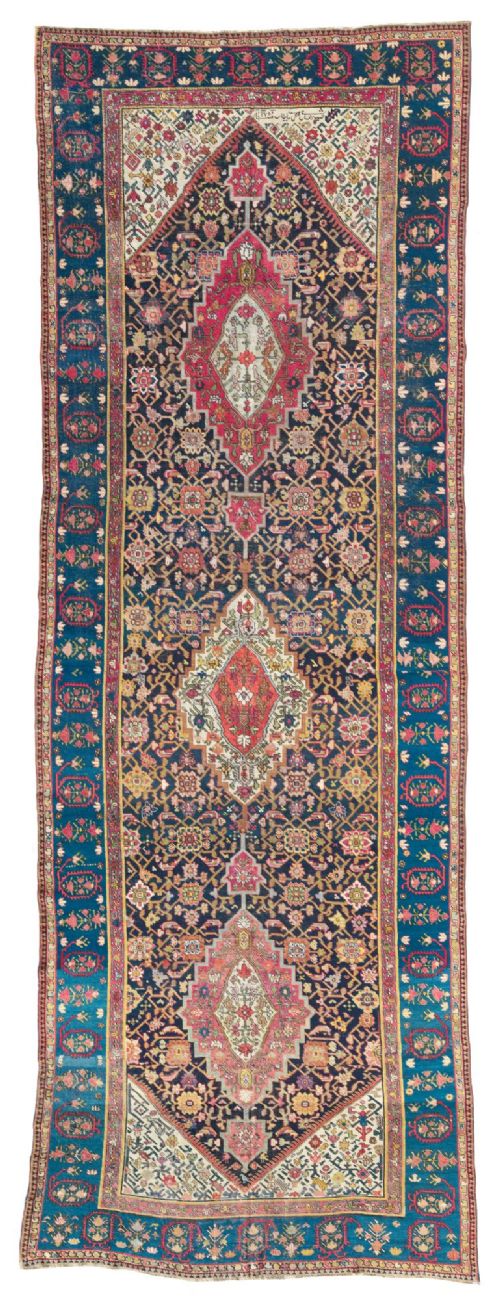

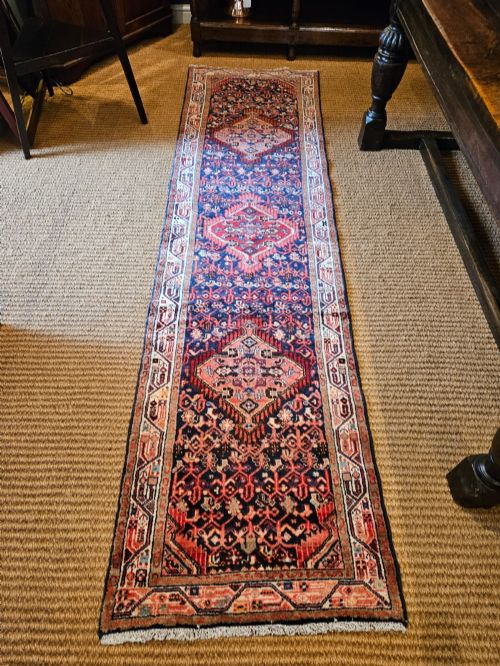
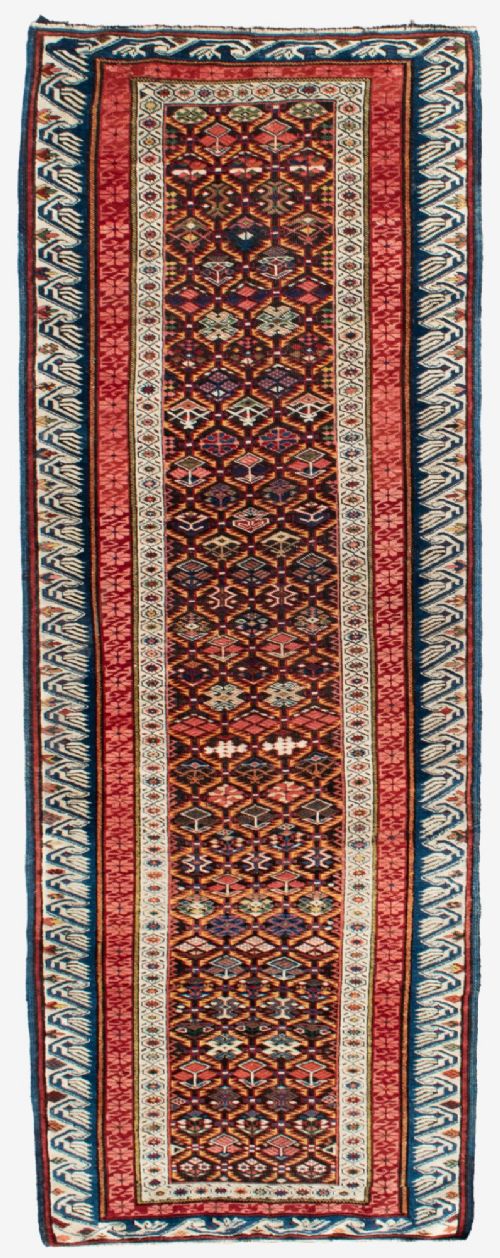
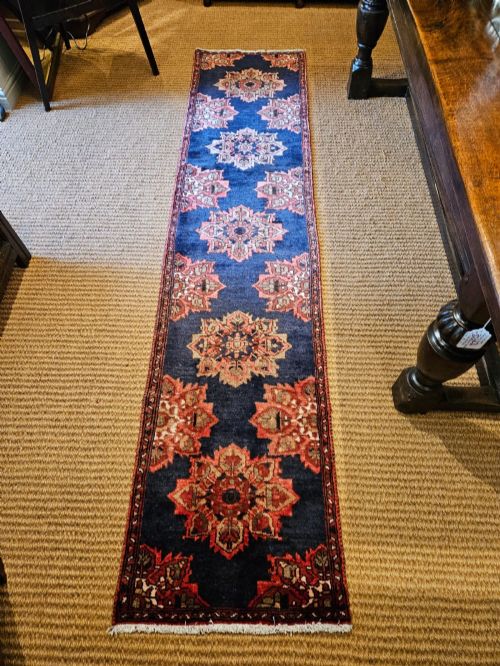
Antique Wool Corridor Rug
An antique wool corridor rug brings warmth and historic pattern to narrow spaces, offering durable footing forged over a century ago.
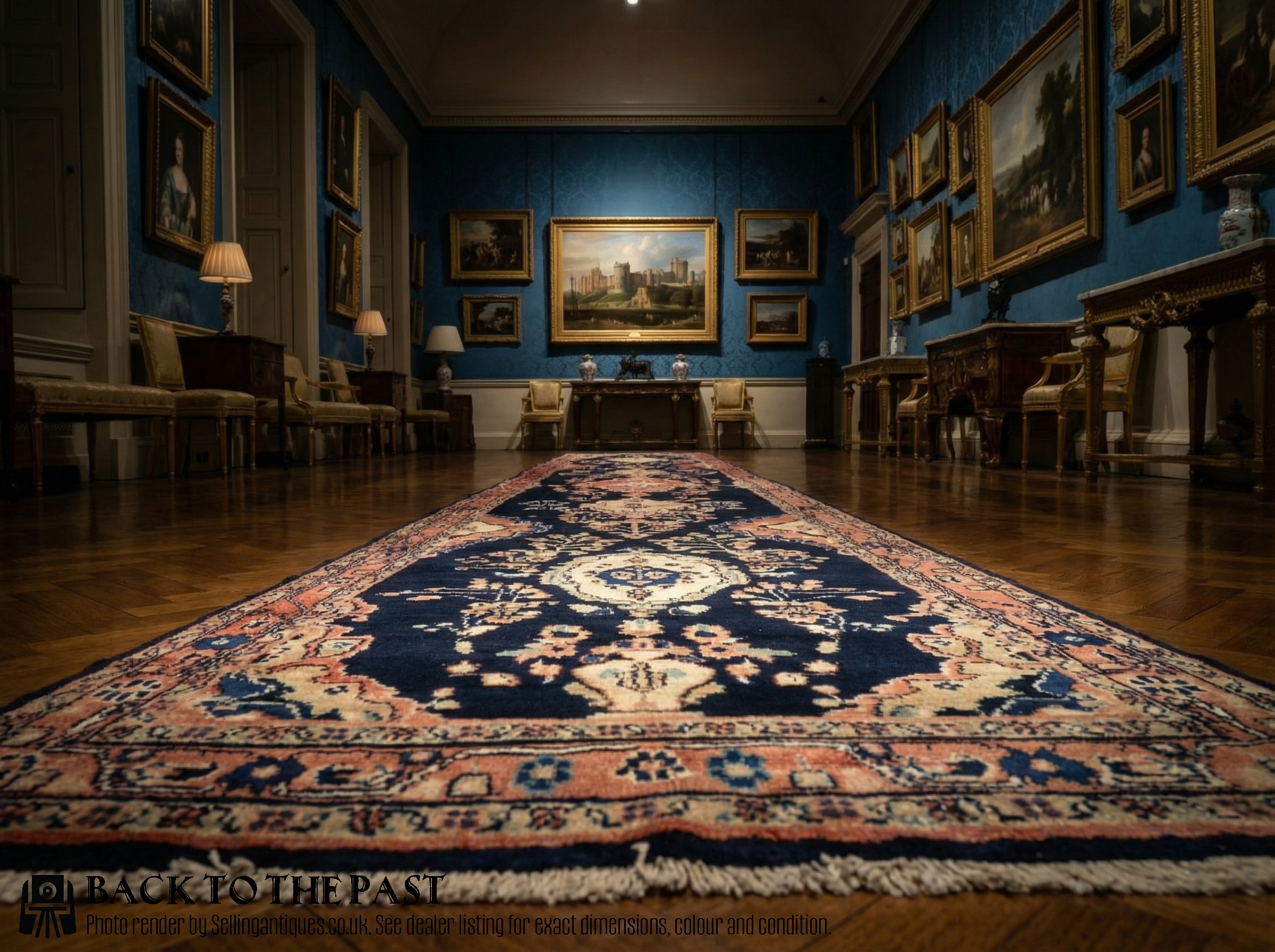
Antique Wool Corridor Rug
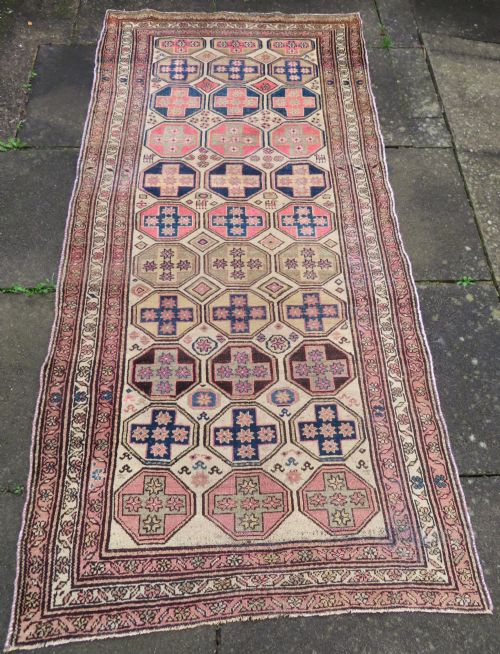
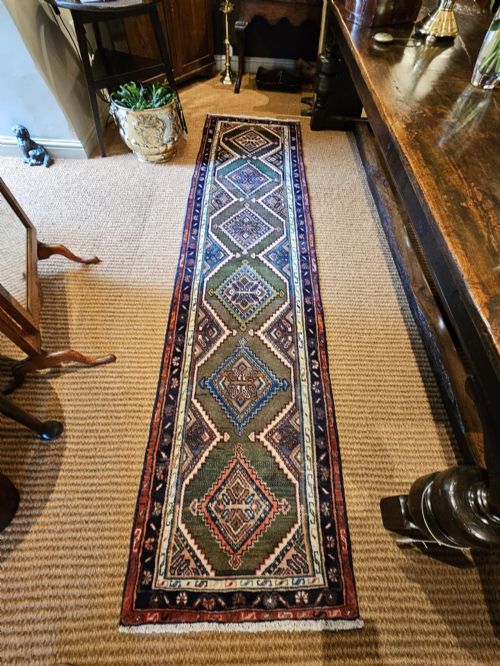
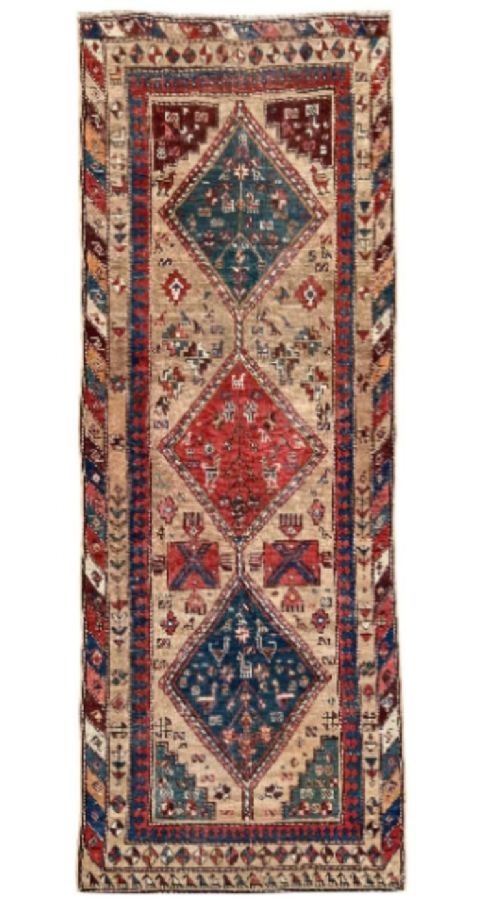
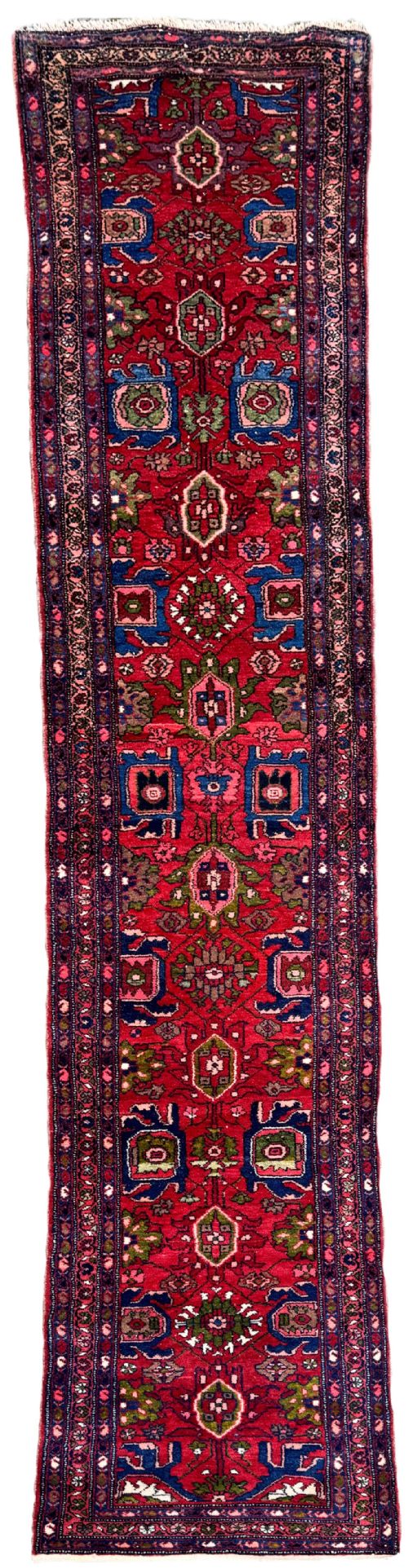
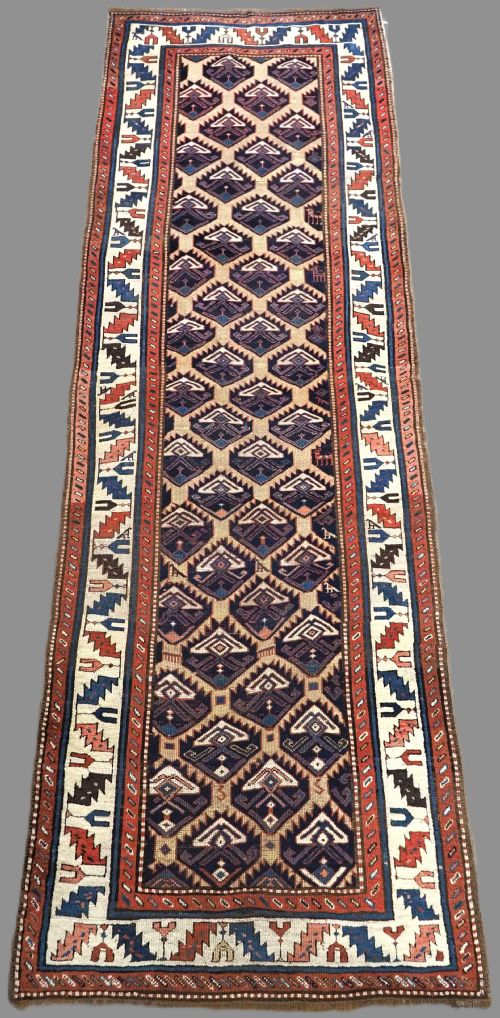
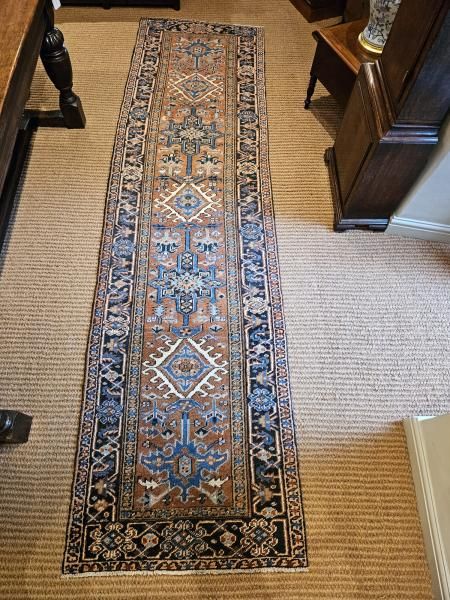
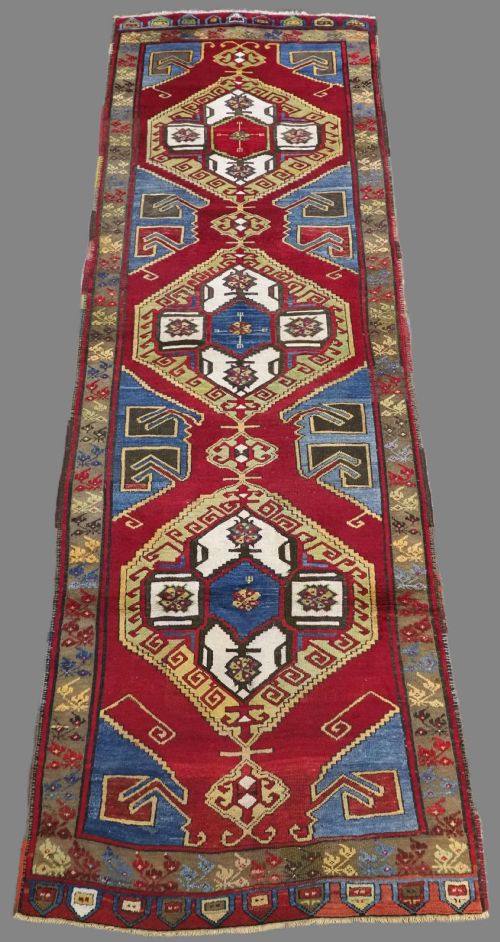
An antique wool corridor rug takes the form of an elongated runner or long rug designed specifically for hallways, landings, and narrow passages. These pieces originate from various traditions spanning the nineteenth and early twentieth centuries, including Persian tribal workshops, Caucasian weaving centres, and Anatolian villages.
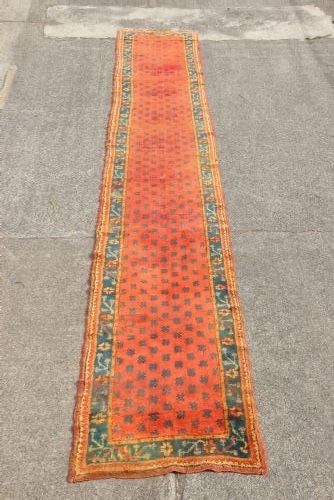
The specimens seen here most frequently present as narrow rectangular formats, often stretching several metres in length to suit long floors. They bridge utility and decorative expression, showing regional designs ranging from geometric medallions to repetitive lattice patterns.
How they were made
Weavers constructed these runners using natural wool, frequently hand-spun, combined with cotton foundations depending on the regional origin. The pile was knotted by hand onto warp and weft threads, creating a dense surface capable of withstanding heavy foot traffic over generations.
Natural dye materials provided the palette, resulting in rich tones that soften gracefully across decades of use and exposure. The structural integrity relies on sturdy selvedges and tightly packed knots typical of traditional village and tribal production.
Antique Wool Corridor Rug Retail Price Guide 2026
Typical asking prices for wool corridor rug among the pieces listed under this phrase on Sellingantiques today, from the lower quarter to the upper quarter. They describe what is for sale here now, not the wider market.
Geographic origins on this page include Persian tribal, Caucasian, Anatolian, and Kurdish workshops.
What varies in quality
The standard of an antique corridor rug rests on the fineness of the knotting and the clarity of the design execution. Tightly packed wool yields a resilient pile that maintains its structural integrity and pattern definition much longer than looser weaves.
Balance of proportion and the depth of the dye palette further distinguish finer examples. The skill of the weaver shows in how harmoniously the geometric or floral motifs traverse the long format without awkward compression or distortion.
The Antique Wool Corridor Rug Glossary
- Runner
- A long, narrow rug format specifically proportioned for corridors, hallways, and staircases. It guides movement through domestic spaces.
- Knot density
- The number of knots per square unit, determining both the crispness of the design and the durability of the pile.
- Warp
- The vertical threads stretched across the loom that form the foundational skeleton of the rug. The fringe typically emerges from these threads.
- Weft
- The horizontal threads passed through the warp alternating with rows of knots to bind the structure together. It keeps the pile upright and secure.
- Selvedge
- The reinforced outer edge of a rug woven to prevent fraying and maintain the rectangular shape along the long sides.
Antique Wool Corridor Rug: Frequently Asked Questions
Where should I place a long corridor runner?
These pieces suit narrow hallways, entryways, and gallery landings where foot traffic calls for both floor protection and visual warmth.
Their elongated proportions help anchor long, empty spaces by introducing texture and historic character directly beneathfoot.
How do I care for antique wool runners?
Regular gentle vacuuming without a rotating brush roll prevents dust accumulation within the wool pile.
Professional cleaning tailored to vintage textiles preserves the natural lanolin and maintains the stability of the cotton or wool foundation.
How do I identify a Kurdish tribal runner?
Kurdish pieces often display robust geometric patterning, earthy palettes, and sturdy wool construction typical of village production in nineteenth and early twentieth-century regions.
Their substantial weight and distinct tribal motifs set them apart from finer city-woven counterparts.
What is the difference between a kelleh and a standard runner?
A kelleh generally represents a larger, broader format than a typical narrow corridor runner, functioning as a room-size or extended carpet.
Both share traditional weaving techniques, but kelleh formats suit wider rooms or spacious reception halls rather than narrow passageways.