



Antique Wooden Wall Sconce
An antique wooden wall sconce brings warmth and sculptural presence to a room, casting gentle light from its perch above a mantel or flanking a mirror.
Antique Wooden Wall Sconce
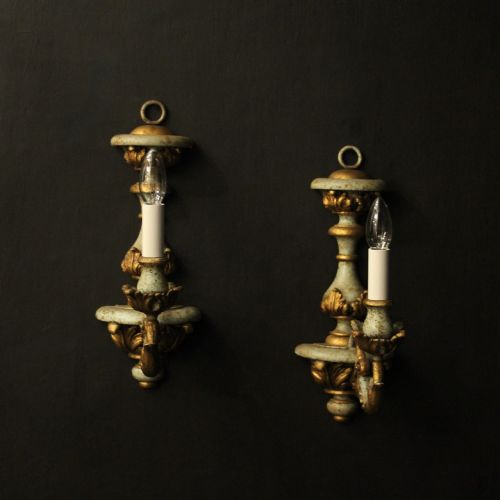
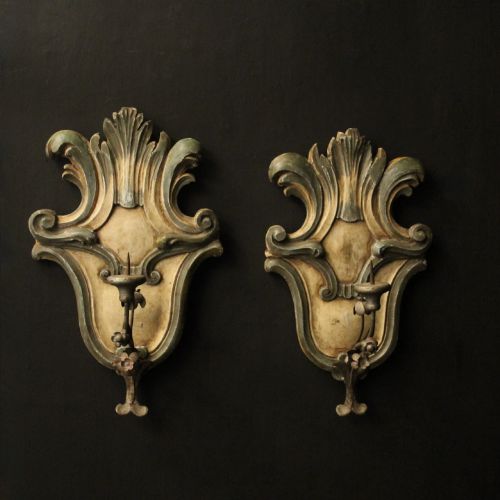
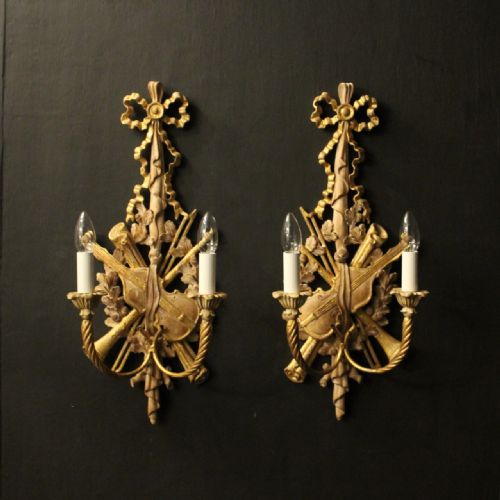
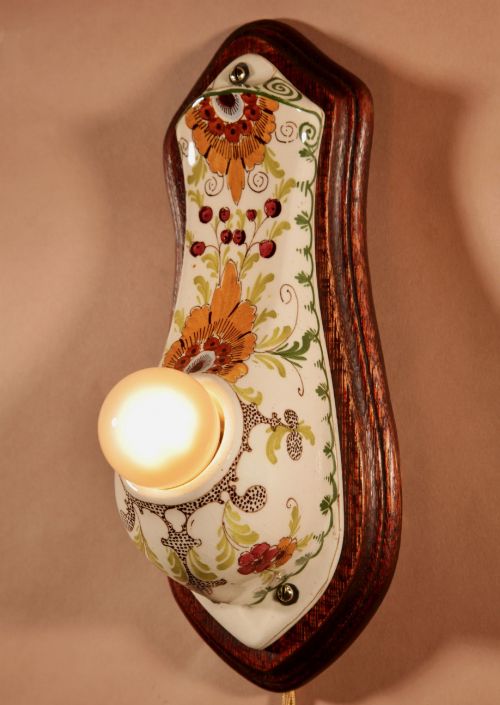
An antique wooden wall sconce is a carved, bracketed, or arm-bearing light fixture designed to be mounted directly onto a vertical surface. The selection ranges widely in form, spanning simple architectural brackets to elaborate multi-armed candle sconces and mirrored display shelves.
Italian workshops and French ateliers dominate the origins here, with Florentine giltwood and polychrome finishes appearing frequently alongside Victorian walnut and Anglo-Indian designs. Pieces from the eighteenth century through to the early decades of the twentieth century showcase styles from the Baroque and Rococo revivals to Neoclassical and Georgian interpretations.
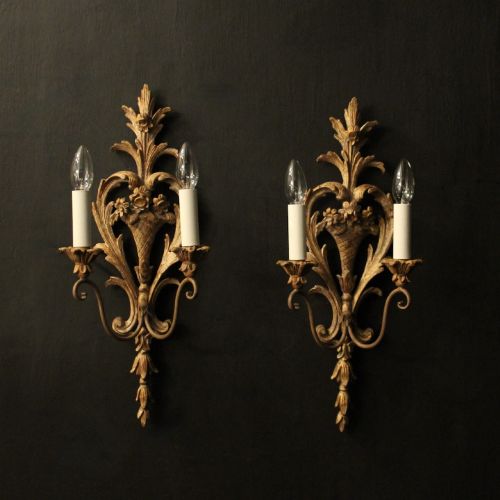
Buyers will encounter single, twin, and triple-arm configurations alongside decorative wall brackets and architectural elements adapted for lighting. These fixtures serve both as practical illumination and as substantial ornamental focal points within an interior space.
How they were made
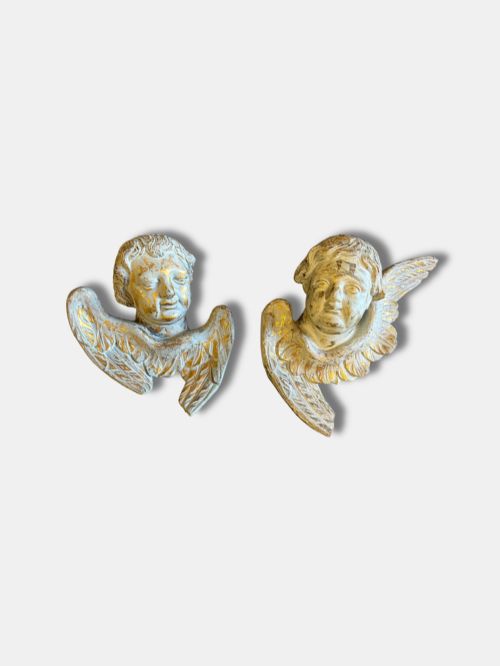
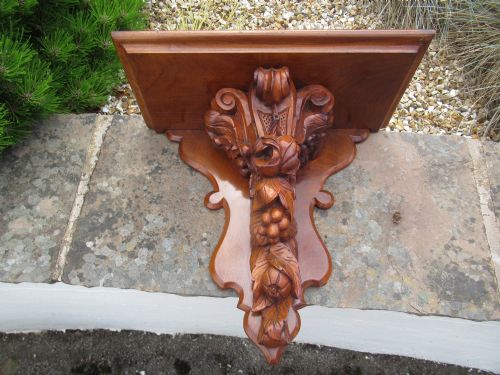
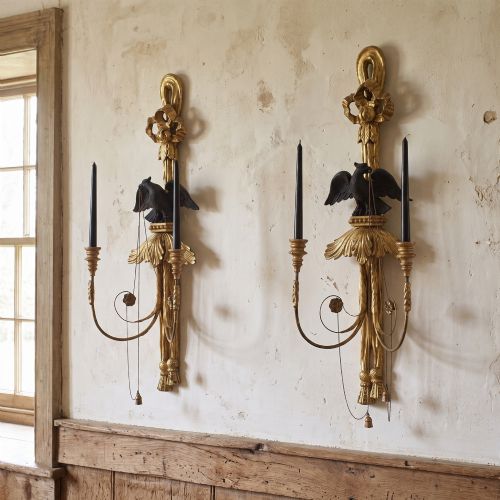
Makers shaped these fixtures primarily from solid timber foundations such as walnut, mahogany, and oak, often applying a layer of gesso to smooth the surface before ornamentation. Carving was executed by hand, yielding intricate details like cherubs, eagles, fruit motifs, and Corinthian capitals.
Giltwood and silver-gilded examples received thin sheets of gold or silver leaf applied over bole and size, while other versions utilised polychrome paint finishes. Metal arms and candle nozzles were frequently integrated into carved wooden backplates to support the weight of candles or early electrical fittings.
Antique Wooden Wall Sconce Retail Price Guide 2026
Typical asking prices for wooden wall sconce among the pieces listed under this phrase on Sellingantiques today, from the lower quarter to the upper quarter. They describe what is for sale here now, not the wider market.
The selection includes carved wood, gesso, and giltwood pieces spanning the eighteenth, nineteenth, and early twentieth centuries.
What varies in quality
The distinction between ordinary and exceptional examples lies in the depth and crispness of the hand-carving. Crisp undercut foliage and expressive figures demonstrate superior craftsmanship compared to softer, shallower tool work.
The application and preservation of surface finishes dictate visual distinction. Intact layers of original gold leaf, silver gilding, or polychrome pigment that have aged gracefully elevate a piece above later, unsympathetic repainting.
Cottier and Co
The Antique Wooden Wall Sconce Glossary
- Giltwood
- Wood that has been coated with a thin layer of gold leaf or gold paint. This technique creates a luminous surface that catches and reflects candlelight.
- Polychrome
- Decorated in multiple colours. Artisans applied various paint pigments to the carved wooden surfaces to imitate natural hues or create decorative patterns.
- Girandole
- An ornamental bracket carrying branches for candles, typically featuring a mirrored backplate. The mirror glass serves to amplify the light cast into the room.
- Pricket
- A sharp spike on a candleholder designed to secure a candle by its base. This form is frequently found on earlier ecclesiastical or formal wall lights.
- Gesso
- A plaster mixture applied to wood as a smooth base for gilding or painting. Its build-up allows artisans to carve fine relief details before applying gold leaf.
Antique Wooden Wall Sconce: Frequently Asked Questions
How were antique wall sconces originally lit?
These fixtures were designed to hold wax or tallow candles in sockets or upon prickets, providing localized illumination before the advent of gas and electric lighting. Many surviving examples have since been adapted for electricity while retaining their original aesthetic form.
Positioning them at eye level or above key furniture pieces allowed the flame to cast a warm glow against panelled or plastered walls.
Where should I hang a wooden wall sconce?
Sconces look best mounted on either side of a fireplace, a large painting, or a mirror to create balanced symmetry in a room. They also suit hallways and stairwells where their projecting arms add architectural depth without consuming floor space.
Ensure they are hung at a height that protects the surrounding wall from soot and keeps the light source comfortably out of direct eye line.
How do I distinguish between periods?
Distinguishing periods relies on observing the prevailing ornamental vocabulary, such as the exuberant scrolls of Italian Baroque and Rococo revivals versus the cleaner, symmetrical lines of Neoclassical and Georgian styles. Material choices and finishing techniques also offer clues, with nineteenth-century Victorian walnut contrasting against earlier gilded surfaces.
Construction methods, tool marks on the reverse of the timber, and the natural oxidation of the underlying gesso help confirm the age of the piece.
Are these sconces wired for electricity?
The pieces listed encompass both untouched candle-carrying brackets and fixtures that have undergone later adaptation for electrical wiring. Buyers should inspect the individual descriptions to determine whether the fittings are set up for modern bulbs or remain configured for candles.
Any electrical conversion should be reviewed by a qualified professional to ensure it meets current safety standards before installation.