


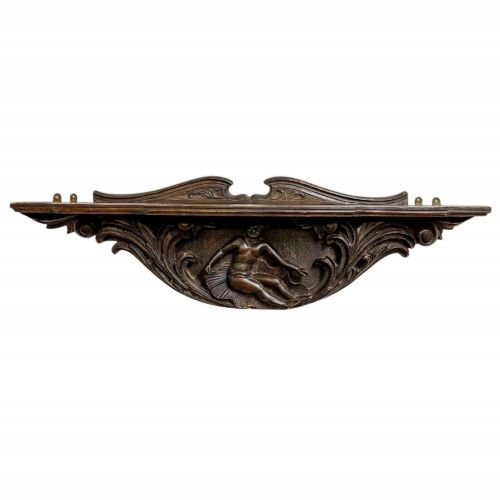
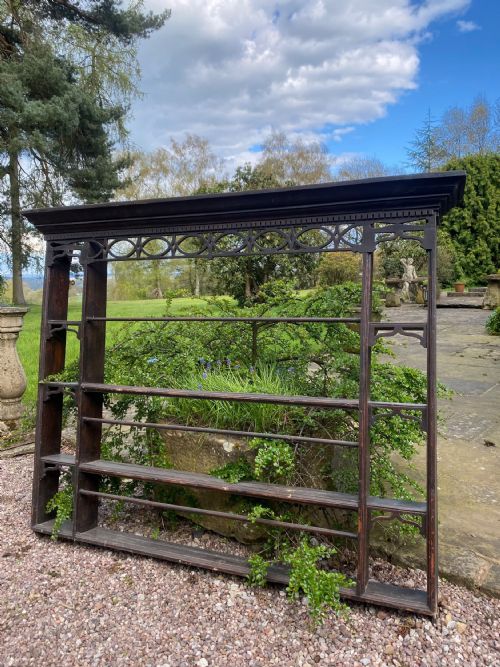
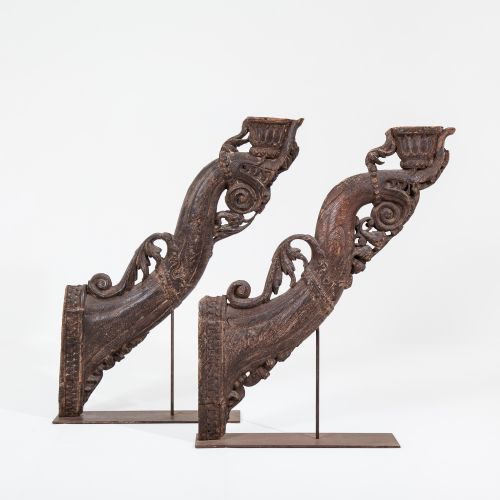


Carved Oak Wall Shelf
A carved oak wall shelf brings timber texture and architectural weight to interior spaces.
Carved Oak Wall Shelf
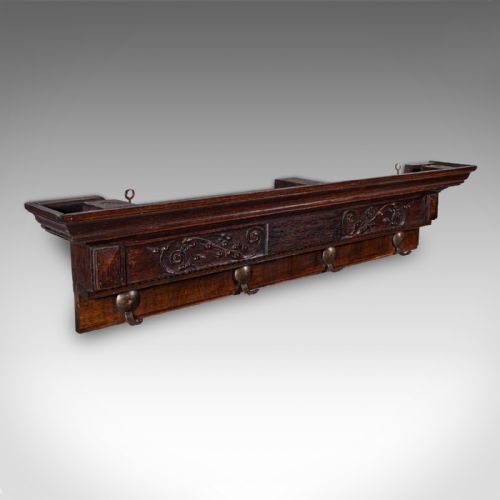
A carved oak wall shelf functions as a practical display ledge or a decorative architectural accent mounted directly to vertical surfaces. These items appear across multiple periods, with nineteenth-century examples and eighteenth-century plates racks or wall brackets occurring frequently.
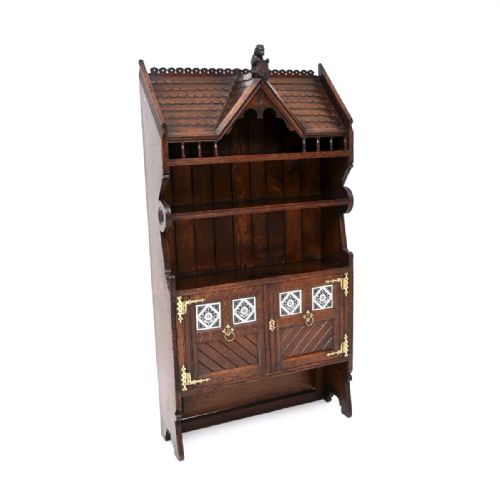
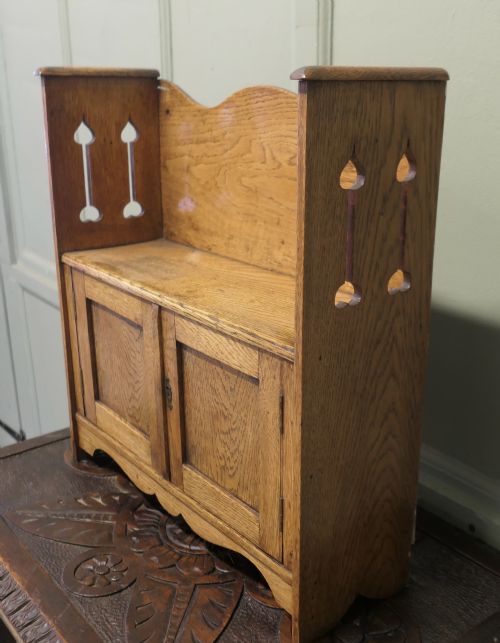
Buyers encounter various formats when searching for a carved oak wall shelf, ranging from simple bracketed ledges to complex overmantels, cabinets, and plate racks. The inventory spans styles from Georgian and Victorian Gothic Revival to Arts and Crafts and French Provincial.
Origins vary between English country workshops and continental makers, incorporating secondary materials like brass, glass, and iron alongside solid oak and stained oak timbers.
Materials and construction methods
Makers utilised solid oak, stained oak, and bleached oak as primary timber substrates, selecting boards for durability and prominent grain patterns. Secondary elements of brass, iron, and glass frequently appear in hooks, mirrors, and cabinet doors.
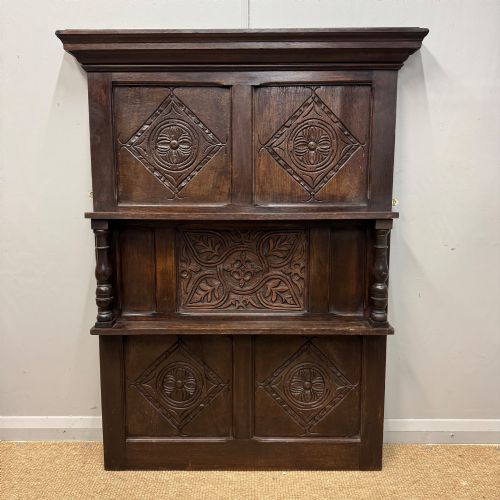
Carving techniques applied directly to the timber define the surface decoration, ranging from simple geometric borders to figurative motifs and deeply incised foliage. Joinery methods rely on traditional pegged mortise and tenon joints to secure uprights, ledges, and supporting brackets safely to walls.
Carved Oak Wall Shelf Retail Price Guide 2026
Typical asking prices for carved oak wall shelf among the pieces listed under this phrase on Sellingantiques today, from the lower quarter to the upper quarter. They describe what is for sale here now, not the wider market.
Materials documented across the inventory include solid oak, brass, iron, glass, and pine.
Distinctions in craftsmanship and preservation
Quality separates pieces through the crispness and depth of the timber carving, where hand-tooled details display superior definition compared to mechanical shaping. The integration of structural supports, such as robust brackets and sound wall fixings, determines long-term stability under weight.
The choice of timber stock and the preservation of original surfaces, patination, and finish dictate the overall standard. Superior examples maintain intact joinery without excessive timber shrinkage or unsympathetic later alterations.
John Moyr Smith·Liberty and Co
The Carved Oak Wall Shelf Glossary
- Overmantel
- A decorative structure designed to sit directly above a fireplace mantel, often incorporating mirrors, panels, or display shelves.
- Plate Rack
- A wall-mounted shelving unit specifically constructed with vertical slots or timber rails to hold plates and dishes upright.
- Wall Bracket
- A projecting architectural support fixed to a wall, functioning independently as a small shelf for ornaments or figures.
- Delft Rack
- A traditional open shelving unit designed for displaying earthenware and ceramic plates.
- Patina
- The surface sheen and colour developed on timber through age, handling, and exposure to light over many decades.
Carved Oak Wall Shelf: Frequently Asked Questions
How are carved oak wall shelves mounted?
These pieces generally utilise integrated wooden backplates, screw holes, or hanging brackets attached directly to the rear frame. Installers must anchor them securely into wall studs or use appropriate masonry fixings to bear the weight of the solid timber.
Heavier formats, such as cabinets and overmantels, require robust load-bearing hardware to ensure safe wall suspension.
What rooms suit a plate rack?
Plate racks traditionally function in kitchens and dining rooms to display ceramic tableware while keeping everyday items accessible. Their linear slots secure plates safely against the wall during use.
They also serve in hallways or living spaces to exhibit decorative pottery collections.
How do I date a carved oak shelf?
Dating relies on examining the tool marks, timber preparation methods, and stylistic indicators such as Gothic Revival tracery or Arts and Crafts linear forms. Eighteenth-century examples often display hand-sawn board marks and pegged joinery.
Victorian and Edwardian pieces frequently incorporate machine-planed elements alongside applied decorative mouldings.
Can these shelves hold heavy items?
Solid oak construction provides inherent strength, but capacity depends heavily on the size of the supporting brackets and the method of wall attachment. Lighter brackets suit small ornaments, while substantial wall shelves and cabinet structures accommodate heavier displays.
Checking the integrity of the joints ensures the piece safely supports increased weight.