



Oak Hanging Shelves
Oak hanging shelves offer practical wall storage in solid timber, combining sturdy utility with centuries of traditional cabinet making.
Oak Hanging Shelves
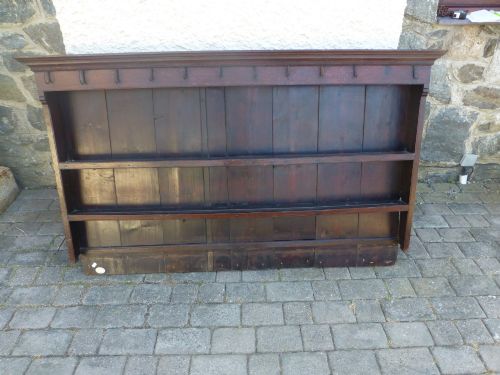
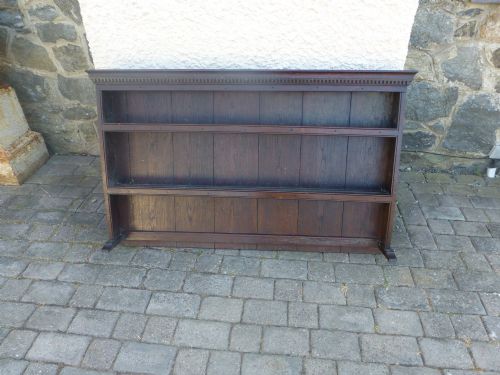
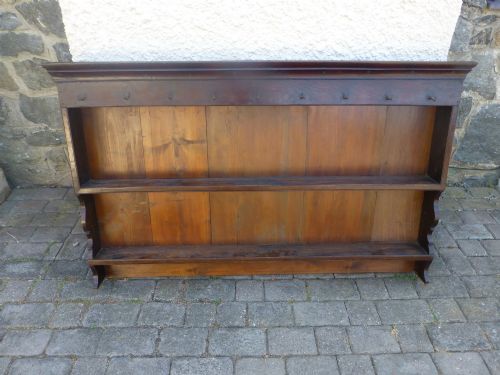
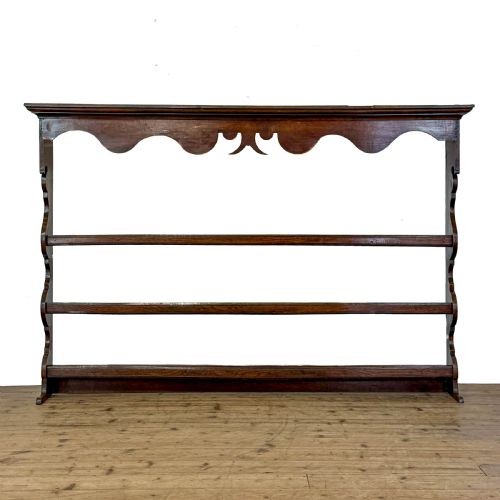
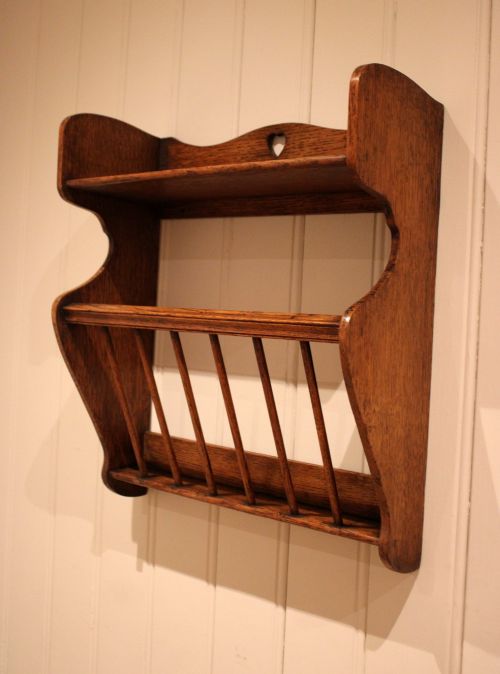
When you search for oak hanging shelves, you encounter wall mounted storage pieces spanning the eighteenth and nineteenth centuries, including Georgian and Victorian periods. The selection encompasses plain country wall shelves, plate racks, and hanging cupboards designed to save floor space while displaying ceramics or books.
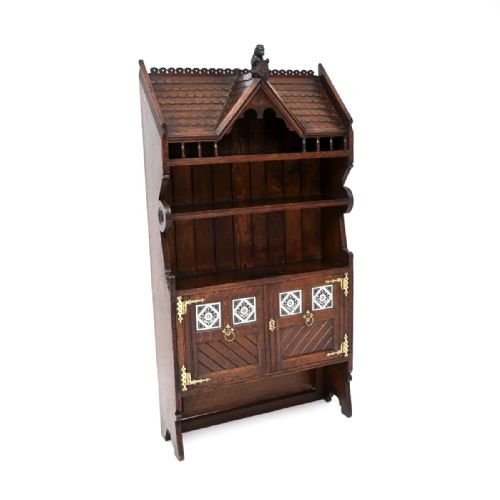
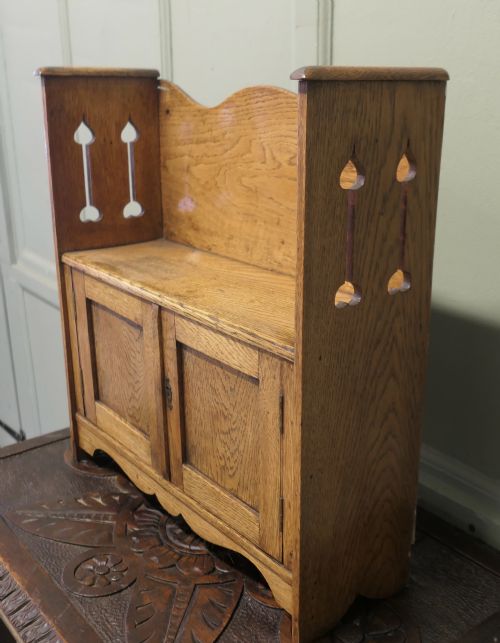
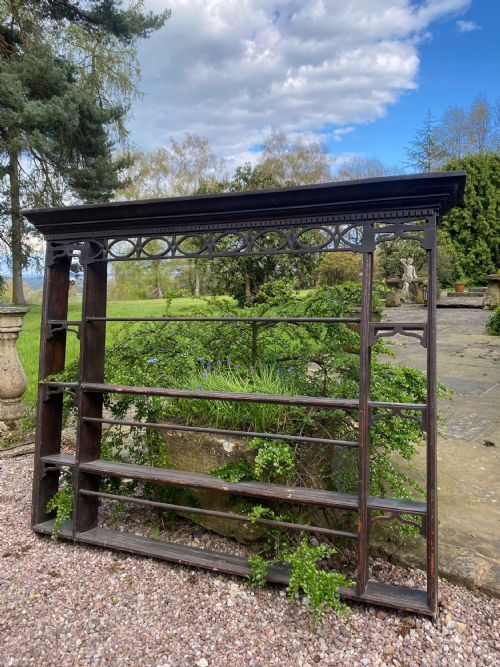
You meet simple open wall shelves alongside more ornate pieces showing Arts and Crafts, Gothic Revival, or Aesthetic Movement influences. The forms range from small two tier bookshelves to large dresser racks and corner cupboards mounted securely to timber batons or wall hooks.
How they were made
Joinery relies heavily on solid oak boards, occasionally supplemented by elm, beech, or mahogany for secondary parts. Makers utilised traditional pegged mortise and tenon joints to secure uprights to fixed shelves, ensuring weight bearing stability for heavy delft plates and volumes.
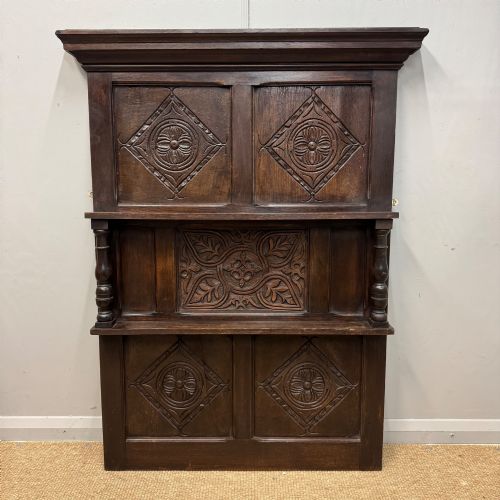
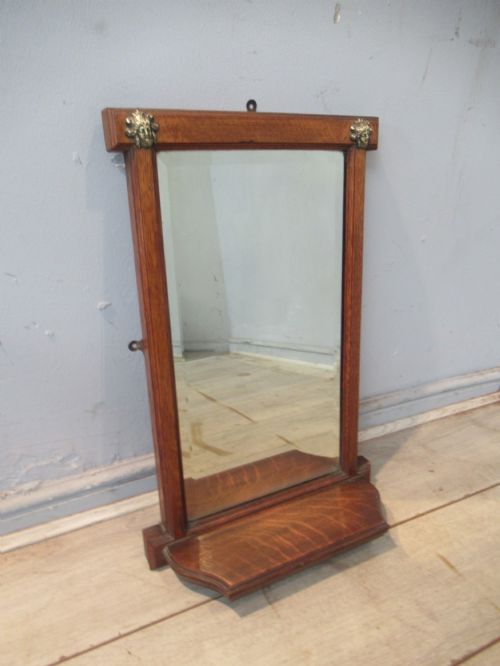
Surface finishing involves hand planing and polishing, sometimes revealing carved panels, pierced Gothic tracery, or applied brass and iron fixings. Glass panels and mirrored backs appear in later nineteenth century and Edwardian display cabinets and shaving mirrors.
Several racks survive with deep grooves still holding the phantom dust shadows of eighteenth century dinner plates.
What varies in quality
The standard of timber selection and the crispness of hand carving dictate the distinction between ordinary utility items and finer workshop pieces. Superior examples exhibit well figured grain, cleanly cut joints, and intact original hanging points without excessive modern timber replacement.
Proportion and architectural detailing also separate standard country joinery from designed pieces influenced by specific aesthetic movements. The integration of functional elements like plate grooves, magazine troughs, and stable door hinges reveals the maker's original intent and execution level.
John Moyr Smith
The Oak Hanging Shelves Glossary
- Delft rack
- A wall mounted set of shelves specifically designed with plate grooves to display ceramic plates upright.
- Gothic Revival
- A nineteenth century style utilising pointed arches, trefoils, and heavy carved tracery derived from medieval architecture.
- Arts and Crafts
- A design movement prioritising simple forms, visible construction, and honest use of natural materials.
- Aesthetic Movement
- A late nineteenth century design phase emphasising visual beauty, often featuring ebonised wood details and stylized brass hardware.
- Overmantel
- A decorative mirror or shelf assembly constructed to hang directly above a fireplace mantelpiece.
Oak Hanging Shelves: Frequently Asked Questions
How do I hang heavy oak shelves securely?
Wall mounting requires locating solid masonry or timber studs behind the plaster to bear the substantial weight of old oak and displayed items. Brass screw eyes and heavy brackets fitted to the rear frame distribute the load evenly.
Ensure that proper wall plugs or direct wood screws match the age and stability of the backboards to prevent pulling under load.
Were these shelves meant for plates or books?
Many early eighteenth century examples function primarily as delft racks featuring narrow wooden grooves cut into each shelf to hold ceramic plates at an angle. Other variations serve as general bookcases, corner cupboards, or small cloakroom cabinets.
Examine the depth and spacing between tiers to determine whether the piece suits upright display or horizontal storage.
How do I date an antique oak shelf?
Dating relies on observing construction marks, timber preparation methods, and stylistic details typical of Georgian, Victorian, or Edwardian periods. Hand sawn board edges, pegged joinery, and patinated surface wear generally point to eighteenth or early nineteenth century origin.
Later pieces often incorporate machine sawn backs, modern brass screws, or characteristic Arts and Crafts carved motifs.
Can these shelves be used in a bathroom?
Certain Edwardian and Victorian forms specifically function as wall hanging shaving mirrors or bathroom cabinets complete with small shelves and key cupboards. Solid oak handles moisture reasonably well if treated with traditional wax or oil rather than modern varnishes.
Avoid placing antique unsealed timber directly into constant steam without adequate room ventilation.