



Antique Oak Wall Unit
An antique oak wall unit turns dead corner space or empty wall areas into useful display and storage.
Antique Oak Wall Unit
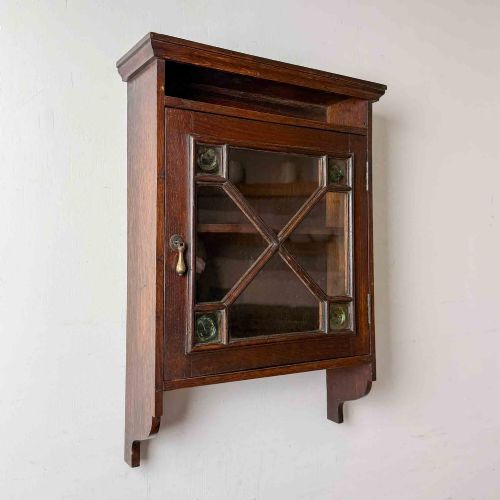
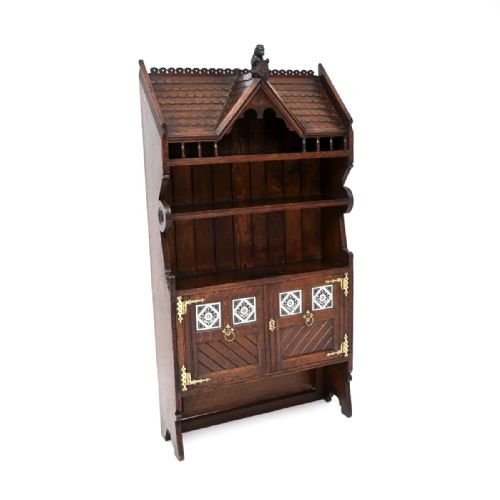
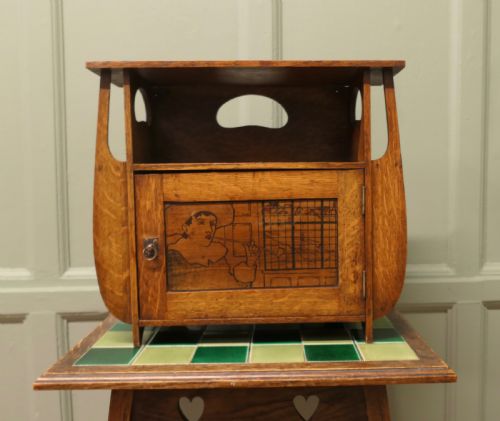
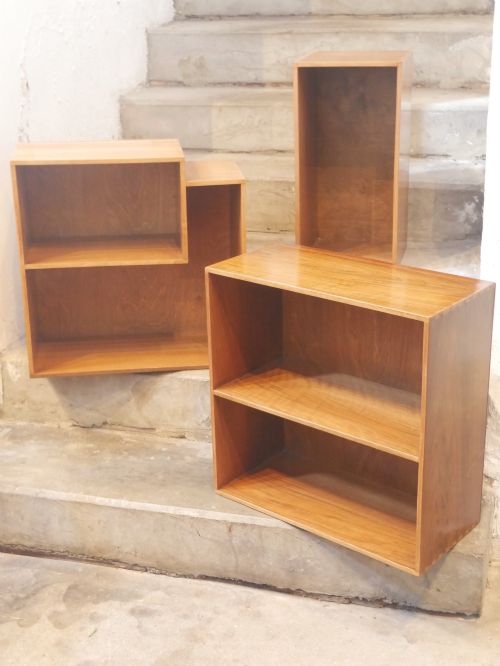
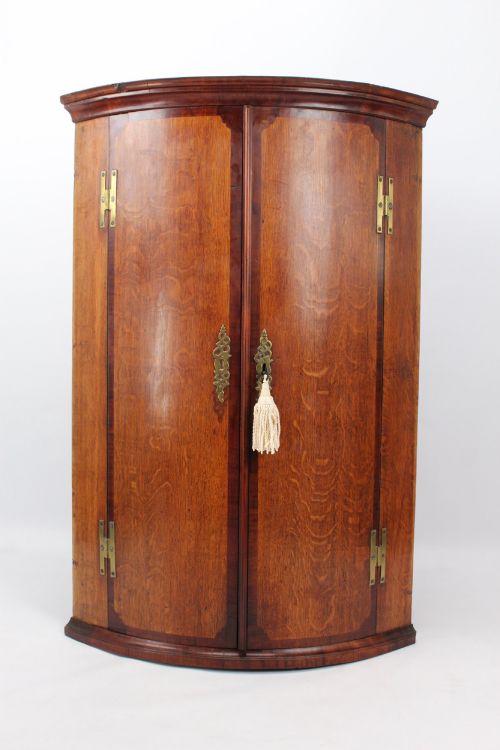
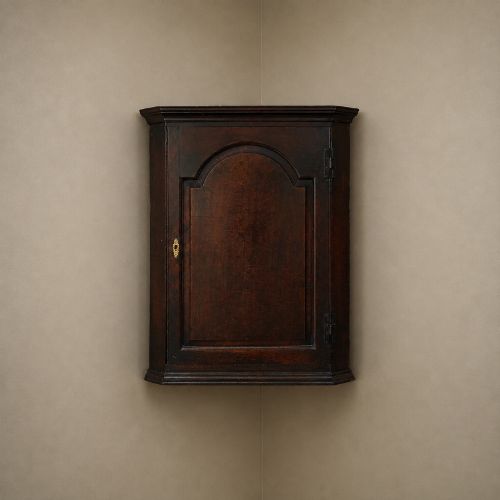
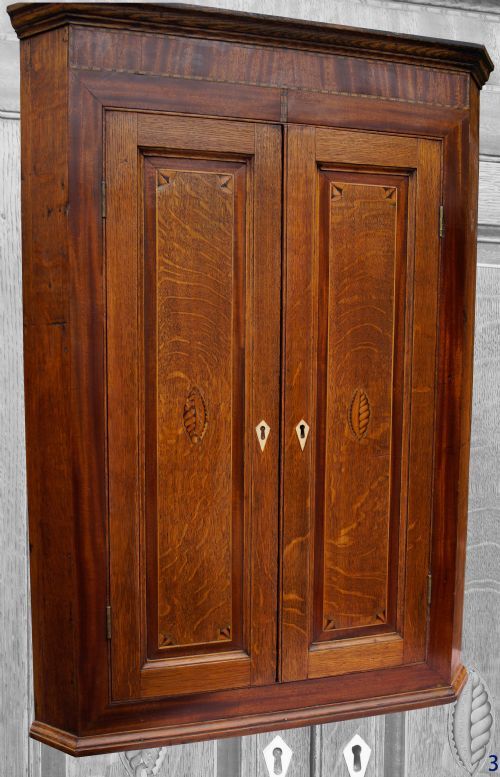
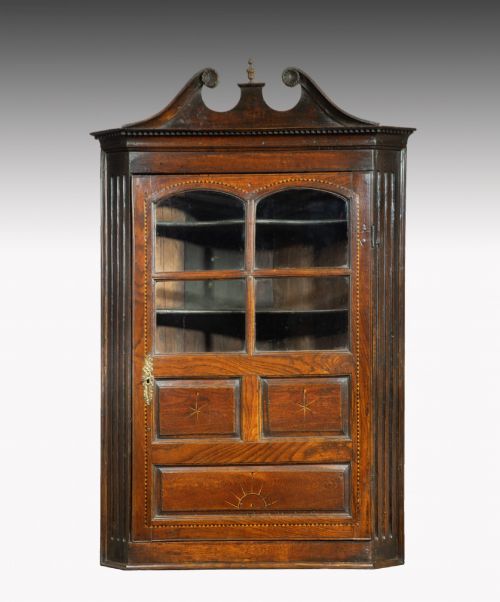
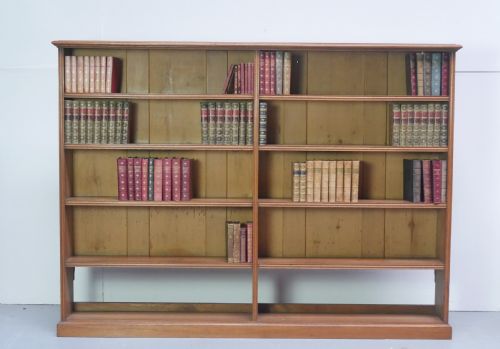
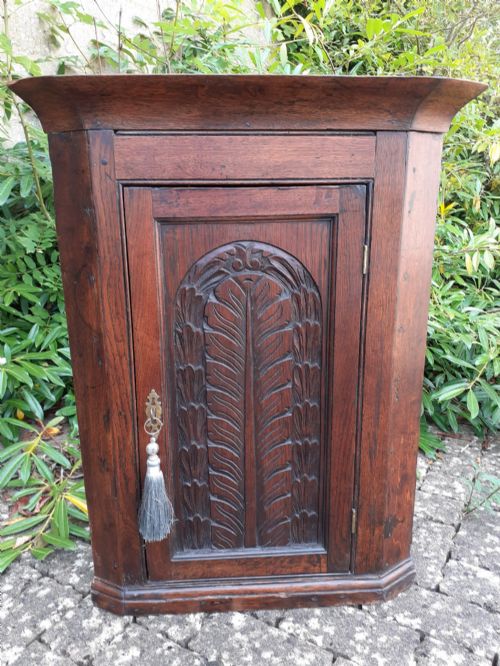
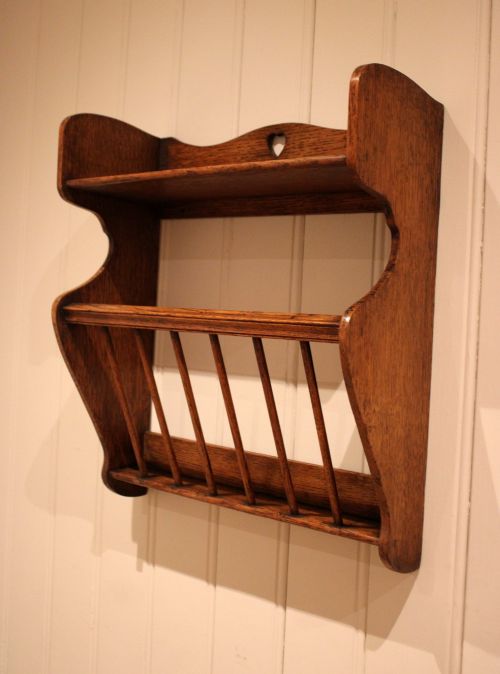
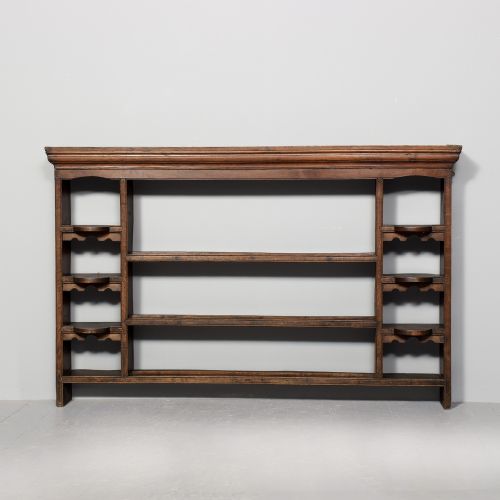
An antique oak wall unit primarily takes the form of corner cupboards, wall hanging shelves, bookcases, and plate racks designed to utilise vertical space efficiently. These pieces emerge from periods spanning the eighteenth century through to the early twentieth century, incorporating Georgian, Victorian, and Arts and Crafts design movements.
Buyers encounter numerous hanging corner cabinets alongside open wall shelves and glazed display cabinets. Regional variations include English, Welsh, and French provincial pieces that reflect local vernacular woodworking traditions.
Makers utilised solid timber construction to build robust domestic furniture intended to house china, books, and household provisions. The survival of these wall units demonstrates their enduring utility in domestic interiors.
How they were made
Craftsmen built these units predominantly from solid oak, occasionally combining secondary timbers such as pine or beech for internal shelving and backboards, alongside walnut or fruitwood accents. Metal hardware including brass hinges, key escutcheons, and iron fixings provided functional and decorative support.
Joinery methods relied on traditional peg and tenon joints, dovetail construction for drawers, and rebated joints for panelled doors. Surfaces received wax polishing, painting, or bleaching depending on the regional style and period fashion.
Listings feature oak wall units spanning the eighteenth, nineteenth, and early twentieth centuries, incorporating Georgian and Arts and Crafts styles.
What varies in quality
Quality separates through the selection of timber grain, the precision of hand-cut joinery, and the integrity of original decorative inlays or mouldings. Pieces featuring finely figured oak panels and well-balanced proportions command greater attention.
The survival of original brass hardware, working locks with operational keys, and untouched surface patination distinguish superior examples from heavily restored or altered pieces.
The Antique Oak Wall Unit Glossary
- Bow front
- A convex curved cabinet front popular in Georgian design. This curved profile softens room angles.
- Corner cupboard
- A triangular cabinet designed to fit directly into a room corner. It maximises space utilisation in smaller rooms.
- Hanging shelves
- Open or enclosed shelving units mounted directly to walls rather than resting on the floor. They often incorporate plate rails or magazine racks.
- Panelled door
- A door constructed with a floating centre panel fitted into a sturdy frame. This technique accommodates natural wood movement.
- Escutcheon
- A decorative metal plate surrounding a keyhole. It protects the surrounding wood from wear.
Antique Oak Wall Unit: Frequently Asked Questions
Where do I hang a corner cupboard?
Hang a corner cupboard securely in a room corner using appropriate wall fixings that engage with structural studs or solid masonry. Position the unit at a height that allows easy access to internal shelves while clearing existing furniture.
Ensure the wall can support the combined weight of the solid oak timber and its contents.
How do I clean antique oak?
Clean antique oak surfaces gently using a soft, dry cloth to remove dust. Apply a quality beeswax periodically to nourish the wood and maintain its protective finish.
Avoid silicone-based polishes and keep wooden wall units away from direct heat sources and excessive moisture.
Can wall shelves hold heavy books?
Wall shelves constructed from solid oak possess high structural strength capable of supporting substantial weight if properly anchored to the wall. Distribute weight evenly across the shelving boards to prevent sagging.
Verify that the mounting brackets and wall fixings match the load requirements before loading books.
How do I date an oak cabinet?
Date an oak cabinet by examining construction marks, hand-cut dovetails, tool traces, and the style of mouldings or brass hardware. Eighteenth-century pieces typically exhibit pegged joints and vernacular proportions.
Later Victorian and Arts and Crafts iterations display machine assistance or distinct revival characteristics associated with their era.