
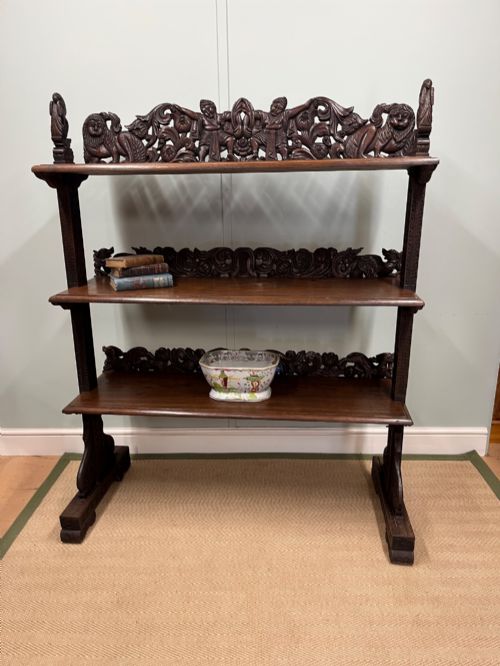
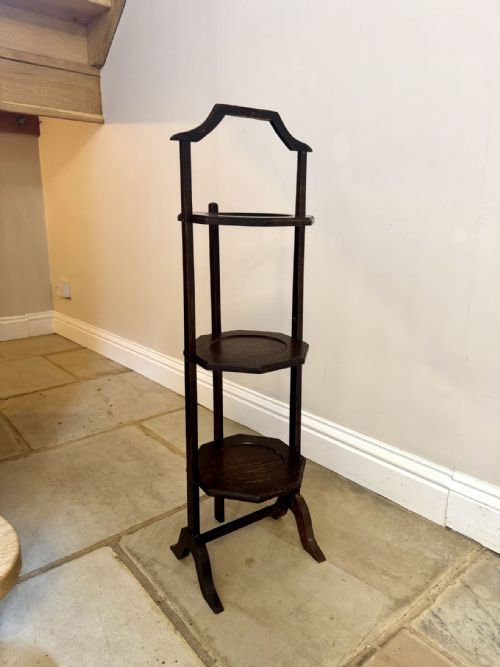


Antique Wooden Waiter
An antique wooden waiter serves as a functional serving tray or tiered stand, bringing practical heritage design into daily use.
Antique Wooden Waiter
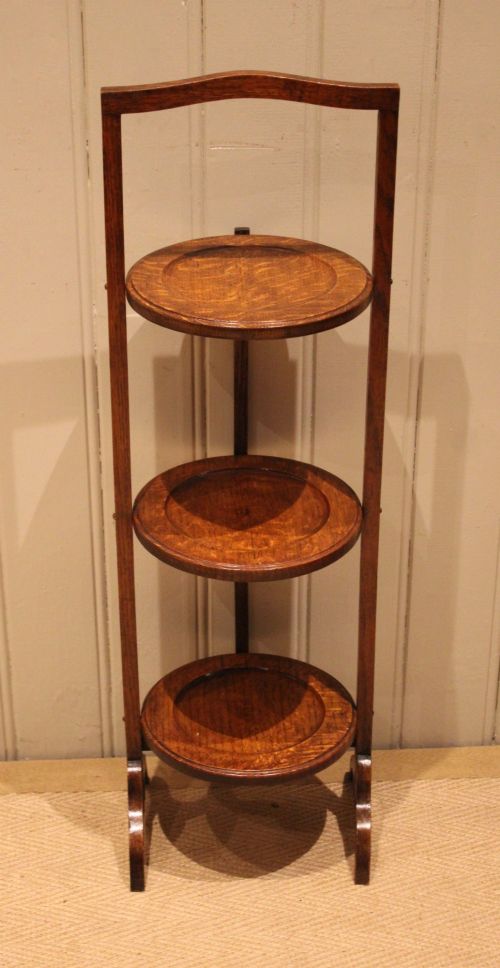
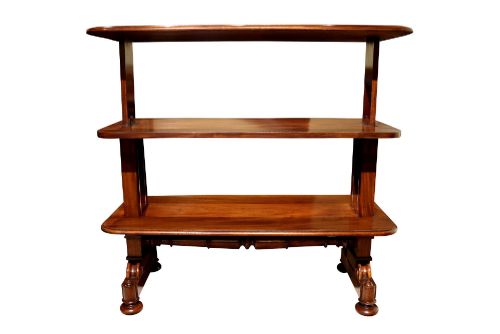
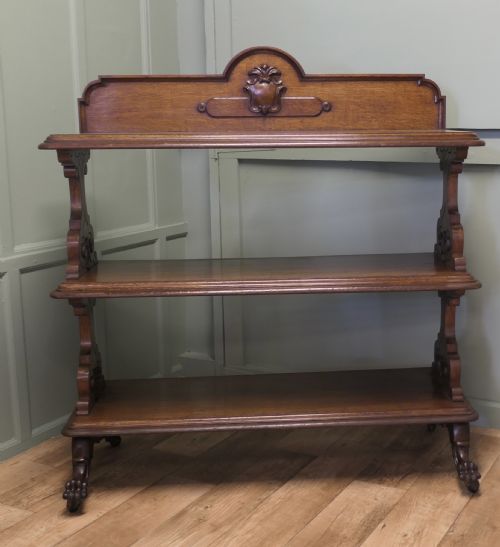
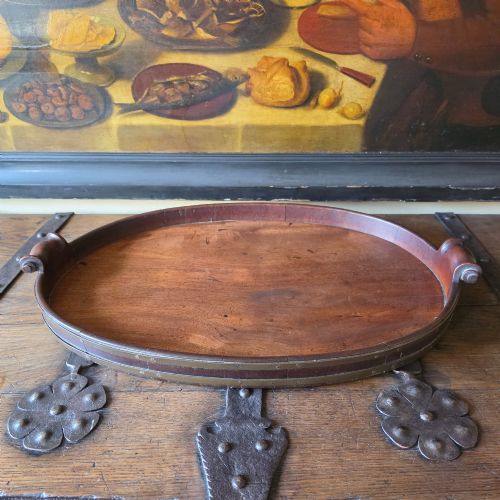
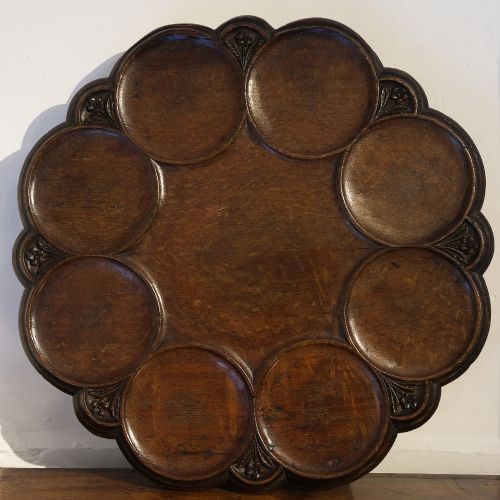
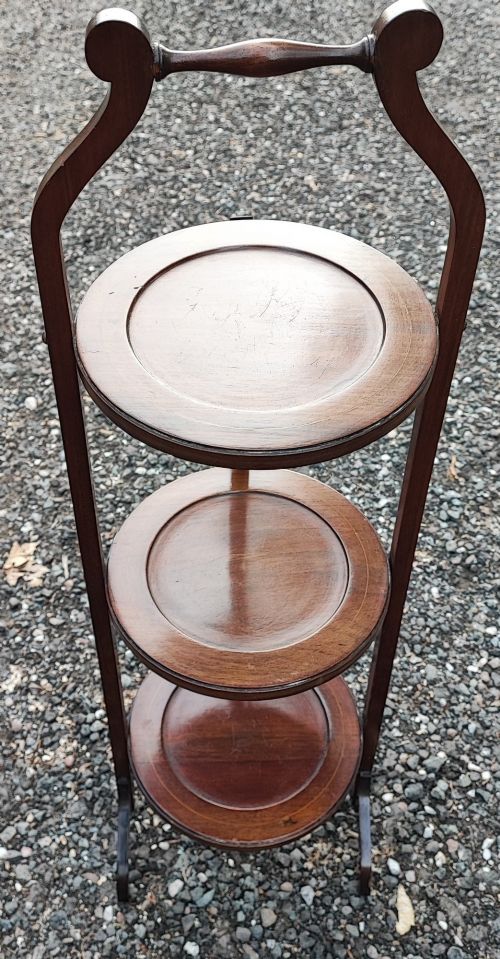
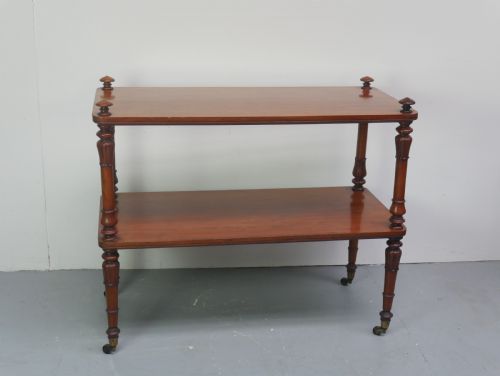
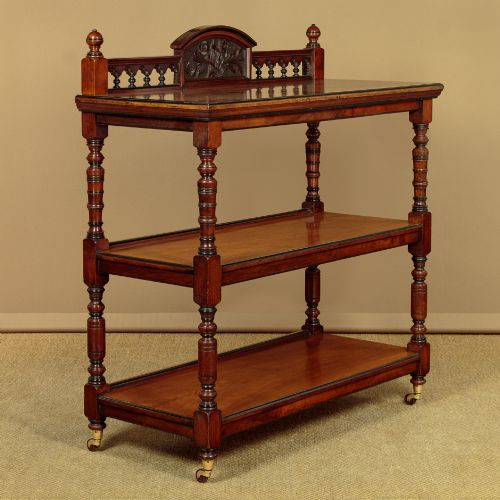
An antique wooden waiter encompasses versatile serving trays, multi-tiered dumb waiters, and revolving lazy susans designed for domestic hospitality. The selections span notable periods including Georgian, Regency, Victorian, and Edwardian eras, reflecting changing dining habits over centuries. Buyers frequently encounter tiered mahogany and oak serving pieces alongside portable card and wine trays.
The form stretches from compact serving trays to substantial multi-tiered buffets and cake stands. Mahogany and oak dominate the offerings, matched with walnut, rosewood, and exotic woods like satinwood and teak. These objects transition easily from historical dining rooms into contemporary sitting rooms and kitchens.
Materials and construction methods
Cabinet makers utilised dense hardwoods such as mahogany, oak, and walnut to ensure structural stability for heavy serving items. Grain patterns were selected carefully, often enhanced through polished finishes or contrasting inlay work using boxwood. Turning and carving techniques defined the upright supports and legs, particularly in Victorian and Edwardian examples.
Tiered assemblies and revolving mechanisms relied on precise joinery to bear weight across multiple levels without sagging. Brass castors and hinges frequently appeared on larger buffets and folding cake stands to aid mobility. Hand-carved detailing adorned the edges and columns of pieces spanning the eighteenth and nineteenth centuries.
Mahogany and oak emerge as the predominant materials across the current selection of trays, stands, and dumb waiters.
Distinguishing quality across pieces
Quality rests upon the selection of timber and the precision of the cabinet maker's joinery. Superior examples display finely figured wood grain, crisp carving, and intact original mechanisms such as smooth-revolving lazy susans or sturdy rise-and-fall actions. Lesser pieces rely on simpler construction with plain timber and minimal decorative detailing.
The integrity of the structural frame and the presence of original hardware, including brass castors and handles, dictate the standing of an item. Inlaid decoration executed with tight geometric precision separates finer Georgian and Edwardian specimens from standard utilitarian wares.
The Antique Wooden Waiter Glossary
- Dumb waiter
- A multi-tiered freestanding piece of furniture used to hold food, plates, or drinks near a dining table without requiring servant attendance.
- Lazy susan
- A revolving circular tray placed on a table or stand to allow easy sharing of dishes among diners.
- Inlay
- A technique where pieces of contrasting timber, such as boxwood or satinwood, are inserted into depressions in the base wood to form patterns.
- Rise and fall
- A mechanical mechanism allowing specific tiers of a stand or buffet to adjust in height.
- Castor
- A small wheel fitted to the legs of heavier serving furniture to enable smooth movement across floors.
Antique Wooden Waiter: Frequently Asked Questions
How do I date a wooden waiter?
Dating relies on observing the primary timber, construction methods, and decorative styles present on the piece. Georgian and Regency pieces often feature clean lines and mahogany, while Victorian and Edwardian examples tend towards heavier carving or elaborate inlay.
Hardware details like brass castors also provide clues to the manufacturing period.
Where were dumb waiters used?
Dumb waiters were traditionally used in dining rooms and drawing rooms to reduce the need for servants during meals. They held extra courses, wine bottles, and serving dishes within arm's reach of the host.
Modern interiors utilise them as display stands or convenient side tables.
Are these pieces suitable for daily use?
Most antique wooden waiters and trays remain sturdy enough for gentle daily service when treated with proper care. Solid timber construction provides natural durability across generations of use.
Owners should protect polished surfaces from excessive moisture and heat.