



Antique Wooden Urn Table
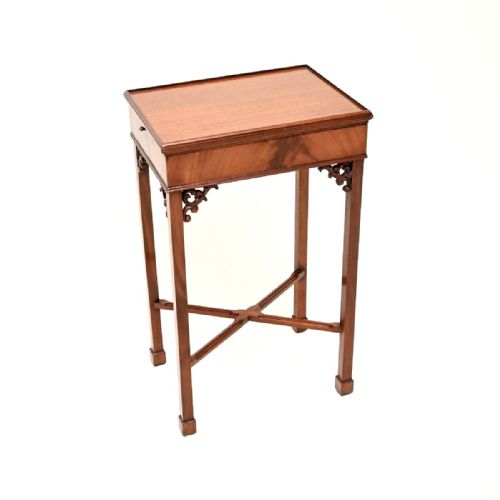
An antique wooden urn table is a slender, elevated stand designed to display decorative vessels, most frequently encountered in mahogany from the Georgian and Edwardian periods.
Antique Wooden Urn Table
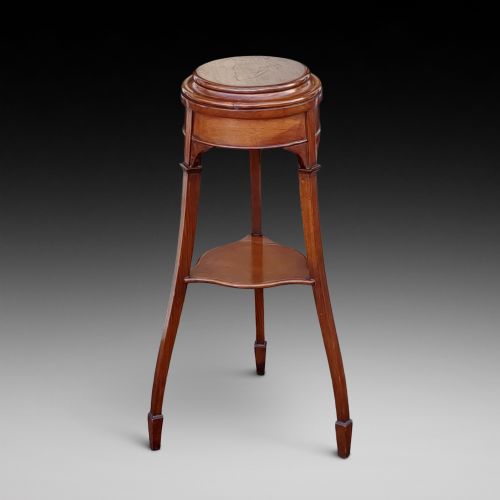
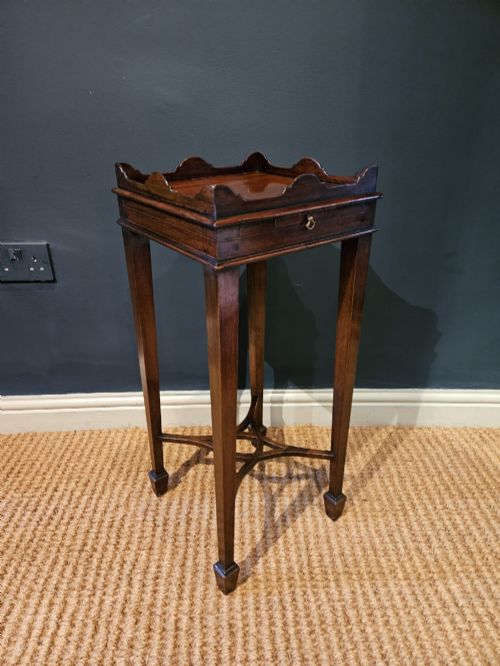
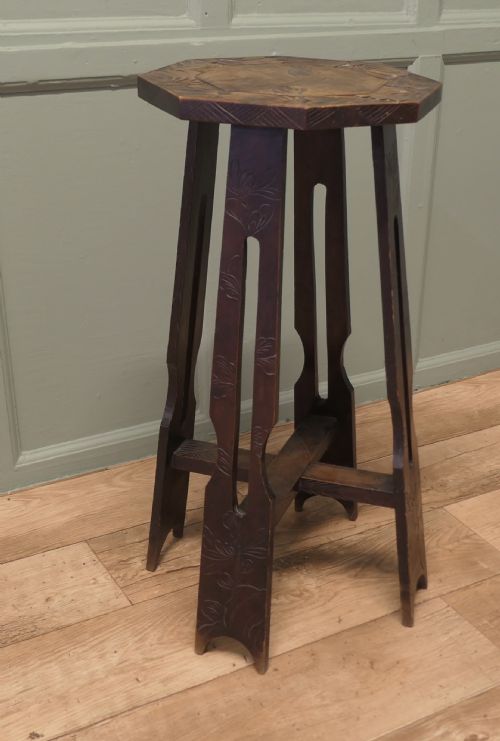
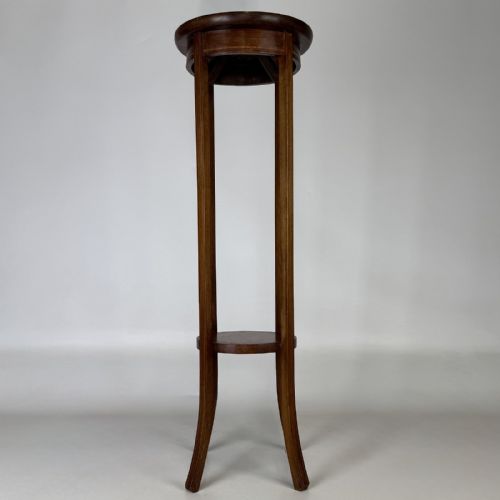
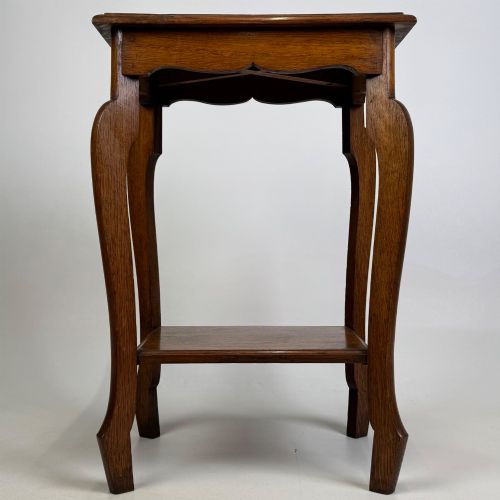
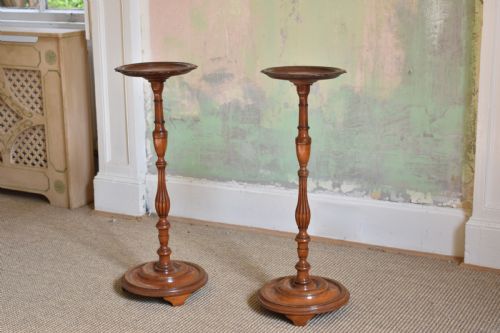
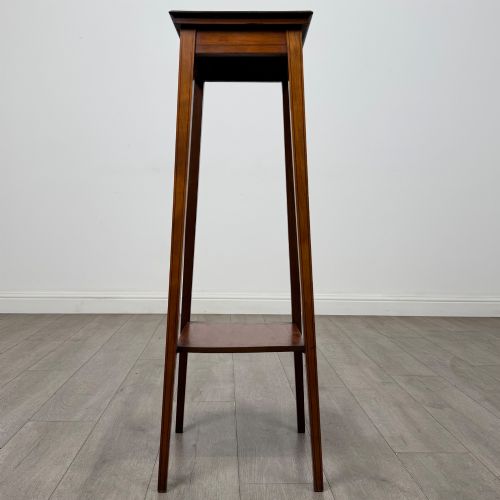
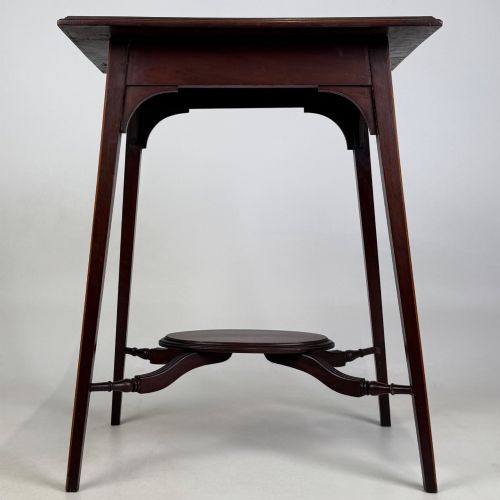
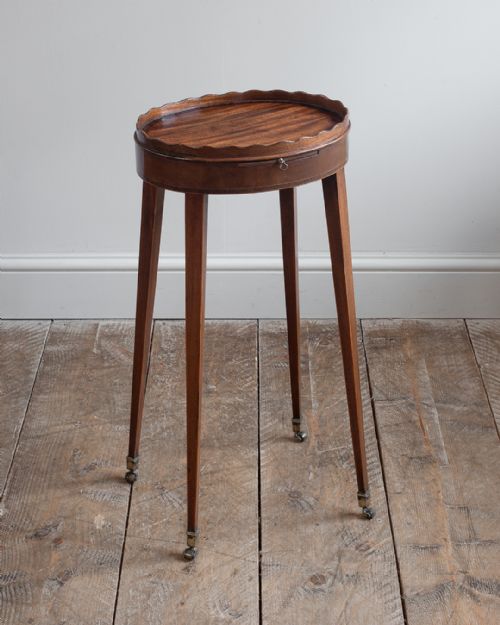
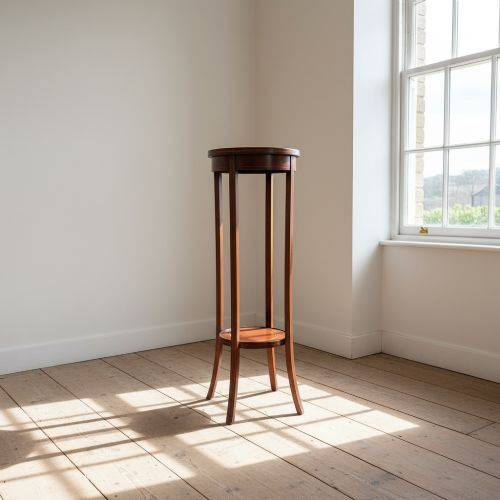
When you search for an antique wooden urn table, you are looking at specialised small tables designed to elevate tea urns, kettles, or decorative vases. The forms seen in these pieces range from delicate tripod kettle stands to taller pedestal and plant stands sharing a similar compact footprint.
The versions you are most likely to meet on this page hail from the Georgian and Edwardian periods, constructed primarily in mahogany or satinwood with occasional incursions from oak and walnut. They serve equally well today as lamp tables, plant stands, or side tables in constrained spaces.
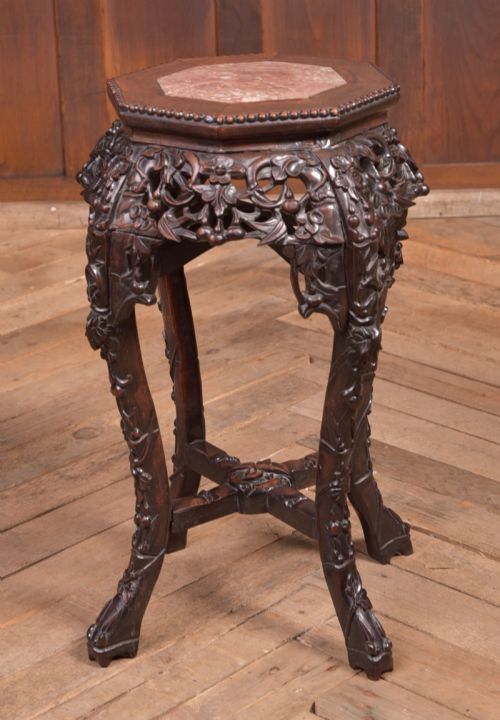
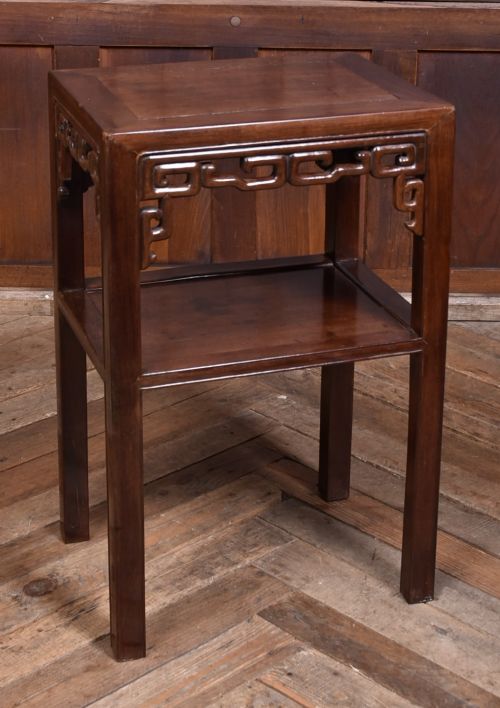
Object types frequently overlap in function, encompassing occasional tables, side tables, and specific jardiniere or candle stands. Regional variations bring in Chinese export pieces and oriental hardwood stands featuring inset marble tops.
Materials and construction methods
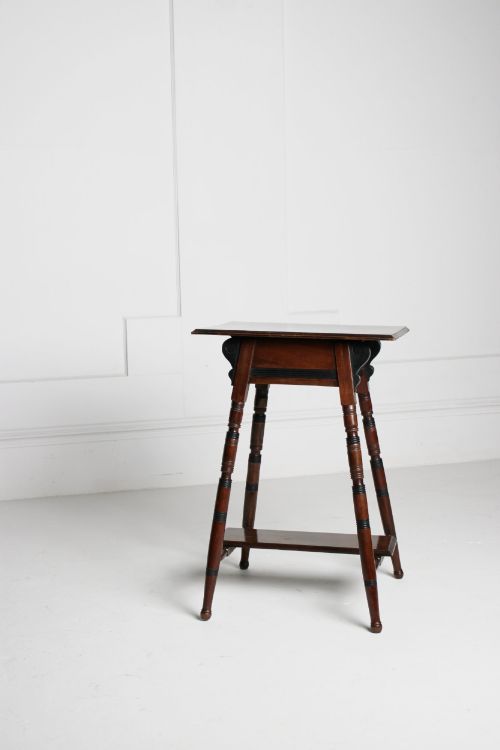
Carpenters utilised dense hardwoods such as mahogany, walnut, and satinwood, frequently employing fine timber veneers for geometric or floral inlay. Structural integrity relied upon traditional joinery, turned columns, and cabriole legs.
Surface ornamentation involved carving, ebonising, or gilding, while certain oriental and continental examples incorporated inset marble slabs to provide a durable, heat-resistant top for heavy vessels.
Makers shaped timber using hand saws and chisels, applying French polish or wax finishes that aged to a warm patina over the centuries.
Antique Wooden Urn Table Retail Price Guide 2026
Typical asking prices for wooden urn table among the pieces listed under this phrase on Sellingantiques today, from the lower quarter to the upper quarter. They describe what is for sale here now, not the wider market.
Several stands spent their youth sweating under boiling copper kettles before retiring to a life of quiet luxury holding potted ferns.
Distinctions in craftsmanship and design
Quality separates pieces by the crispness of hand-carved details, the selection of figured mahogany or finely matched satinwood veneers, and the precision of inlaid stringing. Superior examples display balanced proportions and stable, robust underframes without clumsy reinforcement.
The sophistication of the silhouette defines the upper tier, where graceful cabriole legs, fluted columns, or delicate piecrust edges reflect high-period design sensibilities rather than mass-produced revival standards.
Druce & Co London·Shoolbred
The Antique Wooden Urn Table Glossary
- Kettle stand
- A small, tall table specifically designed to hold a hot water kettle or tea urn during the eighteenth century.
- Tripod base
- A three-legged support structure commonly utilised on small occasional tables and candle stands for stability on uneven floors.
- Satinwood
- A pale, lustrous hardwood imported from the tropics, widely utilised during the Sheraton revival for inlaid decorative furniture.
- Jardiniere stand
- A tall pedestal or small table intended to support a heavy plant pot or floral display.
- Inlay
- A technique where contrasting woods, metals, or shells are fitted into recessed cavities on a timber surface to create decorative patterns.
Antique Wooden Urn Table: Frequently Asked Questions
What was an antique wooden urn table used for?
These small tables held heavy silver tea urns or kettles close to the tea table during formal entertaining in large country houses. Their elevated height kept hot vessels safely off dining surfaces and allowed servants easy access.
Today, buyers repurpose them as plant stands, lamp tables, or bedside surfaces where floor space is limited.
How do I tell Georgian from Edwardian versions?
Georgian pieces display the restrained lines, dense solid timbers, and hand-carved motifs characteristic of eighteenth-century craftsmanship. They show genuine age through timber shrinkage and hand-cut joinery.
Edwardian items, often part of the Sheraton revival, frequently feature lighter satinwood, machine-cut veneers, and delicate painted decoration.
Can these tables hold heavy lamps or plants?
Most antique wooden urn tables possess sturdy timber frames and solid legs capable of supporting moderate weights like table lamps or heavy ceramic planters. Marble-topped oriental variants are particularly suited for damp plant pots.
Care should be taken to check the stability of tripod legs and delicate joints before placing exceptionally heavy items on top.
Are marble top stands Chinese or English?
Marble top pedestals and plant stands frequently originate from nineteenth-century Chinese export workshops or later oriental production. They often employ dense hardwoods and inset geometric marble panels designed to withstand moisture.
English variants tend to rely entirely on timber surfaces, though occasional Victorian pieces adopted marble for specific wine or lamp tables.