





Antique Gallery Rim Table
These antique gallery rim table pieces combine fine timber with raised metal borders to keep precious items secure during use.
Antique Gallery Rim Table
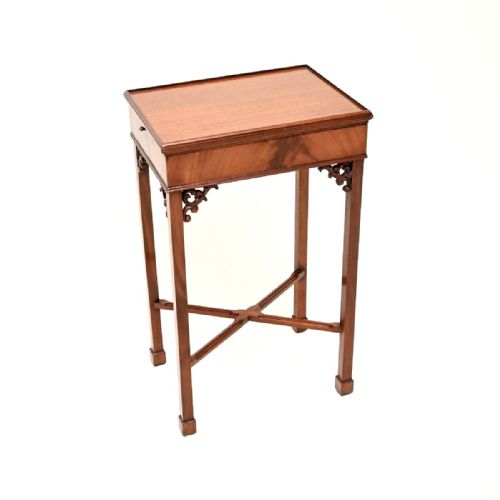
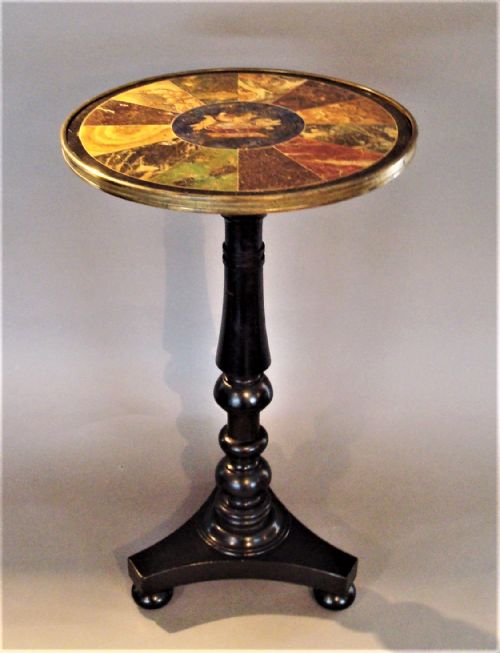
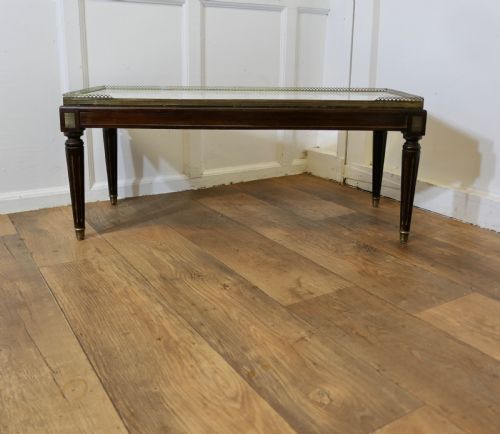
An antique gallery rim table serves as a versatile display surface, appearing on this page across occasional tables, side tables, and kettle stands. These designs range from Georgian mahogany examples to French Louis XVI lamp tables from the nineteen twenties.
Buyers encounter diverse forms including two tier dumb waiters, étagères, and low coffee tables. The defining characteristic is the raised rim enclosing the tabletop, historically designed to prevent precious vessels from sliding off during service.
Origins stretch from eighteenth century workshops through nineteenth century Victorian eras into the interwar period. Walnut, mahogany, and rosewood form the structural core of these refined items.
Materials and construction methods
Cabinetmakers utilised dense hardwoods such as mahogany and walnut for the primary frames, often incorporating marquetry decoration to enhance visual depth. Ebonised wood and rosewood also appear across the nineteenth century pieces.
Antique Gallery Rim Table Retail Price Guide 2026
Typical asking prices for gallery rim table among the pieces listed under this phrase on Sellingantiques today, from the lower quarter to the upper quarter. They describe what is for sale here now, not the wider market.
Early tea drinkers clearly possessed clumsy hands, as those tiny brass galleries were designed strictly to keep expensive porcelain from smashing onto the carpet.
Judging the standard of workmanship
Quality rests in the precision of the joinery and the integration of the metal gallery rim with the timber top. Superior examples demonstrate seamless attachment without visible distortion along the curved perimeters.
The selection of timber grain on the surface veneers dictates the visual hierarchy of these pieces. Richly figured mahogany and detailed marquetry elevate a standard occasional table into a more distinguished example.
The Antique Gallery Rim Table Glossary
- Gallery rim
- A raised metal or wooden border fitted around the edge of a tabletop. This feature stops items from rolling off the surface during use.
- Marquetry
- The art of applying pieces of veneer to a structure to form decorative patterns. This technique frequently graces French étagères and side tables.
- Kettle stand
- A small occasional table designed to hold a hot water vessel near the tea service. These pieces typically feature elevated rims for safety.
- Dumb waiter
- A multi tiered serving table used to hold dishes without requiring constant servant attendance. Georgian versions often utilise stacked circular tiers.
- Ebonised wood
- Timber treated to resemble ebony through staining or painting. This dark finish appears frequently on nineteenth century furnishings.
Antique Gallery Rim Table: Frequently Asked Questions
What is a gallery rim table used for?
These tables function primarily as decorative stands for lamps, tea services, or display items in living spaces. The raised border ensures that delicate objects remain securely contained on the surface.
Historically, smaller versions served as kettle stands or bedside tables where secure placement was paramount. Today, they suit placement beside seating or in hallways as accent furniture.
How do I identify a Georgian gallery table?
Georgian pieces generally exhibit solid mahogany construction with understated classical proportions and precise cabinetmaking. The brass gallery is usually fitted directly into the solid timber top rather than a veneered base.
Examining the underside and drawer construction reveals hand cut joints typical of the eighteenth century. Makers of this era prioritised structural restraint over excessive ornamentation.
What maintenance do these wooden tables require?
Protect the timber surfaces from direct sunlight and excessive moisture to prevent warping or fading of the veneer. Regular dusting with a soft cloth maintains the natural lustre of the polish.
Avoid placing damp items directly onto the antique wood, and polish the brass gallery gently with a dry cloth when needed. Proper indoor humidity levels preserve both the metal and the hardwood.
How do French styles differ from English ones?
French pieces from periods like Louis XVI or the Empire style often feature marquetry, gilt mounts, and walnut or exotic veneers. These designs emphasise decorative flourish and lighter architectural silhouettes.
English equivalents from the Georgian or Victorian eras typically rely on plain mahogany with simpler structural lines. The decorative focus remains on timber grain rather than applied surface ornament.