

Antique Wooden Trough
An antique wooden trough brings honest utility and warmth to a room, holding books, logs or plants with quiet character.
Antique Wooden Trough
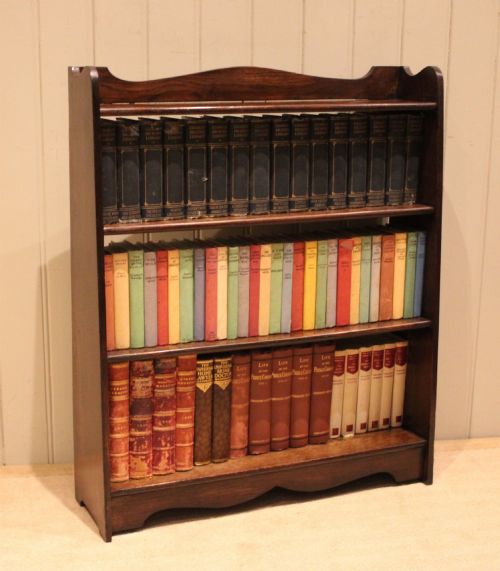
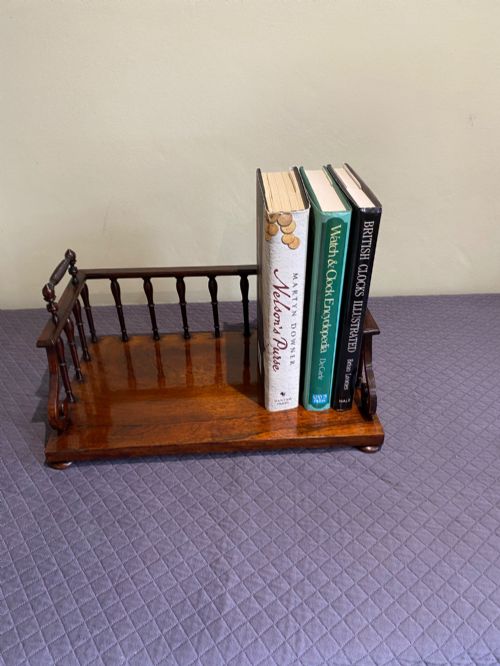
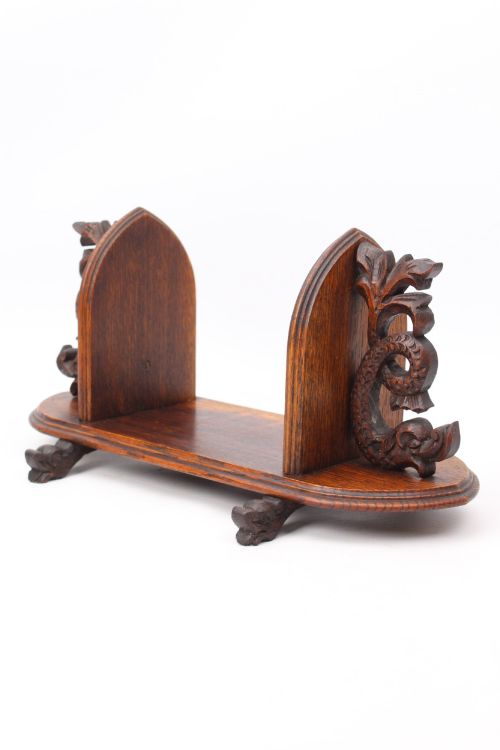
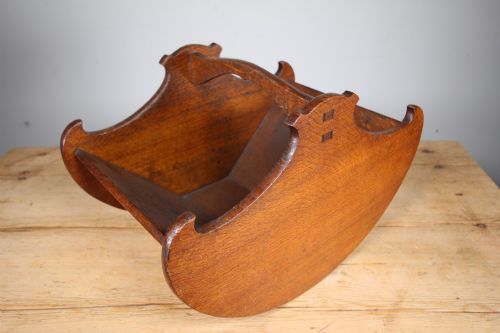
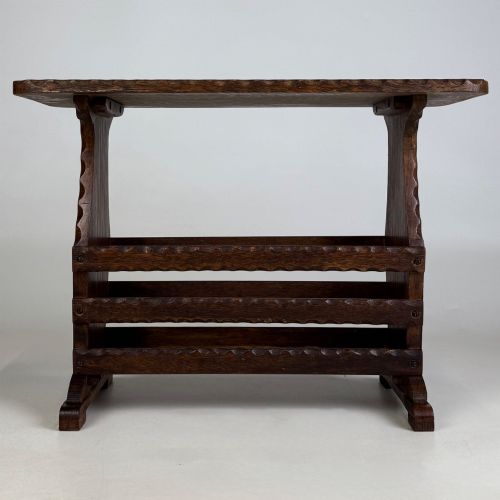
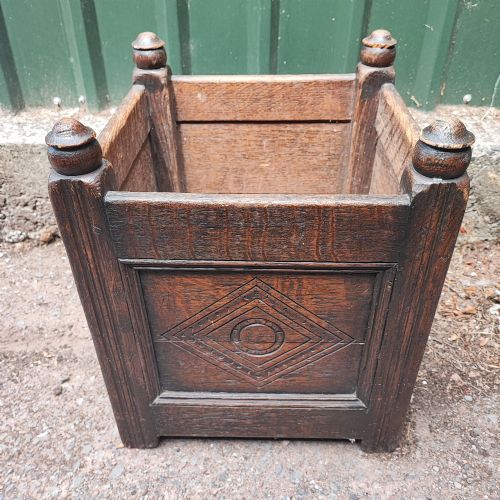
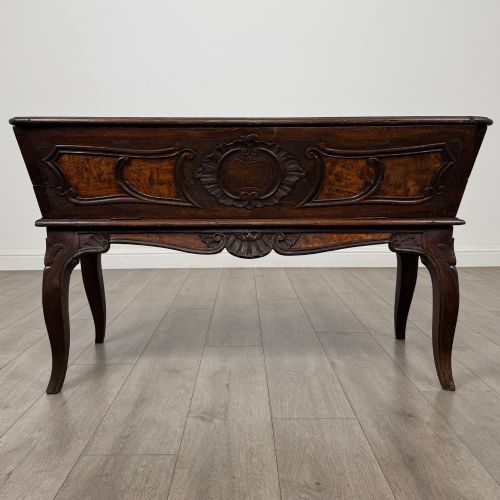
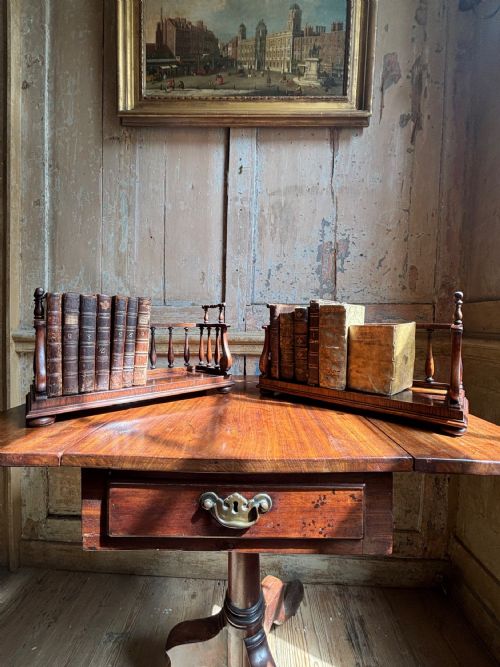
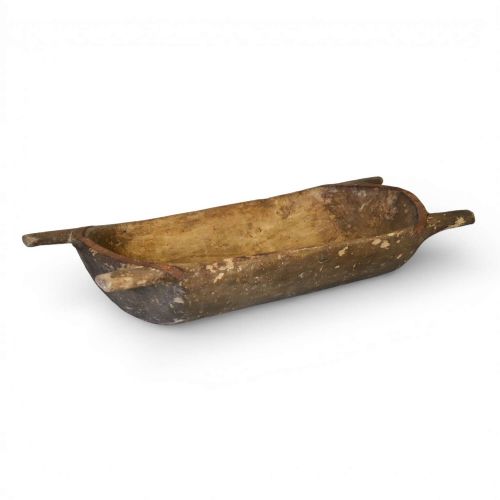
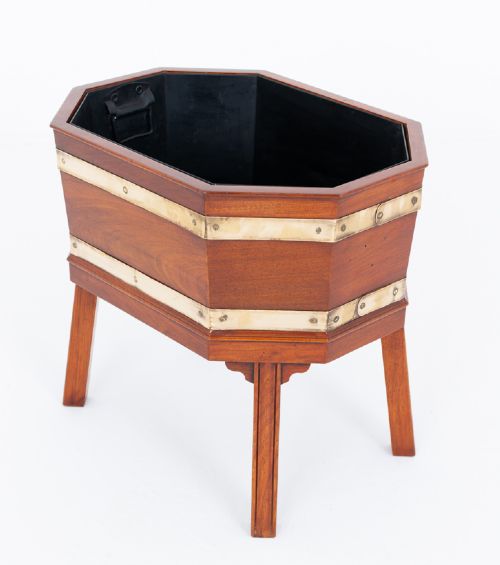
When you search for an antique wooden trough, you encounter a varied selection of utilitarian vessels, book stands, dough bins and planters shaped from timber over past centuries. These pieces originate from domestic, agricultural and library settings, ranging from simple pine dough bins to refined mahogany book slides and walnut jardinières.
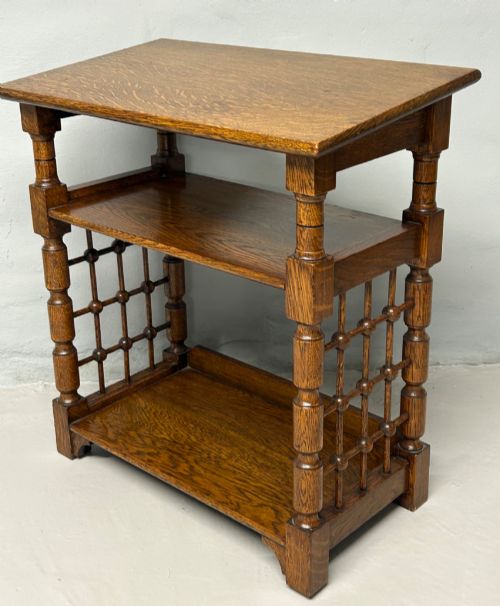
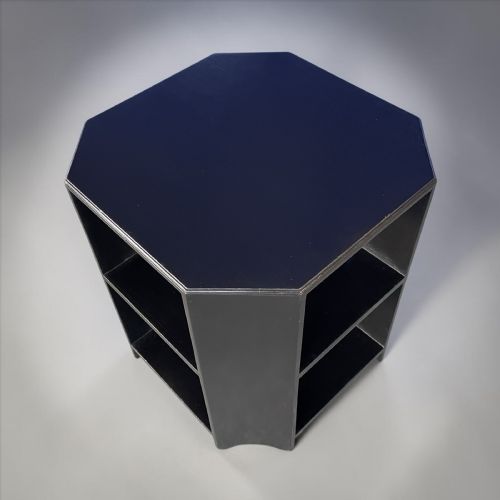
The selection on this page demonstrates the wide functional scope of early woodwork, encompassing compact desktop book troughs alongside larger floor-standing log boxes and wine coolers. Common formats include extending book slides with brass mounts, rustic country kneading bowls and compartmentalised magazine racks from the Victorian and Edwardian eras.
How they were made
Cabinetmakers and rural artisans utilised dense hardwoods such as mahogany, oak, walnut and rosewood, often selecting veneers like flame mahogany and burr walnut to add visual depth. Constructive methods relied on solid joinery, dovetailed corners and coopered staves bound with metal or brass.
Decorative enhancements range from simple carved details and inlay to ormolu mounts, ebonising and Tunbridge Ware mosaic decoration. Surfaces frequently display a rich natural patina achieved through decades of handling and wax polishing.
Antique Wooden Trough Retail Price Guide 2026
Typical asking prices for wooden trough among the pieces listed under this phrase on Sellingantiques today, from the lower quarter to the upper quarter. They describe what is for sale here now, not the wider market.
Listings feature items spanning the seventeenth century through to the 1930s, constructed in oak, mahogany, walnut, pine and exotic woods.
What varies in quality
The distinction between ordinary and exceptional pieces rests upon timber selection, secondary wood choice and the crispness of any carved or applied ornament. Superior examples retain their original moving mechanisms, such as smooth extending book slide actions and intact brass or bronze mounts.
Proportion and structural integrity dictate value, with pieces showing thoughtful grain alignment and uncompromised joinery standing above utilitarian replacements. Original surface finishes untouched by modern sanding preserve the historical character that collectors prioritise.
Arthur Simpson·Gillows
The Antique Wooden Trough Glossary
- Book slide
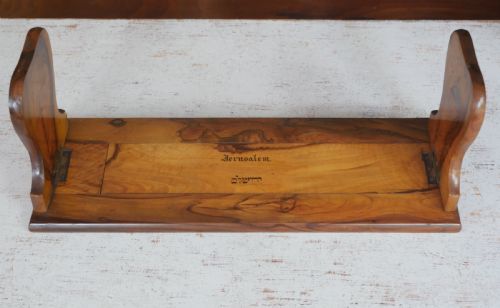
- A desktop rack featuring expanding or pivoting sections designed to hold a small row of volumes upright. These often incorporate brass hinges and sliding mechanisms.
- Dough bin
- A deep wooden container with a lid, historically used in farmhouses for proving bread dough. They frequently double as low cupboards or tables.
- Jardiniere
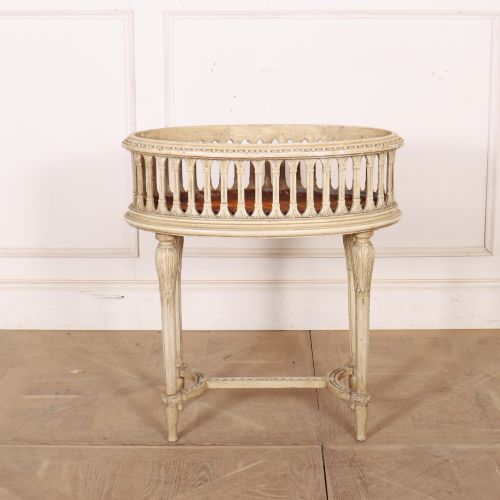
- An ornamental container designed to hold a plant or floral arrangement. These are frequently lined with metal or zinc to protect the surrounding timber.
- Coopered
- Constructed from vertical wooden staves fitted together and bound with metal hoops, a technique borrowed from barrel-making. This method suited liquid-holding vessels and heavy buckets.
- Cheese coaster
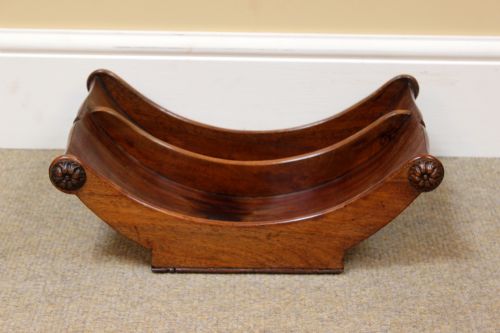
- A small trolley or stand on small wheels designed to hold a wedge of cheese on the dining table. They typically feature shaped wooden sides and a boat-like profile.
Antique Wooden Trough: Frequently Asked Questions
What were antique wooden troughs used for originally?
These wooden vessels served varied practical purposes in the home, dairy, kitchen and library. Many held bread dough, logs, wine bottles, cheeses or daily reading materials.
Over time, utility items migrated to decorative roles, transforming from workspace essentials into refined interior furnishings.
How do I care for antique wooden troughs?
Maintain timber pieces by keeping them away from direct heat sources and sudden temperature shifts. Regular application of a traditional beeswax feed preserves the finish and nourishes the grain.
Avoid excessive moisture on unlined surfaces, particularly when using planters or flower troughs.
How can I tell the period of a wooden trough?
Dating relies on timber species, construction methods, tool marks and prevailing design styles. Georgian and Regency items often display dense mahogany and crisp classical lines, while Victorian examples introduce walnut, brass mounts and more eclectic ornamentation.
Edwardian and later pieces frequently utilise simpler oak construction influenced by Arts and Crafts ideals.
Are these troughs suitable for modern homes?
Their practical shapes make them exceptionally versatile for contemporary living spaces. Compact book troughs sit neatly on desks, while larger bins provide stylish storage for magazines, throws or firewood.