




Rustic Oak Tub
These rustic oak tub pieces bring heavy timber grain and time-worn metal bands directly into a room, offering robust country character for daily use.
Rustic Oak Tub
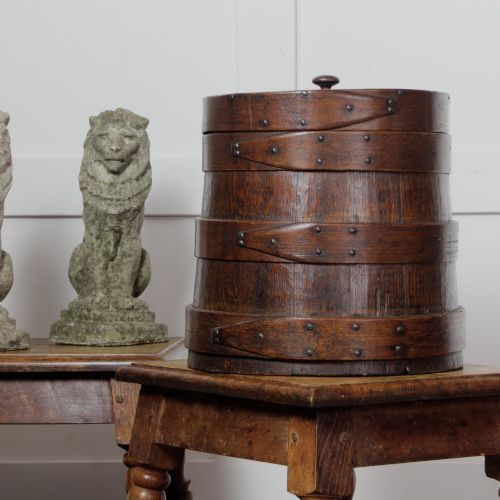
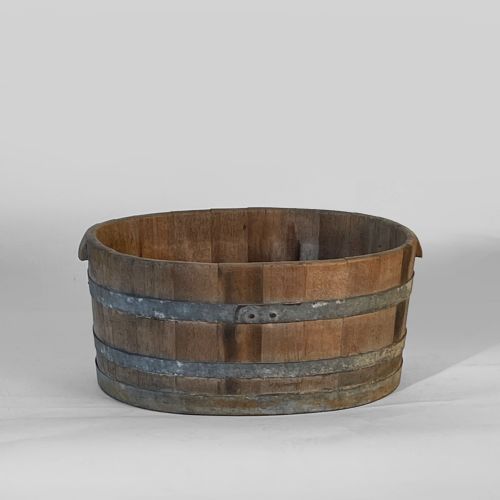
A rustic oak tub encompasses heavy utilitarian containers, coopered vessels, and related country furniture found across the Georgian, Victorian, and nineteenth-century periods. These items range from flour bins, well buckets, and oyster buckets to butter tubs, log bins, and stick stands.
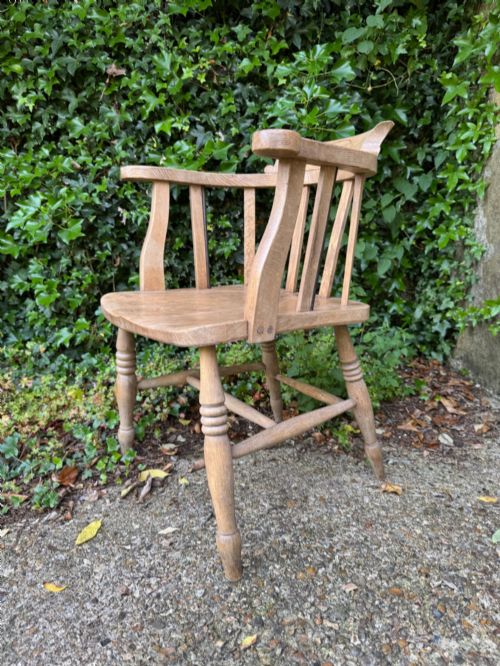
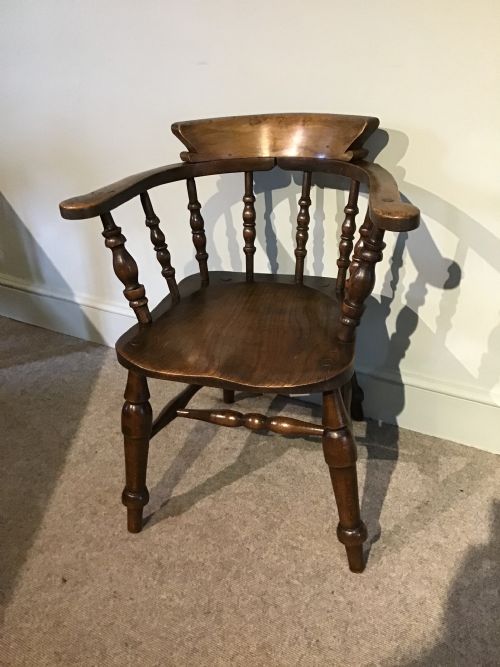
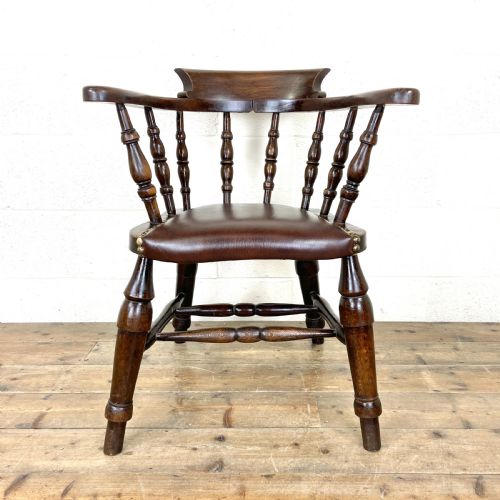
The versions most likely to be met on this page are coopered vessels held together by iron or wrought iron bands, alongside sturdy oak armchairs like smokers' bows. Their forms reflect domestic, agricultural, and maritime utility from an era when wood and metal dominated household storage.
Originating largely from English country workshops, these pieces show the practical hand of the rural craftsman. They bridge the gap between heavy storage vessels and functional seating, making them versatile additions to traditional and eclectic interiors.
How they were made
Makers constructed these vessels using solid oak staves shaped by hand and bound tightly with iron, wrought iron, or brass bands. This coopered technique ensured the wood held firm against dry storage or moisture.
Complementary materials like elm, beech, and leather appear alongside the primary oak timber, particularly in the construction of country armchairs and fitted lids. Simple metal handles and fastenings completed the functional design of buckets and bins.
Rustic Oak Tub Retail Price Guide 2026
Typical asking prices for rustic oak tub among the pieces listed under this phrase on Sellingantiques today, from the lower quarter to the upper quarter. They describe what is for sale here now, not the wider market.
One unusual treen container in the selection likely spent its working life quietly collecting wine dregs in a bygone tavern.
What varies in quality
The integrity of the original cooperage and the tightness of the stave joints separate superior examples from lesser items. A well-preserved vessel retains its original metal bands and structural strength without excessive timber shrinkage.
Patina and surface wear play a major role in distinguishing a better piece, where decades of handling have softened the oak grain and darkened the metalwork naturally.
The Rustic Oak Tub Glossary
- Coopered
- Made by a cooper using curved wooden staves fitted together and bound with metal hoops. This technique created watertight vessels such as buckets and washing tubs.
- Treen
- Small handmade wooden domestic objects and utensils. Items in this category include small containers and decorative vessels.
- Smoker's bow
- A low-backed wooden armchair with a turned spindle gallery, popular in country pubs and farmhouses during the nineteenth century. These chairs often featured sturdy elm seats and bentwood arms.
- Stave
- One of the narrow vertical strips of wood that form the sides of a barrel, tub, or bucket. Staves are shaped precisely to fit tightly together under tension from metal bands.
Rustic Oak Tub: Frequently Asked Questions
What were rustic oak tubs used for originally?
These vessels served heavy domestic and agricultural purposes, holding flour, grain, water, or washing.
Over time, many found alternative uses as fireside log stores, umbrella stands, or garden planters.
How do I care for antique oak furniture and tubs?
Keep the wood away from direct heat sources and sudden temperature changes to prevent the oak staves from splitting.
An occasional application of natural wax helps nourish the dry timber and preserves the historic surface.
Are these pieces waterproof for plants?
Most antique coopered tubs were not designed to hold water permanently in modern interiors, as the dry atmosphere causes wood to shrink.
Using a modern plastic liner inside the tub protects the historic timber if you use it as a planter.
How can I tell a Georgian tub from a Victorian one?
Georgian pieces often display heavier hand- forged ironwork and deeper, darker patination accumulated over a longer lifespan.
Victorian examples frequently show slightly more standardised mechanical fastenings and lighter timber tones.