
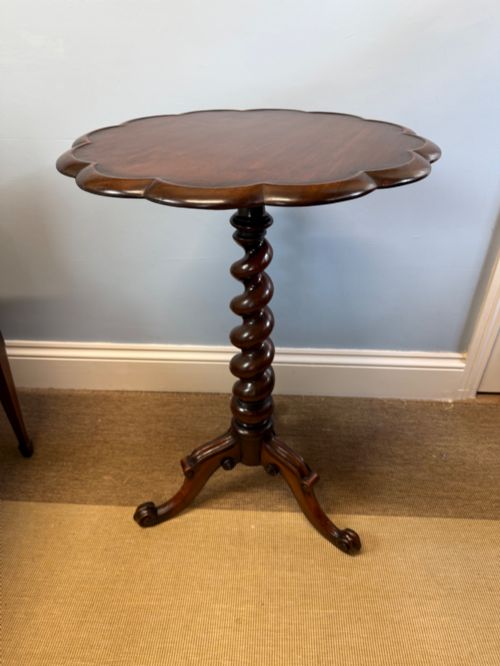
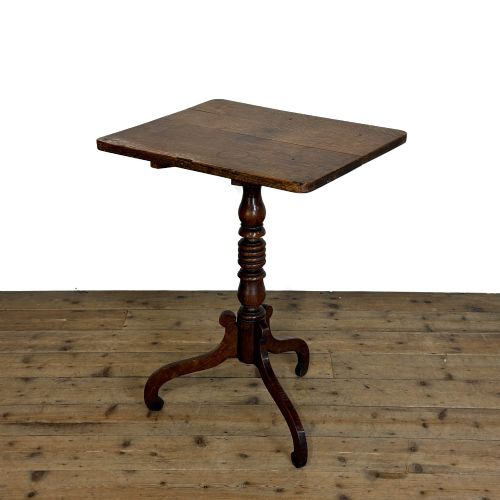
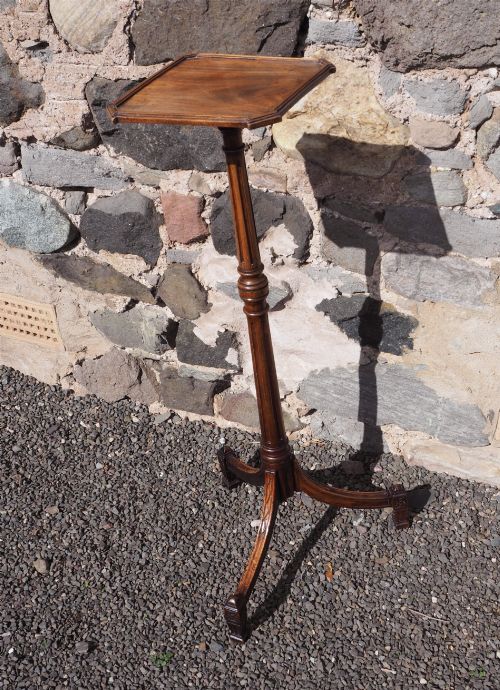
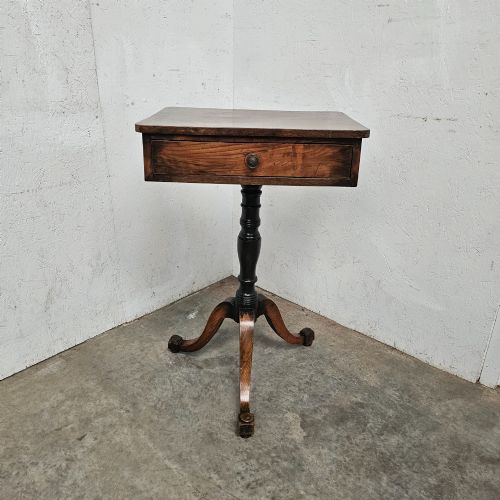
Antique Wooden Tripod Pedestal
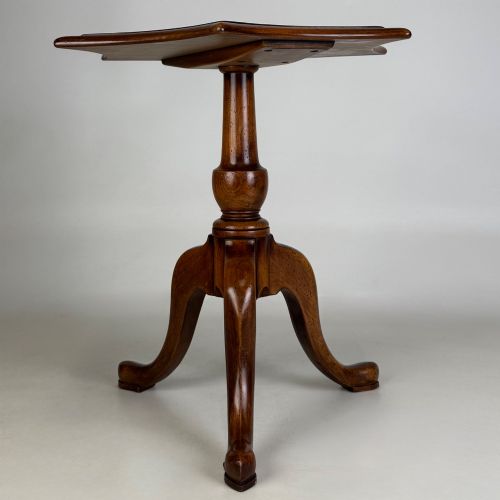
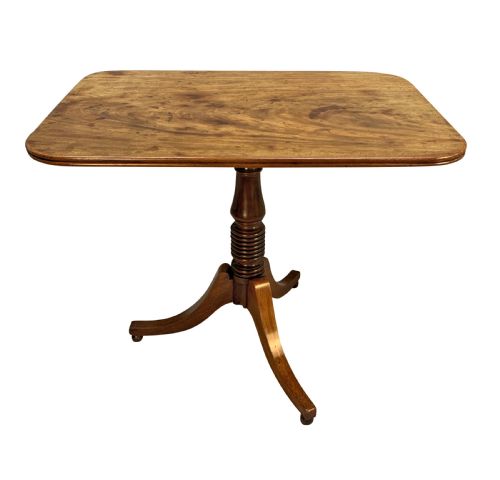
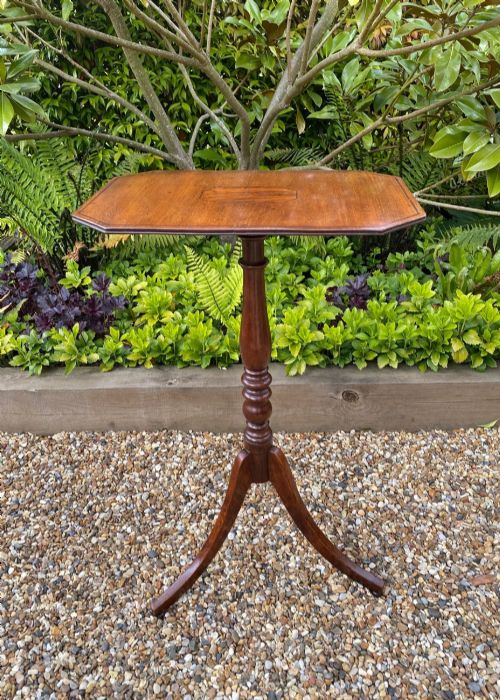
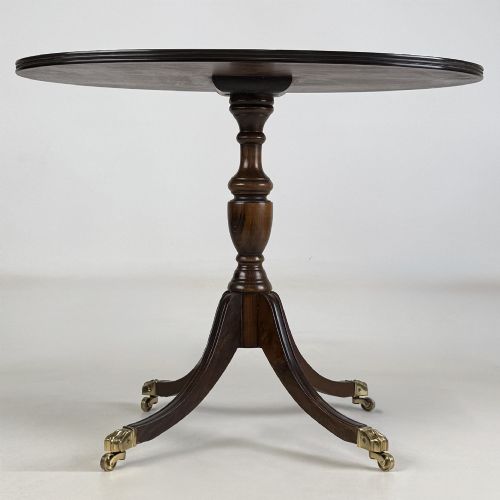
An antique wooden tripod pedestal brings clever engineering and warmth to a room, offering a sturdy central column that supports intimate surfaces.
Antique Wooden Tripod Pedestal
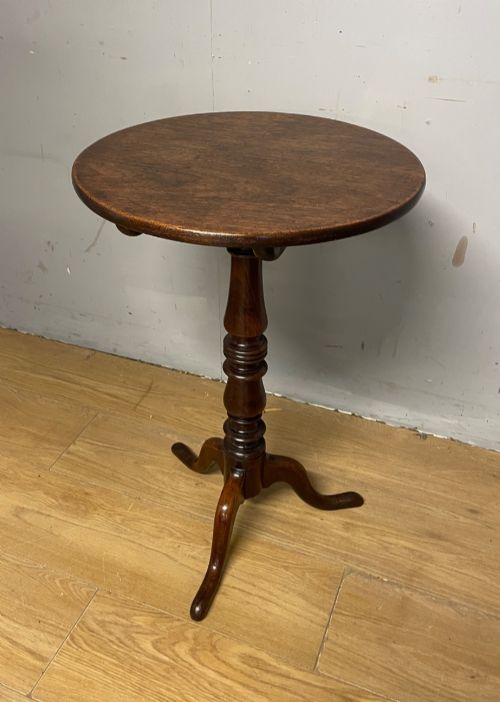
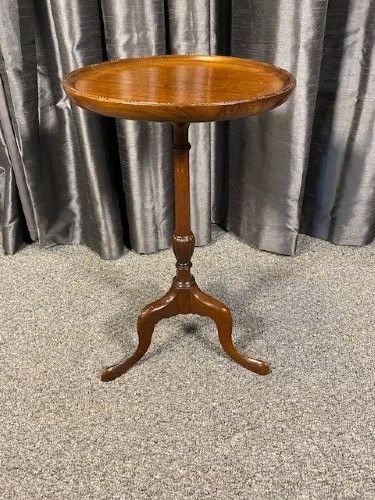
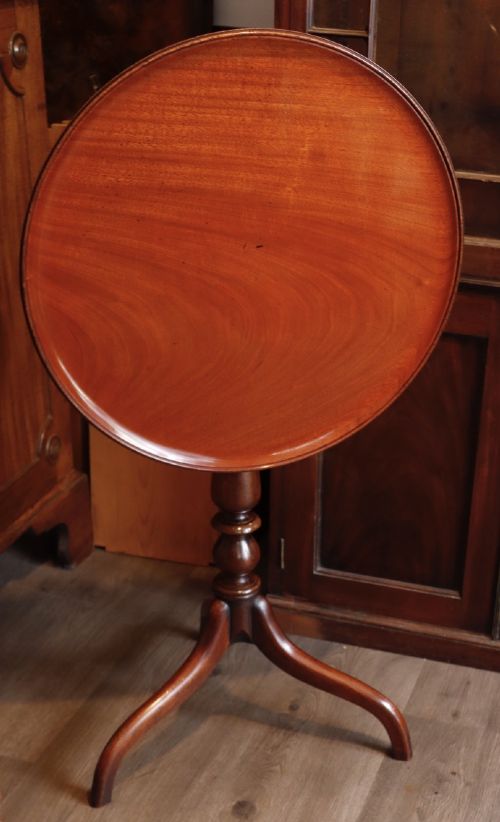
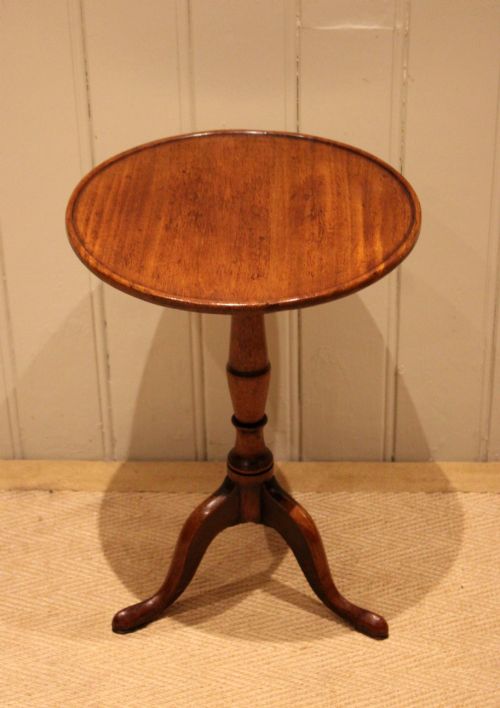
An antique wooden tripod pedestal takes many forms across domestic spaces, serving as wine tables, candle stands, occasional pieces, plant stands, and torcheres. When searching for an antique wooden tripod pedestal, buyers frequently encounter mahogany and oak examples spanning the Georgian, Victorian, and Edwardian periods.
These items were built to be moved easily around a parlour or drawing room as needs shifted during the evening. Form follows function closely, with tilting tops, adjustable heights, and fixed circular or rectangular surfaces dominating the domestic repertoire.
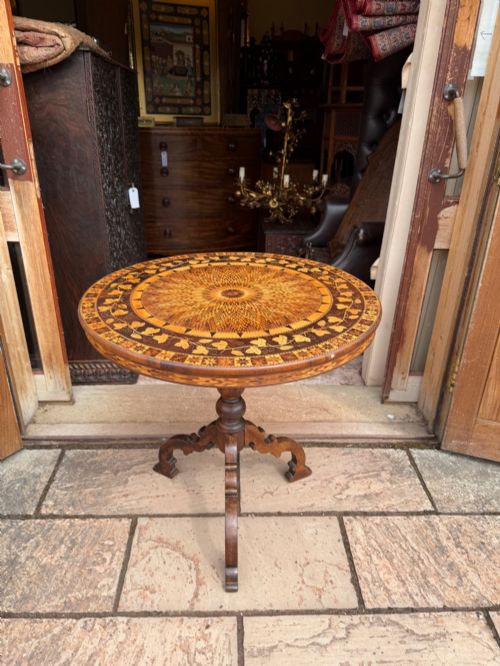
Origins stretch from British workshops to continental Europe and beyond, including Swedish painted pieces, Italian inlaid examples, and Anglo-Indian work. The presence of fruitwood, walnut, rosewood, and beech adds variety to the core mahogany and oak pieces.
Materials and construction methods
Cabinetmakers utilised dense timbers like mahogany, walnut, oak, and rosewood for their stability and capacity to take fine carving or turning on the central pillar. Softer fruitwoods, pine, and beech appeared in provincial French and regional British pieces, sometimes finished with paint, lacquer, or intricate inlay.
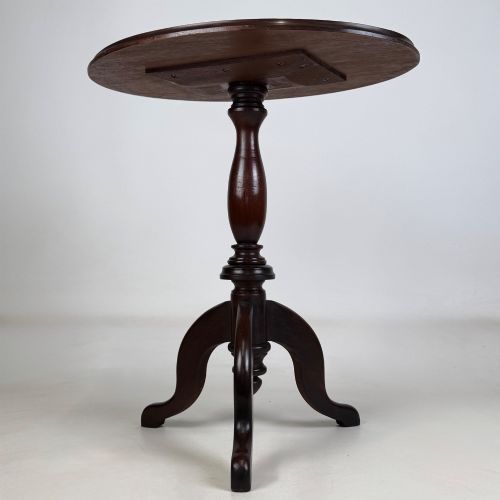
The characteristic three-legged base required precise joinery to ensure the table stood level without rocking on uneven floors. Tilting mechanisms relied on clever wooden catches or brass components that allowed the top to fold flat against the stem when not in use.
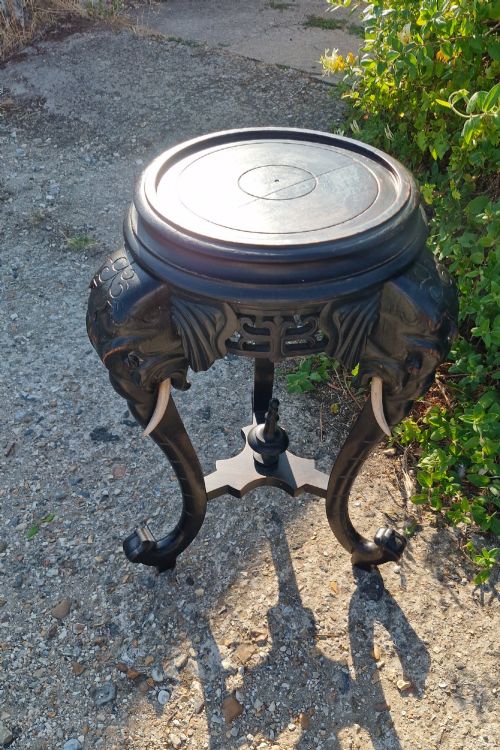
One late Victorian piece includes painted wooden tusks as part of its unusual elephant-themed design.
Judging the standard of execution
Quality shows in the proportion between the top, the turned pillar, and the spread of the tripod legs. A well-balanced piece feels planted and secure, whereas lesser examples can appear top-heavy or awkward in their stance.
The crispness of the timber turning and the subtlety of any inlay or carved details reveal the hand of a more accomplished maker. Finer surfaces display careful grain selection, particularly in burr walnut or figured mahogany, rather than uniform factory veneers.
The Antique Wooden Tripod Pedestal Glossary
- Tilt-top
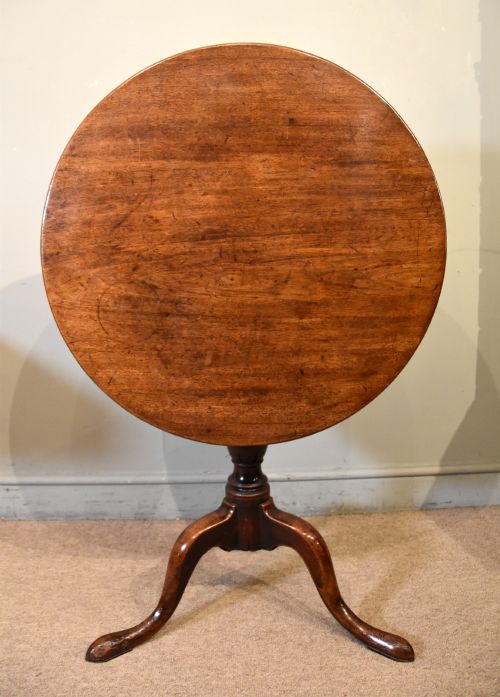
- A mechanism allowing the tabletop to pivot into a vertical position for storage against a wall. This feature was especially common on Georgian and 19th-century wine tables.
- Torchere
- A tall, slender stand designed to hold a light or a decorative plant. These pieces often feature highly turned columns and elevated platforms.
- Tripod base
- A support structure utilising three splayed legs attached to a central shaft. This configuration ensures the furniture remains stable on uneven domestic flooring.
- Inlay
- A decorative technique where contrasting woods, brass, or satinwood are fitted into the primary surface. It appears frequently on occasional and chess tables from the 19th century.
- Jardiniere
- A decorative stand or receptacle intended to hold plants or flowers. Edwardian versions frequently used mahogany to elevate greenery in reception rooms.
Antique Wooden Tripod Pedestal: Frequently Asked Questions
What were these tables originally used for?
These small tables served practical purposes in the home, holding wine glasses, candles, or books near seating areas. Their portability meant servants could reposition them easily depending on the evening's activities.
Tall stands functioned specifically to display plants, lamps, or sculptural ornaments in drawing rooms and hallways.
How do I spot a tilt top mechanism?
Look underneath the tabletop for a wooden catch or a brass spring mechanism fitted to the block connecting the top to the pillar. When released, the surface pivots ninety degrees to stand flat.
Many Georgian and Victorian examples utilised this space-saving design so tables could line the perimeter of a room when not in active use.
Are these tables stable on carpets?
A well-designed three-legged base naturally finds three points of contact on any surface, preventing the wobble common in four-legged furniture on thick rugs. The spread of the legs relative to the top determines how securely the piece stands.
Heavier timber bases provide better anchoring for taller plant stands and torcheres carrying weighty items.
How do I date a pedestal table?
Dating relies on observing timber choices, turning styles, and construction methods characteristic of different periods like Georgian, Victorian, or Edwardian. Earlier 18th-century pieces often feature simpler, heavier oak or mahogany timbers with hand-carved details.
Later 19th-century interpretations frequently incorporate exotic veneers, elaborate inlays, or painted finishes influenced by revival styles.