



Antique Wooden Teapoy
An antique wooden teapoy is a dedicated tea-storage caddy on a stand, offering refined period character and practical surface space.
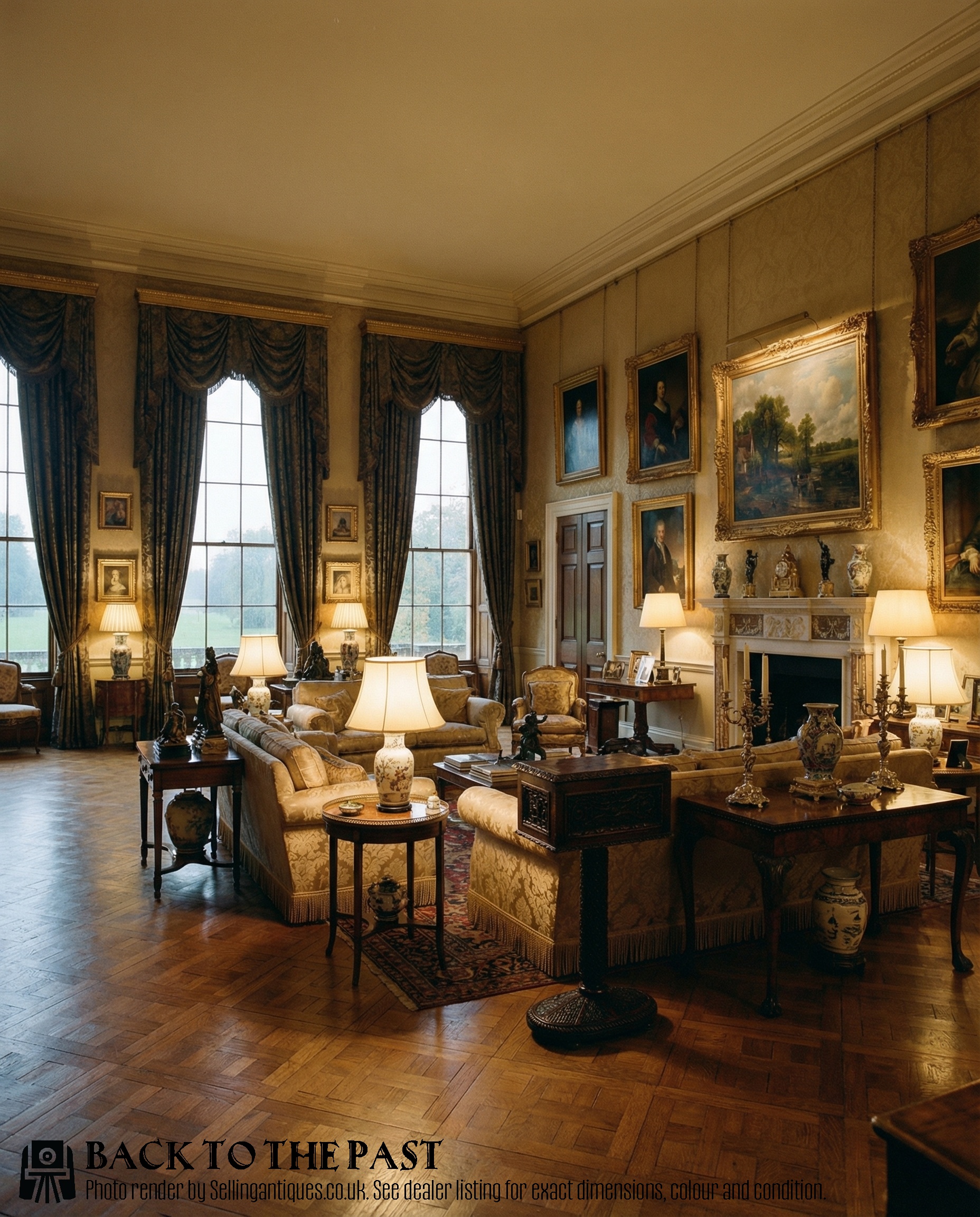
Antique Wooden Teapoy
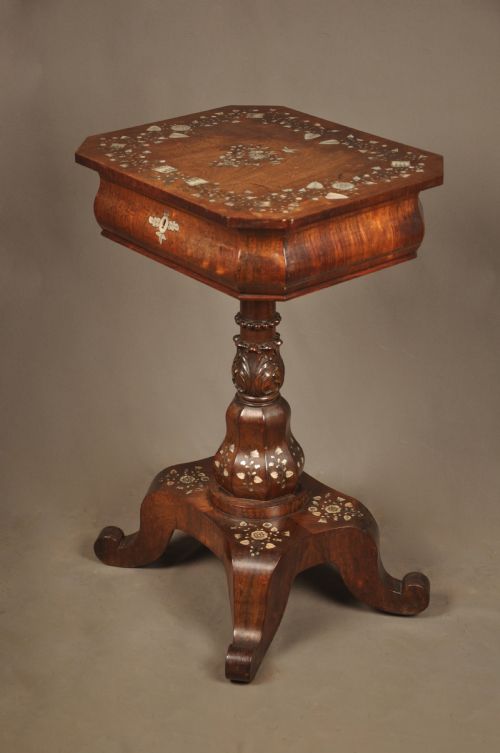
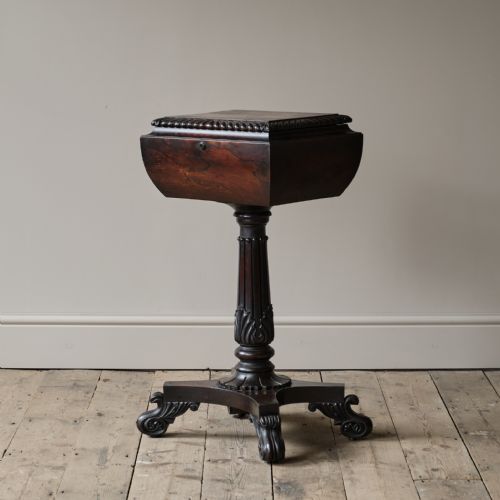
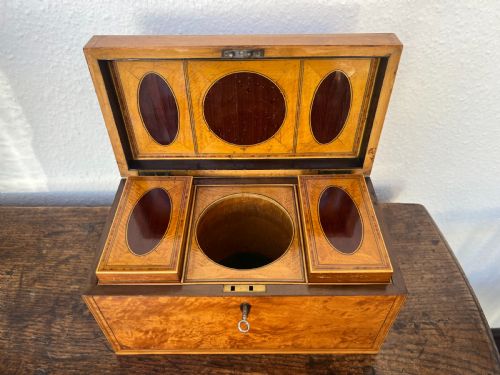
When you search for an antique wooden teapoy, you encounter freestanding furniture designed in the Georgian, Regency, and Victorian eras to secure expensive loose-leaf tea. The most common forms on this page take the shape of lidded boxes set upon central pedestals or four-legged stands, often incorporating interior compartments for canisters.
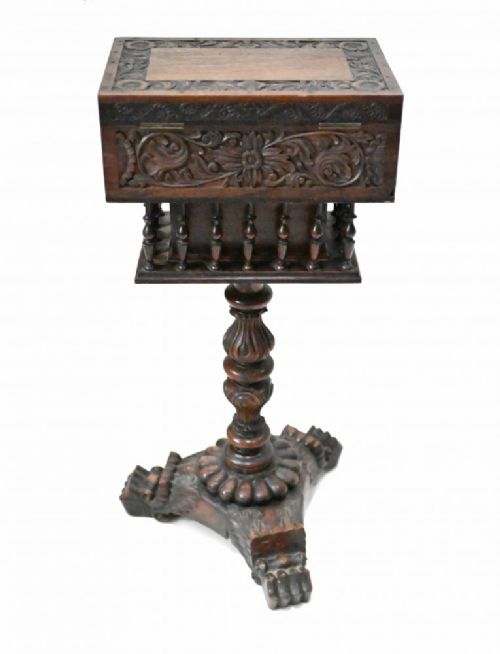
Makers fashioned these pieces across the nineteenth century in various regional styles, including Anglo-Indian colonial models and Scottish variations. Alongside standard tea storage, some examples functioned as tea stoves, jardinières, or occasional tables with rich figuring.
The assortment spans from sarcophagus-shaped boxes to circular and rectangular table formats in diverse timbers. Buyers find both plain utility pieces and heavily decorated specimens with intricate carved details or brass inlay.
How they were made
Cabinetmakers utilised solid timbers and decorative veneers such as mahogany, rosewood, walnut, burr walnut, burr yew, satinwood, and padouk over sturdy carcases. Workshops frequently enhanced these woods with marquetry inlay or precise brass stringing to accentuate the lids and panels.
Structural supports ranged from robust four-carved feet to turned central pedestals and distinct table frames. Artisans carved intricate decorative motifs directly into the dense timbers of colonial and domestic pieces alike.
Antique Wooden Teapoy Retail Price Guide 2026
Typical asking prices for wooden teapoy among the pieces listed under this phrase on Sellingantiques today, from the lower quarter to the upper quarter. They describe what is for sale here now, not the wider market.
Some teapoys doubled as miniature indoor gardens, proving that Victorian tea lovers enjoyed ferns almost as much as a strong brew.
What varies in quality
The standard of timber selection and veneer figuring dictates much of the visual merit, with highly figured flame mahogany or burr walnut marking the upper tiers. The crispness of hand-carving and the precision of brass inlay reveal the skill of the original workshop.
Integrity of the internal compartments and the stability of the stand or pedestal affect the overall execution. Pieces bearing maker attribution or stamps demonstrate documented craftsmanship that elevates their standing.
Gillows
The Antique Wooden Teapoy Glossary
- Teapoy
- A small stand or table equipped with a lidded box for storing tea leaves. The word derives from Hindi and Persian terms for three feet, though many later versions utilise four.
- Sarcophagus
- A heavy, flared box shape with a domed lid reminiscent of classical stone tombs. This silhouette appeared frequently on Regency and early nineteenth-century designs.
- Jardiniere
- An ornamental receptacle designed to hold plants or flowers. Certain tea-related stands double in function or adapt to this secondary use.
- Stringing
- Thin lines of contrasting wood or brass inlaid into channels cut into the surface of a piece. This technique outlines panels and edges to provide linear definition.
- Padouk
- A heavy, durable tropical hardwood displaying rich reddish-brown tones. Craftsmen utilised this material particularly in Anglo-Indian colonial furniture.
Antique Wooden Teapoy: Frequently Asked Questions
What is an antique wooden teapoy?
An antique wooden teapoy is a specialised piece of nineteenth-century furniture built to hold valuable loose-leaf tea securely.
Most examples feature a lidded box on a stand, keeping dry leaves safe from moisture and light in the drawing room.
How were teapoys used originally?
Households used them during the Georgian and Victorian periods to store expensive tea under lock and key. The host would mix blends for guests right from the living area.
Over time, many lost their internal canisters and transitioned into general occasional tables or plant stands.
How do I identify the period?
Period identification relies on observing the prevailing style, timber choices, and construction methods. Regency pieces often showcase brass inlay and rosewood, while Victorian examples lean toward burr walnut and heavier carving.
Looking at secondary timbers inside the box also helps confirm the manufacturing era.
Where do I place one at home?
They fit naturally beside a sofa or chair as an occasional table with hidden storage inside. The lidded top provides a convenient surface for a lamp or small objects.
Keep them away from direct heat sources to protect sensitive wood veneers and antique polishes.