

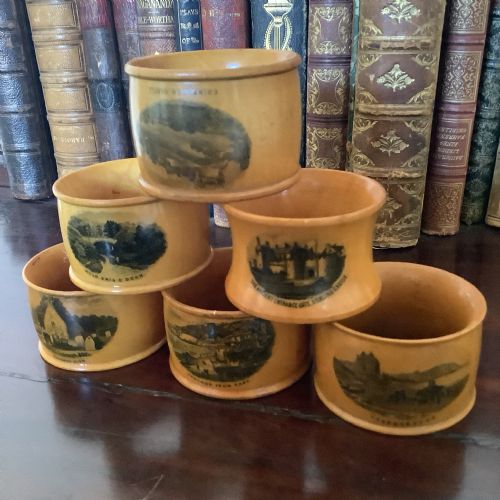


Antique Wooden Tableware
Antique wooden tableware brings warmth to the table through centuries of clever turning and joinery.
Antique Wooden Tableware
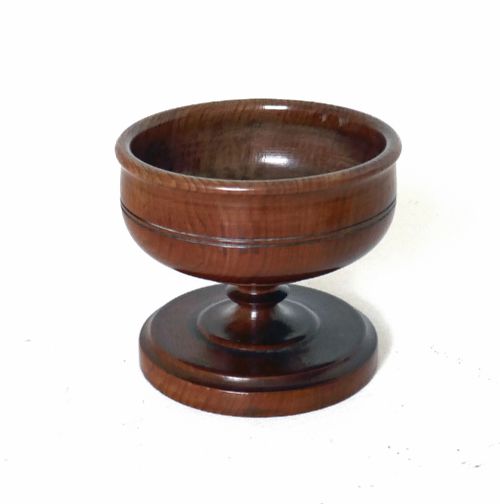
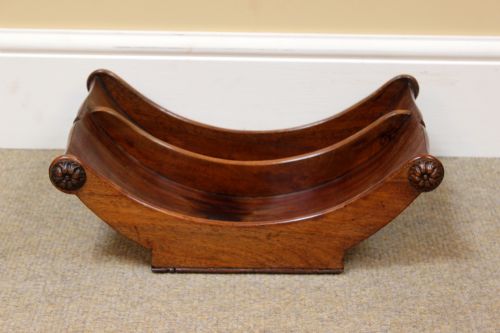
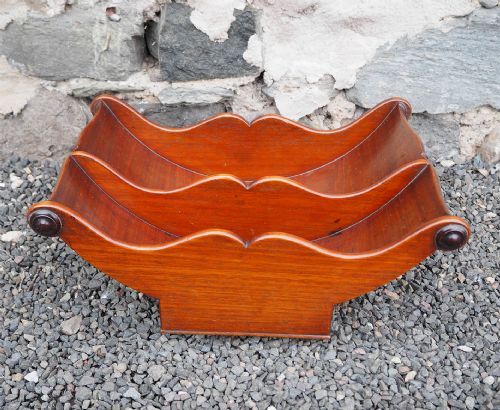
Antique wooden tableware comprises domestic objects fashioned from timber for serving food and drink, spanning the Georgian, Victorian, and Edwardian eras. Collectors searching for antique wooden tableware frequently encounter utilitarian treen items such as salts, egg cup stands, and cheese coasters.
Early examples often display domestic utility with modest joinery, while later Victorian and Edwardian pieces show more elaborate turning techniques. Most items serve specific dining functions, such as holding salt, cheese, or eggs at the table.
How antique wooden tableware was made
Craftsmen shaped these items using traditional woodturning lathes and hand tools, selecting dense hardwoods like mahogany, yew, and fruitwood for durability. Turning on a lathe created symmetrical vessels such as salt cellars and egg cups from a single block of timber.
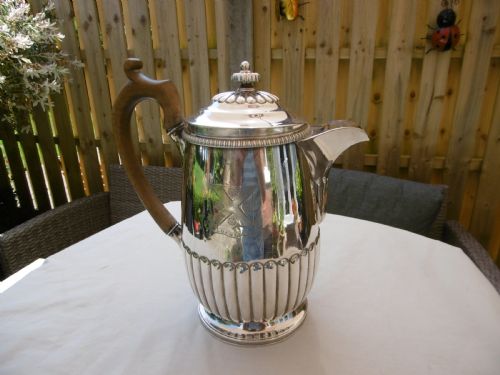
Makers occasionally combined timber with other materials, mounting wooden bowls in silver plate or pairing oak with silver mounts and glass bottles. This mix of wood and metal provided both structural strength and decorative contrast for daily dining use.
Materials documented across the tableware items include mahogany, yew wood, pollard oak, fruitwood, and silver plate.
What varies in quality in antique wooden tableware
Quality rests primarily in the crispness of the turning and the natural grain pattern selected by the maker. Dense timbers like yew wood and pollard oak yield superior visual depth when polished.
Proportion and utility define the better specimens, where revolving mechanisms or raised bases operate smoothly without excess friction. The retention of original surface patination and absence of major timber shrinkage further separate ordinary items from superior examples.
Matthew Boulton·John Hoyland
The Antique Wooden Tableware Glossary
- Treen
- Small handmade wooden domestic objects produced prior to the modern era. This term covers items ranging from turned salts to egg stands.
- Cheese Coaster
- A wheeled or static tray designed to hold a cheese wedge and glide across a dining table. These are frequently fashioned from mahogany.
- Capstan Salt
- A small open salt cellar shaped like a ship capstan, widening towards the base. Examples are recorded in pollard oak.
- Searce
- A fine sieve or strainer used in food preparation. The listings include a Georgian example executed in treen.
- Pollard Oak
- Timber taken from trees that have been pollarded, producing a highly figured grain with dense clusters. It is utilised for turned salt cellars on this page.
Antique Wooden Tableware: Frequently Asked Questions
How do I care for wooden tableware?
Keep wooden items away from direct heat sources and sudden humidity changes to prevent the timber from splitting or warping.
Clean surfaces gently with a dry or barely damp cloth, avoiding prolonged soaking in water and harsh chemical detergents.
How are Georgian wooden pieces dated?
Georgian wooden items are dated by observing the turning style, timber species, tool marks, and overall joinery construction characteristic of the eighteenth century.
Comparison with documented pieces from the same period helps confirm the approximate decade of manufacture.
What is treen tableware?
Treen refers to small wooden household wares made by turning or carving timber before the widespread adoption of plastics and mass production.
Tableware treen includes items like salt cellars, egg stands, and small spoons designed for everyday domestic dining.