


Antique Wooden Spark Guard
An antique wooden spark guard keeps the heat from scorching the room while framing an interior with period craft.
Antique Wooden Spark Guard
An antique wooden spark guard, also recorded across the listings as a fire screen, provides a decorative barrier in front of an unlit fireplace during warmer months. Buyers hunting for these pieces encounter diverse forms dating from the Georgian and Regency eras through the Victorian period and into nineteen-thirty.
Materials and construction
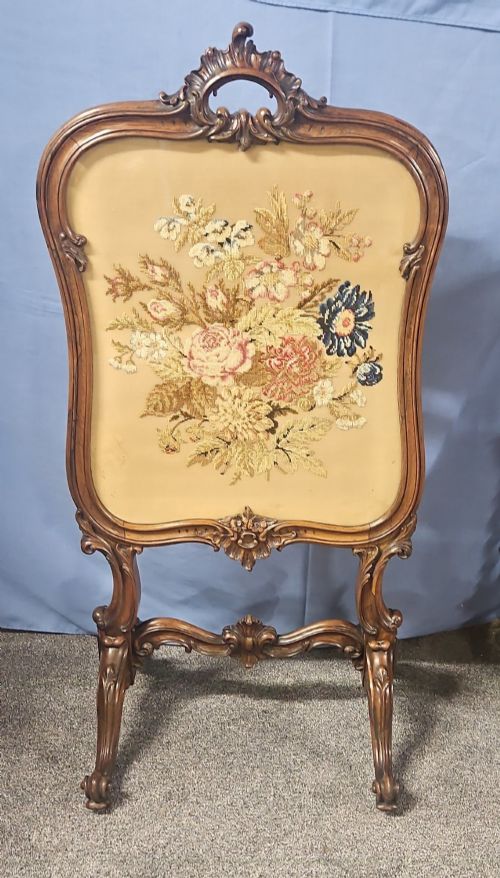
Frames are built from hardwoods such as mahogany, walnut, and oak, shaped through carving and joinery characteristic of nineteenth-century workshops.
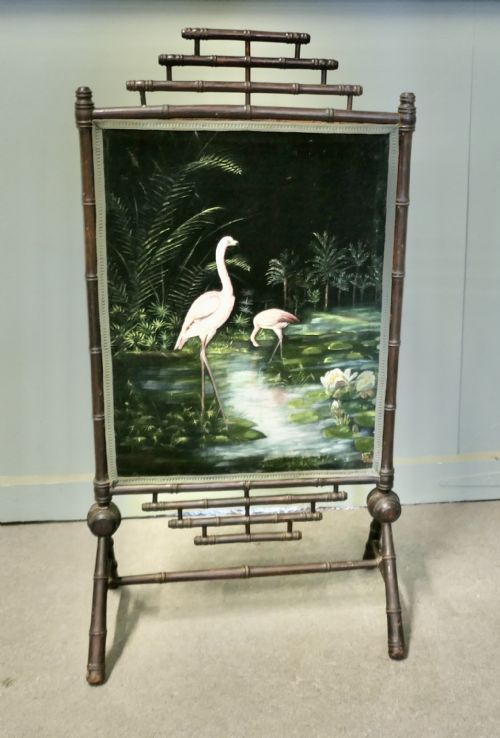
Panels incorporate textile needlepoint, painted Chinoiserie lacquer, etched glass, or poker work, secured within the wooden structure by brass or bronze fittings.
Judging quality in spark guards
Superior examples display crisp hand-carving on the wooden frame and refined detailing in the central panel, whether through intricate embroidery, Black Forest motifs, or painted flamingos.
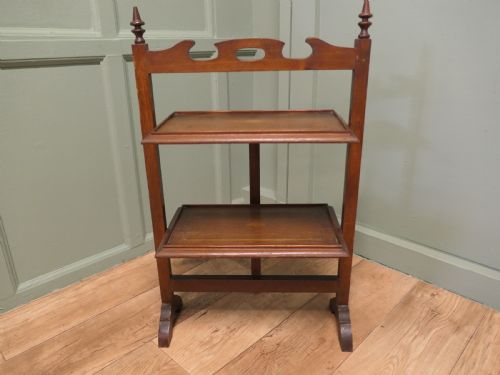
The integration of mechanical elements, such as adjustable poker work panels, sliding leaves, or metamorphic table mechanisms, separates standard decorative screens from more complex utilitarian designs.
The Antique Wooden Spark Guard Glossary
- Fire screen
- A movable panel placed before a fireplace to shield the room from radiant heat or hide an empty hearth. These pieces utilise frames of walnut, mahogany, or oak.
- Needlepoint
- Stitched textile work stretched within a wooden frame to form the decorative central panel of a screen. This technique appears frequently in Victorian examples.
- Black Forest
- A style of carving originating in central Europe, characterised by deeply modelled naturalistic foliage and animal forms executed in solid wood. Pieces in this manner show robust sculptural detail.
- Metamorphic
- Describing furniture designed to transform from one object into another, such as a fire screen that converts into an occasional table. This mechanism adds versatility to the piece.
Antique Wooden Spark Guard: Frequently Asked Questions
What is an antique wooden spark guard used for?
These pieces function primarily as decorative screens placed in front of a hearth when a fire is not burning. They shield the room from lingering soot and draft while adding a focal point to the fireplace.
Historically, they also protected the complex complexions of sitters from the intense heat of an open coal fire.
How do I date an antique wooden spark guard?
Dating relies on identifying the prevailing timber, stylistic cues, and panel medium. Georgian and Regency pieces often showcase mahogany with restrained lines.
Victorian iterations frequently utilise walnut, heavy carving, or elaborate needlepoint and painted lacquer work.
Can these screens double as tables?
Certain examples incorporate metamorphic designs that allow the vertical screen to fold down or adjust into an occasional table surface. These dual-purpose pieces offer both decorative presence and practical utility.
Such designs became particularly prevalent by the early twentieth century.
What panel materials should I expect?
Panels vary widely depending on the period and origin of the piece. Common materials include embroidered needlepoint textiles, painted lacquer depicting oriental scenes, etched glass, and adjustable wooden poker work.
Frames themselves remain predominantly solid walnut, mahogany, or oak.