







Antique Wooden Saints
These antique wooden saints bring centuries of devotion into a room, offering carved figures and panels shaped by hands long gone.
Antique Wooden Saints
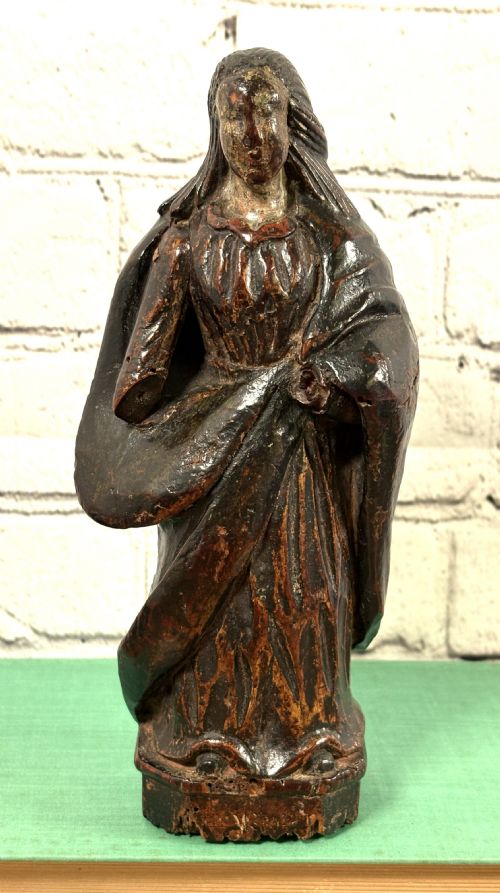
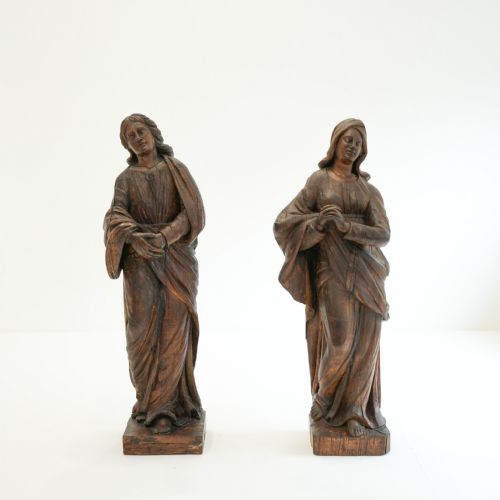
When you search for antique wooden saints, you encounter carved figures, panels, and religious statues that span from pre-sixteenth century medieval works to the nineteenth century. These objects include depictions of figures such as St. John, the Virgin Mary, and various bishops and apostles, often originating from countries like Italy, France, and Germany.
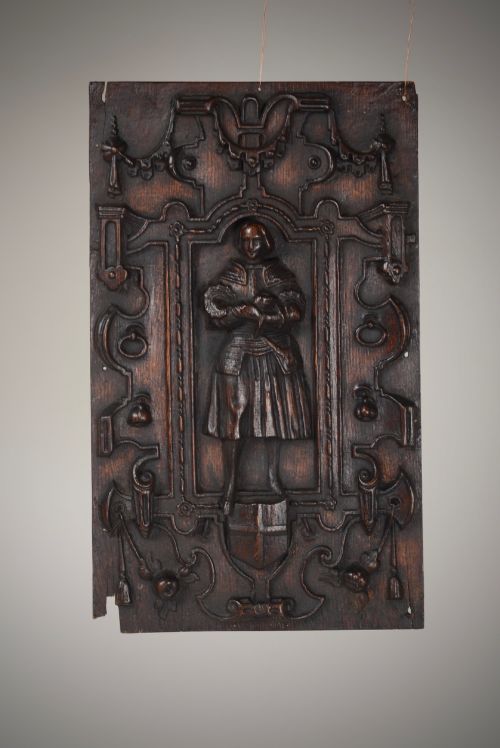
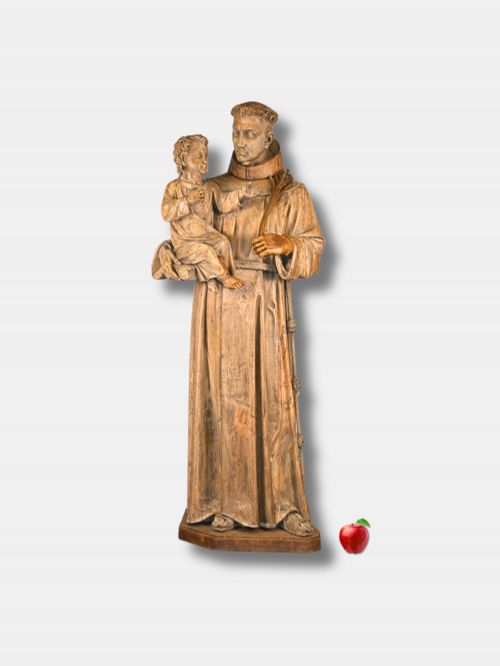
The most common examples on this page are carved wooden sculptures and panels from the seventeenth and eighteenth centuries, shaped in styles ranging from Gothic to Baroque and Renaissance. Buyers find freestanding statues, fragments, home altars, and processional figures that once served devotional purposes in churches or domestic spaces.
How They Were Made
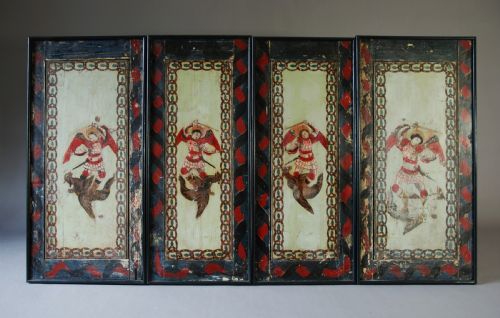
Makers frequently applied gesso as a base layer before adding polychrome paint or gold leaf to enhance the visual impact of the garments and halos. This combination of carved wood, paint, and gilding created layered surfaces that often survive in fragments or weathered patinas.
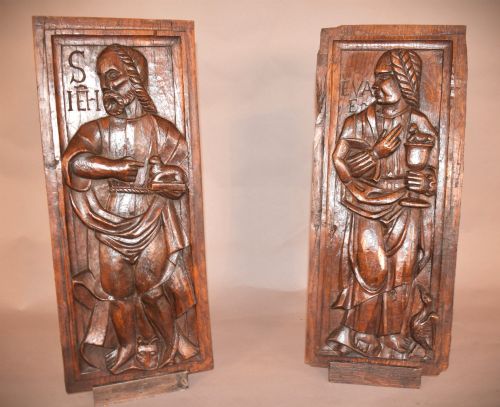
Among the solemn bishops and saints, one lone wooden rescue dog stands ready to pull a traveller from the snow.
What Varies in Quality
The finesse of the hand carving separates finer figurative work from simpler folk art or naive regional pieces, particularly in the rendering of hands, hair, and facial expressions. Master carvers from the Renaissance or Gothic periods achieved a natural flow in drapery and anatomical proportion that lesser workshops missed.
The preservation of original surface finishes, such as early polychrome paint and gesso, heavily influences the character of a piece. Examples retaining authentic historic pigment layers or untouched gilding present a truer material history than those stripped or repainted in later centuries.
Franz Keller
The Antique Wooden Saints Glossary
- Polychrome
- Painted in several colours. This term describes wooden sculptures finished with pigments directly applied to the wood or over a gesso ground.
- Gesso
- A plaster mix applied to wood surfaces. It provided a smooth white ground for subsequent gilding or painting on ecclesiastical figures.
- Giltwood
- Wood carved and coated with gold leaf. This technique illuminated church interiors by catching candlelight on altarpieces and saintly statues.
- Capipote
- A Spanish devotional figure with a carved wooden head and hands attached to a framework dressed in real fabric garments. These statues were often used in religious processions.
- Fragment
- A surviving portion of a larger artwork. Many historic wood sculptures exist today as isolated heads, busts, or partial panels separated from their original settings.
Antique Wooden Saints: Frequently Asked Questions
What periods do these wooden saints come from?
The pieces span from pre-sixteenth century medieval carvings up to nineteenth-century devotional art. Many examples date from the seventeenth and eighteenth centuries during the Baroque era.
Earlier works often display Gothic influences, while later items reflect regional folk traditions and nineteenth-century Gothic revivals.
How were these statues used originally?
These figures served central roles in religious devotion within churches, monasteries, and private homes. Some stood on altars or decorated architectural wall panels.
Others, such as processional figures or capipotes, were carried through streets during religious festivals and holy days.
How do I identify different regional styles?
Regional characteristics often show in the choice of wood, such as oak in northern Europe or limewood and pine in German and Italian workshops. Sculptural styling also varies by area, with Spanish works often featuring detailed fabrics and Italian pieces showing strong Baroque movement.
Examining the carving technique and the application of gesso helps connect a piece to its likely country of origin.
How should I care for an antique wooden saint?
Keep wooden sculptures away from direct heat sources, radiators, and strong sunlight to prevent the timber from drying out and cracking. Stable indoor humidity levels protect both the underlying wood and delicate layers of old gesso and paint.
Dust the surface gently with a dry, soft brush rather than using liquid cleaners or polishes that might damage historic finishes.