





Antique Wooden Regulator
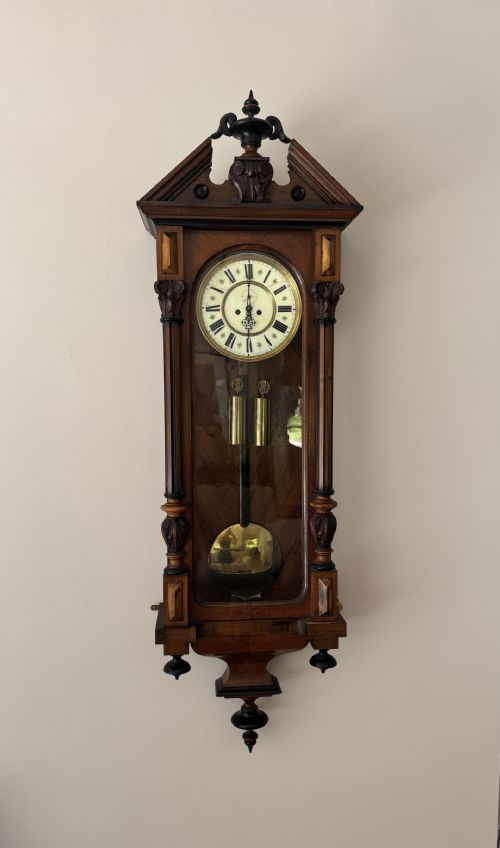
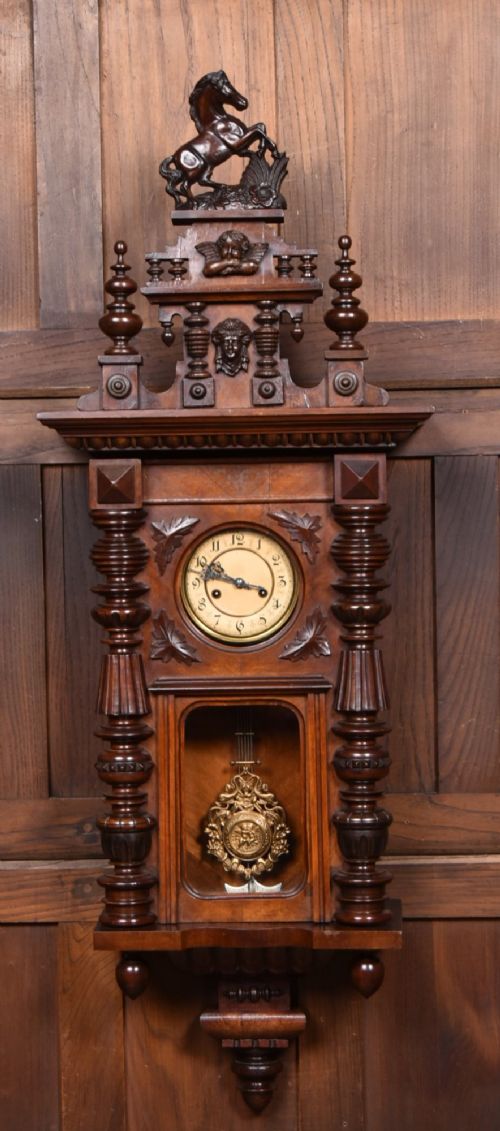
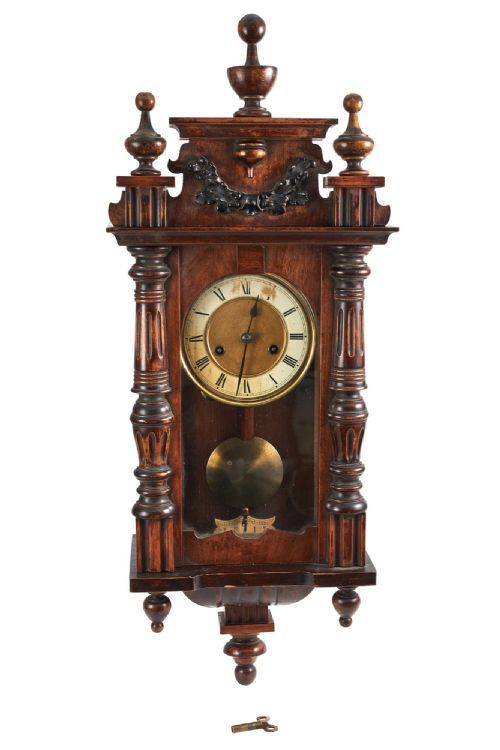
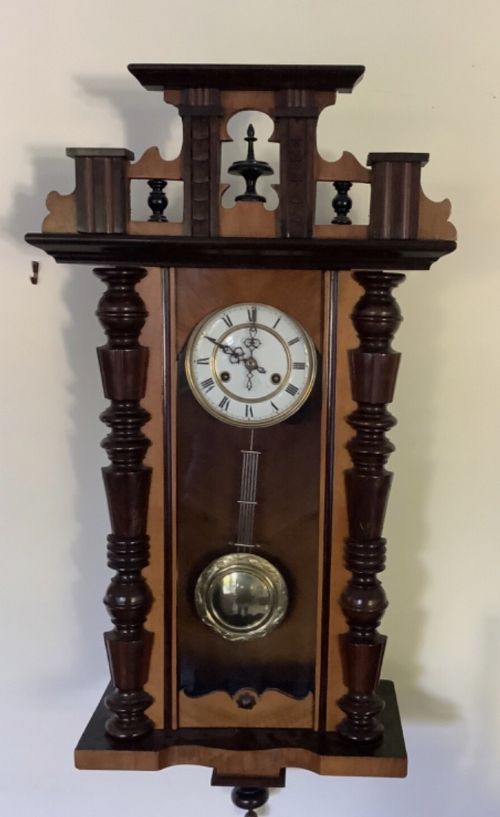
An antique wooden regulator is a precise timekeeper designed to monitor time accurately, most frequently seen here as a walnut wall clock from the Victorian era.
Antique Wooden Regulator
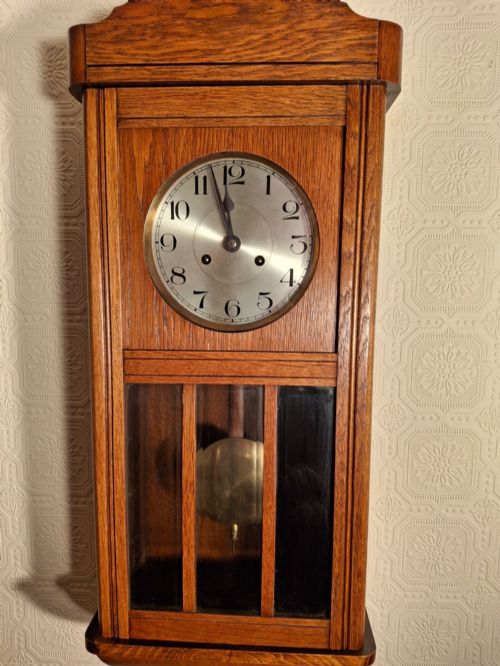
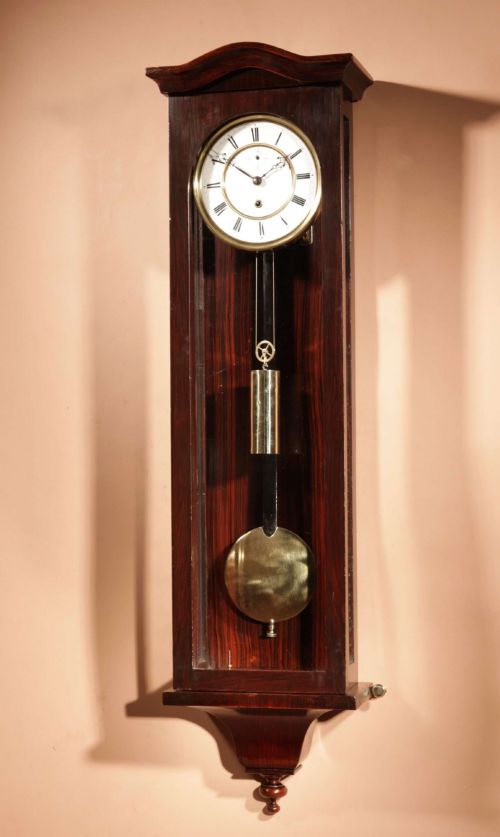
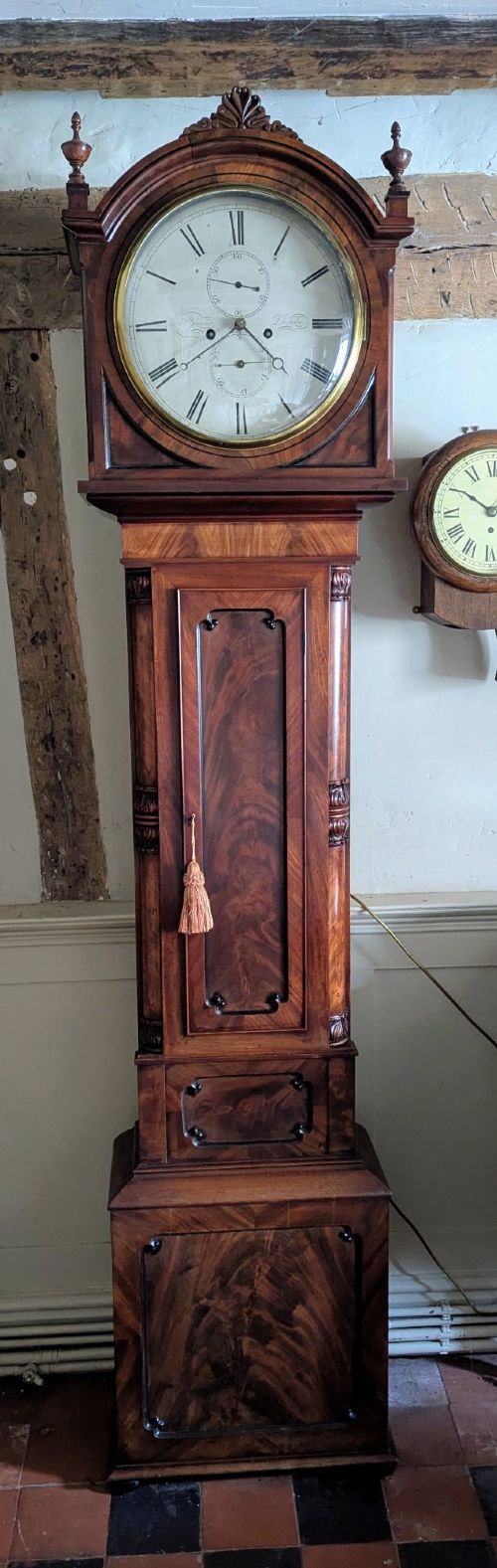
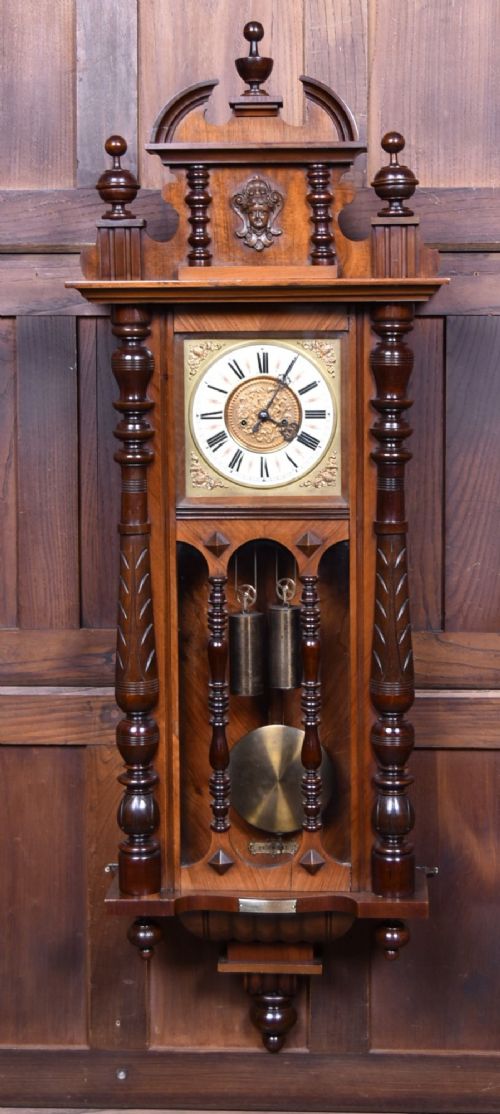
When you search for an antique wooden regulator, you examine precision timekeepers spanning from the mid-nineteenth century through to the mid-twentieth century. The selection on this page is dominated by walnut wall clocks in the Vienna style, alongside longcase clocks, bracket clocks, and mantel clocks.
Most examples originate from the Victorian period, though the range extends from Biedermeier pieces dated around eighteen-fifty to Art Deco French designs from nineteen-forty. Wall clocks with pendulum mechanisms and double weight movements appear frequently among the listings.
Materials and construction
These cases rely primarily on walnut and mahogany timber, occasionally enhanced with ebonised wood or oak. Metal and brass components construct the internal movements and bezels, while glass panels protect the dial.
Dials are finished with enamel, and carved woodwork defines the Vienna styles and Victorian Gothic interpretations. The construction pairs solid timber cases with precise mechanical gear trains and pendulums.
Distinctions in quality
Quality rests upon the execution of the timber case and the sophistication of the movement. Carved walnut cases with double or triple weight systems and striking complications sit above simpler timepieces.
Finer examples show crisp carving, well-proportioned architectural cases, and signed movements by known makers. Plain timber housings with basic single-weight mechanisms form the simpler end of the range.
JOHANN BAPTIST BEHA·Gustav Becker·CHATER & SON
The Antique Wooden Regulator Glossary
- Regulator
- A precision clock designed to keep exceptionally accurate time, often used as a standard to set other timepieces.
- Vienna Regulator
- A specific wall clock style originating in nineteenth-century Austria, featuring a long glass door and a visible pendulum.
- Fusee
- A conical pulley used in clock movements to maintain equal power as the mainspring unwinds.
- Grande Sonnerie
- A complication in a clock movement that strikes the hours and quarters on every quarter-hour.
Antique Wooden Regulator: Frequently Asked Questions
How do I wind a regulator clock?
Winding requires inserting the key into the winding holes on the dial and turning it gently until resistance meets you. Care must be taken not to overwind the springs or weights.
Most eight-day movements need attention once a week. Keeping to a regular winding schedule helps maintain the accuracy of the movement.
Where should I hang a wall regulator?
Wall regulators require a sturdy internal wall that experiences minimal vibration from footsteps or doors. A stable vertical surface ensures the pendulum swings evenly.
Positioning the clock away from direct sunlight and damp environments protects the wooden case and prevents timber movement.
Why does my clock gain or lose time?
Variations in timekeeping often stem from temperature changes or the position of the pendulum bob. Adjusting the small nut beneath the pendulum regulates the speed.
Moving the bob up makes the clock run faster, while lowering it slows the beat down. Patience is required to find the exact balance.
How do I identify a Vienna regulator?
Vienna regulators typically feature tall walnut cases with full-length glass front doors designed to showcase the pendulum and weights. The dials are usually white enamel with Roman numerals.
Originating in the nineteenth century, these pieces emphasise mechanical precision and refined architectural woodwork over heavy ornamentation.