





Antique Wooden Putti Figures
These antique wooden putti figures bring spirited baroque energy and sculptural movement to a room, captured in carved wood, gesso, and gold leaf.
Antique Wooden Putti Figures
When you search for antique wooden putti figures, you encounter carved representations of winged infants and cherubic messengers originating from the seventeenth, eighteenth, and nineteenth centuries. These sculptural works embody Renaissance and Baroque revivals, appearing as single statues, pairs of angels, and decorative architectural carvings.
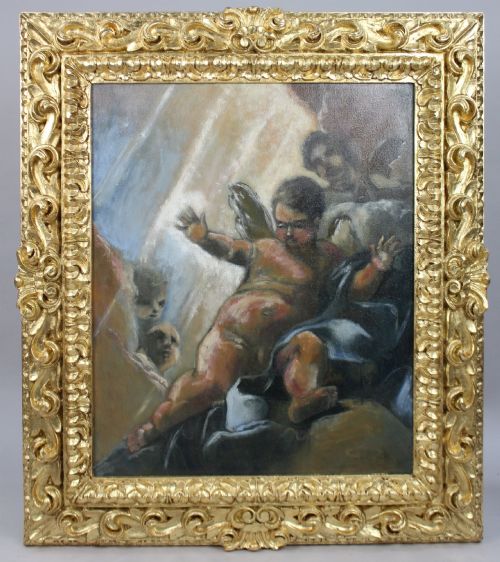
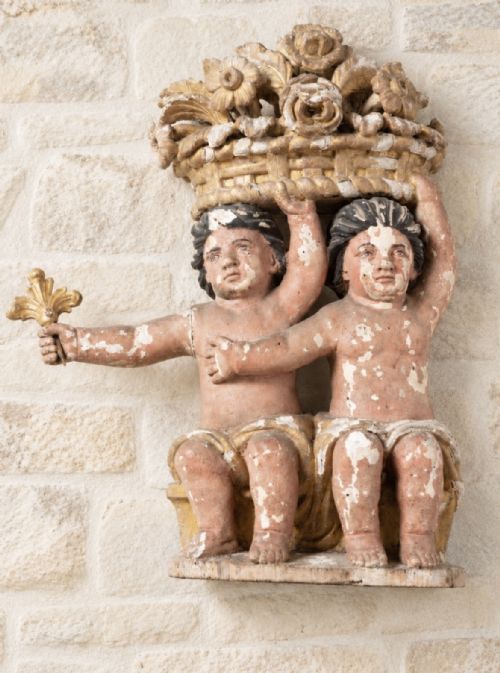
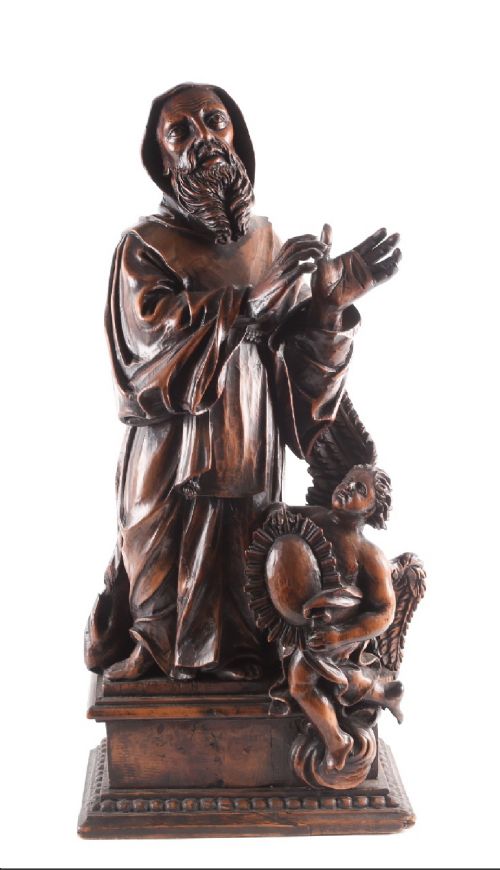
The pieces on this page span several distinct forms, including lime wood figures on stands, giltwood wall sculptures, and polychrome painted altarpiece figures. You also find oil paintings set within carved giltwood frames alongside standalone figures standing upon clouds.
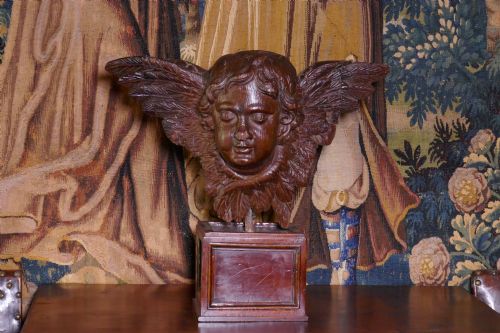
Italian and French workmanship dominates the selection, reflecting classic continental decorative traditions. The physical scale varies from compact cherub heads carved in oak to substantial nineteen-inch gilded figures.
How they were made
Artisans carved these figures primarily from timbers such as lime wood, oak, and other native hardwoods using specialised chisels and gouges. The choice of wood dictated the fineness of detail achievable in the rendering of curls and soft flesh.
Many surfaces received a preparatory layer of gesso before being finished with gold leaf, silvering, or polychrome paint. This traditional layering technique provided a smooth ground for gilding and added rich colour and luminosity to the garments and wings.
Listings feature pieces spanning the seventeenth, eighteenth, and nineteenth centuries, constructed from carved wood, gesso, gold leaf, and oil on canvas.
What varies in quality
The degree of anatomical expression and fluidity in the carving separates standard decorative elements from superior sculptural works. Master carvers achieved convincing weight and movement in infant limbs, whereas lesser pieces display stiffness and heavy-handed proportions.
The integrity of the original surface finish heavily influences the character of each piece. Surviving polychrome and gold leaf retain an authentic visual depth that later repainting obscures.
The Antique Wooden Putti Figures Glossary
- Putti
- Winged infant figures derived from classical art, frequently appearing in Renaissance and Baroque sculpture. They represent divine messengers or playful mythological spirits.
- Giltwood
- Timber that has been coated with a thin layer of gold leaf over gesso. This finish creates a brilliant reflective surface common on altarpieces and frames.
- Polychrome
- Painted in several colours. This term describes wooden sculptures decorated with pigments to simulate lifelike skin tones and garments.
- Limewood
- A fine-grained, pale wood favored by European carvers for its uniform texture and lack of prominent grain. It allows for intricate undercutting and delicate facial details.
- Gesso
- A plaster-like mixture applied to wooden substrates as a smooth base for gilding and painting. It helps seal the timber and provides adhesion for surface decoration.
Antique Wooden Putti Figures: Frequently Asked Questions
How were putti figures used?
These figures typically served as decorative elements in religious architecture, adorning church altars, choir stalls, and domestic architectural joinery. They were integrated into larger decorative schemes to impart a sense of divine grace or theatrical opulence.
Over time, many pieces became standalone mantel or wall ornaments, appreciated purely for their sculptural presence and craftsmanship.
How do I date antique wooden putti?
Dating relies on examining the tool marks left by the carver, the species of wood, and the ageing characteristics of the underlying gesso. Seventeenth and eighteenth-century examples often display hand-forged tool signatures and deep patination on exposed timber.
Stylistic cues such as Baroque extravagance or nineteenth-century revival interpretations also help establish the chronological context of the carving.
Where should I place putti figures?
These sculptures suit placement on console tables, architectural brackets, or mounted directly onto walls as focal points. Their dynamic postures interact well with natural light, which highlights the contours of carved wings and drapery.
Keeping them away from direct heat sources protects the old wood and delicate gesso finishes from drying out and cracking.
What is the difference between putti and cherubs?
While often used interchangeably in modern descriptions, putti derive from secular classical antiquity and represent mischievous mythological infants. Cherubs possess specific theological connotations associated with divine presence and celestial hierarchy.
In antique art, both forms share similar visual traits of winged childhood, though their original placement in churches or homes often clarifies their intended meaning.