


Gilded Wood Angel Sculpture
A gilded wood angel sculpture brings an arresting presence of carved devotion and rich gilding into a room.
Gilded Wood Angel Sculpture
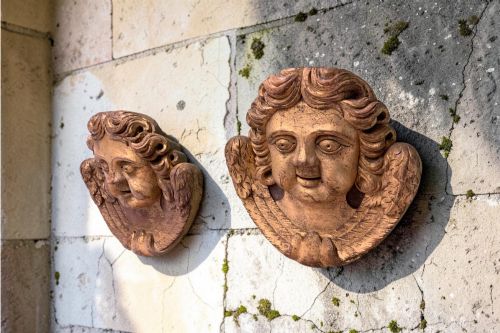
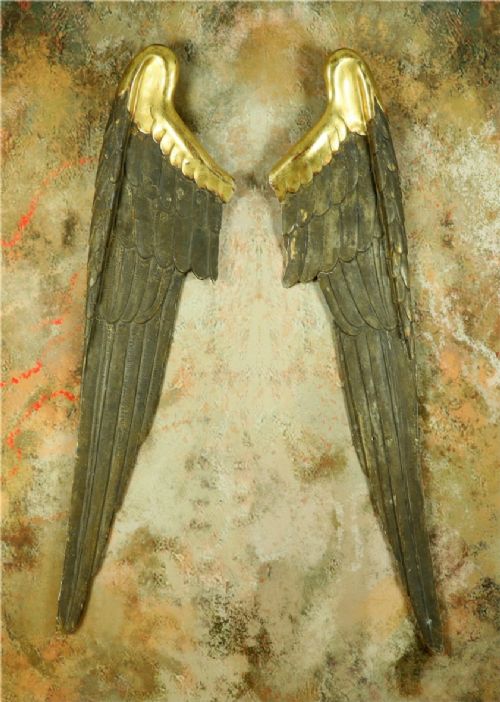
A gilded wood angel sculpture represents centuries of devotional carving, appearing in forms ranging from monumental pairs to diminutive cherub heads and isolated wings. These pieces span the eighteenth and nineteenth centuries, carrying influences from French and Italian workshops.
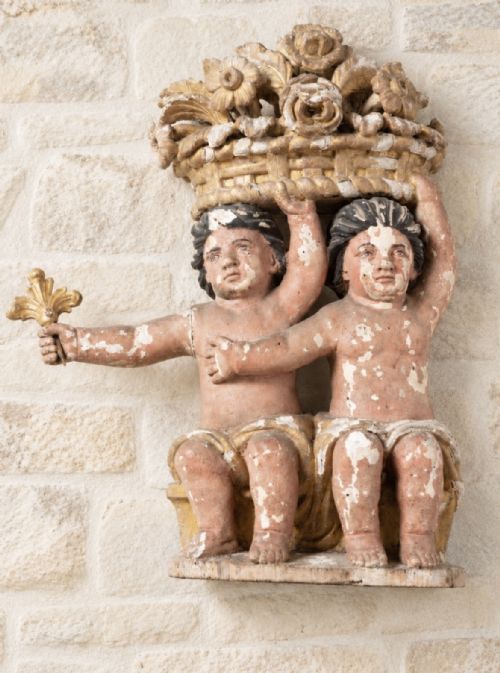
Buyers encountering this selection will most frequently meet nineteenth century iterations, including Italian Baroque Revival figures and French chateau decorative carvings. Pairs of putti upon clouds and single gilt cherub figures dominate the available compositions.
Originating largely from continental religious settings, such as altar pieces and church ornaments, these sculptures retain their original sacred function while adapting easily to domestic interiors as wall sculptures or architectural accents.
Materials and construction
Makers fashioned each gilded wood angel sculpture from solid timber, applying a foundational layer of gesso to smooth the grain before carving intricate details into the wings, drapery and hair. Artisans then applied delicate gold leaf over the prepared surfaces to catch candlelight and daylight alike.
Many examples incorporate polychrome paint beneath or alongside the gilding, revealing flesh tones and garment colours that soften the metallic brilliance. Metal elements occasionally reinforce structural points or mounting fixtures on larger wall sculptures.
Materials recorded across the inventory include carved wood, gold leaf, gesso, polychrome paint and metal.
Judging the work
Quality in a gilded wood angel sculpture rests upon the sharpness of the hand carving and the vitality of the facial expression, distinguishing spirited Baroque modelling from stiff nineteenth century revivals. The depth of the undercut on wing feathers and cloud scrolls reveals the carver's confidence.
The integrity of the original gesso and gold leaf surface dictates the visual power of the piece, where patinated metallic warmth outweighs uniform modern regilding. Sculptures retaining authentic polychrome traces alongside worn gilding possess a superior historical resonance.
The Gilded Wood Angel Sculpture Glossary
- Giltwood
- Wood that has been coated with thin sheets of gold leaf over a prepared gesso ground. This finish provides a luminous and resilient surface characteristic of fine decorative carvings.
- Gesso
- A plaster mixture applied to wood surfaces to create a smooth base for gilding and painting. It allows carvers to crisp up fine details before the gold is laid.
- Polychrome
- Painted in several colours, often found on religious sculptures to depict lifelike skin tones and garment hues. It frequently appears combined with gilding on continental figures.
- Putto
- A figure of a small chubby male child, often winged, popular in Renaissance and Baroque art. These divine infants feature prominently among altar sculptures and architectural fragments.
- Baroque
- An ornate artistic style originating in Italy, characterised by dramatic movement and exuberant detail. Italian Baroque Revival pieces in this category echo that theatrical intensity.
Gilded Wood Angel Sculpture: Frequently Asked Questions
Where were these angels displayed?
Carvers originally produced these figures for ecclesiastical settings, mounting them upon altars, church walls or architectural tabernacles as devotional ornaments.
Today, collectors place them on living room walls, mantelpieces or side tables to introduce historical texture and sculptural depth to domestic spaces.
How do I date a carving?
Examining the tool marks, the composition of the underlying gesso, and the wear patterns on the gold leaf helps determine the age of a wooden sculpture. Eighteenth century pieces typically show softer, deeper tool work, while nineteenth century revivals often employ sharper mechanical precision.
Stylistic cues such as the billowing form of carved cloud supports or the facial expression also point toward specific periods like the Italian Baroque.
How should I clean gilded wood?
Dusting gently with a dry, soft brush is the safest method to maintain the delicate surface of gold leaf and gesso without disturbing the underlying timber. Moisture and chemical cleaners must be avoided entirely, as they damage historic water gilding and strip away centuries of patina.
Professional conservation is required if structural instability or flaking gesso threatens the integrity of the sculpture.