



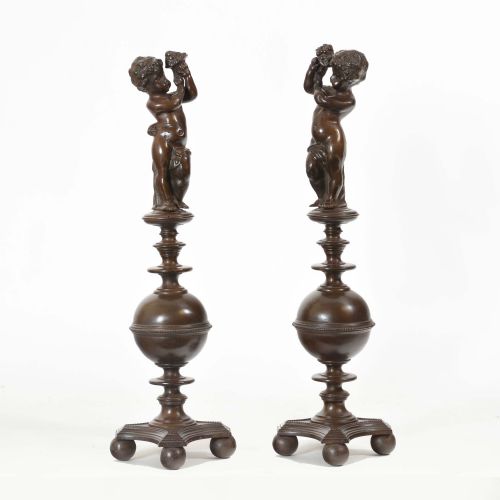


Antique Italian Cherub Pair
These antique italian cherub pair pieces bring sculptural theatre to a room, cast in bronze or carved from timber to capture centuries of Italian workshop craft.
Antique Italian Cherub Pair
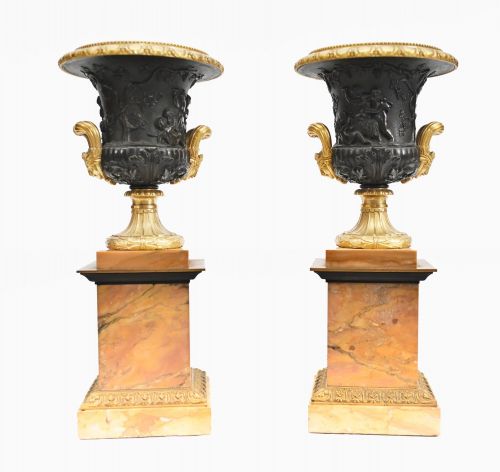
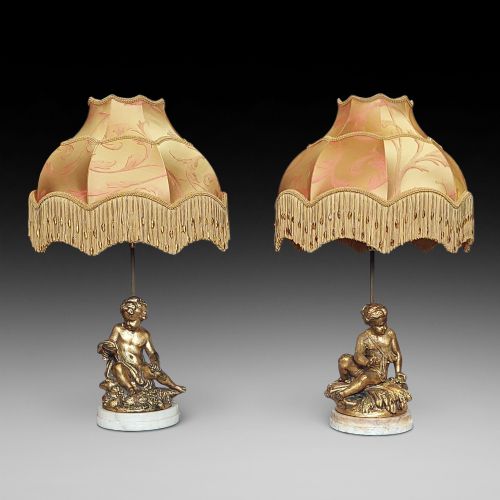
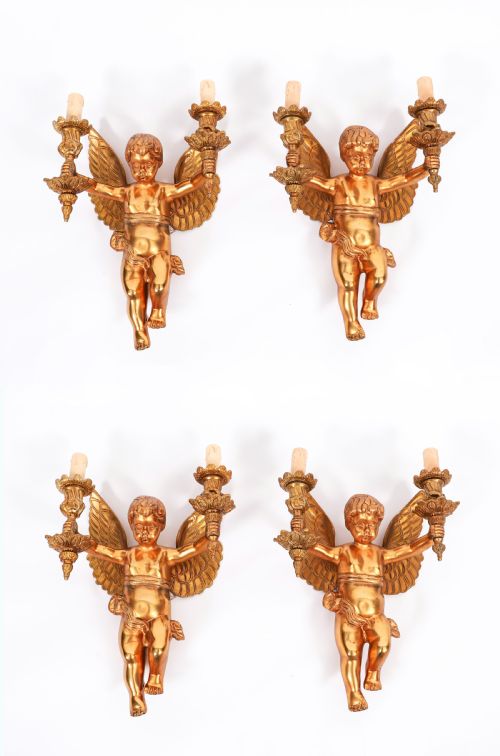
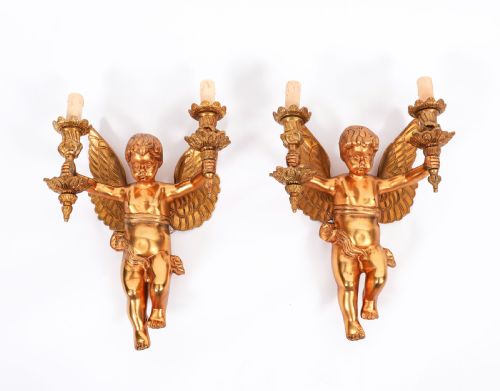
When you search for an antique italian cherub pair, you encounter matched sets of carved figures, wall lights, andirons, and decorative brackets spanning several centuries of European interior design. The selection includes giltwood wall appliques, cast bronze putti on marble bases, and polychrome wooden figures that once adorned domestic altars or grand reception rooms.
Most examples appearing here date from the nineteenth century, drawing heavily on earlier Baroque and Renaissance traditions from Italian workshops. Buyers frequently find carved wooden wall brackets and gilt bronze sconces designed to mount symmetrically flanking a mirror or mantelpiece.
Materials and construction
Makers shaped these items primarily from solid wood, gesso, and cast metals, applying gold leaf, polychrome paint, or ormolu finishes to catch the light. Carved timber figures often feature layered gesso preparations beneath gilt or painted surfaces, while heavier functional pieces utilise cast bronze, brass, or iron.
Foundry work for metal items involves lost-wax or sand casting methods to achieve crisp detail in the wings and hair of the putti, followed by hand-chasing. Wooden brackets and wall lights rely on skilled hand-carving to generate deep relief and dynamic movement across the figures.
Materials represented across the inventory include carved gesso, polychrome paint, cast bronze, and gilded timber.
Judging the range
Quality rests entirely in the crispness of the modelling and the depth of the hand-finishing, whether in the chisel work of a wooden wing or the precise chasing of an ormolu mount. Finer examples retain their original gilding or polychrome layers intact, showing organic wear rather than heavy modern repainting.
The architectural presence of a matched set depends on proportion and symmetry between the two pieces, as lesser items often suffer from hurried carving or mismatched casting proportions. Superior items display anatomical fluency in the figures and robust structural integrity in their supporting brackets or bases.
The Antique Italian Cherub Pair Glossary
- Putto
- A plump, naked male infant figure frequently depicted in classical and Renaissance art, often winged and synonymous with cherubs.
- Giltwood
- Timber that has been coated with a thin layer of gold leaf over a prepared gesso ground, common in decorative wall brackets and sconces.
- Ormolu
- Finely ground high-carat gold mercury-gilded onto a bronze base, creating a rich metallic sheen typical of decorative lighting fixtures.
- Polychrome
- Decoration executed in multiple colours, frequently seen on historical wooden figures and panels to imitate natural flesh tones and garments.
- Wall bracket
- A projecting architectural shelf fixed to a vertical surface, designed to support sculptures, lighting, or decorative objects.
- Andirons
- Horizontal metal bars supported on legs, used in pairs inside a fireplace to elevate logs for better airflow.
Antique Italian Cherub Pair: Frequently Asked Questions
Where should I hang a cherub wall bracket?
These brackets suit flanking positions around large mirrors, doorways, or focal paintings where a balanced pair frames the central view.
Ensure the wall fixings match the weight of the carved wood or metal structure securely.
How do I clean antique giltwood?
Dust the surfaces gently with a soft, dry brush to remove particles without disturbing the fragile gold leaf or underlying gesso.
Avoid all liquid cleaners and moisture, which can cause the historical finishes to lift or flake away.
Are bronze andirons still usable in a fireplace?
Many historical pairs remain structurally robust enough for functional hearth use, though collectors often prefer them as purely decorative floor ornaments.
Intense heat can degrade old patinas and crack underlying bases, so inspect the metal condition carefully.
What distinguishes Baroque style in these pieces?
Baroque design emphasises dramatic movement, deep sculptural relief, and exuberant drapery that draws the eye across the figures.
This aesthetic values theatrical gestures and rich surface textures over rigid classical symmetry.