
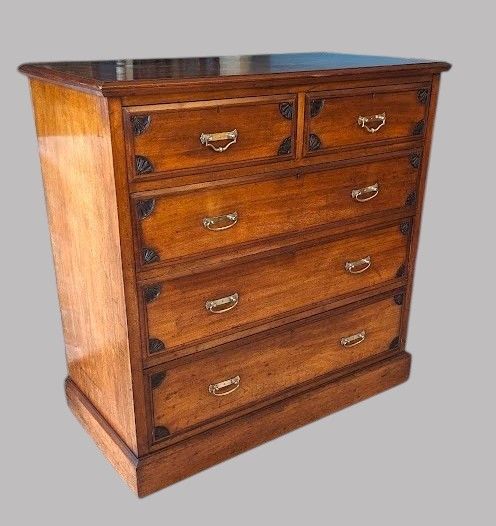
Antique Wooden Plinth
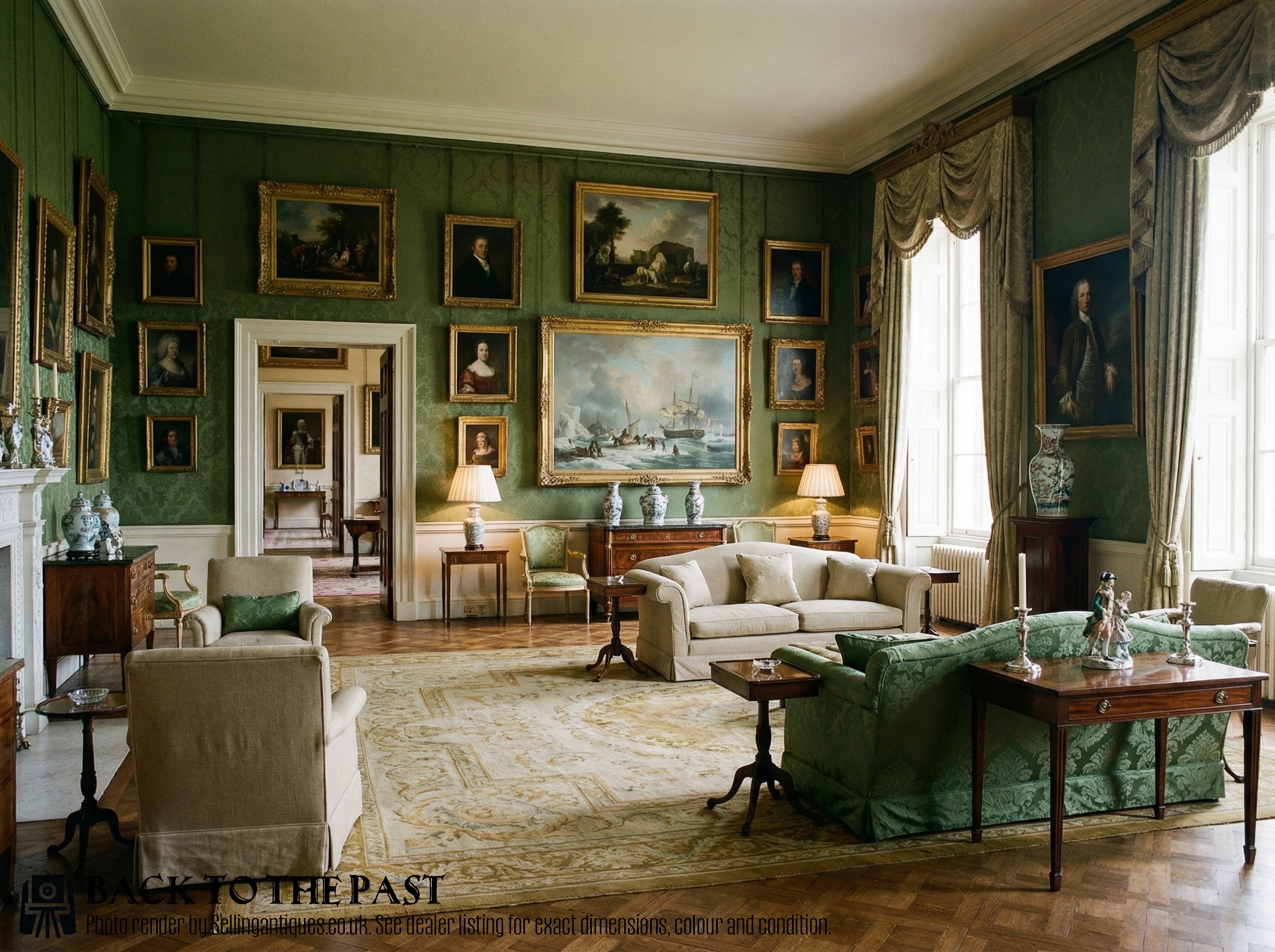
An antique wooden plinth elevates an object or space, bringing height and structural presence to a room.
What these pieces are
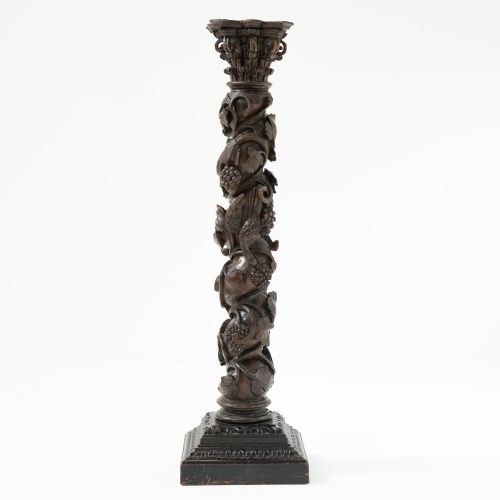
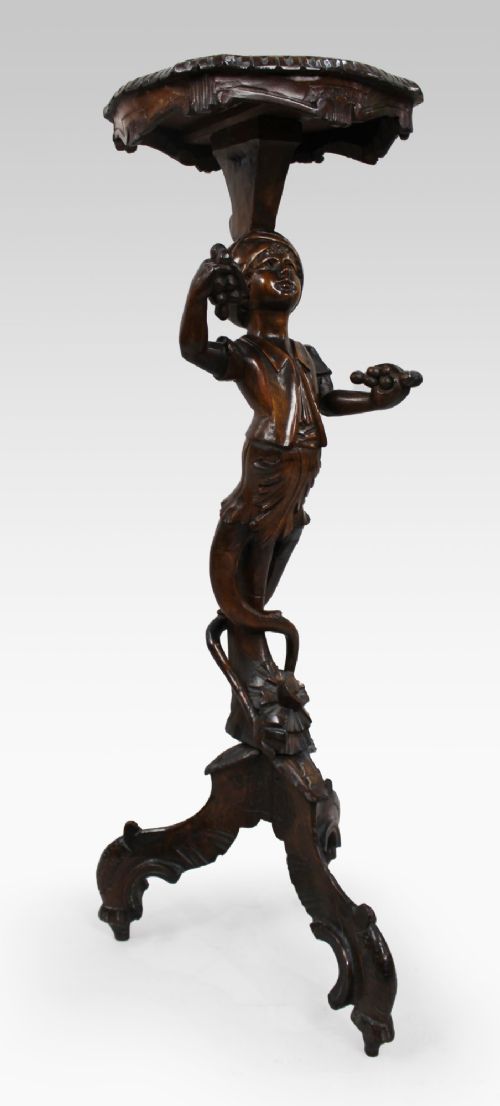
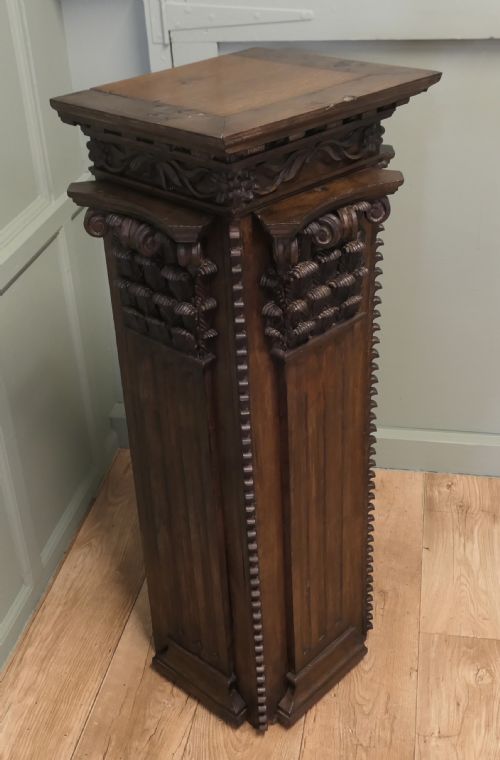
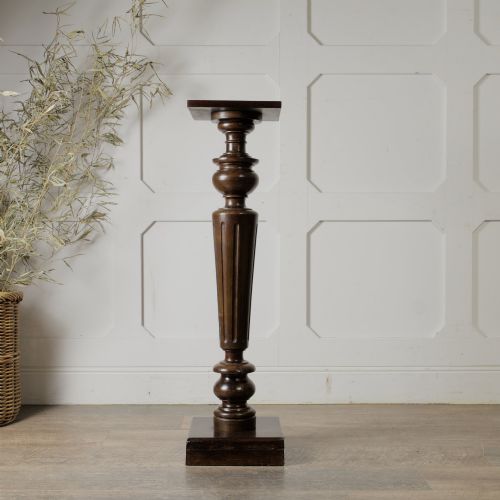
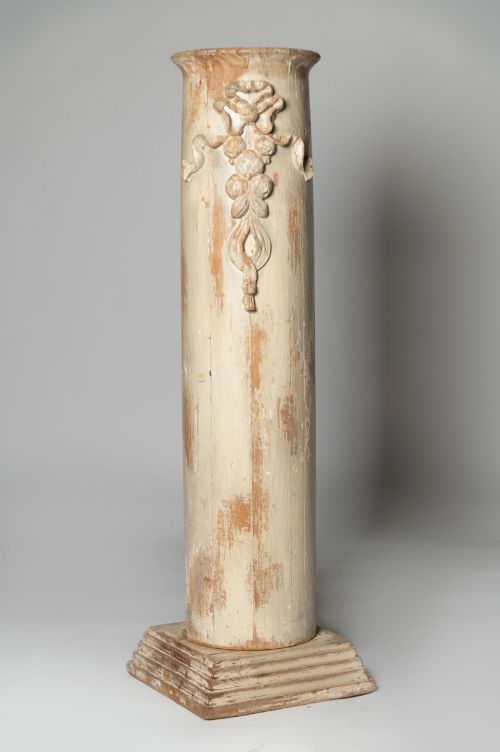
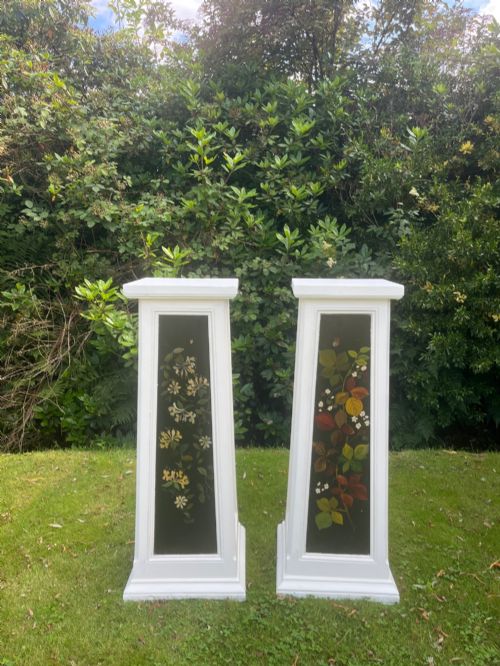
An antique wooden plinth functions primarily as a display pedestal, column, or stand to elevate sculptural works or decorative items. The pieces gathered under this phrase draw on varied traditions, ranging from neoclassical columns to French sculptor stands and Gothic Revival forms.
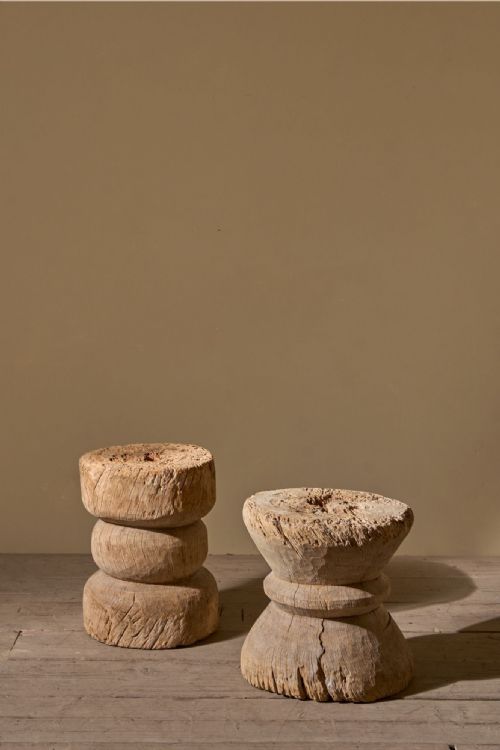
The selections available include items from the nineteenth century through the early twentieth century. Common formats take shape as columns, display pedestals, stands, and occasional hybrid forms like stools or side tables.
Geographic origins span across Sweden, France, and Britain, alongside broader Scandinavian and Georgian or Victorian design idioms. Buyers encounter painted surfaces, gilt highlights, and rich mahogany grains depending on the specific regional workshop.
How they were made
Construction relies heavily on traditional timber handling, utilising woods such as mahogany, oak, pine, and mahogany veneer. Cabinet makers shape these materials into sturdy columns, square display tops, and robust structural bases.
Surface treatments introduce decorative complexity through applied paint, gesso, and gold leaf. Guilders and painters layer these finishes over the underlying wood to achieve the metallic sheen seen on gilt pedestals or the muted tones of painted Swedish columns.
Retail Price Guide 2026
Typical UK retail prices for wooden plinth, calculated from the Sellingantiques database of over a million retail prices indexed since 2003. This retail price guide relies exclusively on Sellingantiques data; no external sources or auction records are used, so the figures do not describe the wider market.
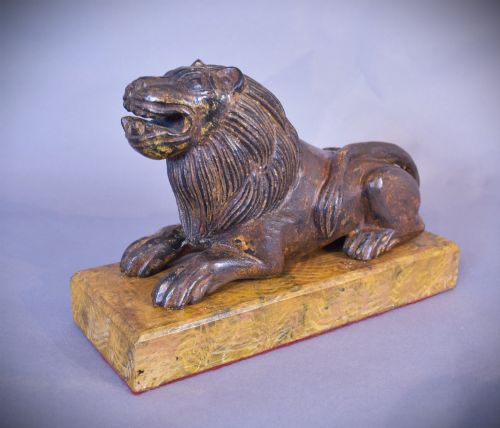
One past listing elevated a Buddhist monk statue, proving that wood plinths can support quiet contemplation just as well as grand urns.
What varies in quality
The distinction between standard examples and superior pieces rests on the precision of the joinery and the depth of the carved detailing. Skilled execution in the capital capitals and fluted columns separates finer workshop output from simpler utilitarian stands.
Surface preservation dictates much of the visual impact, particularly where fragile media like gesso and gold leaf are involved. Original painted finishes that retain their authentic patina command greater appreciation than heavily restored or later repainted surfaces.
The Antique Wooden Plinth Glossary
- Gesso
- A plaster-like mixture applied to wood surfaces as a base for painting or gilding. It provides a smooth ground for delicate surface ornamentation.
- Gold leaf
- Extremely thin sheets of beaten gold applied to decorative woodwork. This technique adds a reflective metallic finish to columns and stands.
- Mahogany veneer
- A thin layer of fine mahogany timber adhered to a secondary wood core. This method allows makers to display striking grain patterns without using solid costly lumber.
- Pedestal
- A structural support or base that elevates a statue, vase, or urn. It forms the primary architectural function for most items on this page.
- Gothic Revival
- An architectural and decorative style drawing inspiration from medieval forms. Pieces in this idiom frequently incorporate pointed arches and heavy timber construction.
Frequently Asked Questions
How are antique wooden plinths used?
These pieces serve mainly as display stands for sculptures, pottery, or large decorative objects within a room.
They function to raise items to eye level, drawing visual focus to the displayed piece.
What woods were used for plinths?
Makers constructed these supports using hardwoods like mahogany and oak for durable strength.
Softer timbers like pine frequently served as structural cores, especially when the surface was destined for paint or gesso.
How do I identify a period?
Stylistic markers such as neoclassical columns or Gothic Revival details point toward nineteenth-century origins.
Material finishes like gold leaf over gesso further anchor pieces within specific historic design movements.
Where were these pieces made?
Workshop origins span across Britain, France, and Sweden, reflecting distinct regional tastes.
French ateliers and Scandinavian makers produced particular variations like sculptor stands and painted columns.