
Antique Wooden Pedestal Cupboards
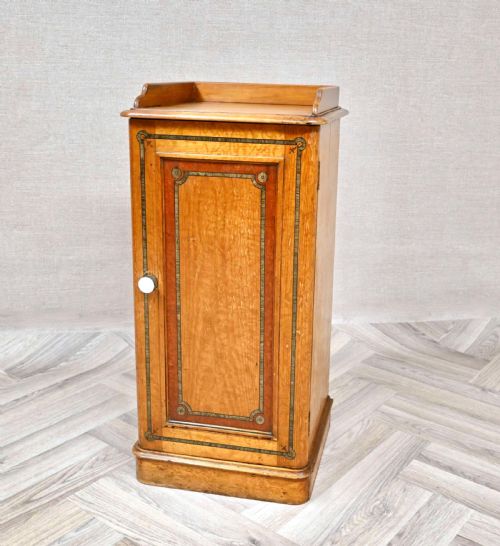
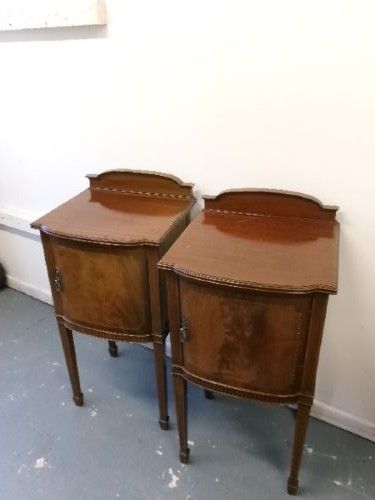
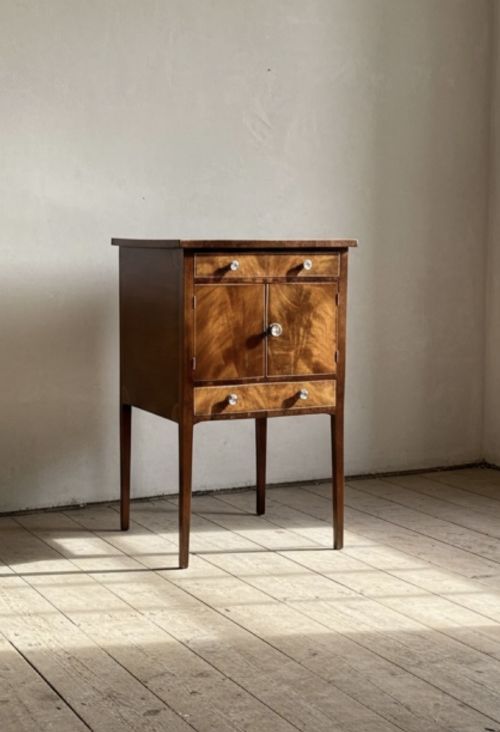
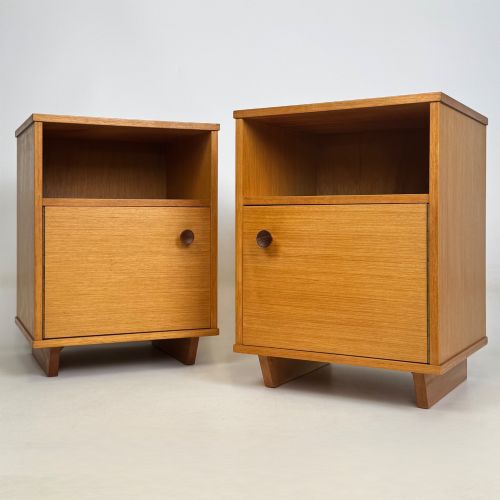
These antique wooden pedestal cupboards combine practical bedside storage with the rich grain of mahogany, walnut, and oak.
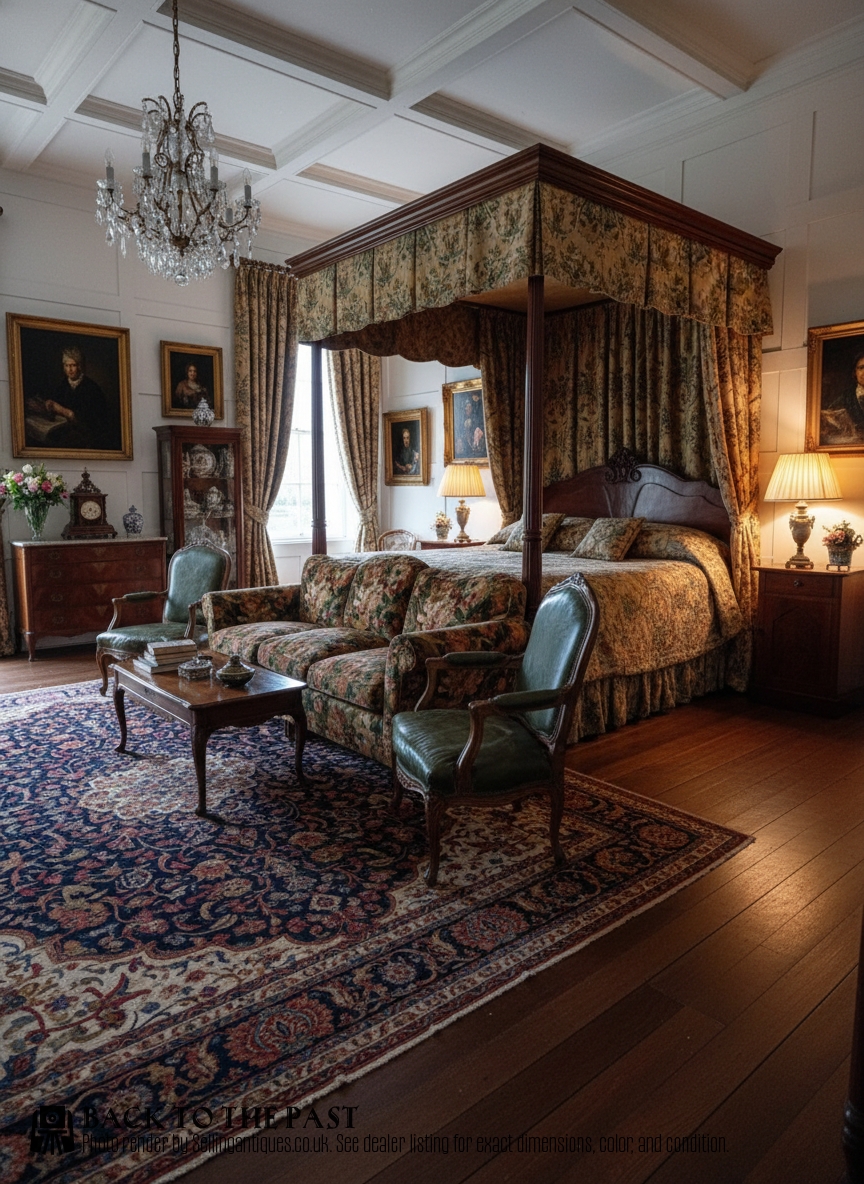
Antique Wooden Pedestal Cupboards
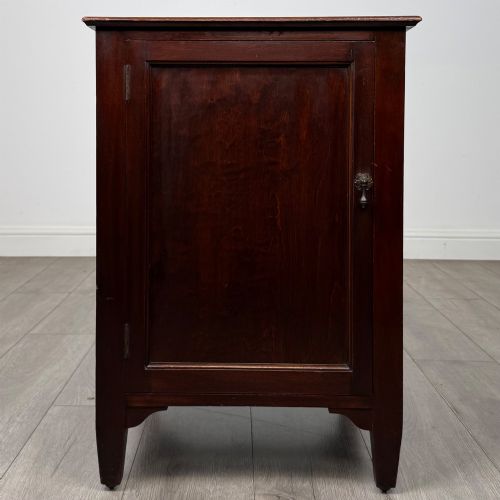
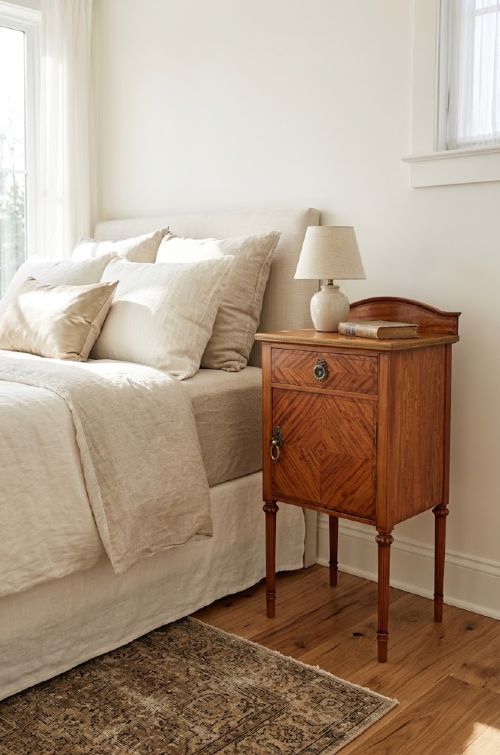
Antique wooden pedestal cupboards serve as enclosed bedside storage units, frequently taking cylindrical or rectangular forms to hold night essentials. Buyers seeking these items will find examples originating primarily from the Victorian and Edwardian eras, alongside pieces attributed to the Georgian and Regency periods.
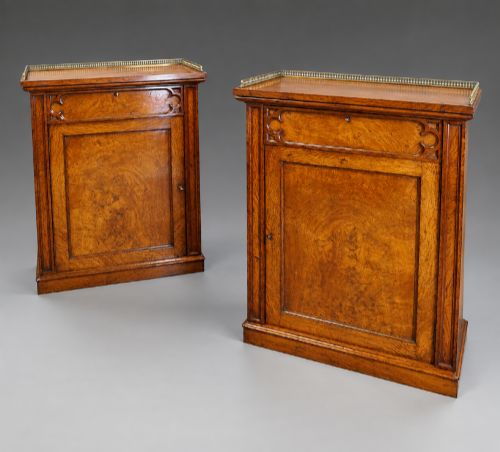
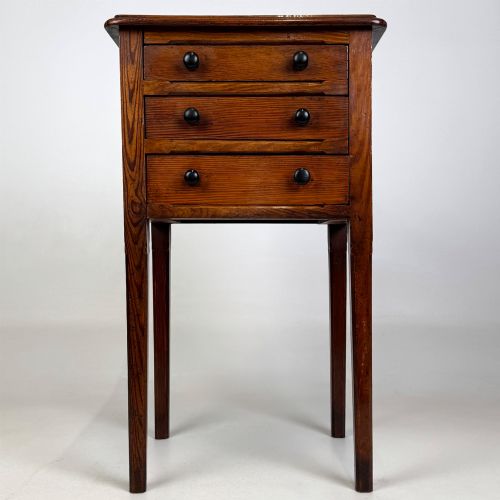
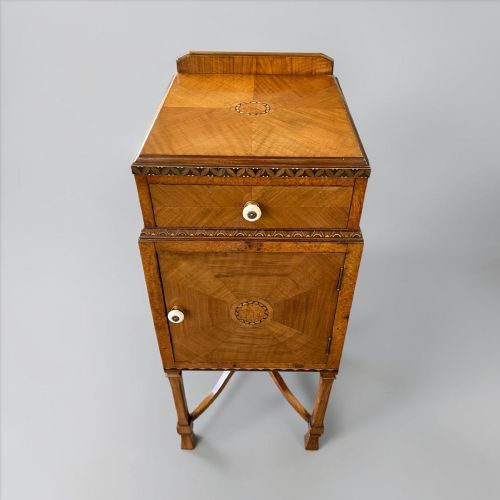
The selection ranges from compact single-door nightstands in satinwood and pine to matched pairs of figured walnut cabinets. Alongside dedicated pot cupboards, the broader category includes side cabinets and occasional tables designed with a single vertical column or pedestal structure.
Materials and Construction
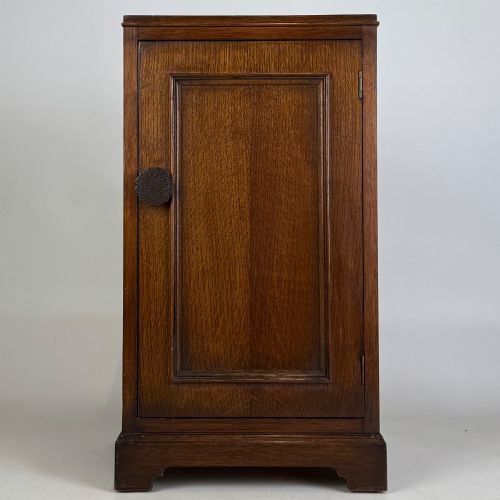
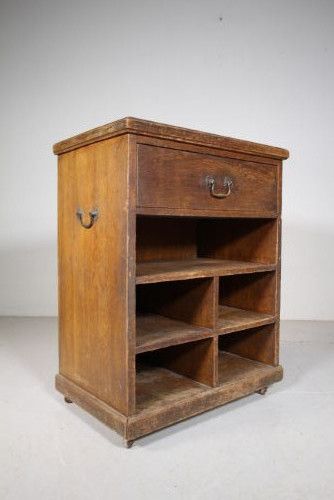
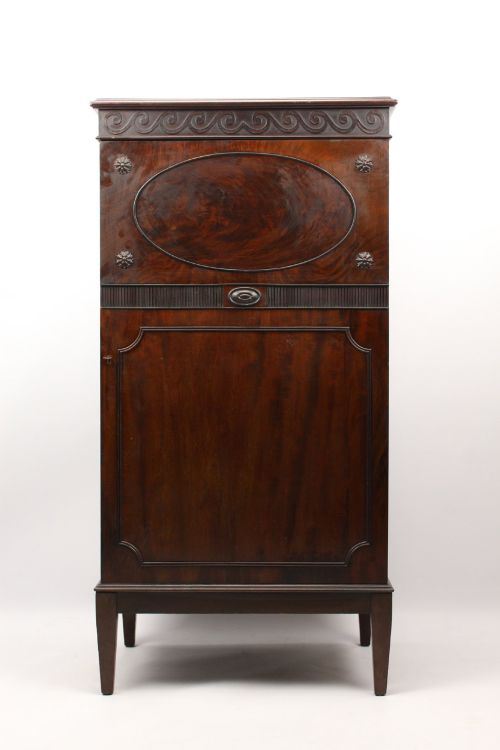
Cabinetmakers utilised dense hardwoods such as mahogany, oak, and walnut, often selecting figured veneers and burr walnut to create striking visual patterns on door panels. Secondary timbers like pine appear on internal components and drawer linings.
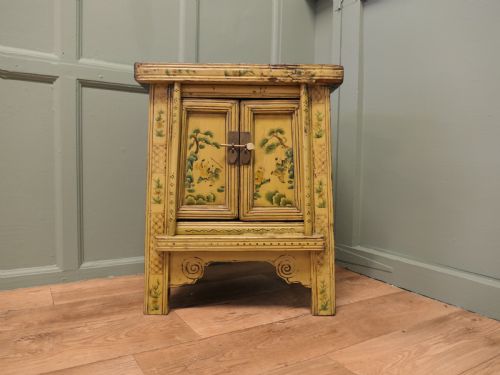
Joinery methods rely on traditional framing and panel construction, paired with brass handles, hinges, and occasional marble tops. Surface finishes involve polished wood grains, painted pine, and decorative Chinoiserie motifs.
The inventory includes cylindrical bedside units, marble-topped cabinets, and Chinoiserie decorated pieces alongside standard square nightstands.
Assessing Quality and Execution
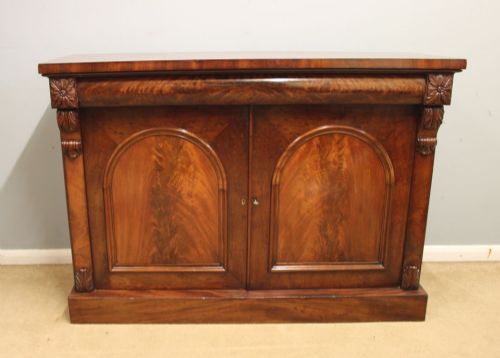
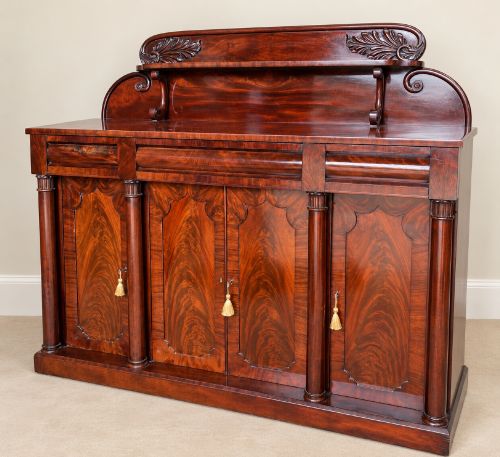
Quality rests upon the selection of timber veneers, where symmetrical flame mahogany or richly figured burr walnut elevate the visual impact of a pedestal cupboard. Superior examples exhibit precise marquetry inlay, well-fitted doors, and original brass hardware rather than later replacements.
The integrity of the internal shelving, drawer construction, and stability of cylindrical or panelled bodies distinguish workshop production. Finer pieces demonstrate careful attention to concealed joints and harmonious proportions across pairs.
Denby & Spinks·Holland & Sons
The Antique Wooden Pedestal Cupboards Glossary
- Pedestal cupboard
- A freestanding, enclosed storage cabinet built upon a single central column or box base. These pieces typically house a single door opening to interior shelving.
- Pot cupboard
- A specialised bedside cabinet historically designed to enclose a chamber pot. They frequently feature a marble top and an internal shelf.
- Burr walnut
- Timber harvested from the Burl growth of a walnut tree, yielding complex, swirling grain patterns. Cabinetmakers sliced this wood into thin veneers for decorative door fronts.
- Flame mahogany
- Mahogany veneer cut at the point where a branch joins the main tree, producing a distinctive flickering flame pattern. This material defines many Regency and Victorian pieces.
- Sheraton Revival
- A late 19th and early 20th century design movement inspired by the furniture of Thomas Sheraton. Pieces in this style often incorporate delicate inlay and classical symmetry.
Antique Wooden Pedestal Cupboards: Frequently Asked Questions
What is a pedestal cupboard used for?
These cabinets function primarily as bedside tables, providing closed storage for night-time items behind a single door.
Historically, many served as pot cupboards to conceal chamber pots before the widespread adoption of indoor plumbing.
How do I identify a Victorian pedestal cupboard?
Victorian examples frequently employ heavy mahogany or burr walnut timbers, often featuring cylindrical bodies or marble tops.
Construction from this era commonly displays deep polish and robust internal joinery characteristic of 19th-century workshop methods.
Are these cupboards sold as pairs?
Many listings comprise matched pairs of bedside cabinets designed to flank a bed symmetrically.
Single pieces also appear frequently, reflecting their original manufacture as standalone items for smaller chambers.
What woods were used for antique cupboards?
Cabinetmakers relied heavily on mahogany, oak, and walnut as primary structural and surface timbers.
Finer examples incorporate decorative veneers like satinwood and burr walnut, while secondary woods such as pine appear on interiors.