
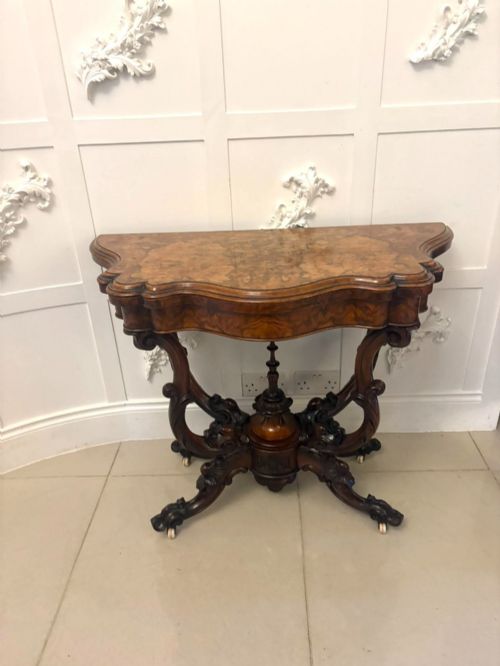
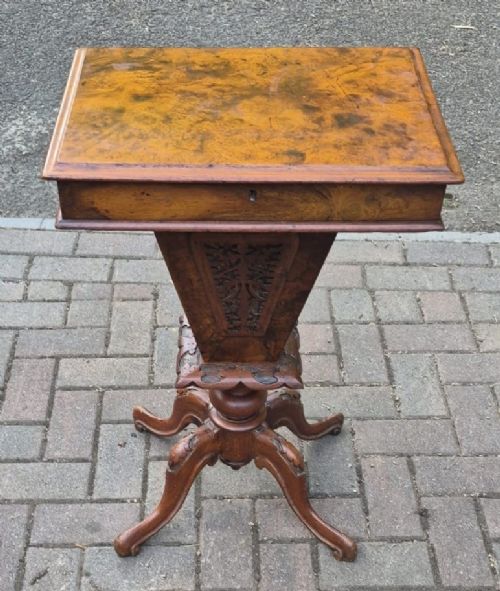
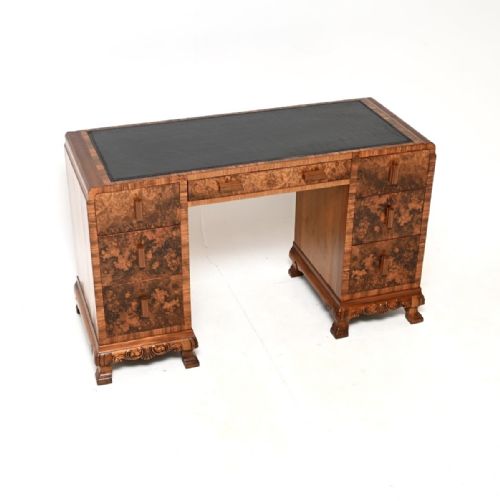
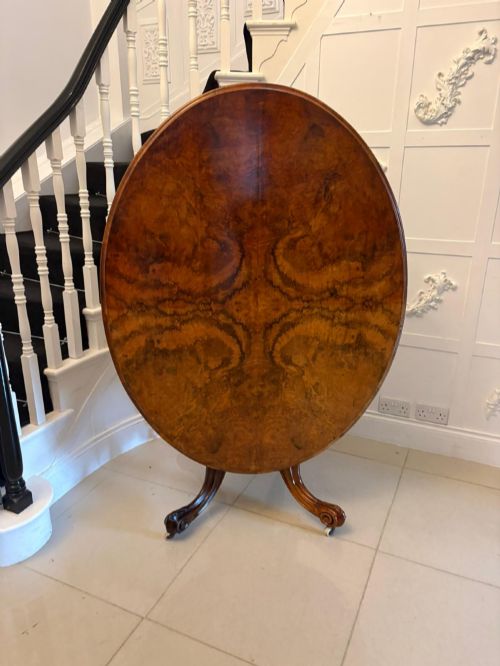


Burr Walnut Pedestals
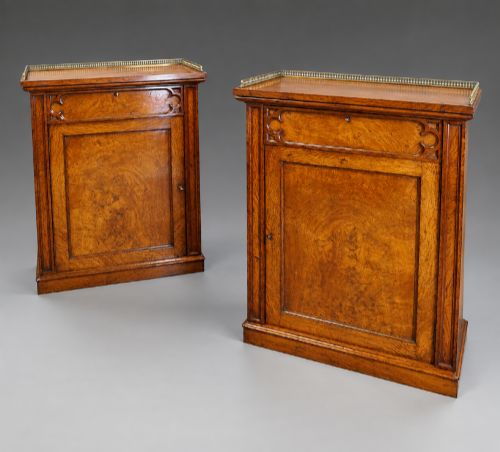
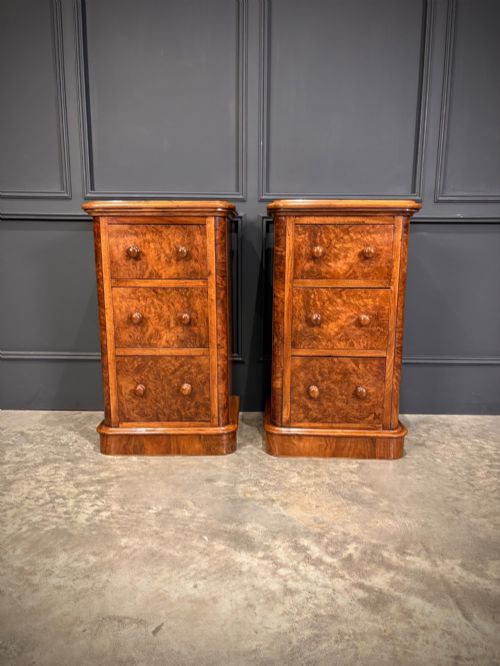
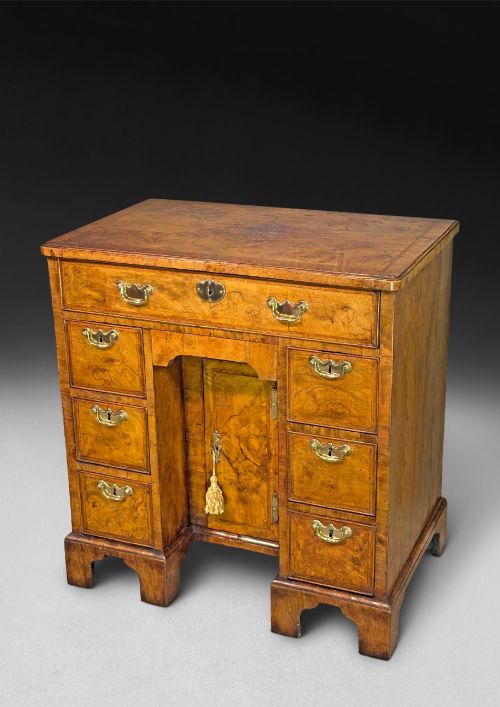
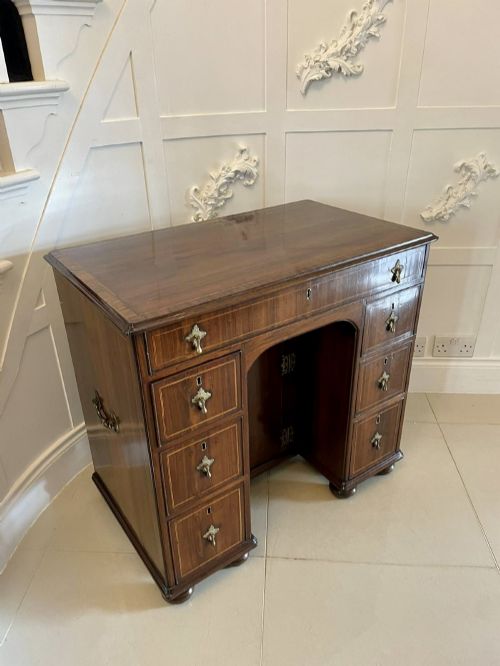
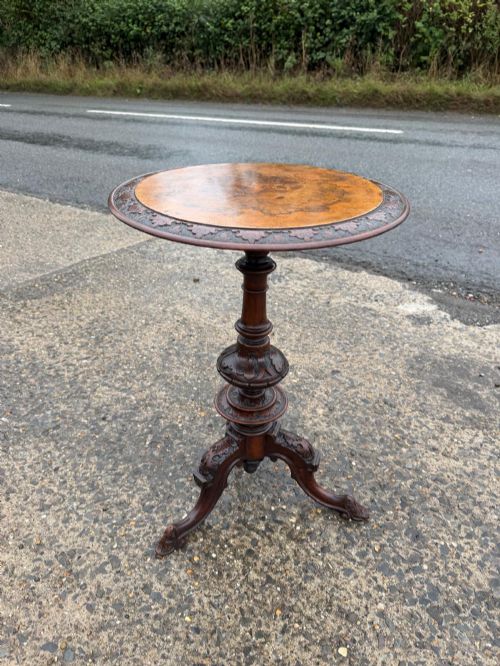
Burr walnut pedestals are substantial standing supports and bedside cabinets displaying rich grain patterns, prized for their decorative presence.
Burr Walnut Pedestals
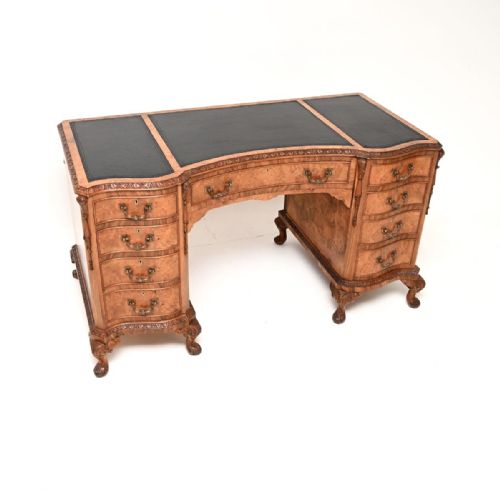
The form spans straightforward bedside lockers and taller pedestals utilising walnut, burr elm, and harewood. These items serve practical storage roles while displaying the intricate swirling patterns inherent to burr wood growth.
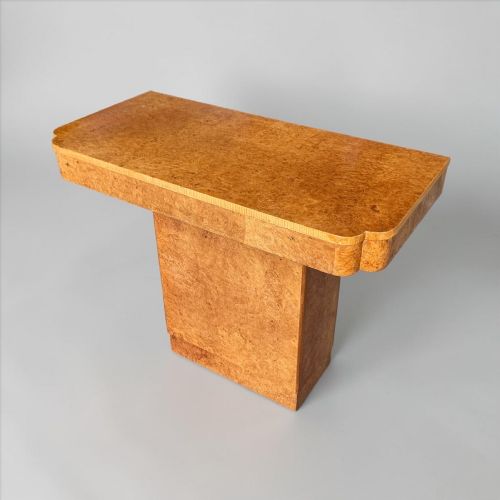
Origins stretch across the Victorian era into early twentieth century Art Deco interpretations. The selection frequently includes matched pairs originating from nineteenth century workshops.
How they were made
Cabinet makers utilised burr walnut veneer applied over stable secondary woods to achieve striking symmetrical patterns across doors and tops. Boxwood inlay frequently frames panels, adding linear contrast to the swirling grain.
Solid walnut and oak provide structural integrity for carcases and internal framing, while brass hardware secures doors and drawers. Selected pieces incorporate contrasting timbers such as harewood and burr elm within multi-toned marquetry designs.
Some Victorian bedside pedestals secretly doubled as discreet indoor plumbing facilities before plumbing moved indoors.
What varies in quality
Quality rests upon the choice and arrangement of the veneer, where dense, evenly matched burr patterns command greater visual authority. The precision of boxwood inlay and the crispness of carved mouldings further distinguish standard cabinetmaking from exceptional workshop production.
Internal construction, including solid oak drawer linings and original brass locking mechanisms, separates utility pieces from fine decorative furniture. The condition and stability of the underlying carcase dictate the enduring structural integrity of each pedestal.
Maple and Co·Walter Carter Harrods
The Burr Walnut Pedestals Glossary
- Burr walnut
- A veneer sliced from the deformed growth or burl of a walnut tree, yielding highly decorative swirling grain patterns. This material forms the primary visual surface on fine Victorian and Art Deco furniture.
- Veneer
- A thin layer of superior wood adhered to a stable secondary timber base. This technique allows cabinet makers to display elaborate grain patterns without relying entirely on scarce solid stock.
- Boxwood inlay
- Narrow strips of pale boxwood inserted into recesses within the walnut surface to create geometric borders or decorative motifs. It provides a sharp linear contrast to the dark swirling burr.
- Pedestal
- A structural support or freestanding cabinet designed to hold lamps, decorative objects, or serve as bedside storage. The form elevates items while offering enclosed cabinet space below.
- Marquetry
- The art of applying pieces of veneer to a structure to form decorative patterns and pictures. Craftsmen utilise diverse timbers like harewood and walnut to achieve tonal variation.
Burr Walnut Pedestals: Frequently Asked Questions
What is a burr walnut pedestal?
A burr walnut pedestal is a small freestanding cabinet or support column faced with decorative burr walnut veneer. These pieces were traditionally used beside beds or in reception rooms.
They combine enclosed storage with striking wood grain patterns. The category encompasses Victorian lockers and twentieth century interpretations.
How do I date a pedestal?
Dating relies on construction methods, timber choices, and stylistic cues present in the piece. Victorian examples often feature hand-cut dovetails and rich oil finishes.
Art Deco items from the nineteen thirties display cleaner geometric lines and different veneer handling. Examining interior secondary woods helps confirm the period of manufacture.
Are these pedestals sold as pairs?
Many burr walnut pedestals survive and are listed as matched pairs intended to flank a bed. Single pedestals also appear frequently for use as lamp tables or corner stands.
Matched pairs command particular interest for symmetrical bedroom placement. Individual pieces function effectively as occasional accent furniture.
How should I care for burr walnut?
Burr walnut furniture requires protection from direct sunlight and extreme temperature fluctuations to prevent veneer drying. Regular dusting with a soft dry cloth maintains the polished finish.
Application of appropriate furniture wax preserves the moisture and depth of the timber. Avoid placing damp items directly onto the vulnerable wood surface.