
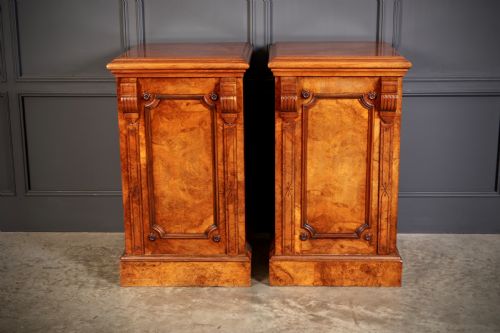

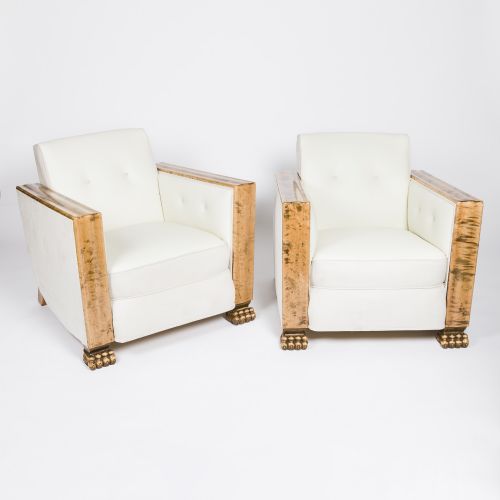


Pair Carved Walnut Pedestals
These pair carved walnut pedestals and related cabinets offer architectural presence and rich timber figures for the discerning interior.
Pair Carved Walnut Pedestals
When you search for pair carved walnut pedestals, you encounter substantial timber supports and cabinetry designed to elevate objects or furnish a room in matched symmetry. The pieces appearing here span the eighteenth, nineteenth, and early twentieth centuries, reflecting diverse periods from the Victorian era to earlier revivals.
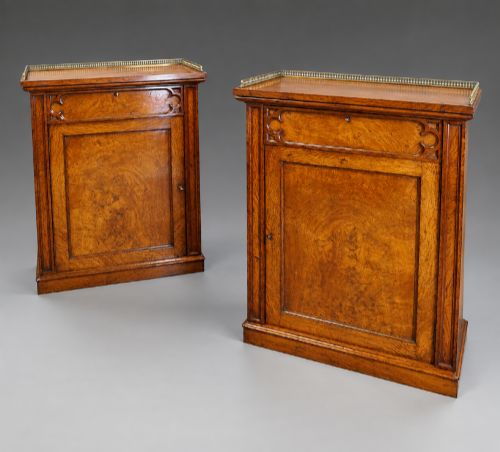
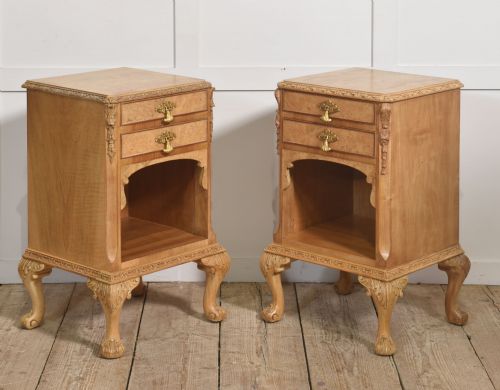
While the literal search brings up pedestals, the evidence shows that buyers frequently meet related walnut forms such as bedside cabinets, pedestal cupboards, side cabinets, and card tables. These items share the heavy use of walnut timber and often incorporate carving, marquetry inlay, or burr figures.
Origins vary across English, Irish, French, and Italian workshops, demonstrating how different European cabinetmakers interpreted classical and revival styles. A buyer is most likely to find nineteenth-century examples alongside early twentieth-century bedside pairs finished with figured veneers.
Materials and construction
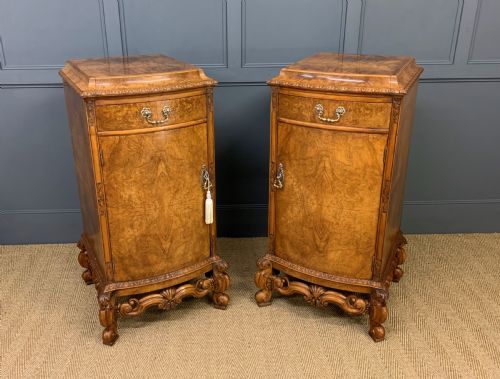
The primary material across these listings is walnut, frequently seen in highly figured variants such as burr walnut, which provides swirling grain patterns across flat surfaces and door panels. Supplementary materials like brass hardware, marble tops, and leather inserts appear on specific functional pieces.
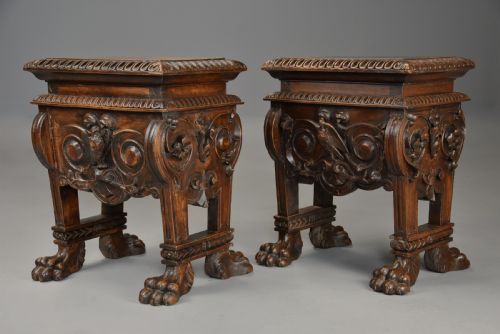
Cabinetmakers utilised solid timbers alongside finely cut veneers applied to stable secondary woods, securing stability while displaying rich brown tones. Carving work ranges from geometric Gothic tracery to naturalistic Black Forest hounds and Italian Renaissance motifs executed directly into the solid walnut.
Hounds carved from solid walnut watch quietly from the base of Black Forest tables, holding history in their paws.
Judging quality in walnut furniture
The distinction between standard domestic pieces and top-tier examples lies principally in the selection and matching of the timber veneer. Exceptional pairs display symmetrical grain across drawer fronts and doors, whereas lesser pieces use random or mismatched cuts of wood.
The crispness and depth of the carved elements separate competent workshop production from master craftsmanship. Sharp undercuts, well-defined relief work, and integrated structural carving indicate a higher standard of execution than shallow, mechanically finished ornamentation.
Valentino Besarel
The Pair Carved Walnut Pedestals Glossary
- Burr walnut
- A prized timber harvested from walnut tree growths, yielding intricate, swirling grain patterns. It is typically sliced into thin veneers for cabinet doors and table tops.
- Marquetry
- The art of applying small pieces of veneer to a structure to form decorative patterns and pictures. Craftsmen use contrasting woods to create detailed pictorial designs on cabinet surfaces.
- Gothic Revival
- An architectural and decorative style drawing on medieval ecclesiastical forms. Pieces from this movement often feature pointed arches, trefoils, and heavy carved tracery.
- Black Forest
- A nineteenth-century carving tradition originating in Switzerland and Germany. These items are characterised by naturalistic depictions of animals, foliage, and rustic scenes.
- Bowfront
- A convex, curved cabinet front that projects outward in an arc. This form softens room corners and requires specialised skill in bending wood and veneer.
Pair Carved Walnut Pedestals: Frequently Asked Questions
What were walnut pedestals used for?
These pieces served as architectural supports for displaying sculptures, urns, or large decorative vases in prominent reception rooms. Their sturdy construction allowed them to elevate art objects to eye level within period interiors.
Over time, similar pedestal forms were adapted into cupboards and bedside cabinets, providing enclosed storage while maintaining a formal silhouette.
How do I date a walnut cabinet?
Dating relies on examining the secondary woods used in the interior framing, the method of drawer construction, and the prevailing stylistic revival influences. Cabinetry from the Victorian era often incorporates machine-sawn elements and distinct hardware.
Earlier eighteenth-century pieces display hand-cut joinery and different patination on the timber surfaces. Comparing the veneer thickness and decorative motifs helps narrow down the period of manufacture.
Are matched pairs common?
Finding genuinely matching pairs from nineteenth- and early twentieth-century workshops is typical for bedside cabinets and side tables, as they were originally commissioned together. Some listings note items that were subsequently paired together based on matching timber and height.
Buyers should examine the grain orientation and cabinet dimensions to verify whether a pair was created concurrently by the same maker.
How do I care for walnut furniture?
Walnut requires stable room humidity to prevent the solid timbers and delicate burr veneers from splitting or warping. Keeping pieces away from direct heat sources and strong sunlight preserves the rich brown colour of the wood.
Regular dusting with a dry, soft cloth is sufficient for maintenance, avoiding silicone-based polishes that can degrade historical finishes over time.