
18th Century Carved Furniture
18th century carved furniture brings heavy timber and confident chisel work into a room, offering functional pieces built by hands that relied entirely on grain and joint.
18th Century Carved Furniture
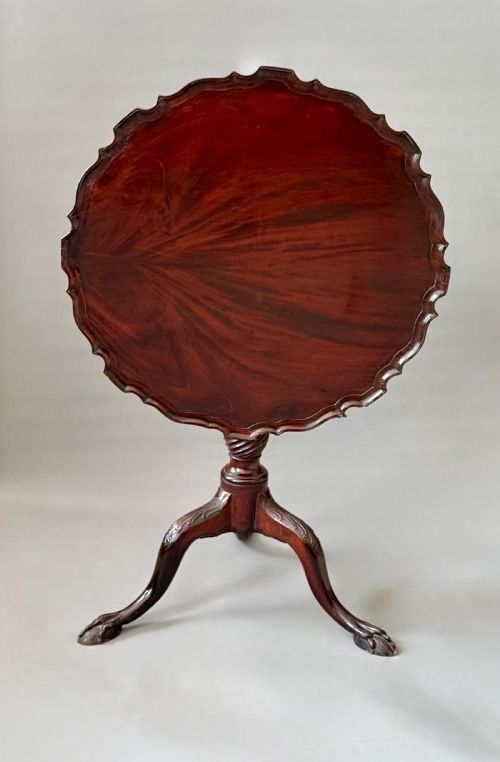
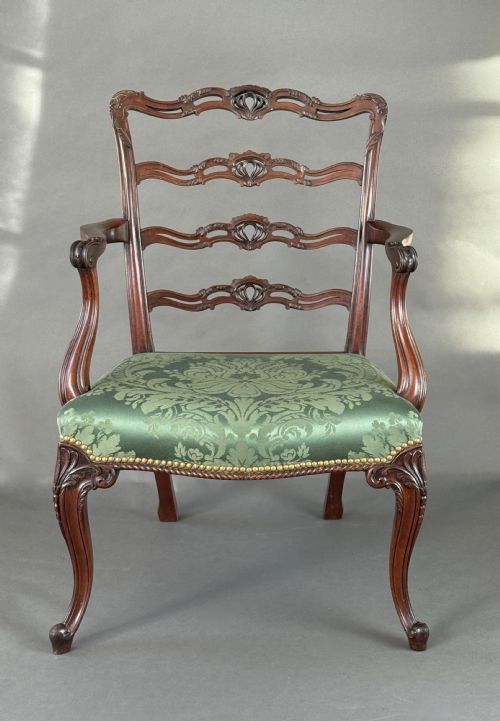
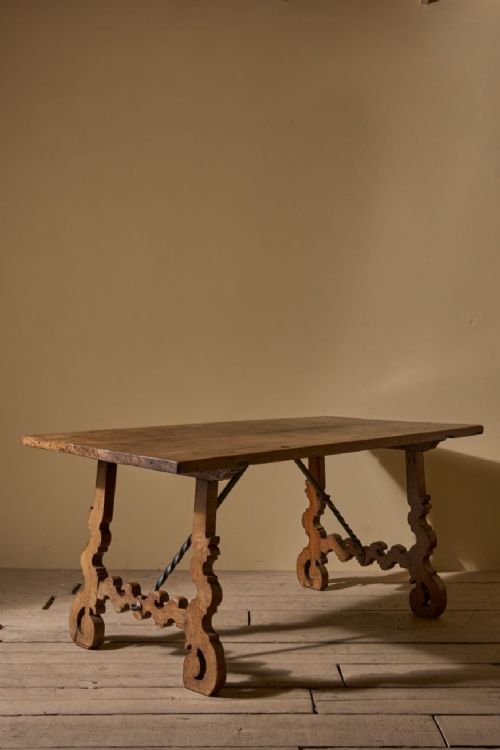
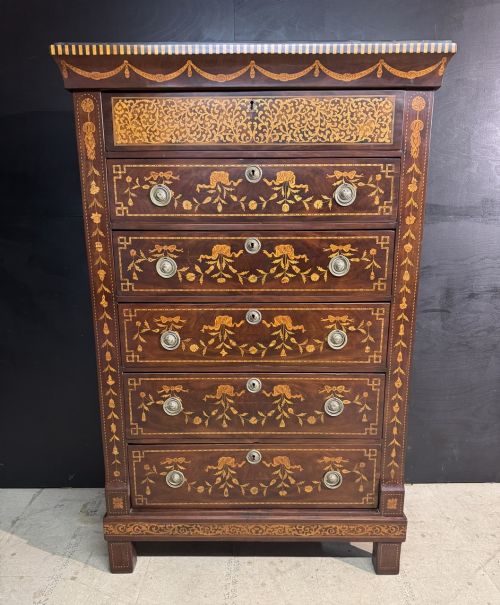
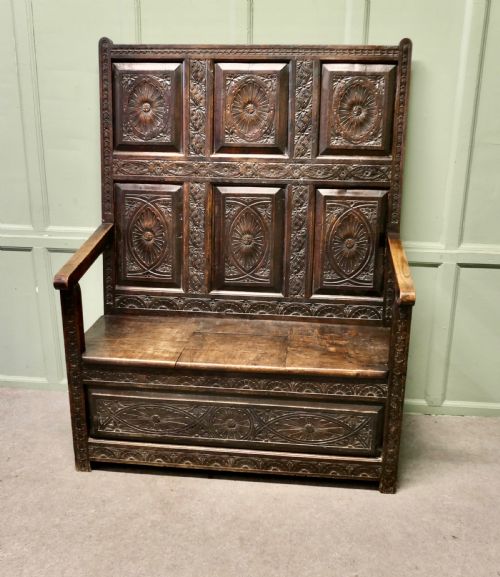
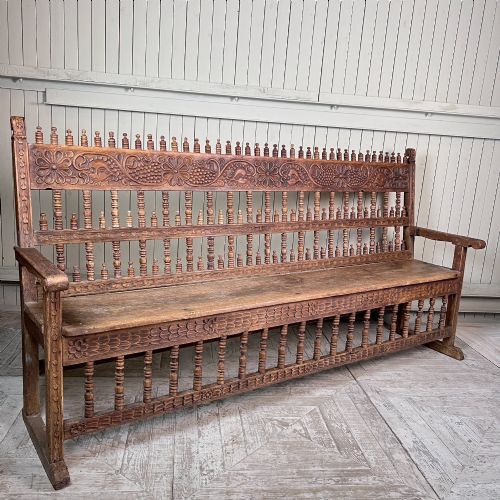
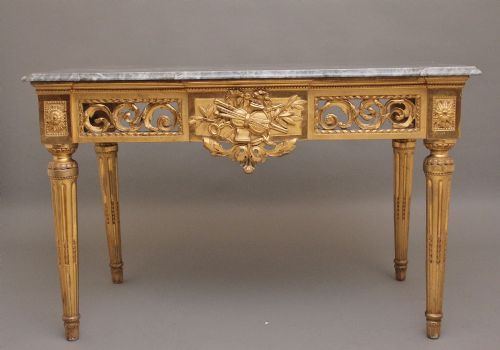
When you search for 18th century carved furniture, you encounter seating, tables, and storage pieces spanning the Georgian era and continental European workshops. Oak, walnut, and mahogany dominate the selection, shaped into forms ranging from Welsh vernacular settles to Italian giltwood console tables.
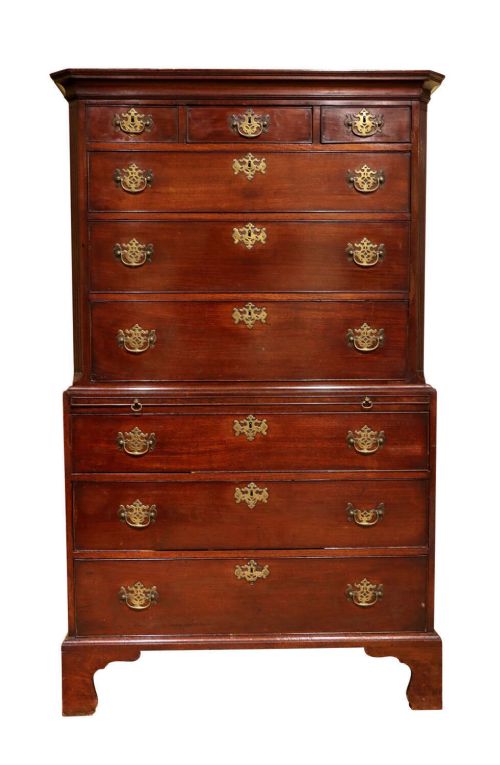
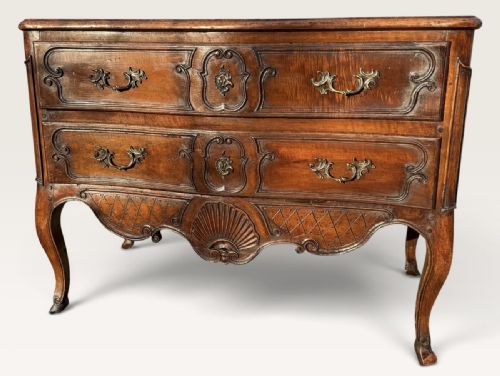
The most frequent pieces on this page are oak and walnut items from British and continental origins, including lowboys, chests of drawers, and armchairs. These domestic forms show regional vernacular traditions alongside high-style George II and Louis XV designs.
Pieces span country workshops and grander urban commissions, meaning surfaces vary from plain vernacular panels to silvered torcheres and giltwood consoles. Collectors find everything from robust oak box settles to refined mahogany chests on chest.
How They Were Made
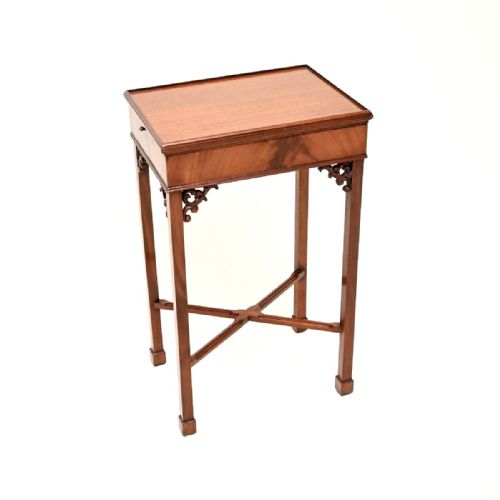
Cabinetmakers constructed these forms using solid hardwoods like oak, walnut, mahogany, and elm, assembled with traditional joints rather than metal fixings. Surfaces often display hand-cut mouldings, blind fretwork, and deep relief carving directly into the timber.
Continental workshops incorporated gesso, silvering, and giltwood finishes onto carved pine or hardwoods, topped occasionally with figured marble slabs. Iron and brass hardware, including original swing handles and escutcheons, secured drawers and doors.
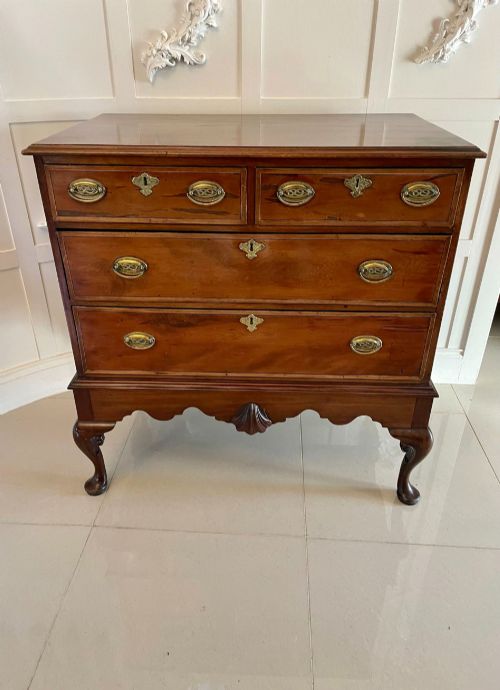
Object types recorded here include chests of drawers, lowboys, settles, torcheres, console tables, and apothecary cabinets.
What Varies in Quality
The depth and clarity of the chisel work dictate the visual distinction of a piece, separating mechanical execution from confident, fluid carving. Crisp relief on acanthus leaves, mouldings, and figurative elements shows the hand of a skilled artisan.
The integrity of the timber and the retention of original surface patination influence the standing of any item. Pieces retaining their early hardware, untouched polish, and uncompromised structural timbers hold greater character than heavily restored examples.
The 18th Century Carved Furniture Glossary
- Lowboy
- A small oak or mahogany side table featuring one or more drawers and cabriole or straight legs. These tables served as dressing tables or general utility stands in domestic interiors.
- Torchere
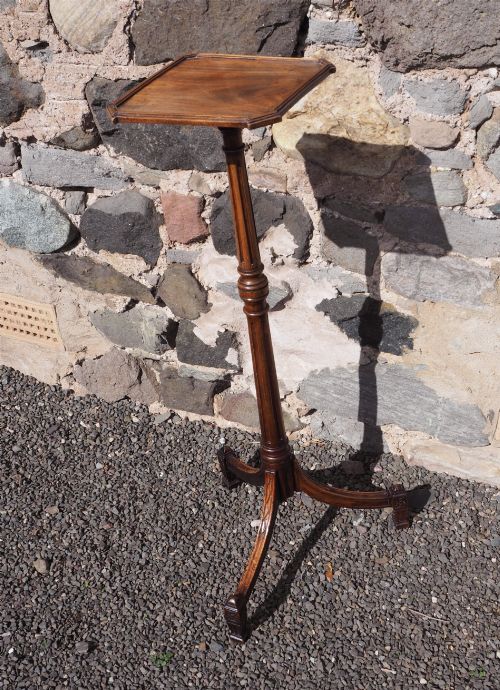
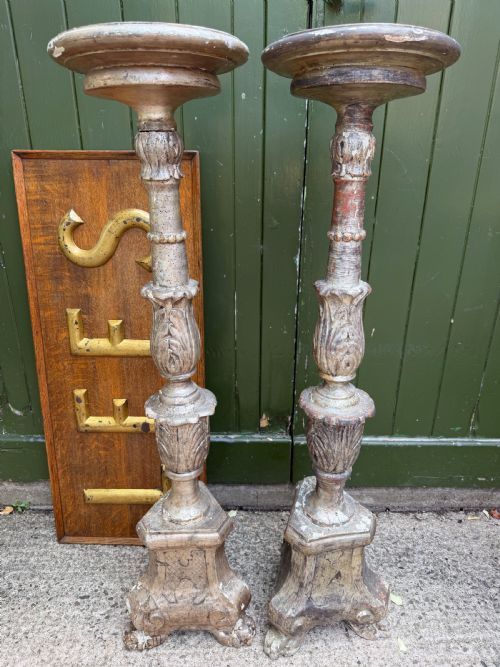
- A tall, slender stand designed to hold a candle or lamp. Italian and Dutch examples frequently showcase intricate carving and silvered or gilt surfaces.
- Settle
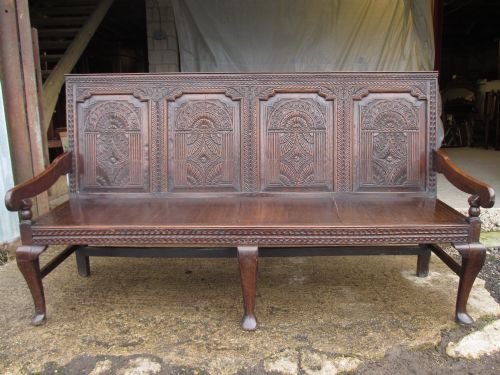
- A wooden bench with a high solid back, enclosed arms, and often a box seat below. Vernacular oak versions provided draught-proofing in large halls and farmhouses.
- Commode
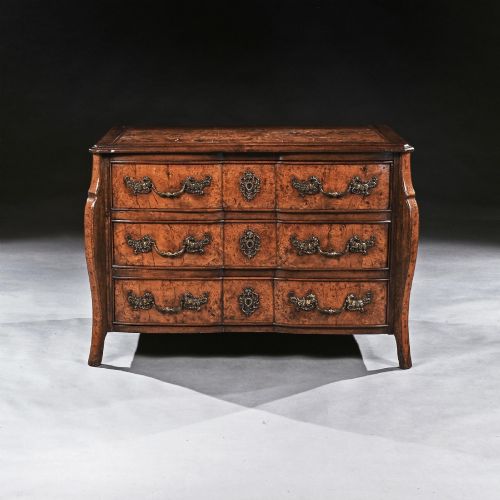
- A low chest of drawers or cabinet developed in France and adopted across Europe. Surviving examples often feature serpentine fronts, marquetry, or burr elm veneers.
- Console table
- A wall-mounted or freestanding table supported by decorative brackets or legs. Grand versions display carved giltwood frames and marble tops.
18th Century Carved Furniture: Frequently Asked Questions
How do I identify 18th century oak furniture?
Look for deep colouration, hand-planed surfaces, and pegged mortise and tenon joints that show subtle irregularities from hand tools. Regional British and Welsh pieces often display vernacular quirks distinct from London workshop standards.
Examine the backboards and drawer linings for vertical saw marks and uniform timber shrinkage. Original hardware placements and period brass handles further support the age of the piece.
What is a lowboy used for today?
These compact tables function well as writing desks, hallway landing surfaces, or bedside stands where floor space is limited. Their shallow drawers provide discreet storage for small household items.
In living areas, they serve effectively as lamp tables beneath artwork or mirrors. Their modest proportions allow them to fit into modern interiors without dominating the room.
How should I care for antique giltwood?
Giltwood surfaces require protection from direct sunlight and high humidity to prevent the underlying gesso and gold leaf from flaking. Dust them extremely gently with a soft, dry brush without applying moisture or chemical cleaners.
Avoid placing items with damp bases directly onto gilded console tables or torchere tops. Professional conservation is necessary if structural movement causes the carved gesso to crack.
What distinguishes George II furniture?
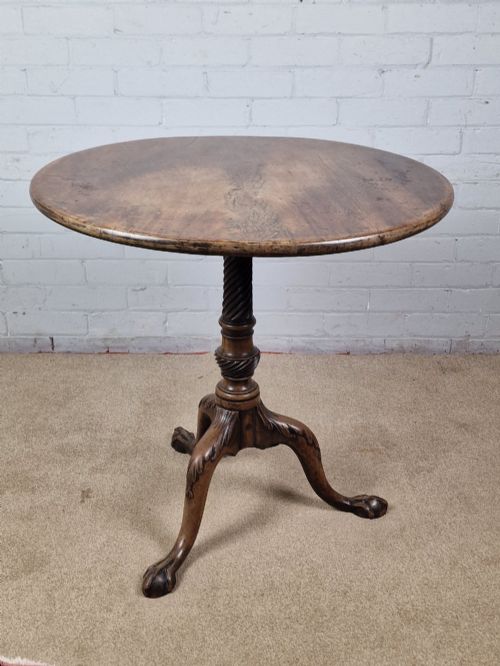
George II pieces typically feature substantial proportions, robust cabriole legs ending in pad or claw-and-ball feet, and bold carved ornamentation. Walnut and mahogany are the primary timbers from this design period.
You will frequently encounter architectural motifs, scallop shells, and lion masks integrated into the woodwork. Irish variations of this style often exhibit distinct, heavier proportions and regional carving quirks.