
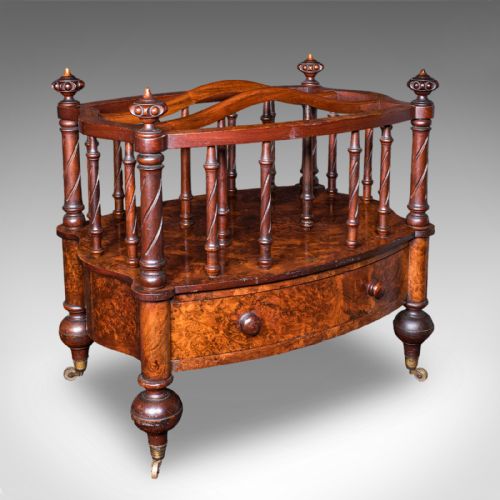
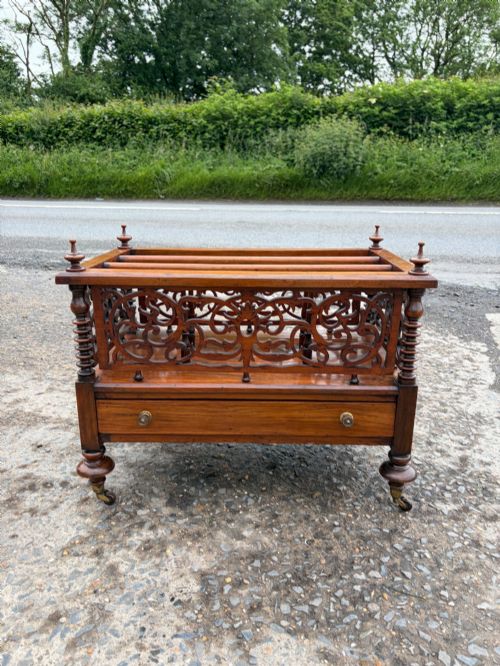
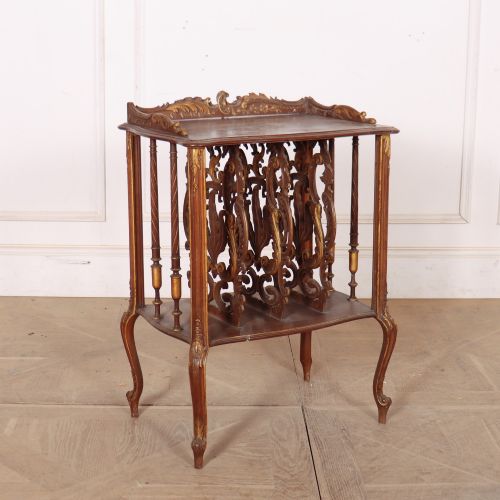

Antique Wooden Paper Rack
An antique wooden paper rack brings order to correspondence and reading rooms, pairing practical division with the warmth of figured timber.

Antique Wooden Paper Rack
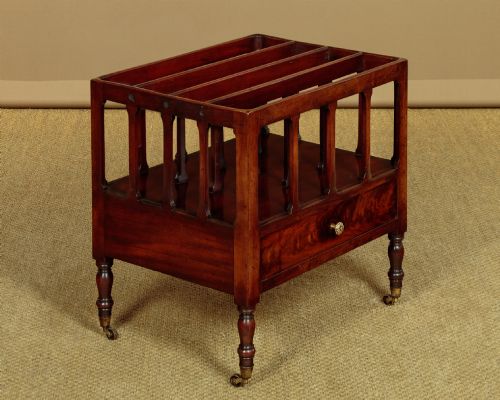
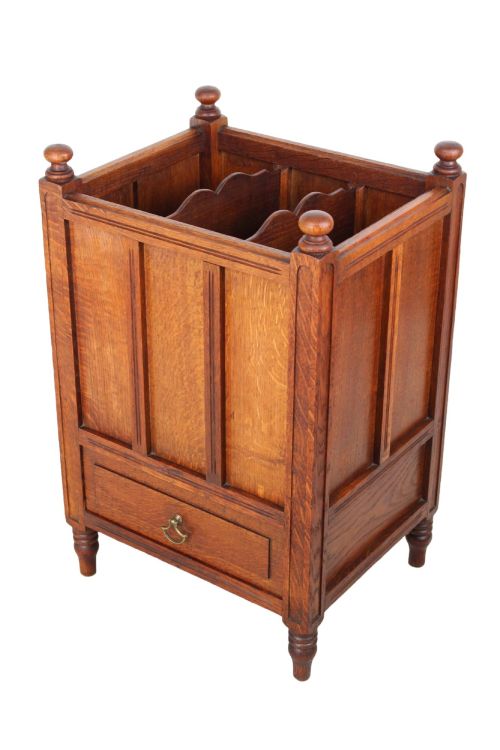
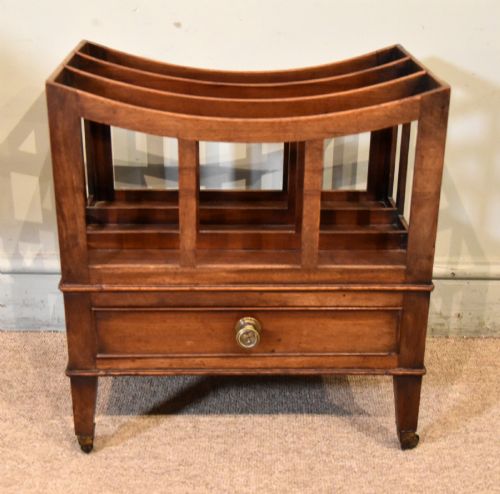
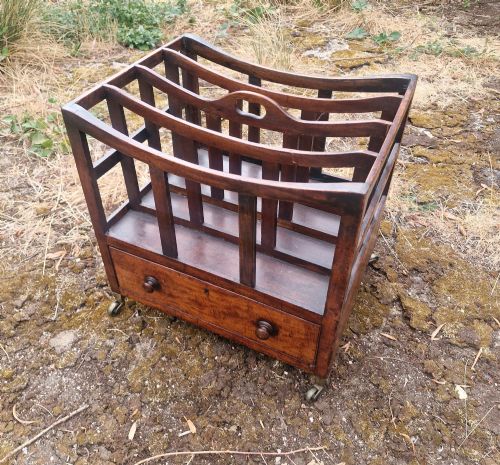
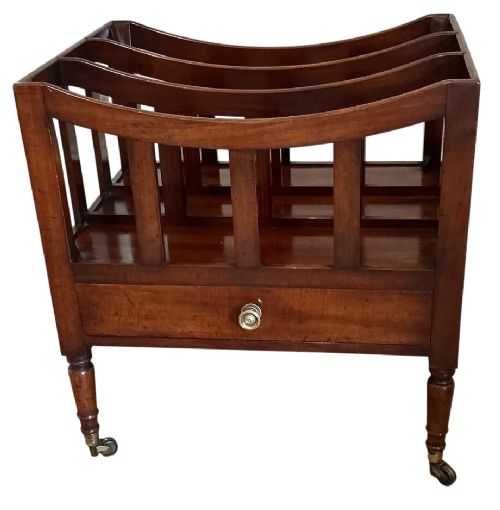
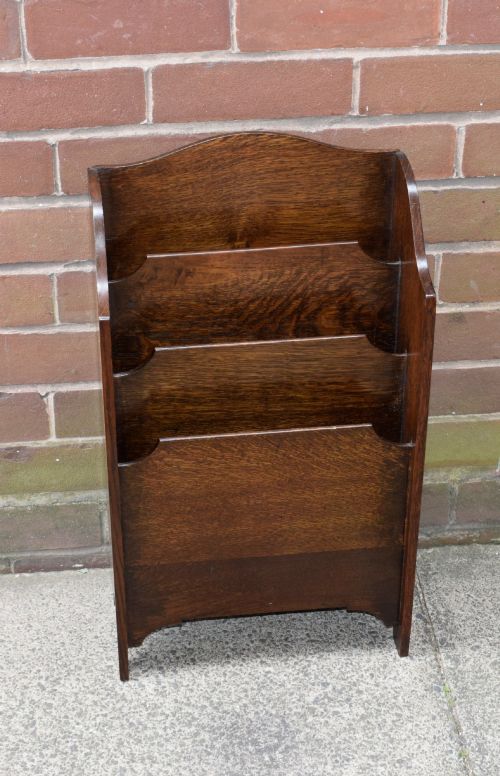
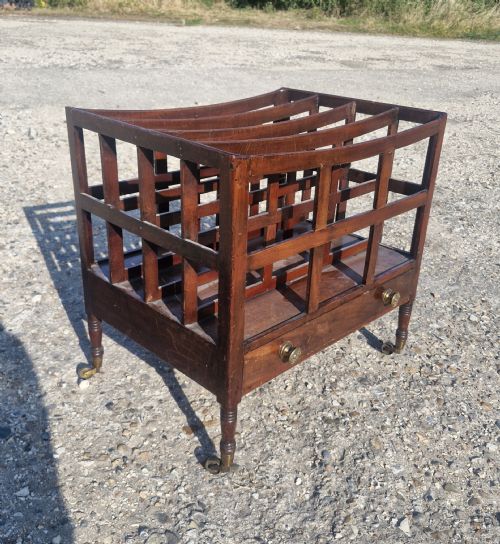
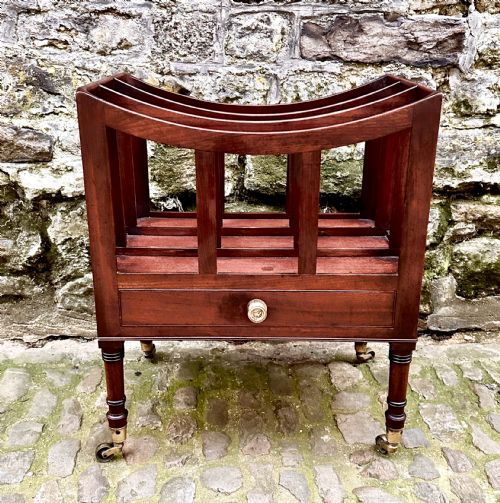
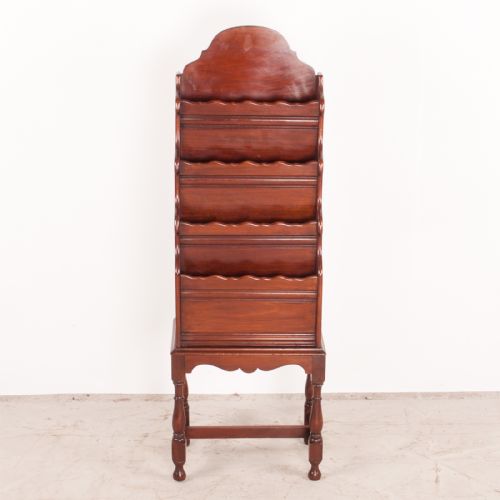
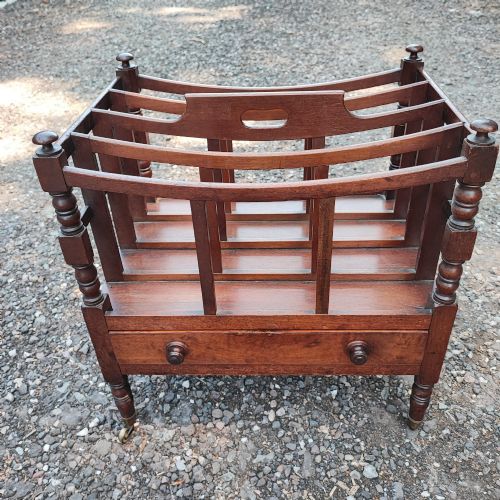
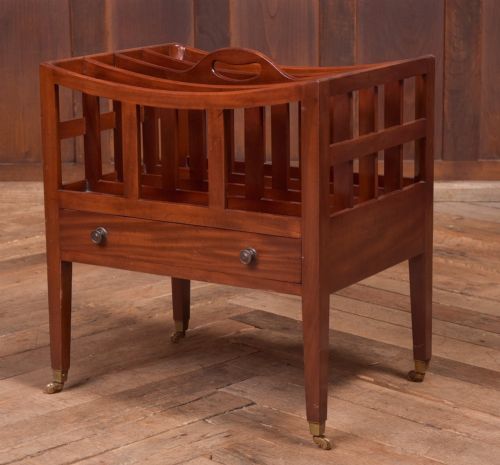
An antique wooden paper rack appears on this page primarily through the traditional form of the Canterbury, alongside related desk tidies and magazine holders. These pieces span periods from the Georgian and Regency eras through the Victorian, Edwardian, and 1920 years, capturing centuries of domestic organisation.
The most frequent form encountered is the Canterbury, designed with slatted partitions to hold sheets, folios, and periodicals upright. Buyers also meet desk boxes, music stands, and wall or countertop tidies intended for letters and paper rolls.
Origins stretch across English country houses and town residences, executed in timbers such as mahogany, rosewood, walnut, and oak. Each piece reflects the changing interior demands of the nineteenth and early twentieth centuries.
Materials and Technique
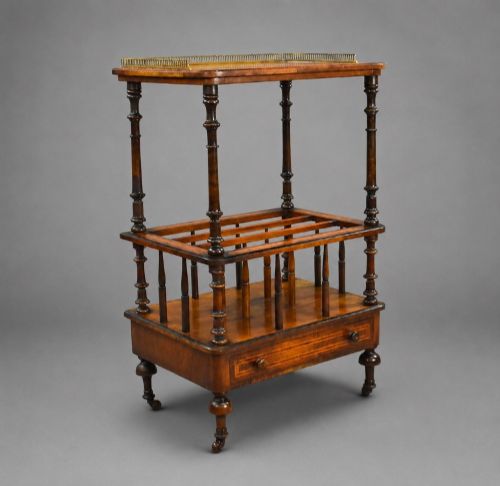
Cabinetmakers utilised dense hardwoods including mahogany, rosewood, and walnut, frequently selecting burr veneers and figured grains to create decorative surfaces on panels and drawer fronts. Satinwood and ebony banding occasionally provide sharp linear contrast.
Construction relies on traditional joinery to support upright divisions, plinths, and occasional drawers, paired with brass castors and handles. Carving and marquetry inlay appear on selected pieces to enrich the primary timber.
Periods represented span from Georgian and Regency origins through Victorian, Edwardian, and 1920s examples.
Distinctions in Standard
Quality rests upon the selection of timber grain, where highly figured burr walnut, rich rosewood, or finely grained mahogany elevate a piece above plain utility. The crispness of inlay work and the subtlety of banding show the cabinetmaker's hand.
Structural integrity of the slatted divisions and the smooth movement of any integrated drawer distinguish superior examples. Finer pieces retain matching brass hardware and balanced proportions across the entire stand.
The Antique Wooden Paper Rack Glossary
- Canterbury
- A low stand with partitioned sections for holding sheet music, newspapers, or periodicals. It frequently includes a low drawer beneath the main compartment.
- Marquetry
- The art of applying pieces of veneer to a structure to form decorative patterns and pictures. Craftsmen utilise contrasting woods to achieve pictorial depth.
- Whatnot
- An open set of slender shelves used for displaying or storing small items. Examples sometimes combine shelving with lower paper racks.
- Regency
- A British design style spanning the early nineteenth century, noted for classical restraint and dark timbers. Pieces often display clean architectural lines.
Antique Wooden Paper Rack: Frequently Asked Questions
What is an antique wooden paper rack used for?
These pieces served to organise daily correspondence, newspapers, and unbound sheets within domestic rooms and studies.
They keep paper upright and separated, preventing damage while providing accessible storage on desks or floors.
How do I date an antique paper rack?
Dating relies on identifying timber choices, construction methods, and stylistic cues associated with periods like Regency or Victorian.
Secondary woods, handles, and castors offer further clues to the decade of manufacture.
Where should I place a Canterbury in my home?
A Canterbury sits well beside a sofa or armchair to hold current reading material and periodicals.
Smaller desk tidies find a natural home on top of writing tables or sideboards to corral letters.
How do I maintain wood and brass on these pieces?
Dust the timber regularly with a soft cloth and apply quality wax periodically to nourish the polished surface.
Avoid abrasive cleaners on brass castors and handles to preserve their natural patina.