



Antique Wooden Object
When you handle an antique wooden object, you hold centuries of domestic craft, maritime heritage and utilitarian design.
Antique Wooden Object
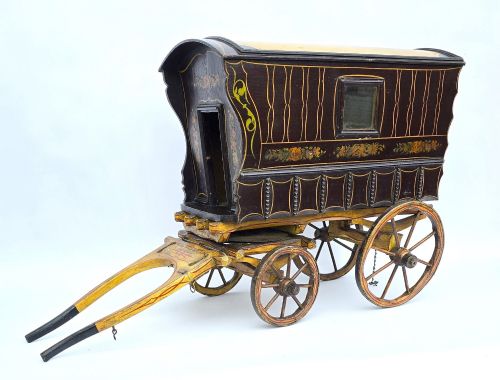
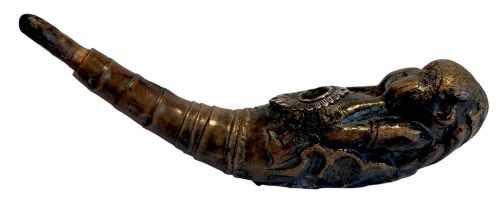
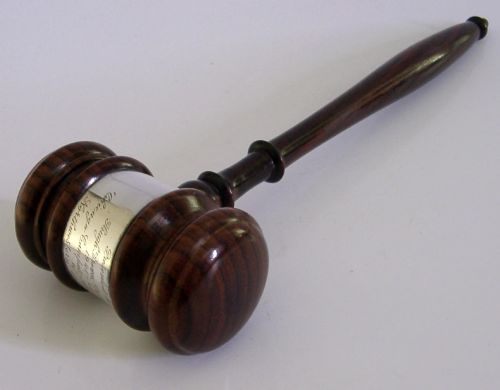
Buyers encounter utilitarian kitchenalia, desk accessories and intricate scale models alongside traditional carvings and games. Originating across Britain, Europe, Asia and the South Seas, these pieces reflect local materials and regional manufacturing traditions.
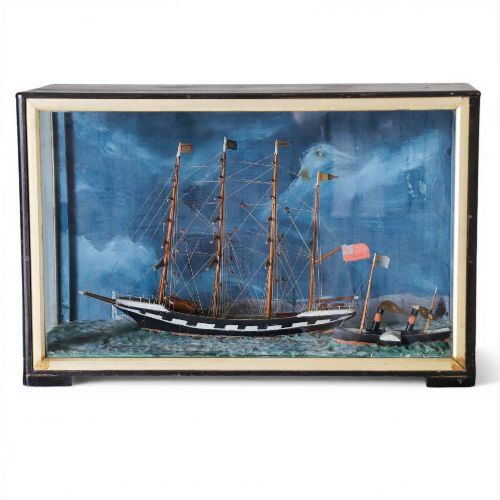
Domestic and maritime forms dominate the category, ranging from small treen lemon squeezers and apple corers to large scratch-built pond yachts and ship dioramas. Each survival offers tangible evidence of period life and manual labour.
Materials and construction
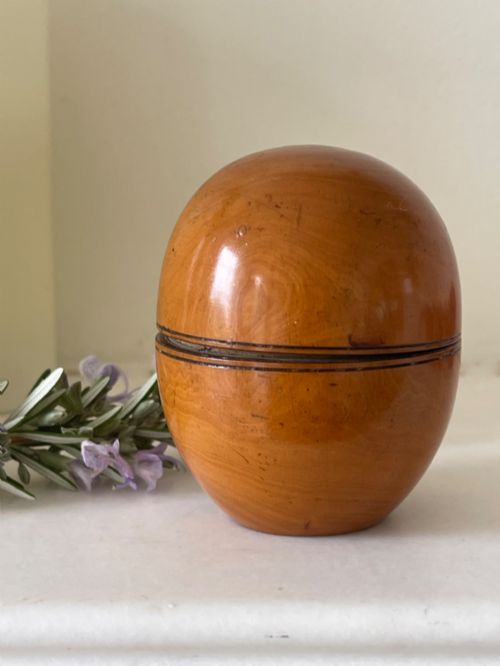
Makers utilised dense hardwoods such as boxwood, fruitwood, ebony, oak and elm, selected specifically for strength and the ability to hold fine detail under a cutting tool. Many functional items rely on turned wood construction on a lathe, producing symmetrical profiles for treen and gaming pieces.
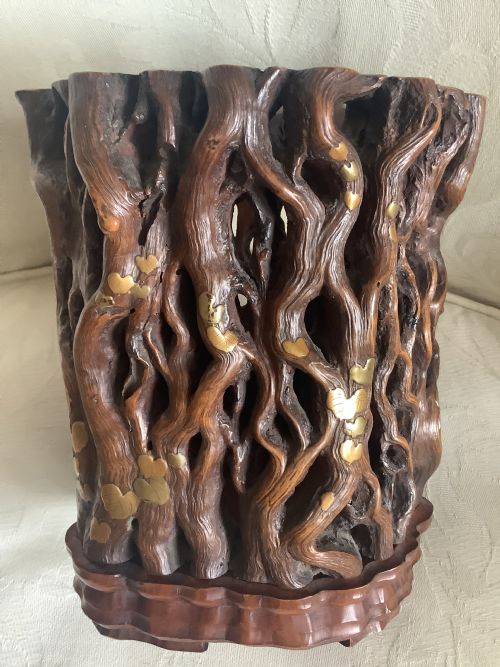
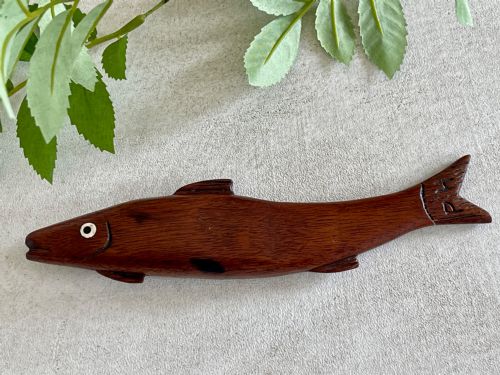
Hand-carved folk art pieces and maritime models incorporate specialised joinery, such as carvel hulls for pond yachts and articulated joints for toys. Inlays of contrasting timbers, alongside applications of brass, metal, paint and glass, provide structural reinforcement and decorative contrast.
Natural finishes including wax and historical paint layers protect the timber while preserving tool marks left by the maker. The interaction between grain patterns and hand-applied finishes defines the surface texture of these items.
Listings incorporate nineteenth-century maritime models, eighteenth-century bamboo items and twentieth-century folk art.
Judging the standard
Quality rests upon the crispness of the original hand-carving and the proportional balance of the turned form. Pieces that retain their original untampered surfaces display superior integrity compared to those stripped or heavily restored.
The sophistication of the joinery and the selection of timber grain elevate certain items above standard domestic output. Maker-signed pieces or items showing exceptional ingenuity in utilitarian design demonstrate higher workshop ability.
R.D. Roberts·Simon Troger·Guido Cacciapuoti
The Antique Wooden Object Glossary
- Treen
- Small, functional wooden household objects made by turners and joiners. These items include domestic utensils, boxes and desk accessories designed for daily use.
- Carvel hull
- A boat building method where plank edges butt flush against each other over a frame. This technique creates a smooth exterior surface on pond yachts and ship models.
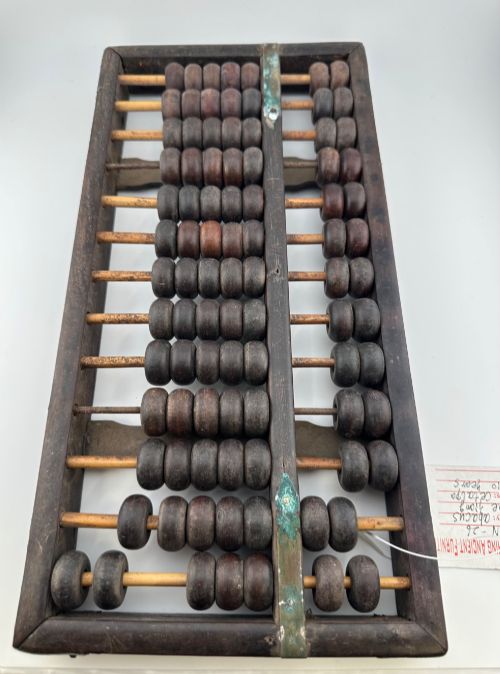
- Suanpan
- A traditional Chinese calculating tool utilising sliding beads on rods within a wooden frame. These abaci function as both mathematical instruments and structural woodwork.
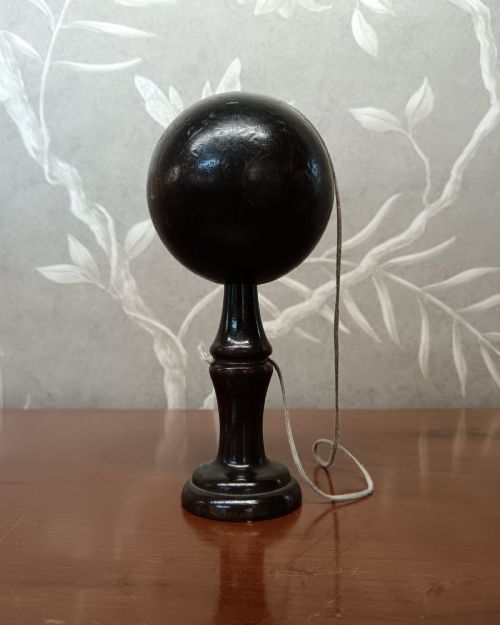
- Bilboquet
- A traditional game consisting of a ball attached to a cup or spike by a string. Players attempt to catch the ball in the cup or on the point.
- Knitting sheath
- A small carved wooden sleeve tucked into a belt to support a knitting needle. This nineteenth-century domestic implement allowed workers to knit efficiently with one hand stationary.
Antique Wooden Object: Frequently Asked Questions
What is treen?
Treen encompasses small utilitarian wooden objects created for domestic, professional or recreational use around the home and workplace.
These functional items include items like lemon squeezers, apple corers, boxwood clickers and pill silverers made by local turners.
How do I date antique wood?
Dating relies on identifying tool marks, wood species, construction methods and stylistic indicators associated with known periods like the Georgian or Victorian eras.
Examination of wear patterns, patination and historical metal fittings further helps establish the period of manufacture.
Were pond yachts used?
Pond yachts and model boats served as recreational sailing toys on park lakes during the nineteenth and early twentieth centuries.
Craftsmen built these working models with functional sails, rudders and ballast keels to perform on open water.
How should I care for wooden objects?
Wooden antiques require stable environmental conditions away from direct heat sources and extreme humidity fluctuations to prevent cracking.
Occasional application of microcrystalline wax maintains the surface sheen without damaging historical finishes.