



Antique Wooden Loveseat
An antique wooden loveseat brings intimate seating into a room, offering compact comfort through rich period framing and upholstery.
Antique Wooden Loveseat
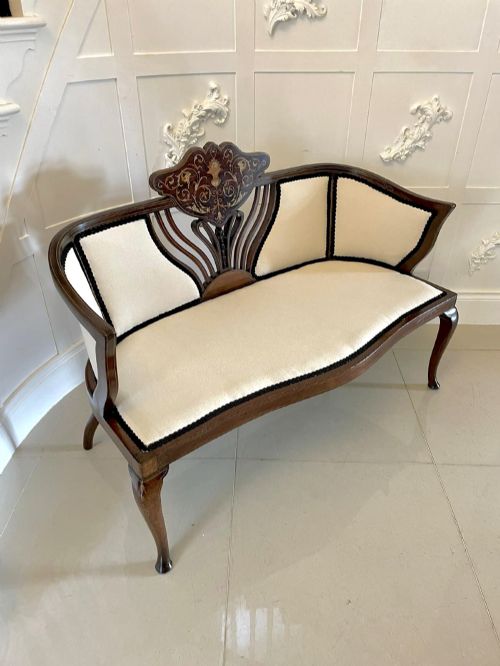
An antique wooden loveseat is essentially a compact two-seater sofa or settee, designed for smaller spaces without sacrificing architectural presence. These pieces emerge across the nineteenth and early twentieth centuries, spanning Victorian, Edwardian, and revival periods.
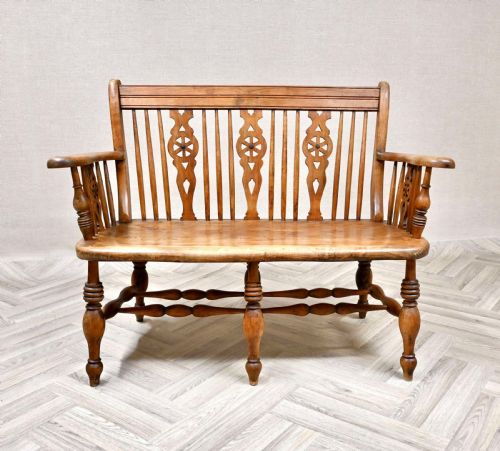
The most common versions met on this page include mahogany framed settees with inlaid details, alongside walnut and beech frameworks drawing on French and English design traditions. Forms range from chair-back settees to painted French-style canapes and bentwood seating.
Makers adapted classical proportions to create intimate seating for parlours, salons, and bedrooms. The resulting forms combine sturdy timber structures with upholstered seats designed for two.
Materials and Construction Methods
Makers utilised dense timbers such as mahogany, walnut, oak, and beech to construct the primary load-bearing frames. These woods were carved, turned, or bent using steam methods, as seen in bentwood productions.
Surface decoration frequently involved intricate marquetry inlay using contrasting woods like satinwood, alongside painted finishes and giltwood applications. Upholstery materials including fabric, textile, cane, and brass hardware completed the construction.
Design influences span English country, French Chateau, Art Nouveau, and multiple revival styles including Louis XVI and George II.
Distinctions in Quality and Craftsmanship
Quality rests upon the crispness of the timber carving and the precision of the marquetry inlay work. Superior examples display seamless joinery and well-figured grain across the mahogany or walnut frames.
Proportion and stylistic cohesion separate standard production from exceptional pieces. Refined frames balance structural timber with delicate decorative details like fluted legs and balanced chair-backs.
Thonet
The Antique Wooden Loveseat Glossary
- Settee
- A long upholstered seat with a back and arms, designed to seat multiple people. This term appears frequently alongside sofa and bench variations.
- Canape
- An ornamental French-style sofa featuring an exposed wooden frame and upholstered back and seat. These often display carved details and cabriole legs.
- Marquetry
- Decorative inlay work using fitted pieces of wood veneer to create intricate patterns on the furniture surface. It appears often on Edwardian and Victorian mahogany frames.
- Bentwood
- Wood shaped by heating and bending it into curved forms, a technique utilised by makers such as Thonet. This method produced lightweight yet durable chair and bench frames.
- Bergere
- An enclosed upholstered armchair or settee with wooden frames and cane or upholstered sides. These French-inspired seats emerged across the nineteenth century.
Antique Wooden Loveseat: Frequently Asked Questions
What is an antique wooden loveseat?
An antique wooden loveseat is a compact two-seater seating piece featuring an exposed timber frame. These items encompass settees, sofas, and small benches produced across the Victorian and Edwardian eras.
They provide intimate seating options that combine structural woodwork with upholstered pads or canework. Their smaller scale allowed them to fit into parlours and bedrooms where full-sized sofas proved too large.
How do I date an antique wooden loveseat?
Dating relies on examining the timber species, decorative styles, and construction techniques evident in the piece. Victorian examples often utilise heavy carved mahogany or walnut, while Edwardian pieces frequently feature satinwood inlay.
Revival styles also offer clues, referencing earlier periods such as Louis XV or George II design vocabulary. Comparing the specific leg turning, upholstery style, and inlay patterns helps narrow down the decade of manufacture.
Where should I place a loveseat at home?
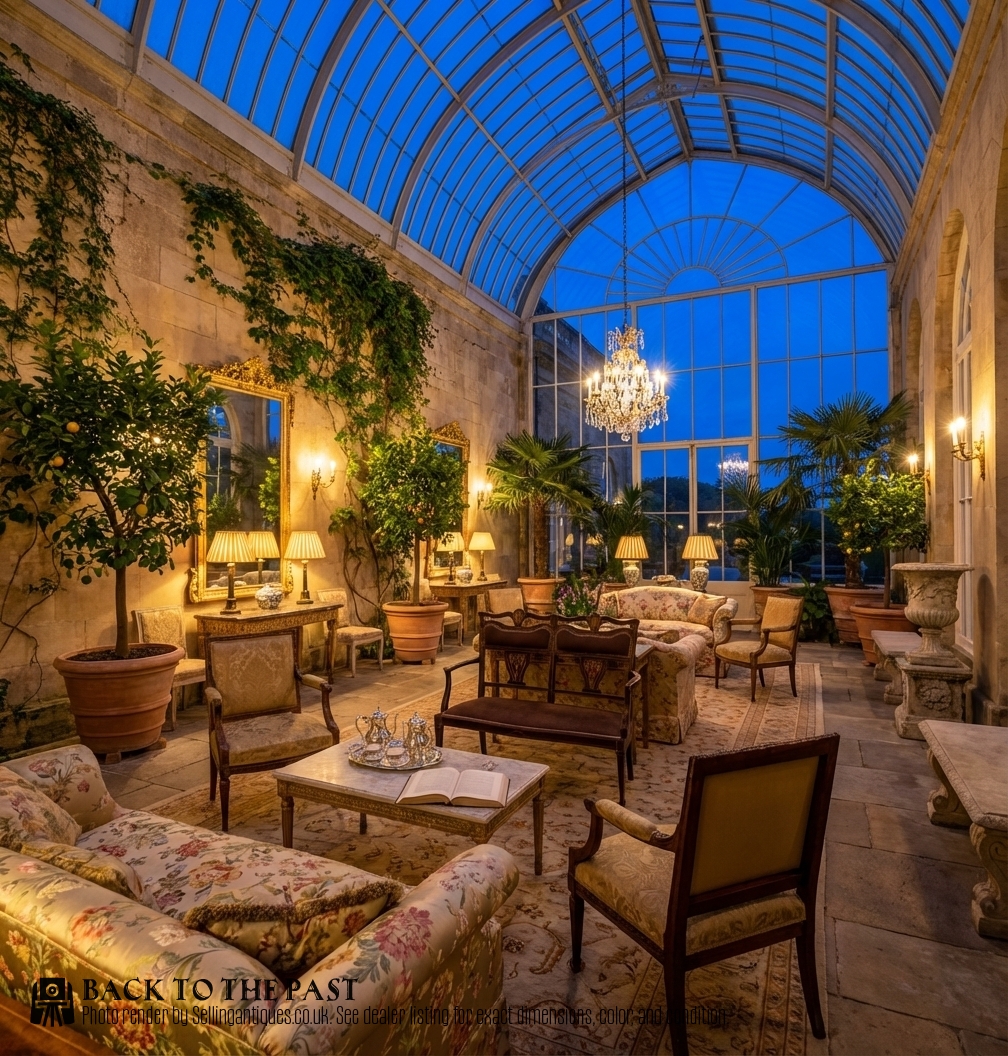
These compact seats suit smaller reception rooms, hallways, bedrooms, or bay windows where space is at a premium. Their decorative wooden frames allow them to function as sculptural furniture pieces even when placed away from walls.
In living areas, they pair well with larger armchairs to create a conversational seating group. Bedside placements, such as at the end of a bed, also make practical use of their narrow footprint.
How do I care for antique wooden frames?
Preserving the timber involves keeping the wood away from direct heat sources and sudden humidity changes. Regular dusting with a soft, dry cloth prevents grime accumulation on the polished surfaces.
Applying appropriate wax feeds the timber and maintains the lustre of mahogany and walnut. Avoid harsh chemical cleaners that can strip the historic polish or damage delicate inlay work.