



Antique Wooden Log Bin
An antique wooden log bin brings functional hearthside warmth and rich timber grain to a room.

Antique Wooden Log Bin
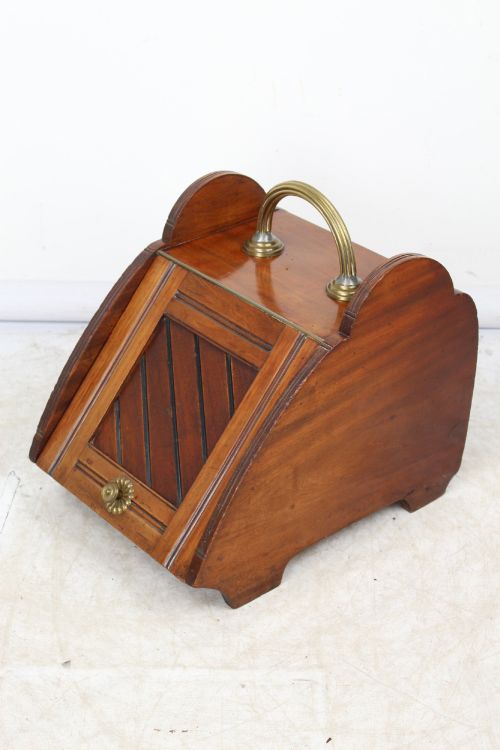
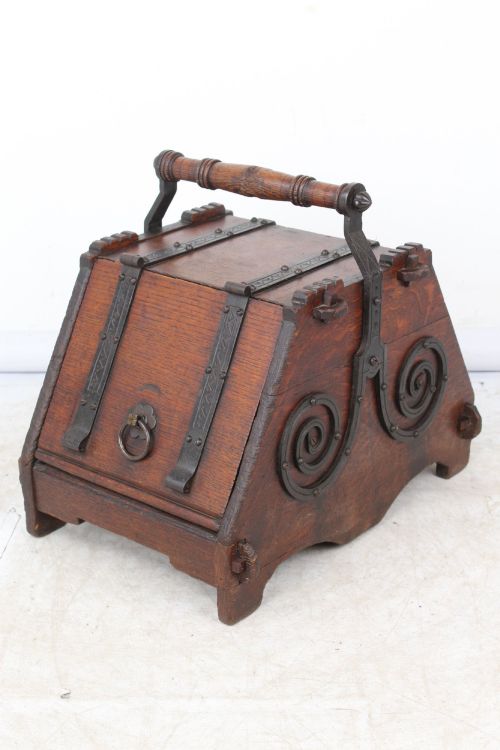
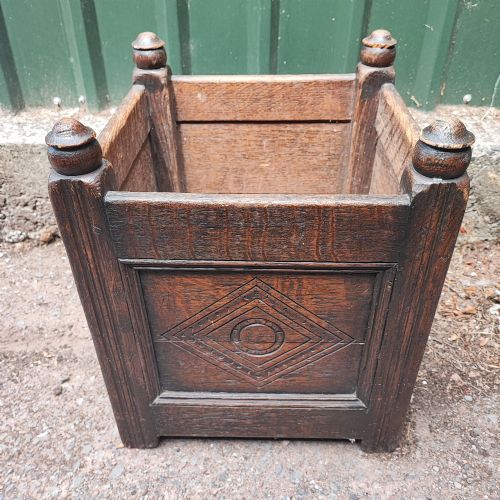
An antique wooden log bin serves fireside storage needs using solid timbers like oak, pine, mahogany, and walnut. These pieces originate across periods from the eighteenth century through the Edwardian era, appearing in styles from rustic farmhouse to Gothic Revival.
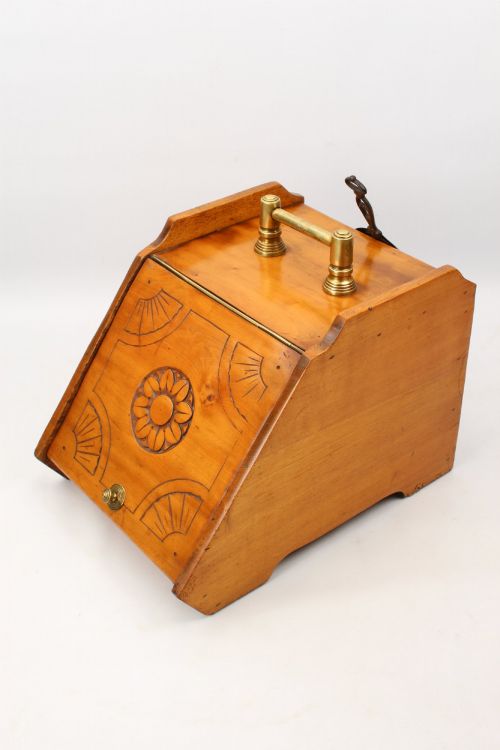
Buyers meet forms ranging from coopered buckets and peat bins to hinged coal boxes, purdoniums, and country house log baskets. Many examples incorporate metal bands, brass mounts, and inner liners designed to handle heavy fuel loads.
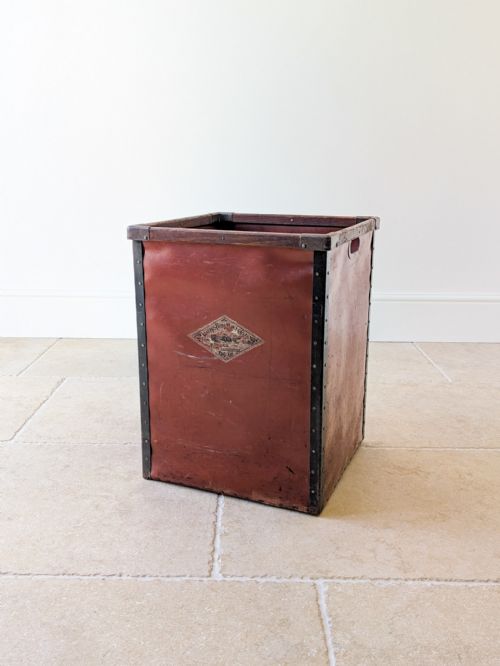
Geographic origins span English country houses, Scottish workshops, and Scandinavian pine furniture traditions. The selection includes utilitarian mill bins alongside carved and inlaid reception room boxes.
Materials and Technique
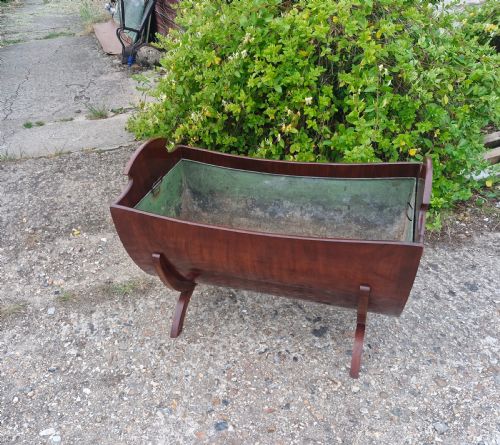
Maker construction relies heavily on traditional coopered staves held by iron or brass bands, alongside joined plank construction in oak, pine, and mahogany. Selected pieces utilise dug-out tree trunks or turned wooden bodies shaped for hearthside utility.
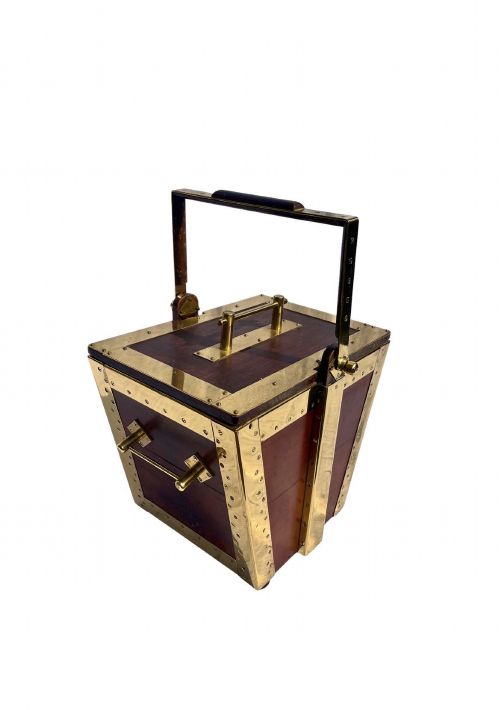
Metal components such as brass swing handles, strap hinges, decorative mountings, and internal metal liners provide structural reinforcement against damp fuel. Walnut and mahogany surfaces often receive carved detailing, boxwood inlay, or polished finishes.
Materials span oak, pine, mahogany, walnut, brass, and iron across Victorian, Georgian, and Edwardian periods.
Standard and Construction
Quality rests upon the integrity of the timber selection and the precision of the joinery, whether coopered staves or dovetailed joints. Superior examples maintain original brass mounts, sturdy handles, and intact metal liners without compromising the underlying wood.
Design sophistication separates standard utilitarian fuel containers from pieces displaying refined Georgian proportions, Gothic Revival carving, or specialised Scandinavian painted decoration. The presence of maker touches or specialised hardware elevates the standing of an individual bin.
Christopher Dresser
The Antique Wooden Log Bin Glossary
- Coopered
- Constructed using curved wooden staves bound together by metal hoops, a technique traditionally used for barrels and buckets.
- Purdonium
- A specialised coal or log box featuring a sloping front flap and a shovel stored in an internal compartment.
- Scuttle
- A metal-lined container designed for carrying and storing solid fuel near an open hearth.
- Peg joinery
- A method of securing timber joints using wooden dowels rather than modern metal fasteners.
Antique Wooden Log Bin: Frequently Asked Questions
What is a log bin?
A log bin is a heavy wooden container designed to hold firewood, peat, or coal next to an open fireplace.
Historically placed in hearthside positions across country houses and domestic parlours, these pieces kept fuel dry and tidy.
How do I clean a wooden log bin?
Maintenance involves brushing out residual debris and wiping interior metal liners with a dry cloth to prevent moisture damage.
External wood surfaces benefit from occasional waxing to nourish the grain without altering the historic finish.
Are these bins waterproof?
Many examples feature original internal metal liners designed to contain moisture and dirt from raw firewood or coal.
Unlined wooden pieces function best for storing dry logs rather than damp fuel or ash.
How do I date an old log box?
Dating relies upon examining construction methods, timber types, and hardware styles across periods from the Georgian era onward.
Hand-cut fixings, coopered stave thickness, and decorative details like Gothic Revival carving help narrow the decade of origin.