

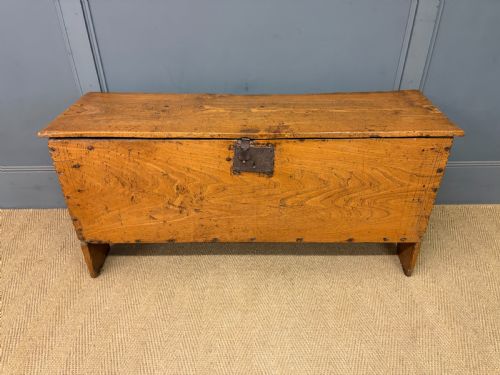
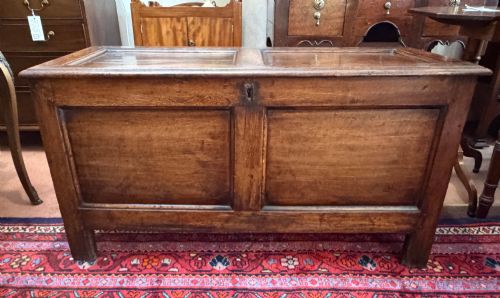
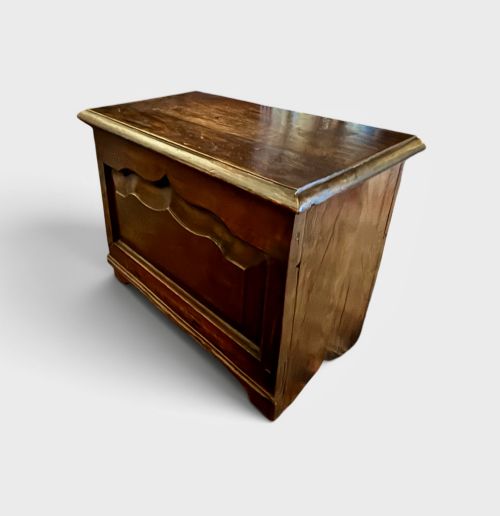
Rustic Country Coffer
A rustic country coffer provides sturdy utilitarian storage, bringing honest regional timber and centuries of domestic history into the home.
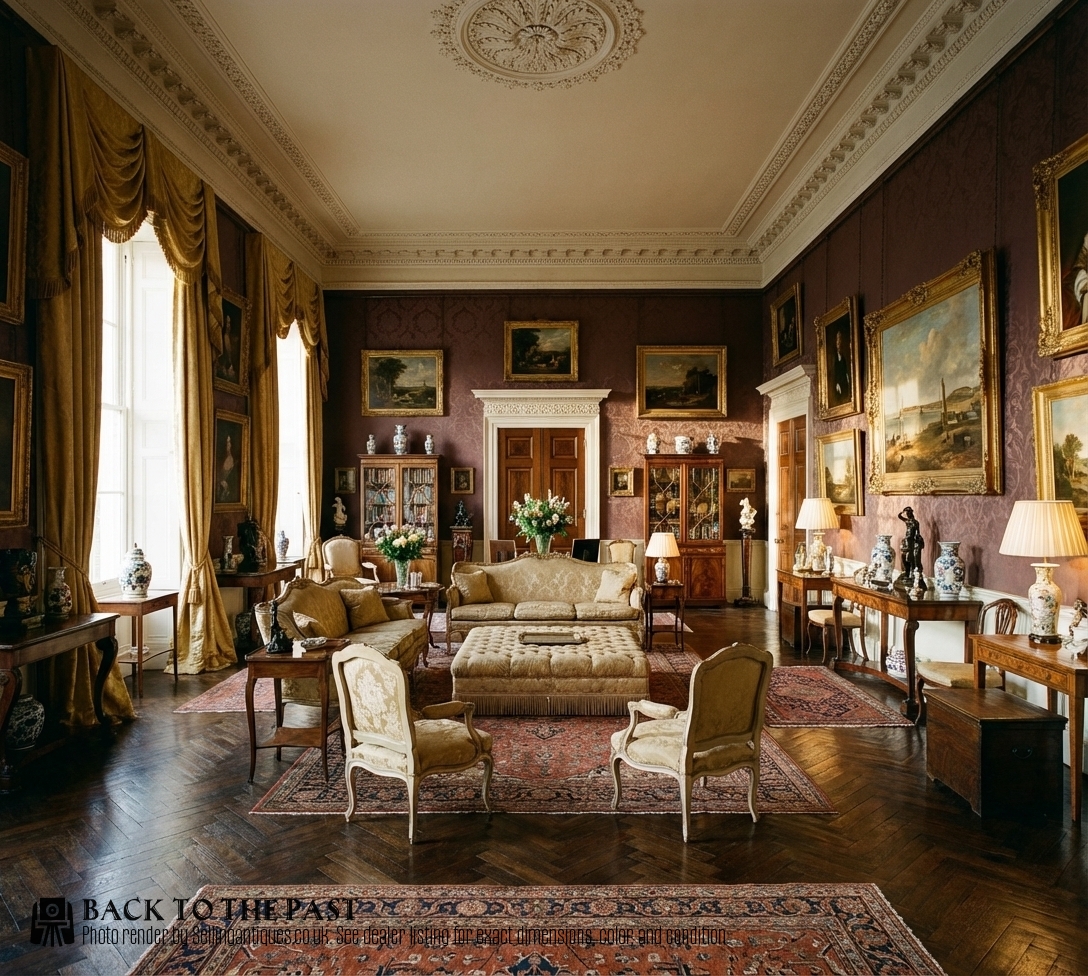
Rustic Country Coffer
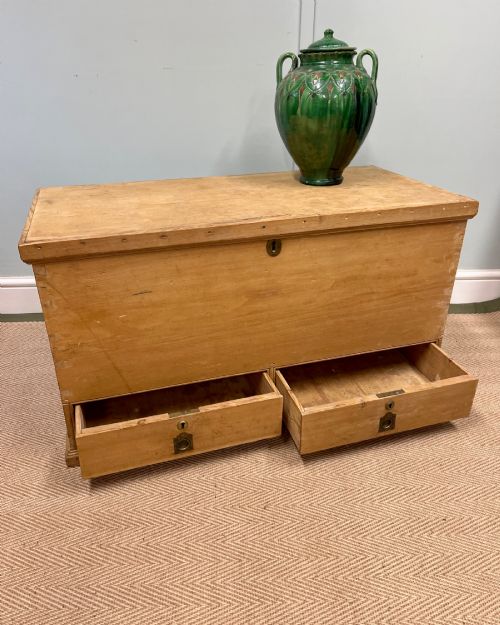
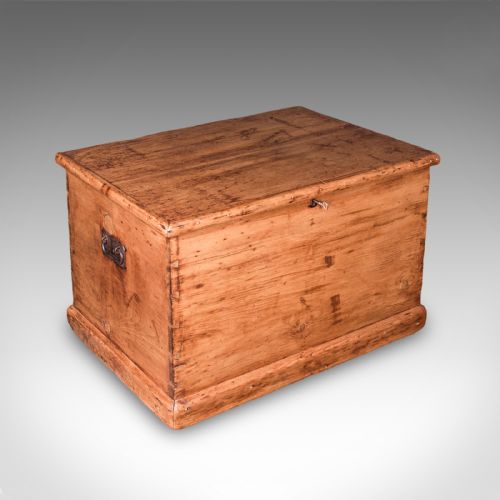
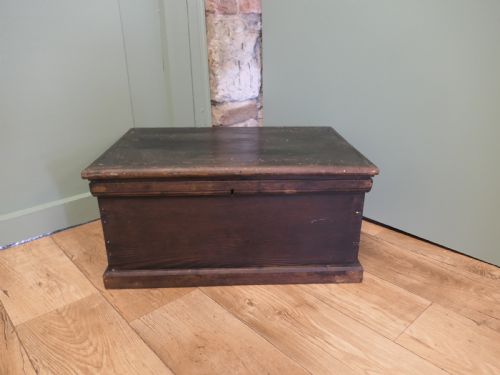
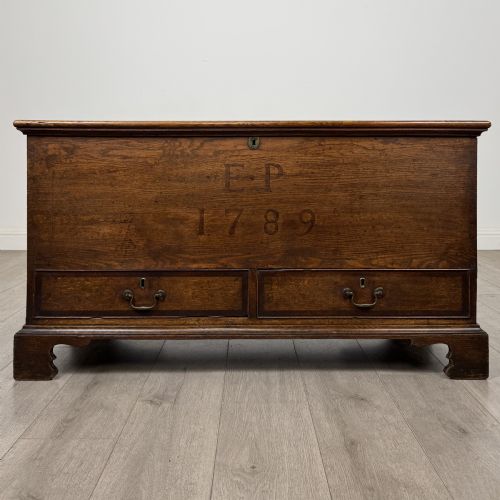
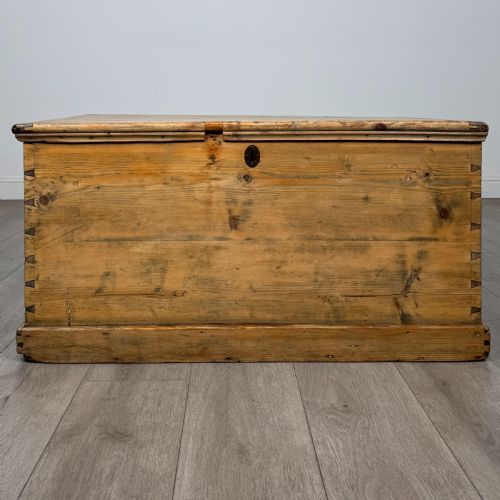
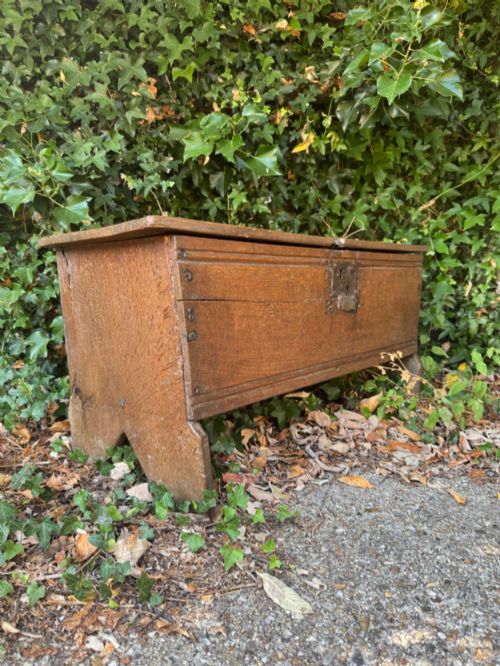
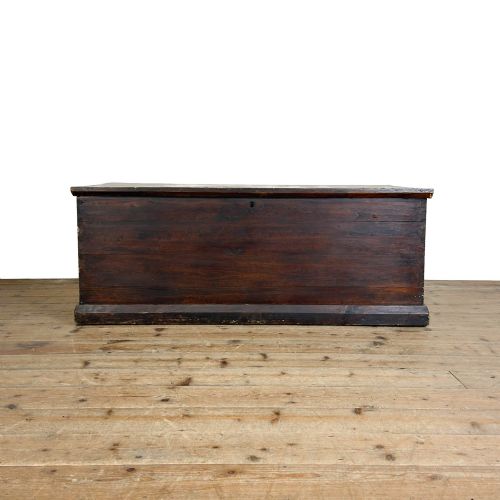
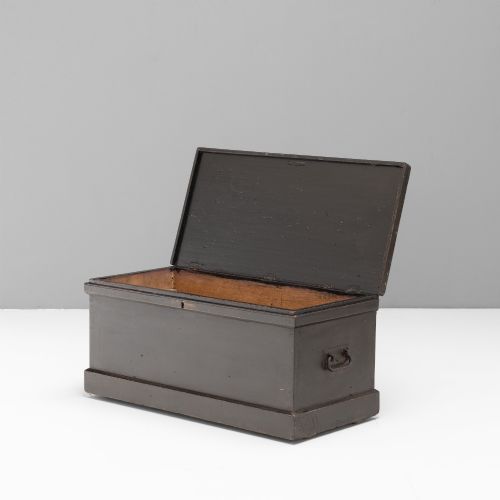
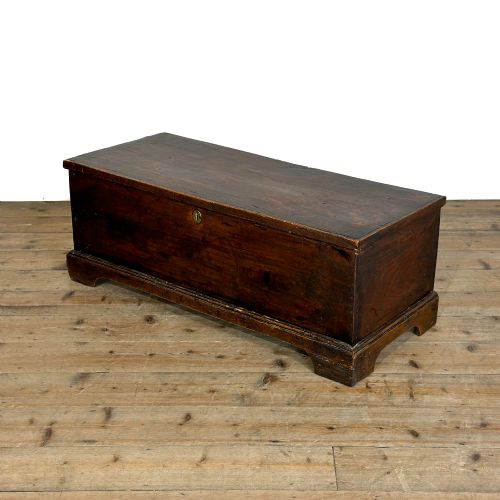
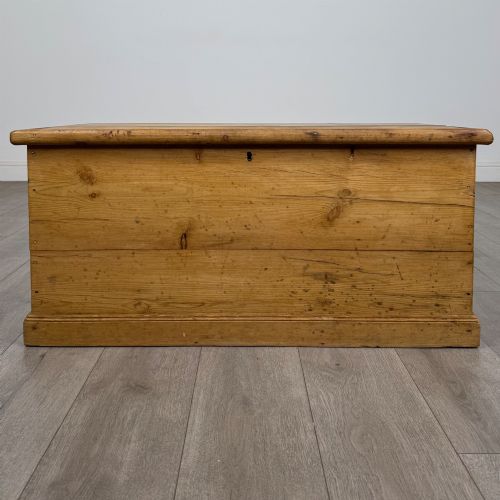
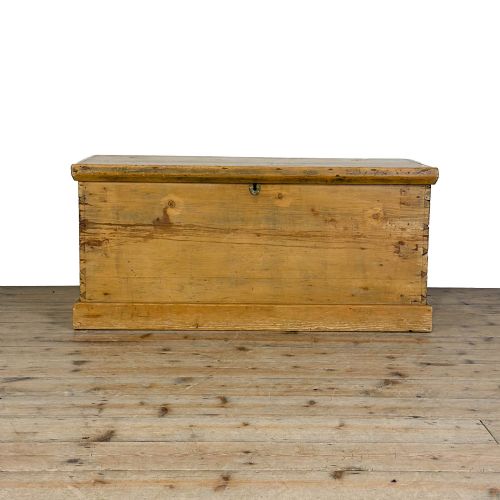
A rustic country coffer serves as a robust storage chest for household textiles, blankets, and valuables, originating from domestic and farmhouse contexts across Britain and Europe. The selection spans several centuries, encompassing sturdy 17th-century oak examples, 18th-century elm and oak constructions, and later Victorian pine variants.
Buyers frequently encounter simpler forms such as the six-plank coffer alongside mule chests fitted with lower drawers, bible boxes, and sword chests. Oak and pine dominate the offerings, often complemented by regional timber choices like elm, cherrywood, and metal hardware.
The aesthetic bridges utilitarian necessity and vernacular style, showing regional characteristics from Welsh, French, and Hungarian workshops. These pieces suit modern hallways, bedrooms, and living spaces as functional storage furniture with considerable historical character.
How they were made
Carpenters constructed these pieces using solid domestic timbers including oak, pine, elm, and cherrywood, often relying on joined panelwork or simple six-plank assemblies. Iron and brass hinges, locks, and brackets reinforced lids and corners for heavy daily use.
Surfaces received various treatments over time, ranging from original paint and dark wax finishes to stripped pine and plain polished wood. Joinery techniques varied from pegged mortise and tenon frames in earlier oak pieces to simpler nailed or dovetailed joints in later pine trunks.
What varies in quality
The integrity of the timber and the honesty of the construction dictate the standing of a piece, distinguishing robust original examples from heavily altered boxes. Original ironwork, unaltered hinges, and untouched surface patinas elevate a coffer well above pieces with modern replacements.
Proportion and regional vernacular detail also set exceptional examples apart, particularly where grain figure, dovetailed drawer construction, and structural timber thickness display the maker's competence.
The Rustic Country Coffer Glossary
- Coffer
- A large wooden chest used historically for storing valuables, documents, or clothes. These pieces often feature hinged lids and sturdy boarded construction.
- Mule chest
- A storage chest fitted with one or more drawers beneath the main compartment. This form bridges the traditional coffer and the chest of drawers.
- Six-plank coffer
- A primitive chest constructed from six principal boards joined at the edges. This method represents one of the oldest forms of cabinet making.
- Bible box
- A small, portable desk or storage box designed to hold sacred texts and writing materials. They frequently feature sloping lids for reading or writing.
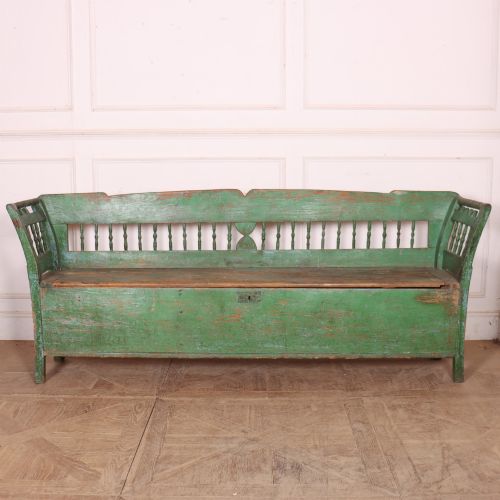
- Settle
- A wooden wooden bench with a high back and solid armrests, often incorporating a box seat beneath. They provided draught-proof seating in farmhouse kitchens.
Rustic Country Coffer: Frequently Asked Questions
What is the difference between a coffer and a blanket box?
A coffer is typically an older, heavier storage chest, often made of oak or elm with boarded or panelled construction and historical uses for valuables. A blanket box generally refers to later pine or fruitwood chests intended specifically for household textiles.
While both serve storage needs, coffers tend to reflect earlier vernacular joinery, whereas blanket boxes frequently date from the Victorian era and later.
How do I date an antique oak coffer?
Dating relies on examining the joinery methods, timber types, and hardware fixtures. Earlier examples from the seventeenth century often feature pegged mortise and tenon frames, hand- cleft oak boards, and forged iron strap hinges.
Later pieces show increasingly mechanized saw marks, machine-cut dovetails, and lighter woods like pine or elm. Secondary woods and fastener types also provide reliable clues to the period of construction.
What was a mule chest used for?
A mule chest combined the deep top storage of a traditional blanket box with the easy access of lower drawers. This layout allowed household owners to store bulky linens above while keeping smaller garments or accessories neatly organised below.
They stood in domestic bedrooms and landings as versatile multi-purpose furniture before dedicated wardrobes became common.
How should I care for a waxed pine coffer?
Maintenance requires keeping the timber away from direct heat sources and sudden humidity changes to prevent wood movement and splitting. Regular dusting with a soft, dry cloth preserves the surface.
Applying a traditional beeswax polish occasionally helps nourish old pine and maintain its natural lustre without sealing the grain.