
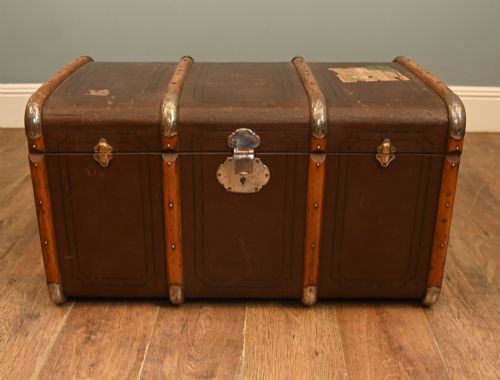
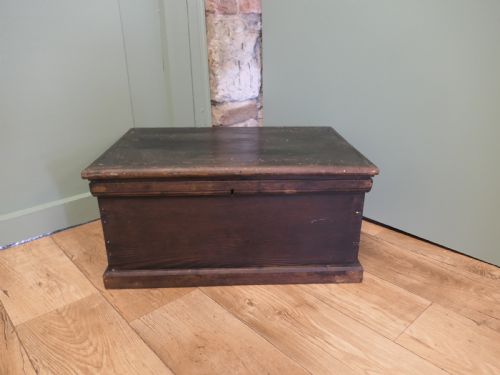
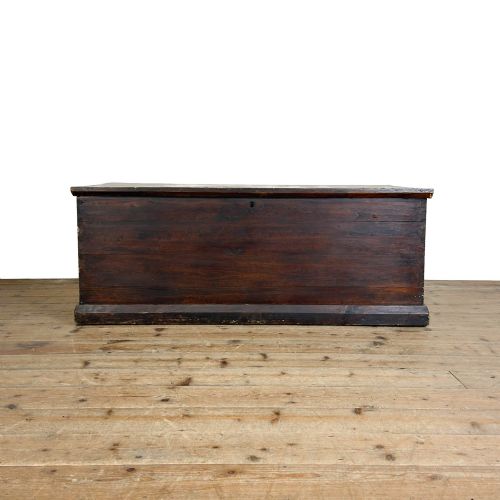
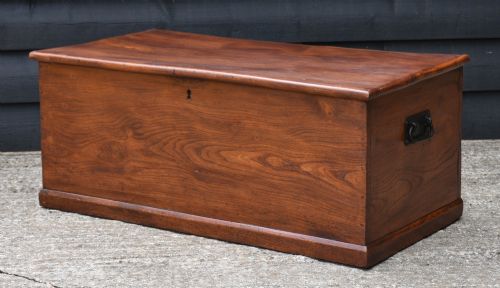




Rustic Wood Storage Trunk
A rustic wood storage trunk brings robust timber grain and centuries of domestic utility straight into a modern interior.
Rustic Wood Storage Trunk
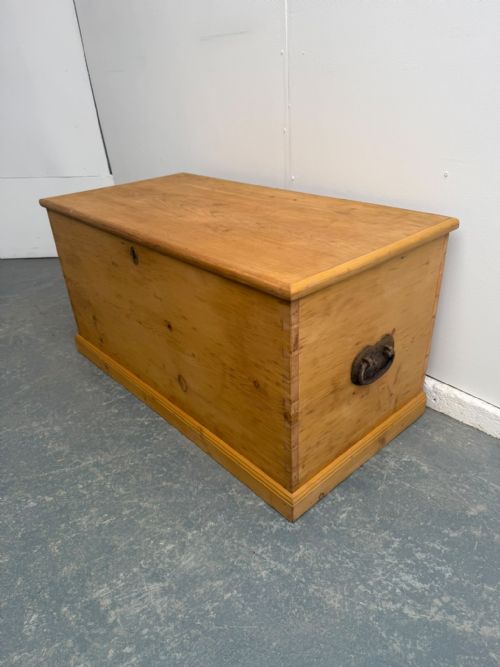
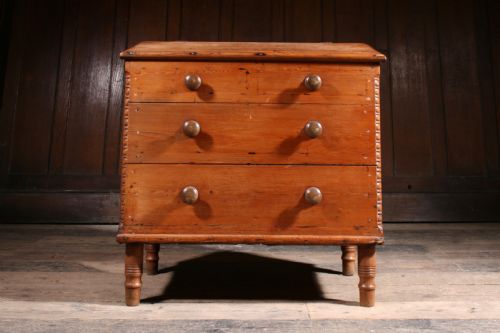
A rustic wood storage trunk meets the demand for substantial household containment through centuries-old forms such as coffers, blanket boxes, and mule chests. These pieces originate from periods spanning the seventeenth through the early twentieth centuries, reflecting rural traditions across Britain, Scandinavia, France, Spain, and India.
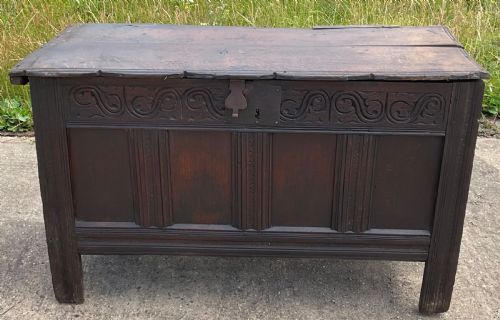
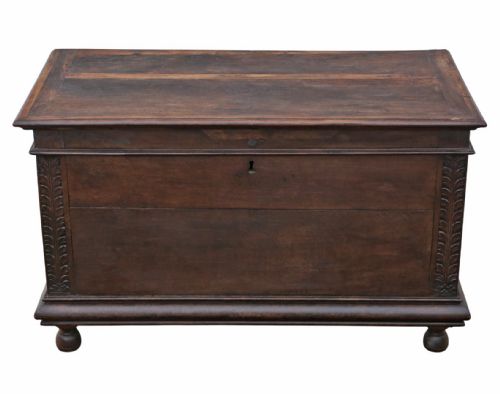
The version most commonly encountered on this page is the oak or pine coffer, often dating from the eighteenth or nineteenth centuries. These utilitarian items served various domestic functions, from holding household linen and bedding to storing dry goods and personal valuables.
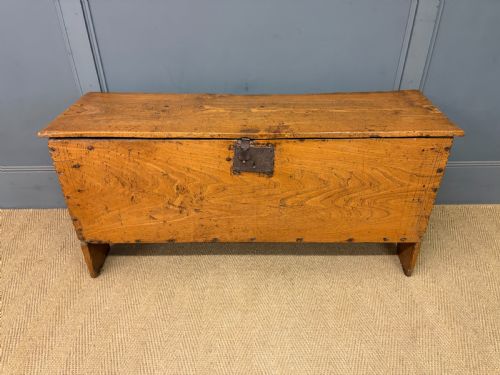
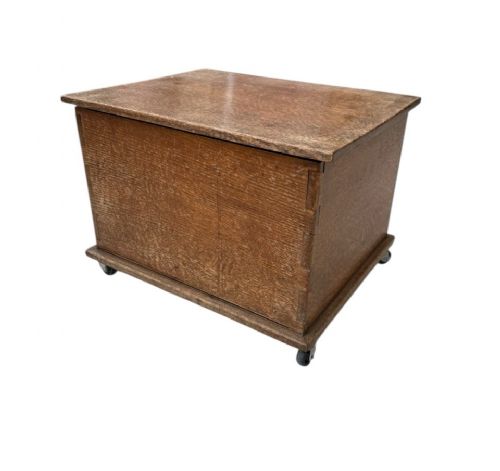
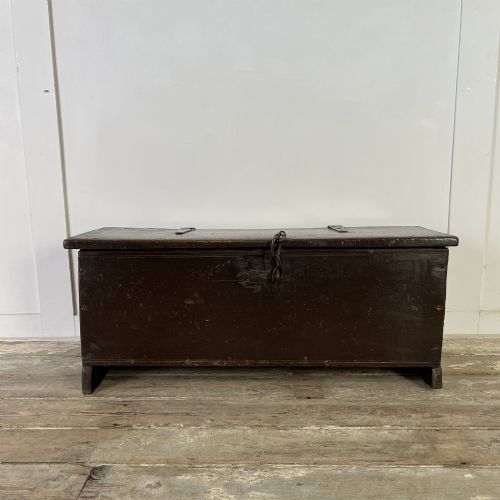
Formations range from simple six-plank constructions to panelled oak chests and brightly painted Scandinavian or folk art marriage boxes. Dimensions vary significantly, accommodating everything from small bedside toy boxes to large scale merchants chests.
Materials and construction methods
Carpenters built these trunks predominantly from domestic timbers such as oak, pine, and elm, alongside exotic additions like teak and walnut. Panels were joined using traditional methods suited to heavy daily use and seasonal timber movement.
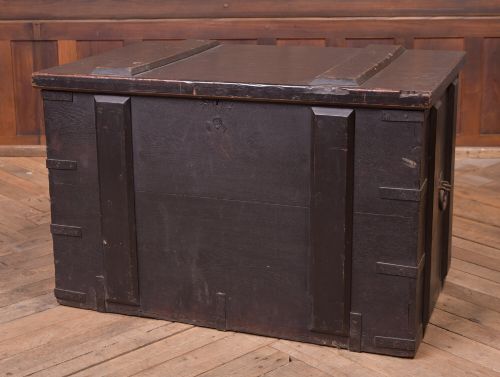
Metalwork played a critical functional role, incorporating wrought iron hinges, corner brackets, and iron banding to reinforce lids and corners. Handles and locking mechanisms frequently relied on brass or iron fittings, while painted surfaces utilised traditional pigments on pine or cherrywood.
Several trunks retain their original iron keys, proving that historical inhabitants were just as prone to losing small metal items down the back.
Distinctions in quality and finish
Quality rests in the integrity of the timber selection and the retention of original structural components rather than pristine condition. Trunks displaying untouched original surfaces, patinated wax finishes, or authentic folk art paintwork stand apart from heavily restored examples.
Construction detail dictates longevity, visible in hand-cut joinery, original iron hardware, and intact panelled lids. The presence of contemporary locks, keys, and untouched interior compartments further elevates a piece within its period.
The Rustic Wood Storage Trunk Glossary
- Coffer
- A heavy wooden chest traditionally used for storing valuables, documents, or household goods. Most examples feature a hinged lid and robust boarded construction.
- Mule chest
- A storage chest featuring one or more drawers beneath the main compartment. This form bridges the gap between the traditional coffer and the modern chest of drawers.
- Six-plank
- A primitive box construction method utilising six individual boards joined at the edges. This technique represents an early and direct approach to cabinet making.
- Scumbled
- A decorative paint finish applied to imitate the grain of more expensive woods or to create mottled texture. It frequently appears on nineteenth-century pine storage boxes.
- Marriage box
- A specialised chest commissioned or decorated to commemorate a wedding. These pieces often incorporate folk art motifs, initials, or dates specific to the union.
Rustic Wood Storage Trunk: Frequently Asked Questions
What is the difference between a coffer and a blanket box?
A coffer generally refers to a heavy, deep wooden chest of earlier origin, historically used for valuables and documents as well as textiles. Blanket boxes are typically lighter domestic pieces specifically designated for storing bedding and linens.
While both share a hinged lid and rectangular format, coffers often display more robust panelled construction and iron reinforcement suited to secure storage.
How do I care for an antique wooden trunk?
Maintain the timber by applying a microcrystalline wax periodically to nourish the dry wood without sealing it artificially. Keep the trunk away from direct heat sources and dramatic humidity fluctuations to prevent splitting.
Avoid harsh modern cleaning sprays that strip historic patina. Dust the interior and exterior gently with a soft, dry cloth.
Are painted wooden trunks original?
Many nineteenth-century Scandinavian, French, and folk art trunks feature original painted surfaces or folk art decoration. These finishes were applied to protect the softwood and celebrate domestic milestones.
Examine the paint under natural light to check for age-appropriate craquelure and wear consistent with the underlying timber. Later overpainting can sometimes be detected by inspecting edges and interior surfaces.
How can I date an old wooden chest?
Dating relies on observing tool marks, hardware types, joinery methods, and timber species. Hand-sawn boards, forged iron strap hinges, and pegged tenon joints point towards earlier centuries.
Stylistic cues such as Georgian panel proportions or Victorian scumbled paint finishes help narrow the period of manufacture.