
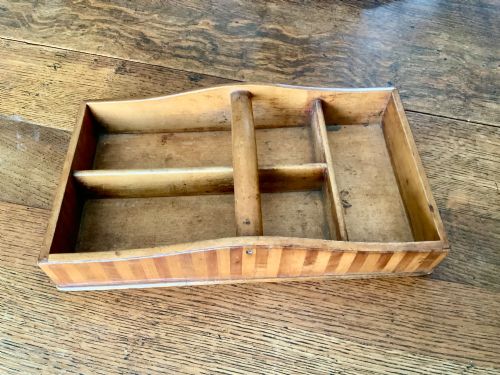


Antique Wooden Kitchen Treen
These antique wooden kitchen treen pieces are practical domestic items shaped from timber over centuries for daily preparation and storage.
Antique Wooden Kitchen Treen
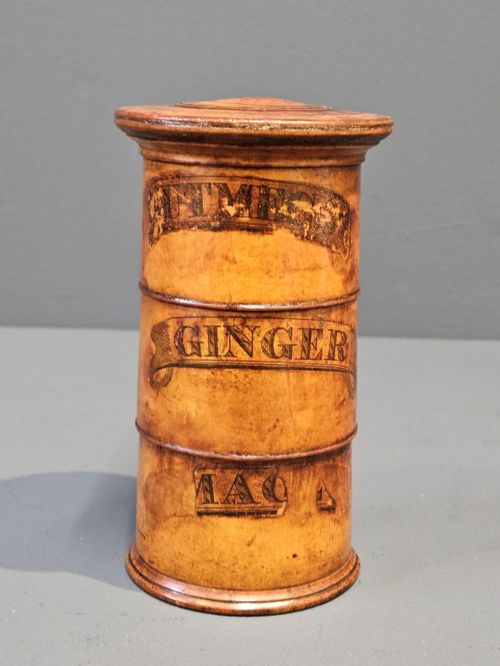
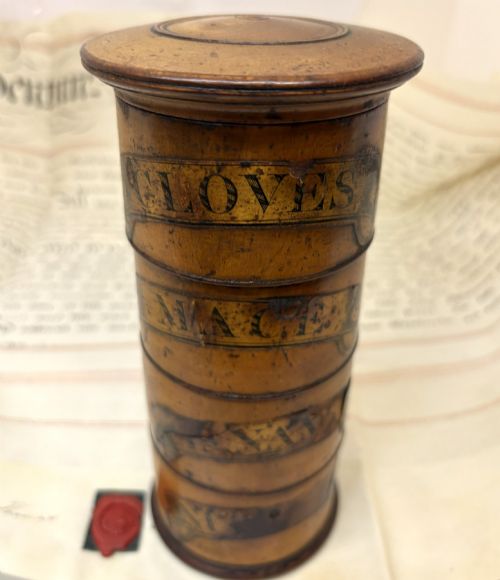
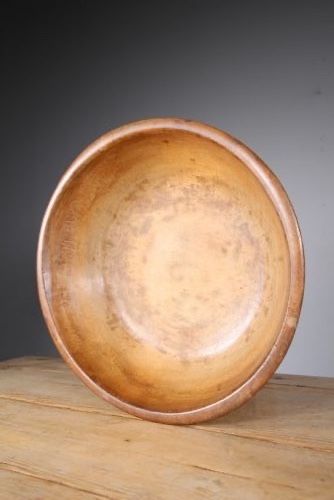
When you search for antique wooden kitchen treen, you encounter domestic utensils and vessels shaped from timber for food preparation and storage. These pieces range from dairy bowls and spice towers to mortars, saltboxes, and spoons.
The selections span multiple eras, showing vernacular forms from the seventeenth century through the Victorian period. You meet utilitarian kitchenalia shaped to perform specific domestic tasks.
Regional styles such as Welsh country pieces sit alongside Georgian and Victorian items. Each piece reveals the hand-turning or carving methods used by rural woodworkers.
How they were made
Craftsmen utilised dense hardwoods including fruitwood, boxwood, beech, sycamore, walnut, oak, cherry, and yew to withstand daily kitchen labour. Turning on a lathe formed circular vessels like bowls, mortars, and eggcup stands.
Other objects such as spoons, ladles, scoops, and butter prints required hand carving with gouges and drawknives. The grain of the timber directed the shape, ensuring strength in handles and rims.
The documented forms span functional domestic items like spice towers, dairy bowls, mortars, eggcup stands, and saltboxes.
What varies in quality
The standard of an item depends upon the proportion of its form and the crispness of its turned details. Pieces that retain tool marks and pleasing surface wear demonstrate genuine domestic age.
The choice of timber influences desirability, with tightly grained boxwood and figured fruitwood commanding attention. Natural patination developed through years of scrubbing and handling elevates certain examples above ordinary utility items.
The Antique Wooden Kitchen Treen Glossary
- Treen
- Small domestic wooden objects made by turning or carving. The word derives from an old term meaning made of tree.
- Mortar
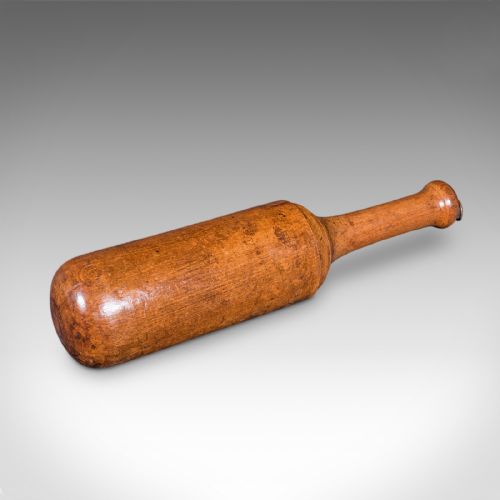
- A heavy bowl used with a pestle to crush spices, herbs, or grains. They appear in dense hardwoods like walnut or fruitwood.
- Spice tower
- A multi-tiered turned container designed to hold different culinary spices. These stacked sections screw or fit tightly together.
- Searce
- A fine sieve or sifter used in food preparation. These wooden frames held mesh for separating flour or powders.
Antique Wooden Kitchen Treen: Frequently Asked Questions
What is treen?
Treen encompasses small functional wooden objects created for household use before mass-manufactured wares took over.
These items were shaped by turners and woodworkers using local timbers for tasks involving food preparation, serving, and storage.
How do I clean wooden treen?
Maintenance requires gentle wiping with a damp cloth rather than immersion in water. Harsh detergents strip the natural oils and historical patination from the surface.
Application of food-safe mineral oil or beeswax preserves the timber and prevents the grain from drying out over time.
How are periods told apart?
Different eras display distinct turning profiles, tool marks, and assembly methods. Seventeenth and eighteenth-century pieces often show coarser hand-turned ridges and heavy timbers.
Victorian items tend to feature more standardised lathe work and specific utilitarian forms like spice towers and branded dairy equipment.
Were these items used daily?
Every piece served a practical purpose in domestic kitchens, dairies, and pantries. Utensils like basting spoons, scoops, and saltboxes endured heavy wear from daily cooking routines.
Signs of hard use, scrubbing marks, and historic repairs demonstrate that these objects performed active roles in period households.