
Antique Wooden Hat Pegs
Antique wooden hat pegs deliver practical hallway organisation through period timber and metal hardware.
Antique Wooden Hat Pegs
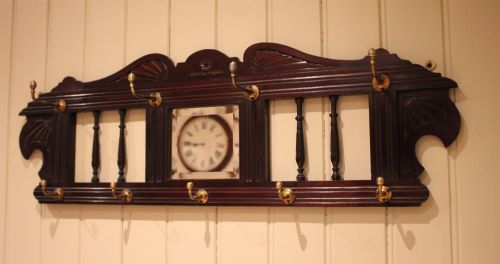
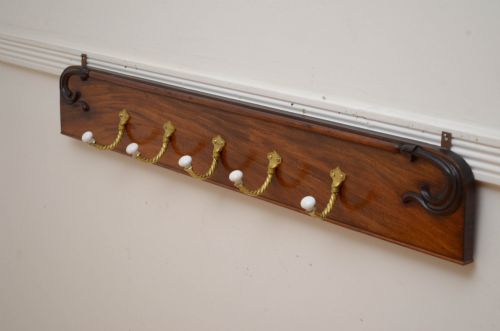
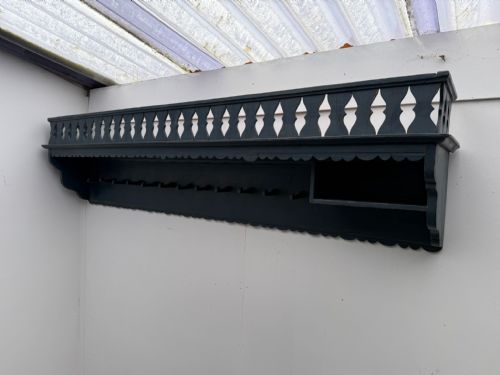
Antique wooden hat pegs appear primarily as wall-mounted coat racks, hall stands, and individual hooks dating from the Victorian and Edwardian eras. These domestic fixtures served entrance halls and cloakrooms to hold garments, headwear, and walking accessories.
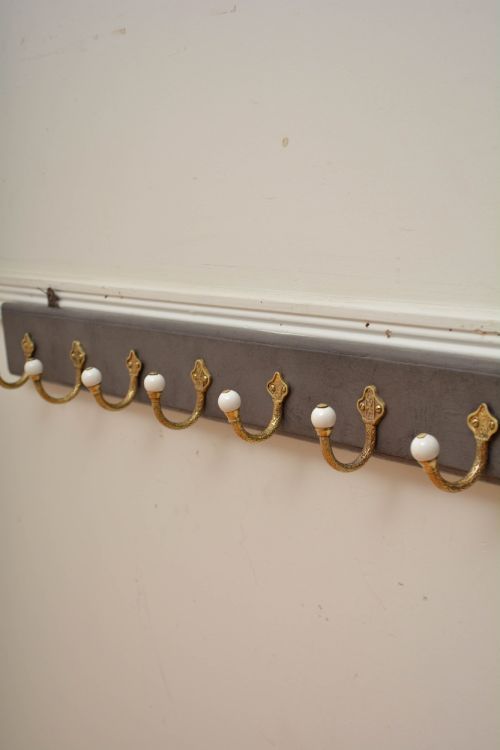
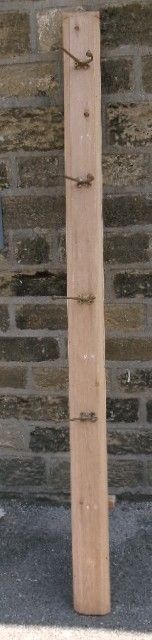
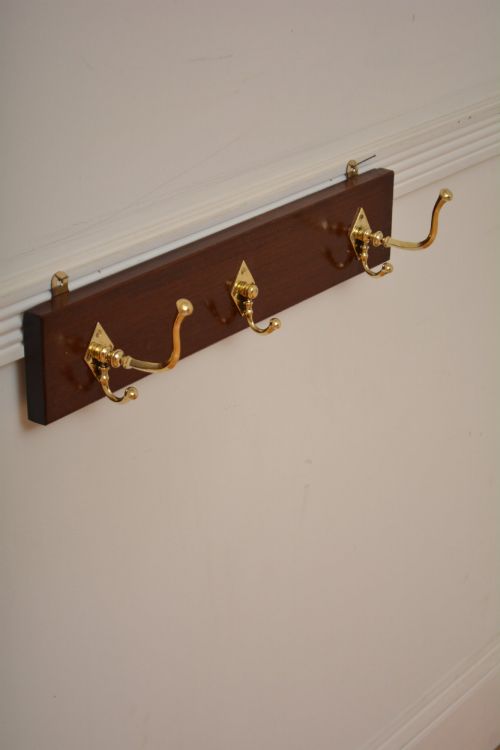
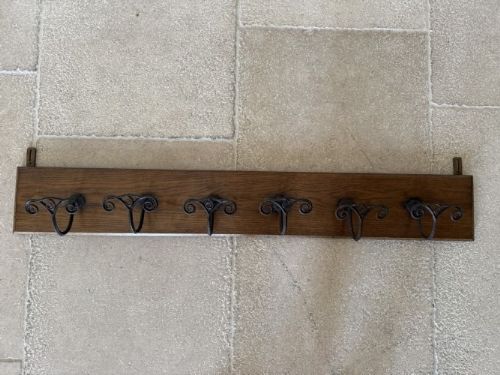
The selections available here range from simple pine and oak backboards fitted with brass hardware to elaborate Black Forest carved animal motifs. Buyers most frequently encounter wall-mounted wooden rails featuring multiple metal or ceramic hooks from the late nineteenth and early twentieth centuries.
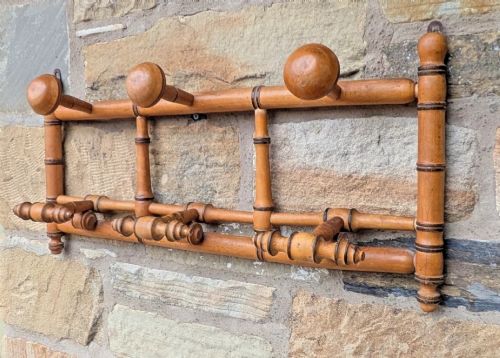
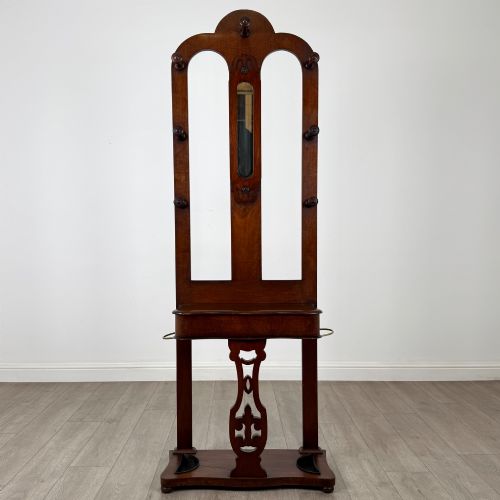
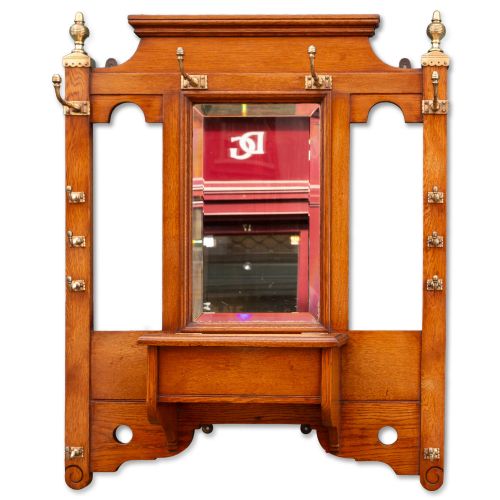
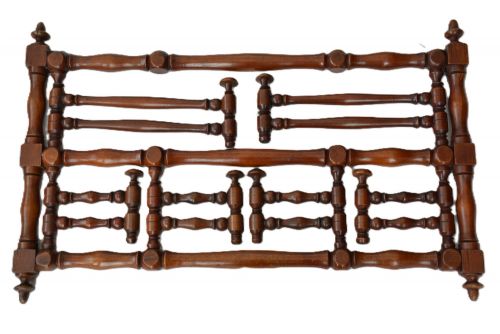
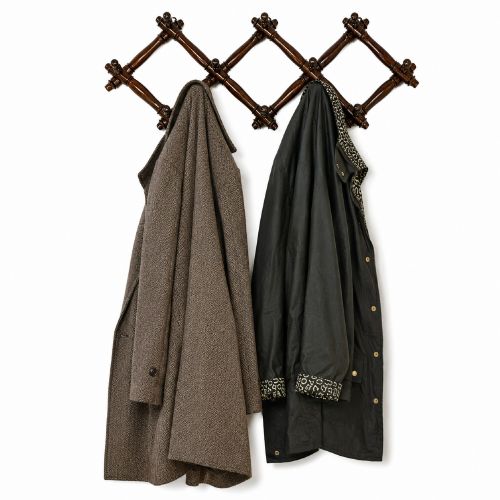
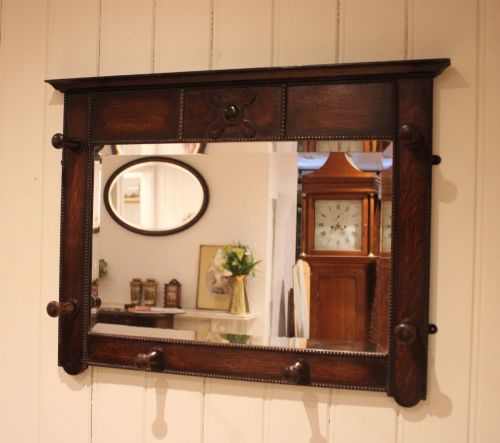
Formats extend beyond basic linear rails to incorporate hall mirrors, umbrella stands, and extending mechanisms designed for Victorian and Edwardian interiors. Each configuration reflects the specific storage demands of period entrance halls.
Materials and construction
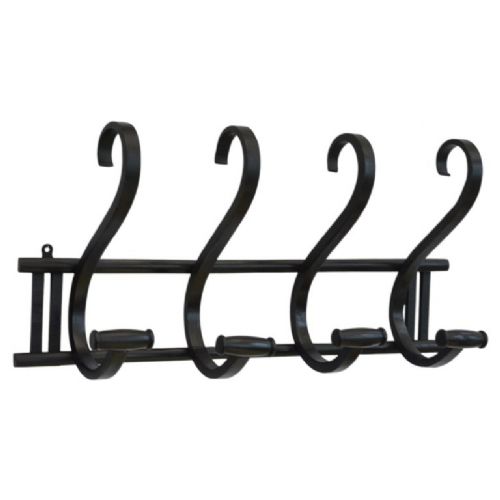
Carpenters utilised solid hardwoods including mahogany, oak, walnut, beech, and pine to construct the supporting backboards and freestanding frames. Steam-bending techniques shaped flexible timbers like beech into the characteristic curved profiles seen in bentwood designs.
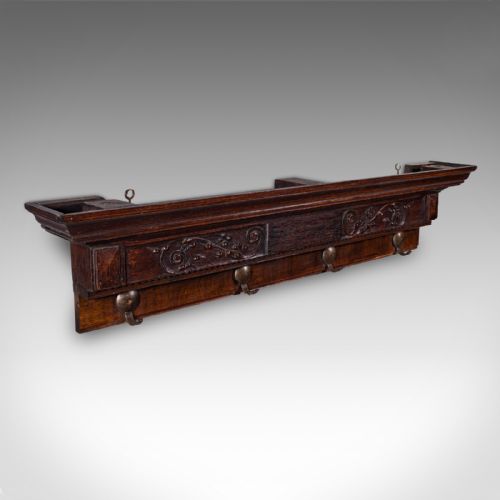
Hardware elements combine cast brass, wrought iron, and glass with the primary woodwork, secured via threaded fixings or inset plates. Surface treatments encompass traditional polishing, ebonising, hand carving, and painted finishes such as blue pigments on country pine.
An unusually bold nineteenth-century Black Forest nude coat hook offers a startling alternative to conventional floral brass hardware.
What separates examples
Standard differs through the complexity of the timber preparation and the artistic merit of any carved ornamentation, particularly in hand-carved Black Forest animal subjects. Simpler utility coat racks rely on clean joinery and intact original backboards.
The integrity of the mounted hooks and their original fixings dictates much of the physical quality, with matched sets of brass, ceramic, or cast metal holding higher appeal than replaced elements. Secondary details like bevelled mirror glass and working barometer inserts elevate the execution of larger hall stands.
The Antique Wooden Hat Pegs Glossary
- Black Forest
- A regional style of intricate wood carving originating from central Europe, frequently depicting animals, foliage, and naturalistic scenes.
- Bentwood
- Timber shaped into curved forms through the application of steam and pressure, commonly utilised in nineteenth-century coat stands.
- Aesthetic Movement
- A late nineteenth-century design current emphasising visual beauty and artistic reform over standard historical revivalism.
- Hall Stand
- A substantial entrance furniture piece combining coat hooks, umbrella storage, and frequently a central mirror.
- Backboard
- The flat wooden plank or panel that supports a series of mounted hooks for wall hanging.
Antique Wooden Hat Pegs: Frequently Asked Questions
How do I mount a heavy wooden coat rack safely?
Secure the backboard directly into wall studs or utilise appropriate heavy-duty wall anchors suitable for the weight of the timber and anticipated garments. Ensure the fixing screws match the countersunk holes in the original wood.
Distribute heavier coats evenly across the hooks to prevent undue strain on individual brass or metal mounts and the supporting wall structure.
What is the difference between Victorian and Edwardian coat racks?
Victorian pieces often display darker woods like mahogany or walnut, heavier proportions, and frequently incorporate detailed hand carving or cast brass and ceramic hardware.
Edwardian examples tend towards lighter golden oak finishes and simpler, more functional arrangements suited to smaller entrance spaces.
How should I clean antique wooden hat pegs?
Dust the timber gently with a dry, soft cloth and avoid abrasive cleaning solutions that can strip the original polish or painted surface. Preserving the dry finish maintains the character of the wood.
Polish metal hooks sparingly with a cloth while protecting the surrounding timber from chemical contact.
Were all these items originally used for hats?
Period entrance hall furniture accommodated the structured headwear, heavy capes, and outer garments worn during the nineteenth and early twentieth centuries. Pegs and hooks served multiple functions for cloaks, umbrellas, and walking sticks.
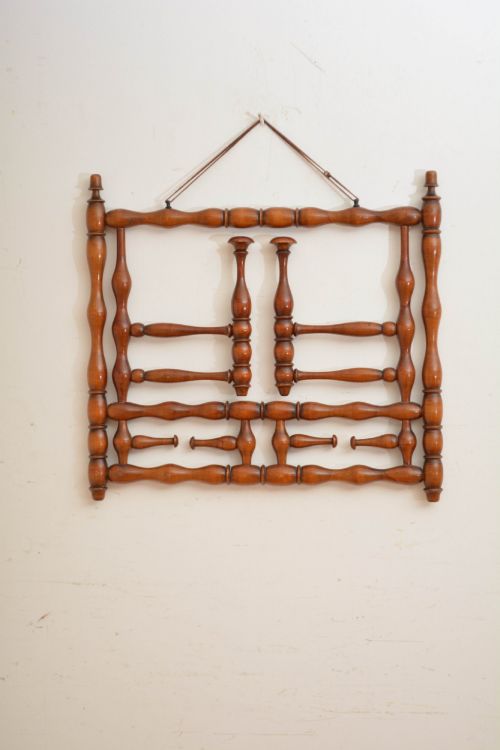
Multi-tiered arrangements allowed households to separate hats from heavier coats.