



Antique Wooden Hand
When you collect an antique wooden hand, you hold a tangible piece of folk art and sculpture carved from solid timber during the eighteenth and nineteenth centuries.
Antique Wooden Hand
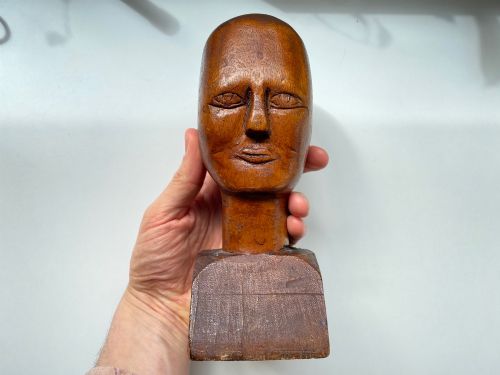
An antique wooden hand is a carved sculptural object or trade sign originating primarily from the Victorian and nineteenth century periods. These items reflect traditional craftsmanship, often taking the form of trade displays or decorative sculptures carved by hand from local and exotic timbers.
Buyers on this page will encounter pieces varying from trade signage associated with carpenters to folk art carvings. The selection spans domestic decorative objects and sculptural forms rooted in historical woodworking traditions.
Materials and Construction
Carvers shaped these objects using dense woods such as oak, walnut, and linden, often finished with paint, polychrome pigments, or lacquer. Artisans utilised traditional hand tools to shape the timber directly from solid blocks or tree trunks, leaving subtle chisel marks across the surface.
Secondary elements incorporate iron, brass, or glass components where fixtures or mountings were required. The integration of paint and natural wood grain defines the tactile quality of each surviving piece.
Antique Wooden Hand Retail Price Guide 2026
Typical asking prices for wooden hand among the pieces listed under this phrase on Sellingantiques today, from the lower quarter to the upper quarter. They describe what is for sale here now, not the wider market.
The listings here draw primarily from nineteenth-century and Edwardian periods, utilising wood, paint, and iron across folk art and sculptural forms.
Evaluating Quality and Detail
Quality rests in the anatomical accuracy of the carving and the depth of relief achieved by the maker. Superior examples exhibit realistic proportions in the fingers and wrist, combined with crisp detailing that survives centuries of handling.
The character of the surface finish dictates desirability. Original polychrome paint or aged patinated wood with minimal restoration elevates a piece above later or heavily sanded alternatives.
The Antique Wooden Hand Glossary
- Folk art
- Utilitarian or decorative objects created by self-taught or provincial artisans. These items prioritize function and traditional style over academic art conventions.
- Patina
- The surface sheen and colour developed by wood through age, handling, and exposure to light. A desirable patina shows genuine historic use.
- Polychrome
- Decoration applied using multiple colours of paint. This technique is frequently found on nineteenth century carvings and religious figures.
- Treen
- Small domestic wooden objects made by turning or carving. The category includes items like ladles, knitting sheaths, and small decorative pieces.
Antique Wooden Hand: Frequently Asked Questions
What is an antique wooden hand?
An antique wooden hand is a hand-carved sculptural object, often originating as a trade sign or folk art piece from the nineteenth century.
These items were produced by traditional woodworkers using dense timbers like oak or walnut, sometimes finished with historic paint.
How were antique wooden hands used?
Many wooden hands served as trade signs outside workshops to advertise a carpenter or glover's premises. Others functioned purely as decorative objects or anatomical study models within domestic settings.
Their exact function depends on the scale and mounting evidence found on the individual carving.
How do I care for wooden carvings?
Keep carved wooden objects away from direct heat sources and dramatic humidity fluctuations to prevent the timber from splitting. Dust gently with a dry, soft cloth rather than applying modern liquid polishes.
Allow the natural surface patina to breathe without heavy intervention.
How can I tell the age of a wooden hand?
Examine the tool marks left by the maker, as hand-carved pieces display irregularities distinct from modern machinery. The presence of dried historic paint, surface wear, and the oxidation of the timber provide clear indicators of period origin.
Comparing the construction style to dated nineteenth-century comparables helps confirm the era.