






Antique Wooden Folding Divider
An antique wooden folding divider creates instant privacy and divides large rooms, bringing centuries of craftsmanship into modern interiors.
Antique Wooden Folding Divider
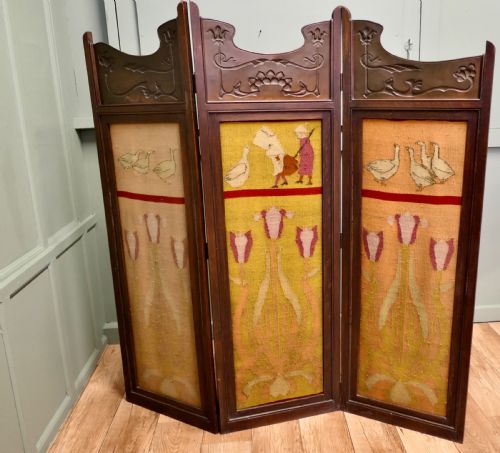
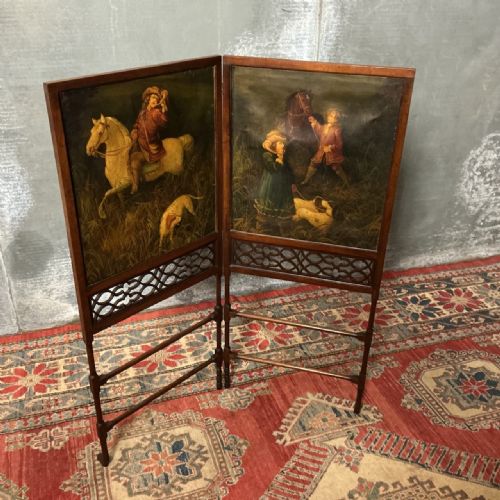
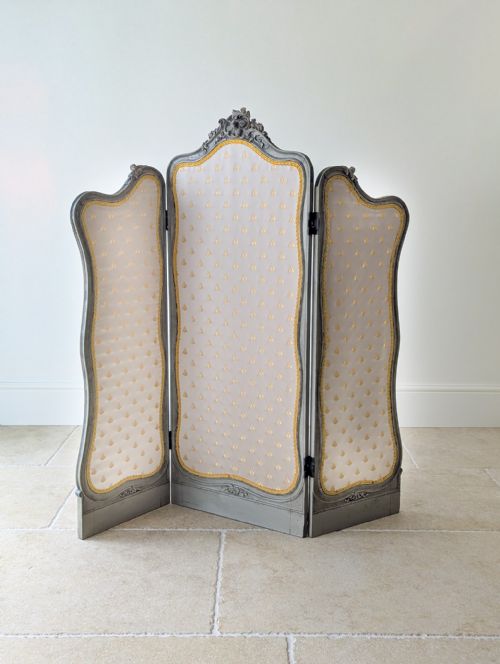
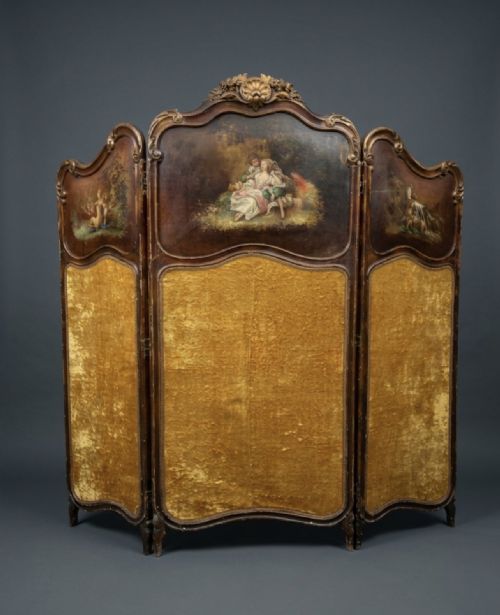
An antique wooden folding divider organises interior space while offering decorative panels of fabric, paint, lacquer, or carved detail. These panels hinge together to stand in varied configurations, functioning as privacy screens, fire screens, or dressing screens across domestic rooms.
The pieces appearing here span the Victorian, Edwardian, and early twentieth-century periods, alongside examples from Chinese, Japanese, French, and English workshops. Mahogany, oak, walnut, and padauk provide the primary timber structures for these multi-fold frameworks.
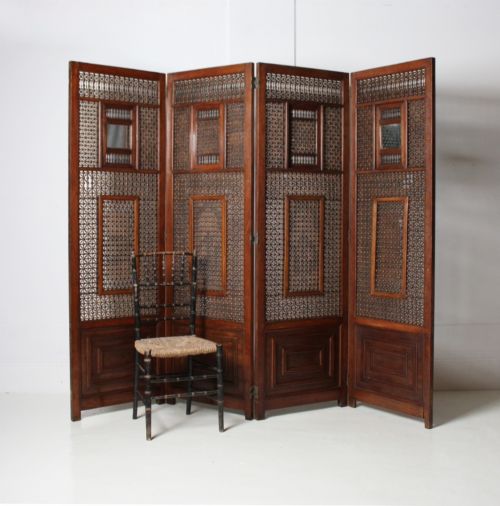
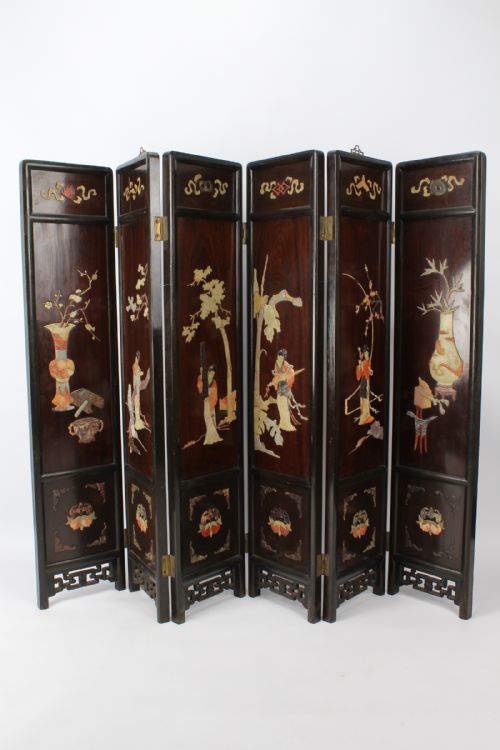
Makers utilised diverse regional aesthetics, ranging from French Rococo Revival and Art Nouveau to Qing Dynasty designs and Islamic Revival mashrabiya woodwork. Buyers often encounter three-fold and four-fold configurations alongside grander eight-fold screens.
Materials and construction methods
Carpenters joined multiple timber panels using metal hinges, allowing the structures to fold in alternating directions. Hardwoods such as mahogany, oak, and walnut formed durable outer frames to support inset panels of wool, canvas, needlepoint, or oil paintings.
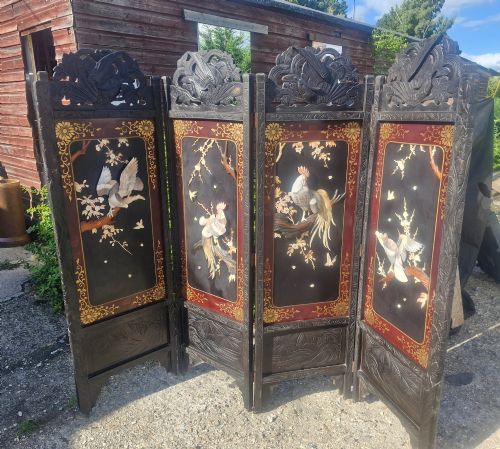
Surface decoration involved intricate hand-carving in wood, bone, and giltwood, alongside detailed applications of lacquer, paint, and inlaid brass. Master artisans executed pastoral scenes, floral motifs, and traditional oriental designs directly onto the timber or textile inserts.
Some screens served double duty as debating society backdrops, proving that politics follows you even behind closed panels.
Assessing quality in folding screens
Superior examples demonstrate precision in the joinery of the timber frame and the stability of the connecting hinges across multiple folds. The integrity of the original hand-painted panels, needlepoint, or deep carved bone figures elevates the piece considerably.
The depth and execution of carved ornamentation, such as coromandel lacquer work or intricate mashrabiya lattice patterns, distinguish exceptional screens from standard production. Cohesion between the timber structure and the decorative infill panels reflects the original maker's ambition.
The Antique Wooden Folding Divider Glossary
- Mashrabiya
- A traditional wooden oriel window or architectural screen formed of turned wooden elements into geometric lattices. This technique creates privacy while permitting air circulation and filtered light through the panels.
- Coromandel lacquer
- A Chinese folding screen technique where layers of dark lacquer are carved away to reveal coloured grounds beneath, often finished with painted details. This intricate process produces a textured, multi-layered surface.
- Needlepoint
- Canvas work embroidery utilising wool or silk yarn to create dense, pictorial panels. These textile inserts frequently decorate the internal frames of English privacy screens.
- Giltwood
- Timber treated with a thin layer of gold leaf or gilt powder applied over a prepared gesso surface. This treatment highlights carved mouldings and decorative motifs on the screen frame.
Antique Wooden Folding Divider: Frequently Asked Questions
How were antique room dividers used?
These screens partitioned large rooms to create private areas, block draughts near doorways, or conceal dressing spaces. They functioned flexibly across domestic interiors as portable walls.
Fire screens specifically shielded occupants from the radiant heat of open hearths while adding decorative interest to the fireplace mantel zone.
What woods appear in these screens?
Cabinetmakers utilised dense hardwoods including mahogany, oak, walnut, padauk, and general engineered timber frames. These sturdy woods supported heavy folding panels.
Some examples incorporated softer painted pine frameworks or exotic imported timbers suited to elaborate carving and lacquering techniques.
How do I date a folding divider?
Stylistic indicators such as Art Nouveau curves, Victorian needlepoint, or Qing Dynasty lacquer work provide primary chronological clues. The construction of the hinges and the type of wood or paint further assist in establishing the era.
Consulting the specific period attributions listed with each piece helps confirm whether an item originates from the nineteenth or early twentieth century.
How do I care for a wooden screen?
Keep wooden dividers away from direct heat sources and strong sunlight to prevent the timber and painted surfaces from drying out or cracking. Dust the carved elements and hinges regularly with a soft, dry cloth.
Protect delicate needlepoint or lacquer panels by handling the folds carefully when adjusting the configuration of the screen.