


Antique Wooden Flower Stand
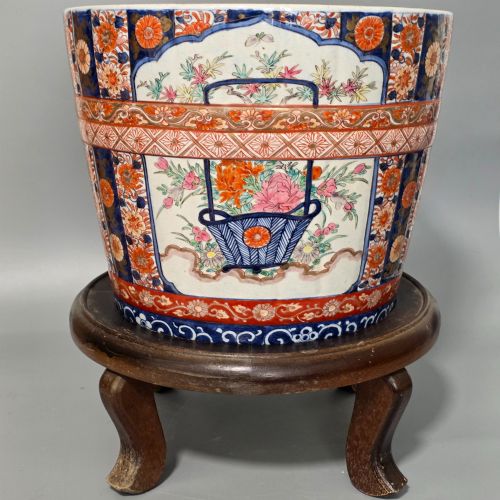
An antique wooden flower stand brings nature indoors, holding potted greenery and ceramic jardinières on raised timber pedestals.
Antique Wooden Flower Stand
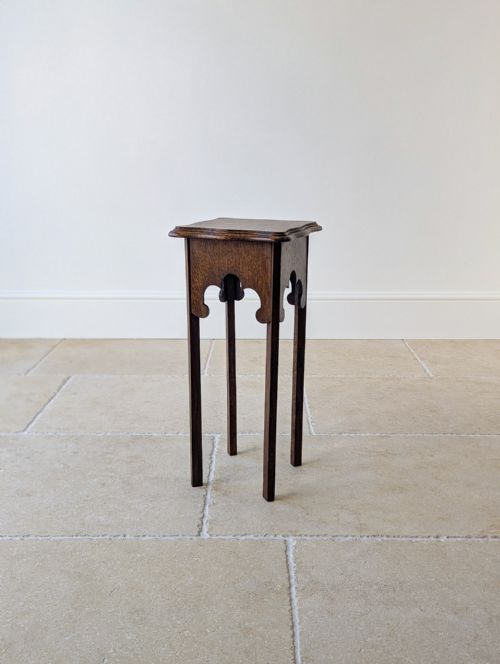
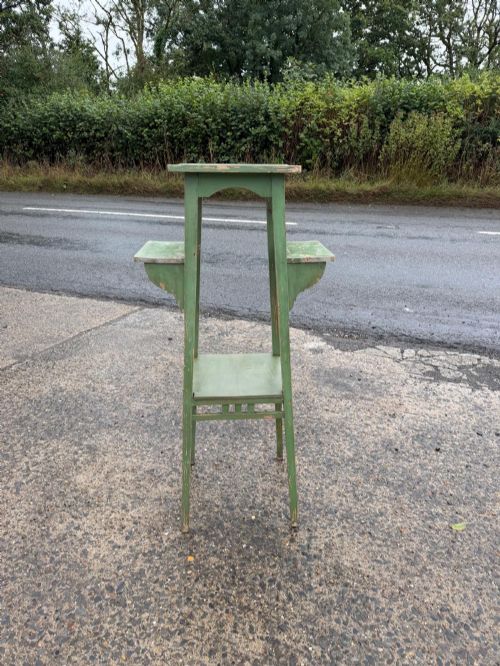
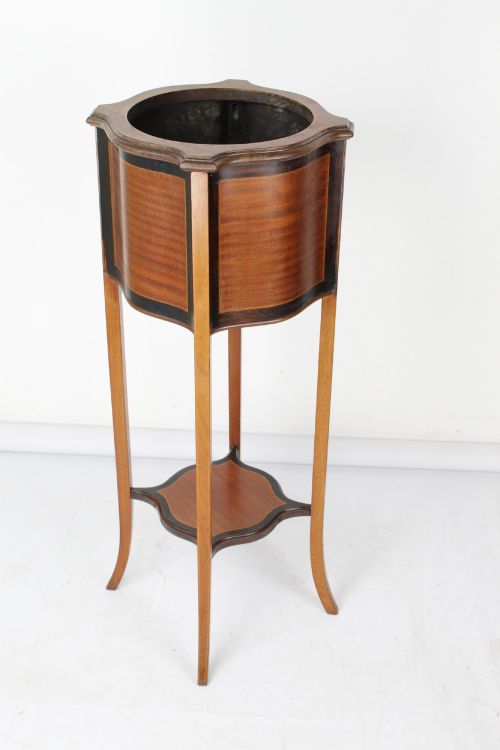
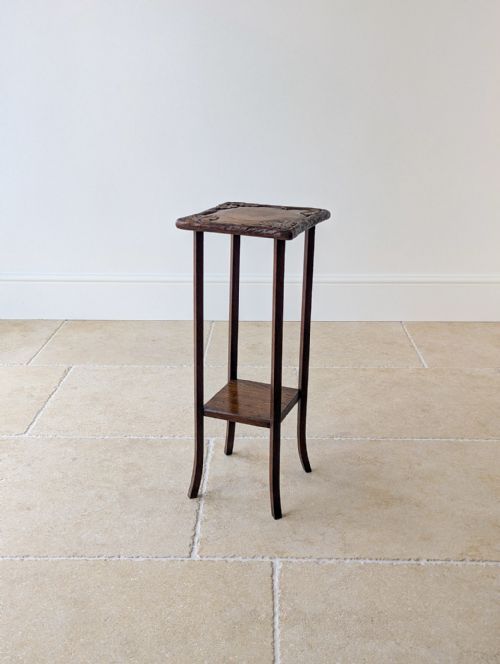
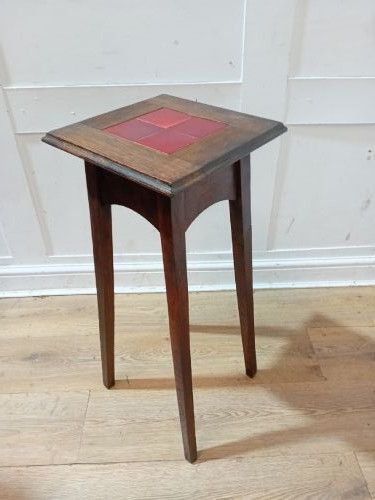
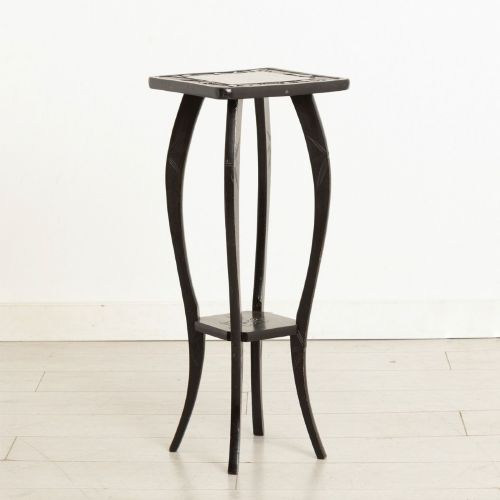
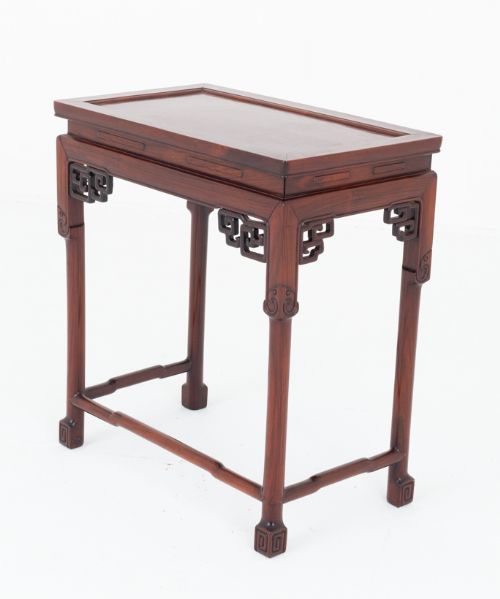
An antique wooden flower stand elevates potted plants, ferns and floral arrangements within domestic rooms, serving both decorative and practical domestic functions. These pieces appear in forms ranging from tall torchères and small occasional tables to dedicated jardinière stands with inset trays.
The pieces on this page span the nineteenth and early twentieth centuries, encompassing Victorian, Edwardian and Arts and Crafts designs alongside Chinese Export and Qing Dynasty works. Oak, mahogany and walnut provide the structural timber framework for domestic British and European examples.
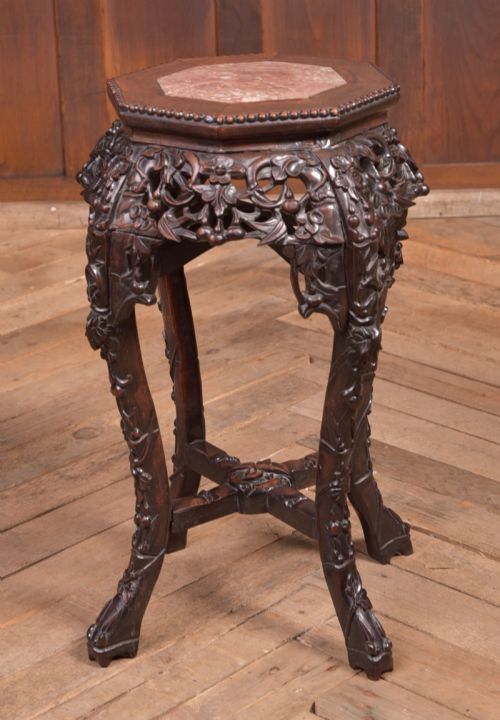
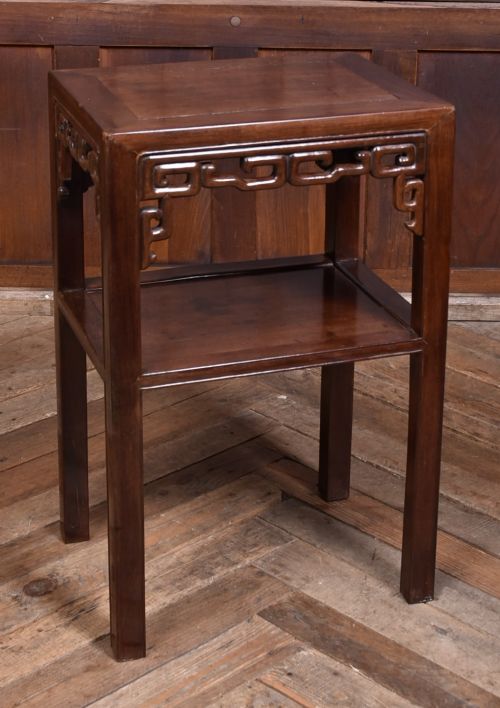
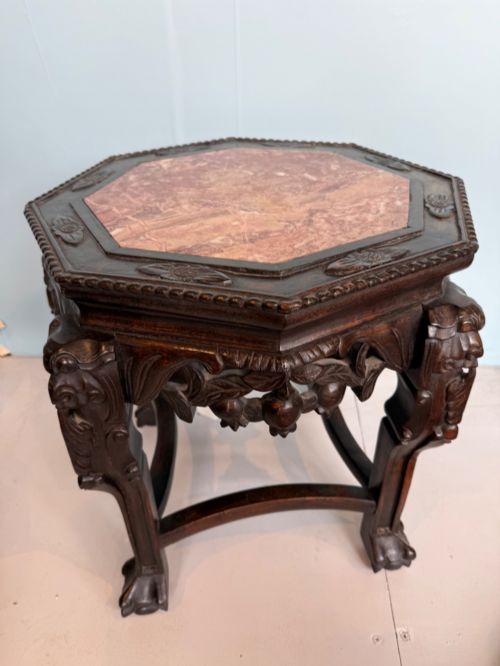
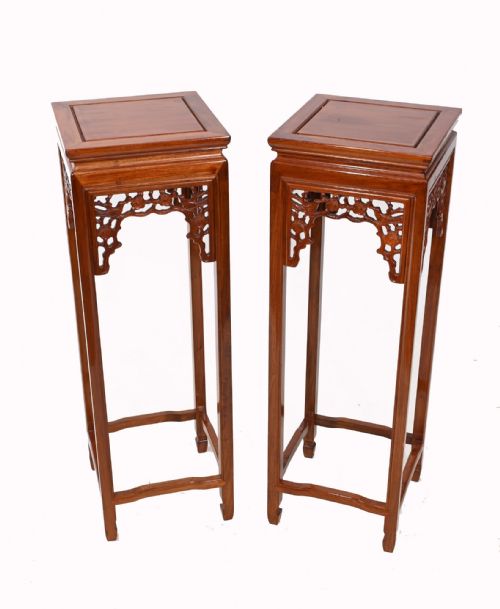
Oriental and Chinese export pieces introduce exotic hardwoods, marble inserts and intricate hand carving to the selection. Buyers encounter single pedestals, paired display tables and low planters intended to hold heavy ceramic vessels.
How they were made
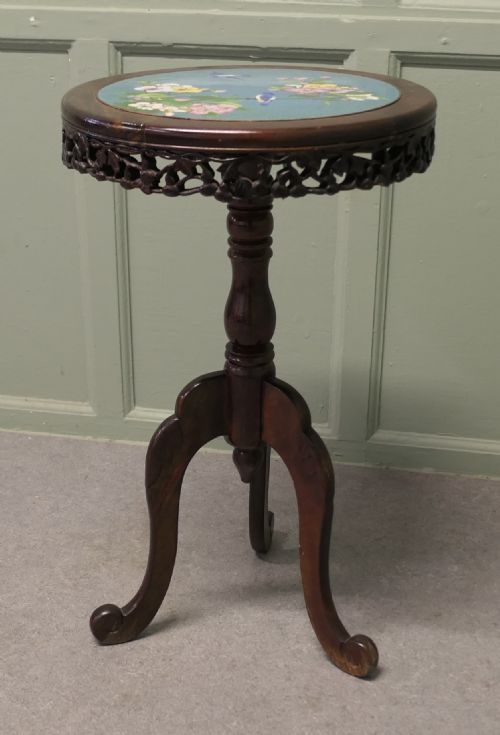
Cabinetmakers utilised solid hardwoods including oak, walnut, mahogany and rosewood, shaping supports through turning, joinery and hand carving. Barley twist legs, tripod bases and bracketed columns provide structural stability for heavy pots.
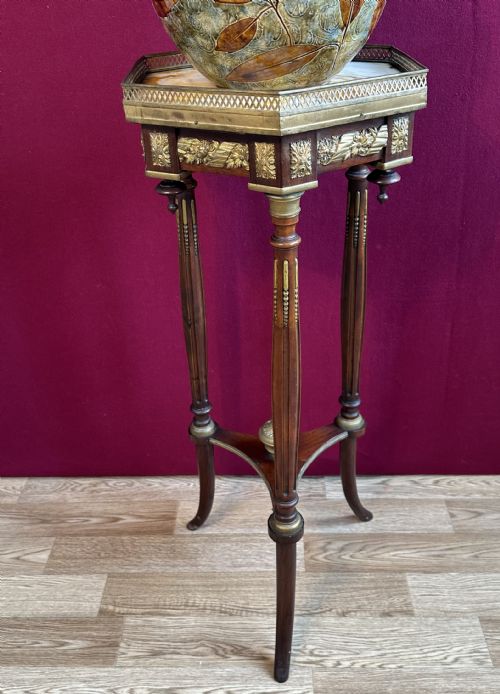
Decorative surfaces incorporate inlaid woodwork, lacquered paint finishes, brass fittings and inset marble tops designed to resist moisture from watering. Specialised vessels combine timber frames with zinc liners or cloisonné panels to hold damp soil and flowers safely.
Several stands double as book presses, proving that Victorian botanists took pressing flowers almost as seriously as growing them.
What varies in quality
Excellence lies in the crispness of hand-carved ornamentation, the selection of figured timber grain and the integrity of structural joinery. Finer examples retain original surface finishes, uncompromised marble insets and balanced proportions that support weight securely without wobble.
Lower tiers of quality involve machine-cut detailing, replaced components or moisture damage to vulnerable timber bases from years of supporting damp plant pots. The distinction rests upon original craftsmanship, material density and the preservation of period surfaces.
Liberty of London·Liberty and Co·Gillows
The Antique Wooden Flower Stand Glossary
- Jardiniere
- A decorative ceramic or metal pot, bowl or stand designed to hold growing plants or cut flowers indoors. These vessels often sit atop dedicated wooden plant stands.
- Torchere
- A tall, slender ornamental stand or pedestal originally intended to hold a candle or lamp, later adapted for display. They provide significant vertical elevation for trailing greenery.
- Marble top
- A polished stone slab inset into the wooden surface of a table or stand. This material resists water stains and moisture damage from potted plants.
- Hardwood
- Timber derived from broad-leaved deciduous trees such as oak, mahogany, walnut and rosewood. These dense woods form the durable structure of antique stands.
- Cloisonne
- An ancient decorative metalwork technique using wire compartments filled with enamel paste. These colourful panels occasionally accent oriental plant stands and tables.
Antique Wooden Flower Stand: Frequently Asked Questions
What is an antique flower stand used for?
These stands elevate potted plants, ferns and floral displays to improve room lighting and showcase botanical specimens.
They function as decorative furniture pieces that protect interior floor surfaces from water while adding architectural height to living spaces.
How do I distinguish Edwardian stands from Victorian ones?
Victorian stands tend to feature heavier carved ornamentation, darker timber tones and substantial proportions reflecting nineteenth-century taste.
Edwardian examples often display lighter mahogany construction, simpler geometric lines or Arts and Crafts influences dating from the early twentieth century.
Can these stands support heavy ceramic pots?
Most antique stands are built from dense hardwoods like oak or mahogany and engineered to bear substantial weight.
However, buyers should check the stability of tripod legs and verify that structural joints remain tight before placing heavy wet ceramic vessels on top.
Where should I place a plant stand at home?
These stands suit corners, window spaces or hallways where trailing foliage receives adequate natural light.
They also pair effectively beside seating areas as occasional tables when not holding active botanical displays.