
Antique Wooden Drawer Unit
An antique wooden drawer unit organises your space with enduring character, bringing practical storage and rich timber grain into any room.
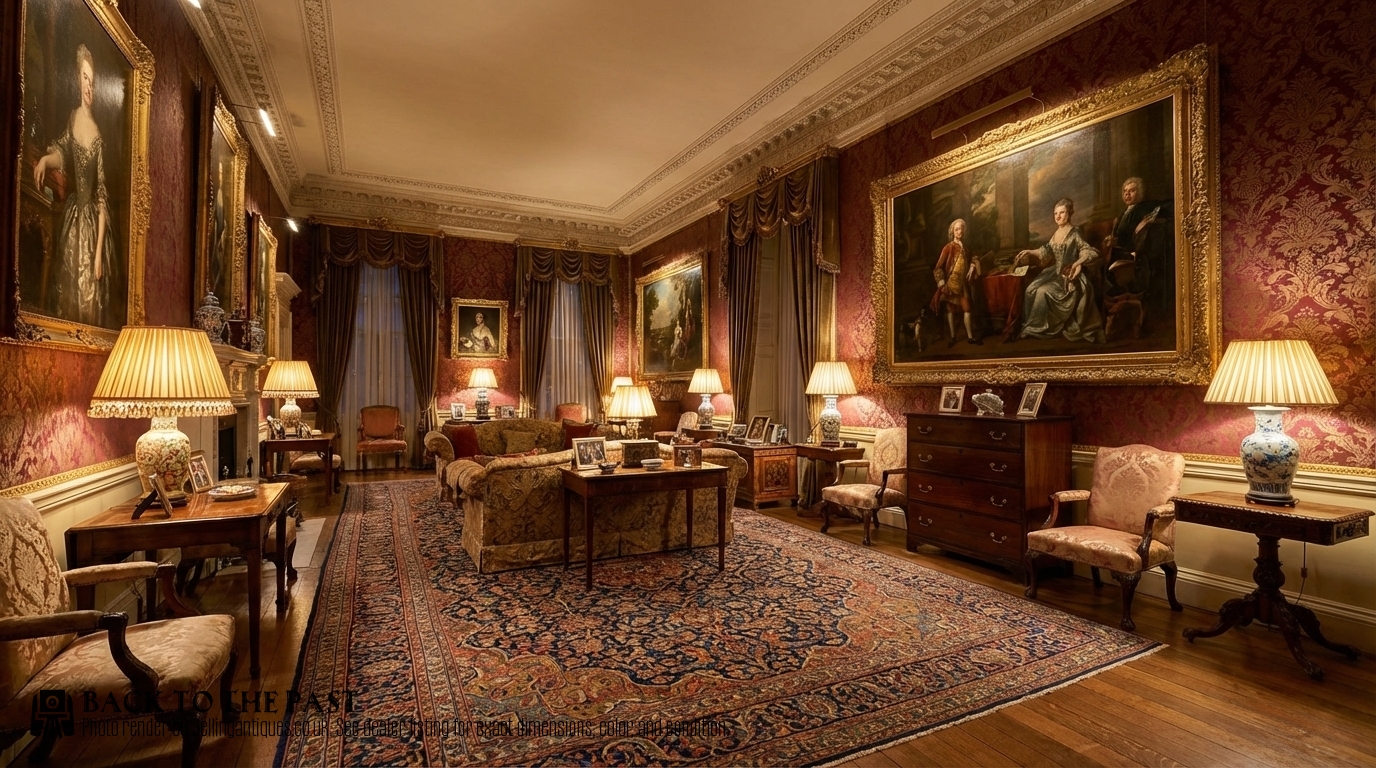
Antique Wooden Drawer Unit
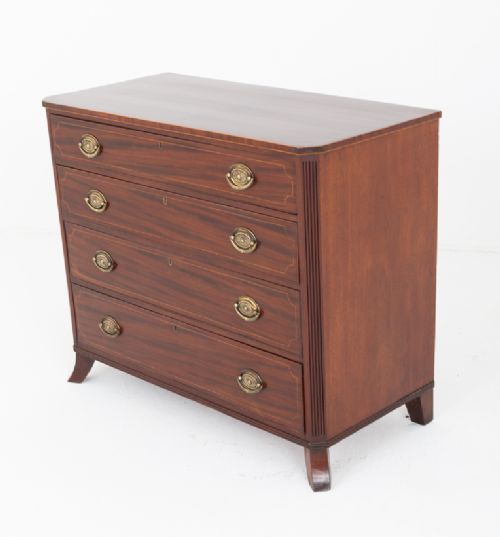
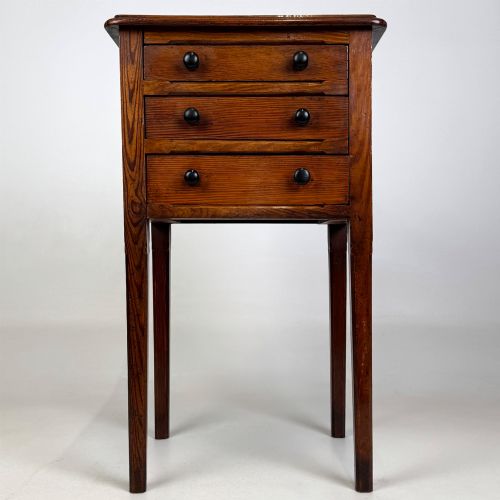
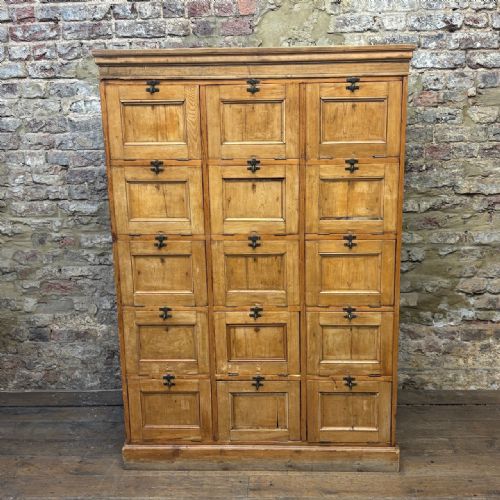
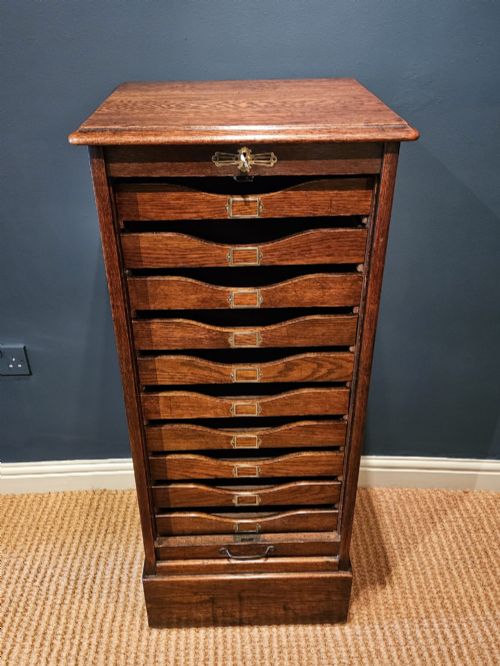
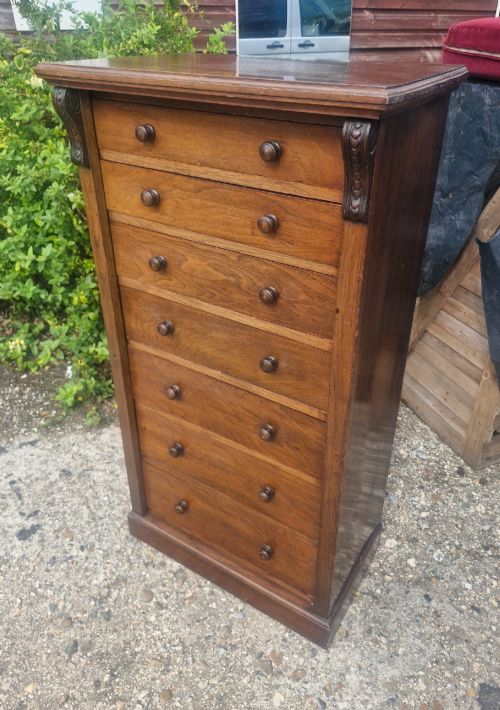
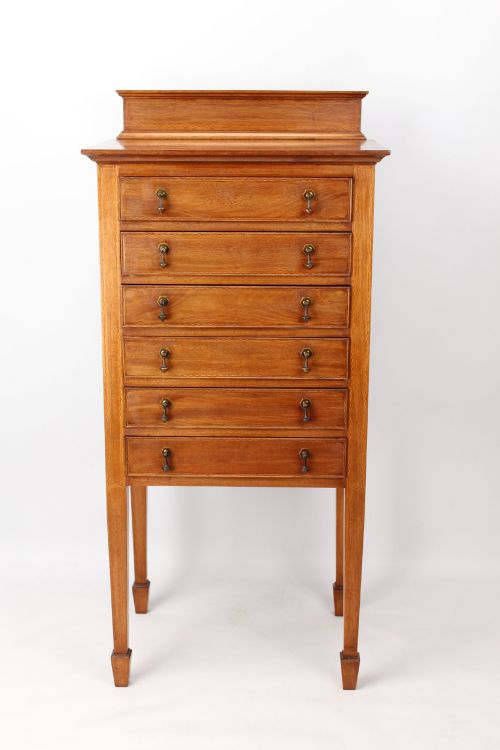
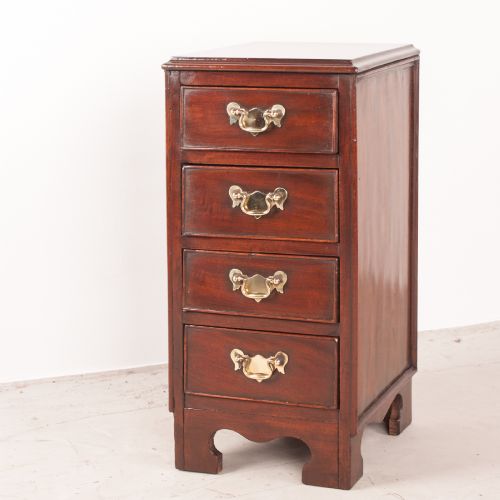
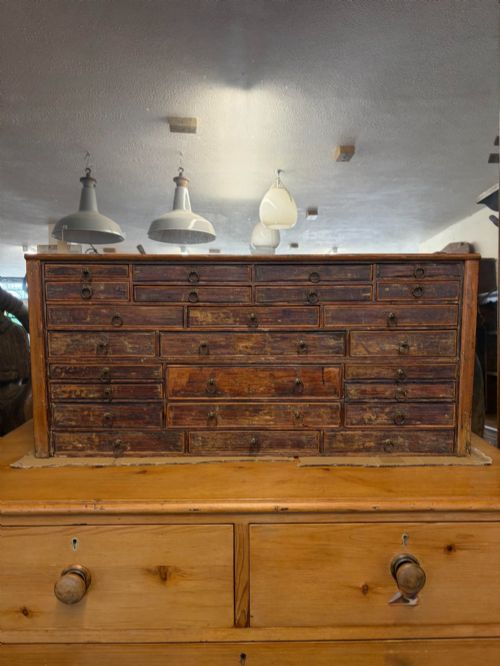
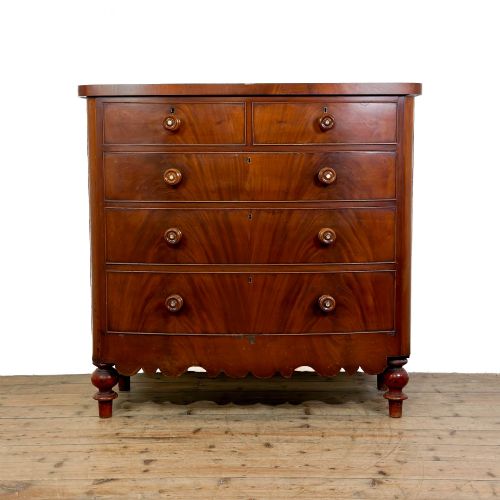
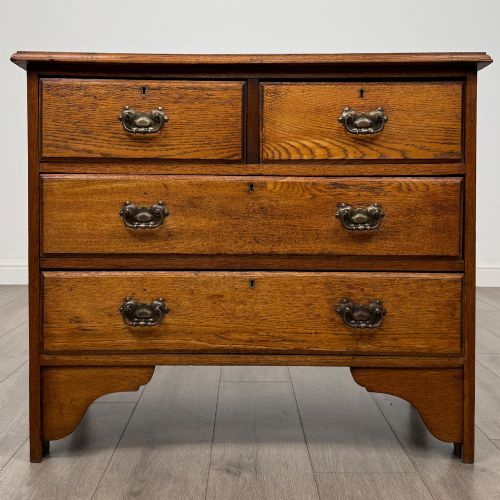
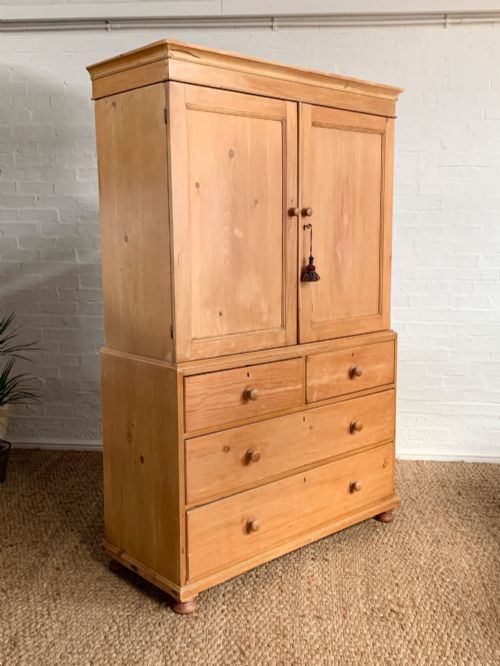
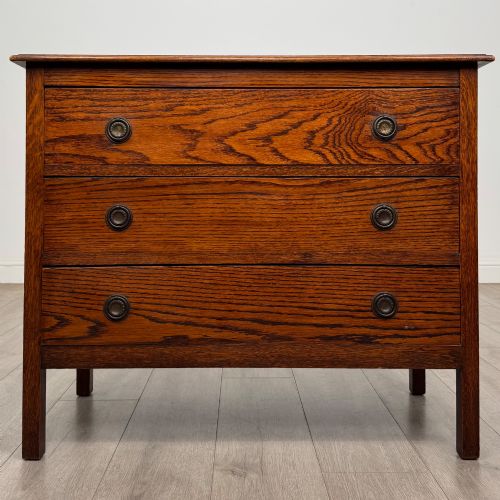
When you search for an antique wooden drawer unit, you encounter a diverse selection of storage furniture spanning several centuries. The pieces on this page range from modest miniature apprentice chests and trinket storage to large banks of drawers, filing cabinets, and tall chests.
The versions you meet most frequently belong to the Victorian and Edwardian periods, constructed in forms suited to domestic and commercial use. These include standard chests of drawers in mahogany, pine, and oak, alongside specialist shop fittings and collectors' cabinets.
Materials and construction methods
Cabinet makers utilised a variety of solid timbers and veneers, predominantly mahogany, pine, oak, and walnut, often accented with flame mahogany veneer or bone details. Brass fittings such as handles and drawer pulls completed the construction of finer pieces.
Joinery methods varied according to the date and purpose of the unit, from robust pine for utilitarian lockers and washstands to finely inlaid mahogany and satin walnut for domestic and music cabinets.
Antique Wooden Drawer Unit Retail Price Guide 2026
Typical asking prices for wooden drawer unit among the pieces listed under this phrase on Sellingantiques today, from the lower quarter to the upper quarter. They describe what is for sale here now, not the wider market.
Listings feature units constructed from mahogany, pine, oak, walnut, and flame mahogany veneer, spanning the eighteenth to twentieth centuries.
What separates the finest examples
Quality in an antique drawer unit rests upon the selection of timber, the crispness of any inlay, and the retention of original brass hardware. Pieces displaying fine patina and small proportions command attention through their balance and proportion.
The integrity of the construction, from the smooth action of the drawers to the condition of the wood, marks the distinction between standard utilitarian storage and exceptional cabinet work.
Luxmore of Ilfracombe
The Antique Wooden Drawer Unit Glossary
- Wellington chest
- A tall, slender chest of drawers secured by a hinged locking side flap that fastens with a key.
- Apprentice piece
- A miniature item demonstrating a craftsman's skill to attain master status.
- Flame mahogany
- Timber sliced to reveal a distinctive flickering, flame-like grain pattern used for decorative veneer.
- Tambour front
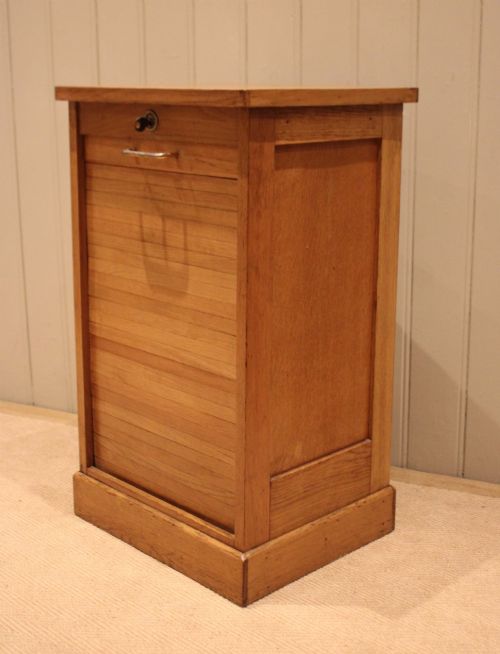
- A sliding shutter formed of narrow slats of wood glued to a canvas backing, common in filing cabinets.
- Patina
- The surface sheen and mellowing developed by wood over years of use and polishing.
Antique Wooden Drawer Unit: Frequently Asked Questions
How do I date an antique wooden drawer unit?
Dating relies on identifying the primary timbers, construction methods, and hardware styles associated with specific periods like the Georgian, Victorian, or Edwardian eras. Secondary woods inside the drawers also offer clues to the origin and age.
Examining the drawer joints, backboards, and handles helps narrow down the decade of manufacture. Changes in industrial production around the turn of the twentieth century introduced new mechanisms like tambour fronts.
What is an apprentice chest?
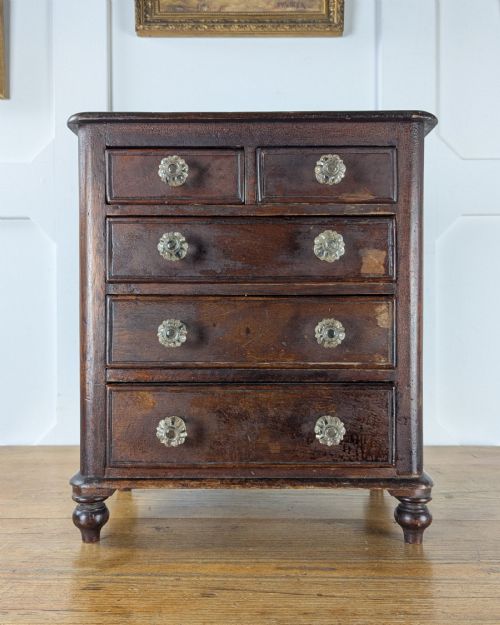
An apprentice chest is a small-scale model of a full-sized chest of drawers, often created by a craftsman to demonstrate mastery of joinery techniques.
These miniature pieces served practical storage roles on tables or desks while showcasing fine craftsmanship in miniature proportions.
Where were banks of drawers used?
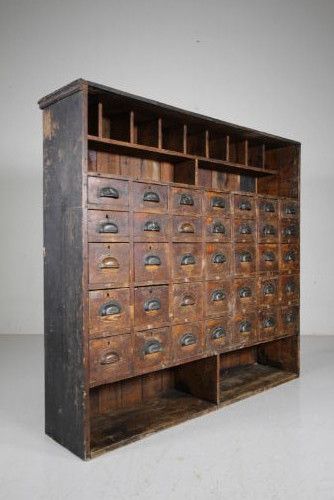
Banks of drawers and filing cabinets originate from commercial, medical, and institutional settings such as chemist shops, offices, and libraries. They provided systematic storage for documents, medicines, or hardware.
Today, these multi-drawer units find a place in modern homes as characterful storage for art supplies, collections, or kitchen goods.
How should I care for waxed pine furniture?
Waxed pine benefits from occasional applications of beeswax to nourish the timber and maintain its protective finish. Avoid placing these pieces in direct sunlight or near heat sources to prevent the wood from drying out.
Dust regularly with a soft, dry cloth and clean up spills promptly to preserve the waxed surface.
What is the difference between mahogany and flame mahogany?
Standard mahogany is a durable, straight-grained timber valued for its stability and deep reddish-brown colour. It forms the solid structural body of many classical pieces.
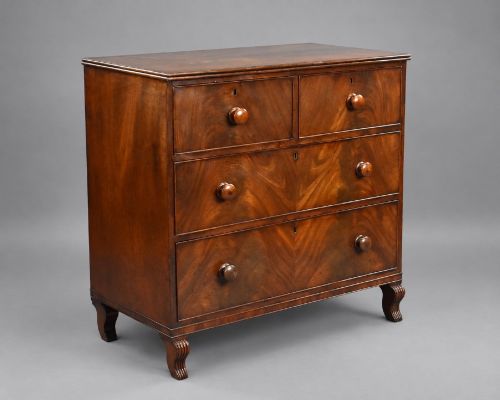
Flame mahogany uses a specially cut veneer derived from the fork of the tree, producing a dramatic, rippling pattern applied to drawer fronts for visual impact.