





Antique Wooden Coffer Bench
An antique wooden coffer bench combines domestic storage with everyday seating, grounding a hallway or living space in practical heritage.
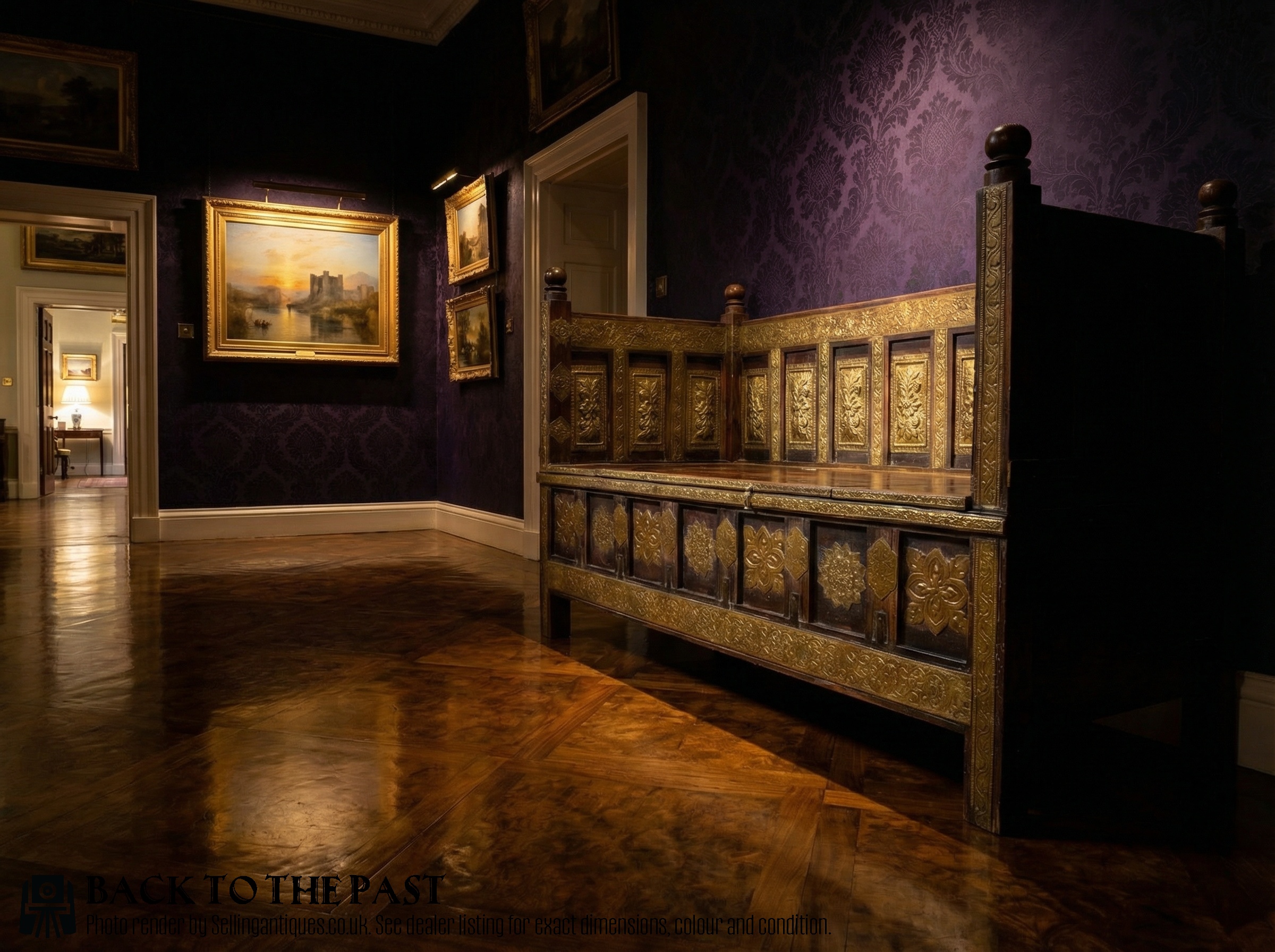
Antique Wooden Coffer Bench
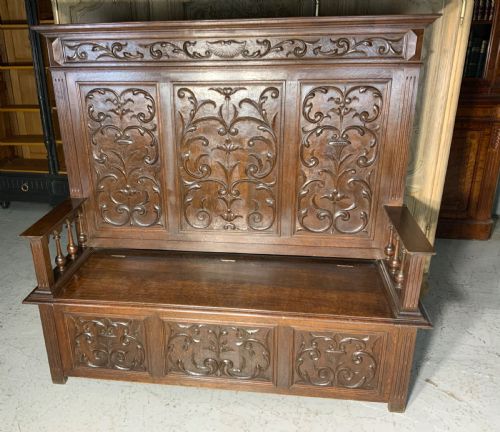
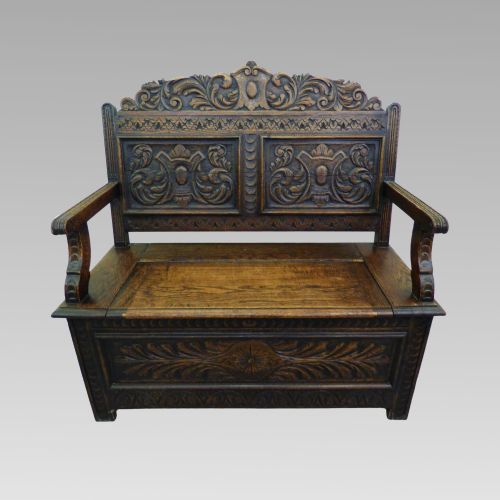
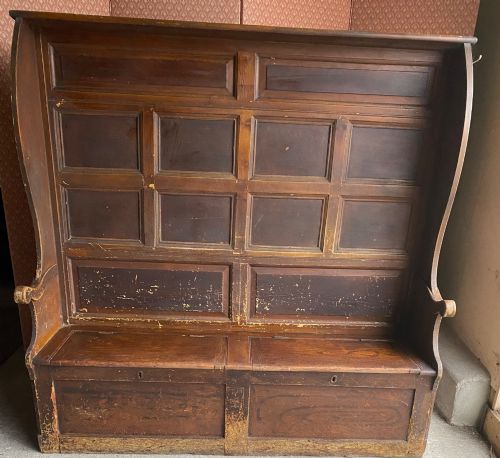
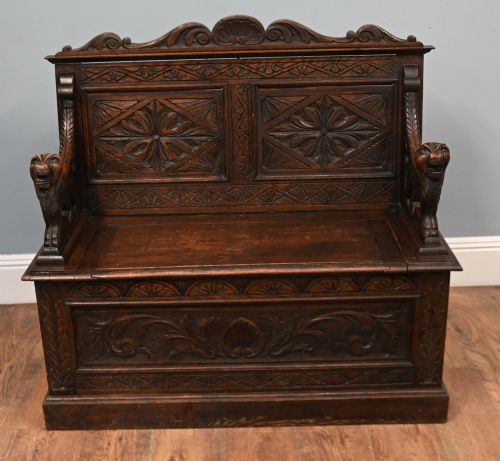
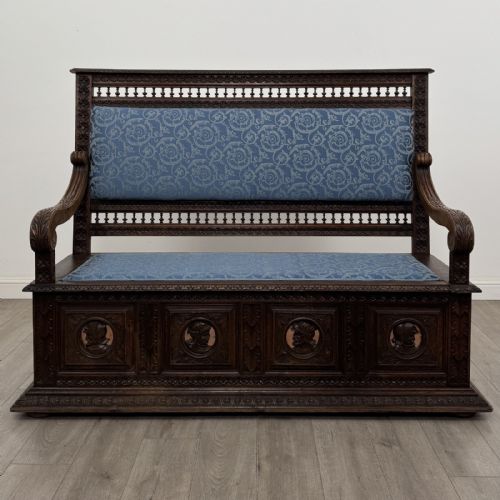
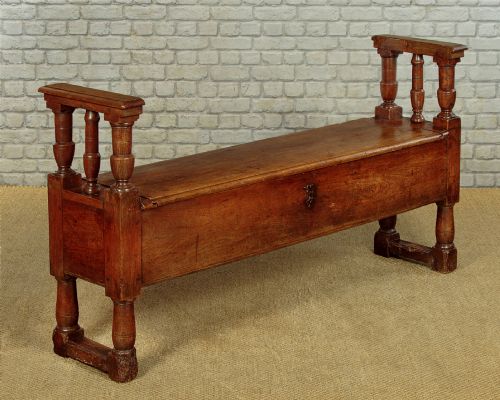
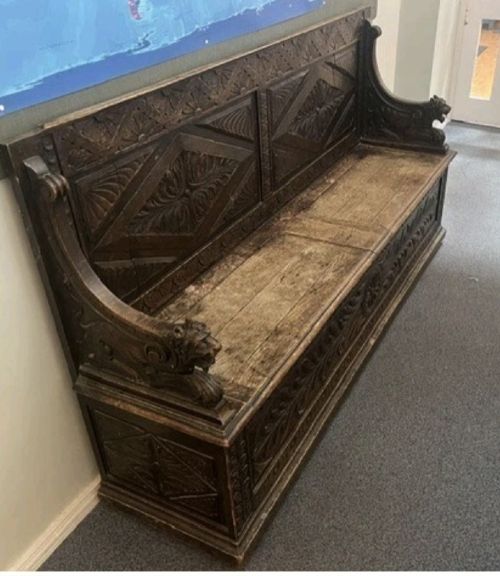
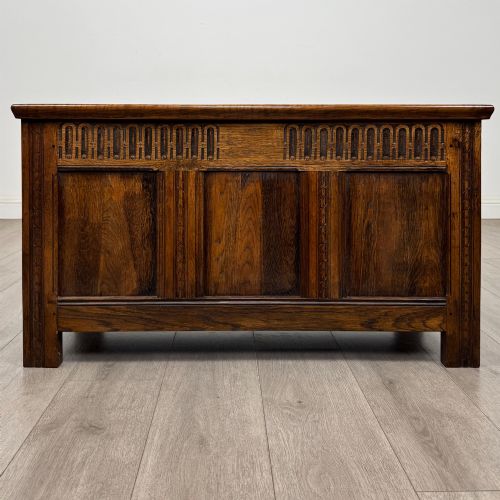
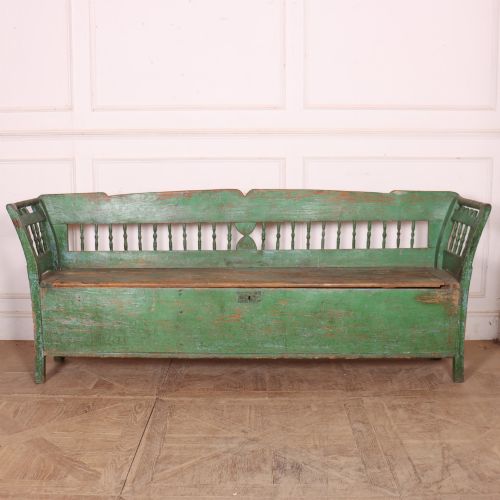
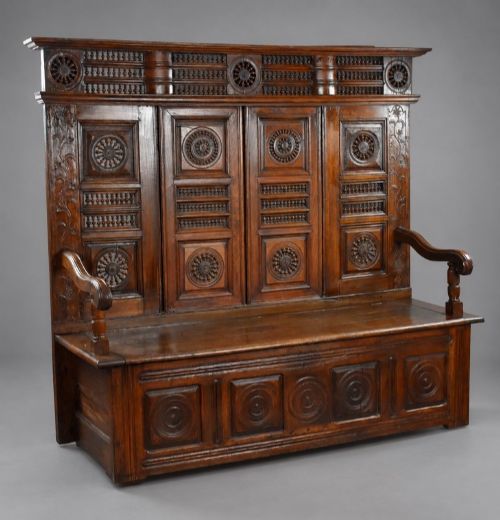
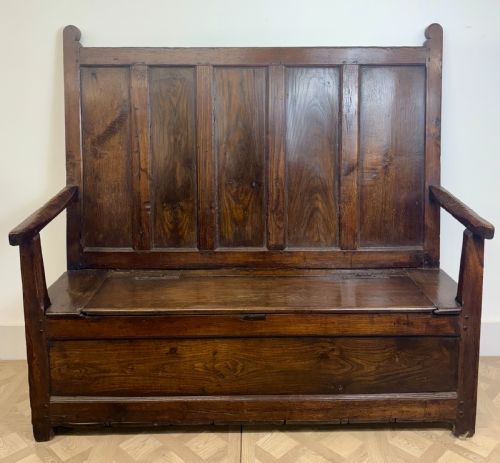
An antique wooden coffer bench brings together heavy storage trunks and high-backed seating into a single utilitarian object found across European farmhouses and country houses. Buyers searching this phrase meet substantial items often designated as box settles, hall seats, or sword chests with integrated seating functions.
The materials span sturdy native hardwoods, most notably oak and pine, supplemented by ash and walnut. Pieces range from seventeenth-century provincial seating with high panelled backs to painted Hungarian pine benches and nineteenth-century Revival iterations.
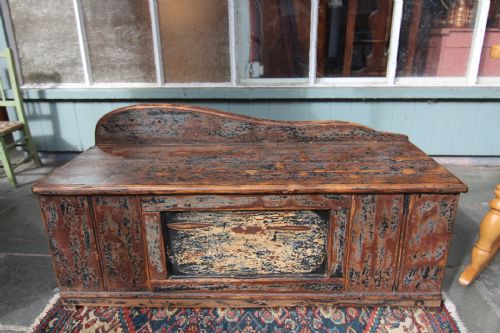
Regional variations appear clearly across the selection, from Welsh and North Country oak designs to continental pine examples finished with historic blue or black paint. Some forms incorporate fold-over tops or lift-up seats providing compartment storage beneath the squab or bench surface.
Assessing quality
Quality rests upon the integrity of the original timber and the retention of uncompromised structural proportions. Superior examples display honest patination on the seat boards and deep colour within the oak or pine grain, unmarred by heavy modern intervention.
The depth of carving and the sophistication of the joinery separate provincial workshop output from finer country house commissions. Original hardware, intact lift-up mechanisms, and untouched surfaces elevate certain examples above standard utilitarian seating.
Antique Wooden Coffer Bench Retail Price Guide 2026
Typical asking prices for wooden coffer bench among the pieces listed under this phrase on Sellingantiques today, from the lower quarter to the upper quarter. They describe what is for sale here now, not the wider market.
Listings feature oak and pine construction spanning the seventeenth century through the twentieth century, incorporating English, Welsh, Scottish, and continental origins.
The Antique Wooden Coffer Bench Glossary
- Box settle
- A high-backed wooden bench featuring a compartment beneath the seat for storage. This form kept sitters away from cold drafts in older homes.
- Panelling
- Framework constructed from fitted wooden stiles and rails holding thinner internal tablets. This technique allowed timber to expand and contract safely without splitting.
- Patina
- The deep surface sheen and mellow colour developed by wood over decades of touch, light, and waxing. It acts as a visual indicator of age and continuous use.
- Revival
- A nineteenth-century stylistic movement that copied earlier historic periods such as the Jacobean or Renaissance eras. Makers utilised older decorative motifs on newly produced furniture.
Antique Wooden Coffer Bench: Frequently Asked Questions
What is a coffer bench?
A coffer bench is a hybrid piece of furniture combining a trunk for storing household goods with a seated bench built directly above the compartment.
These dual-purpose items served generations in farmhouse kitchens and entrance halls to save space and secure textiles or tools.
Where were box settles used?
Box settles stood primarily in domestic entrance halls, farm kitchens, and large reception rooms to accommodate family and visitors.
Their high panelled backs blocked cold drafts blowing across stone floors while providing immediate access to stored blankets or belongings.
How do I date an oak settle?
Dating relies on examining joinery techniques, tool marks, timber shrinkage, and the style of any carved ornamentation on the back panels.
Earlier seventeenth-century pieces display pegged frame construction and hand-riven boards, whereas later nineteenth-century revival items show uniform machine sawn timber.
How do I care for antique pine?
Antique pine benefits from occasional applications of natural beeswax to nourish the dry timber and protect the historical painted or waxed surface.
Keep these benches away from direct heat sources and radical humidity shifts to prevent the old wood from splitting or warping.