




Antique Wooden Chimney Mirror
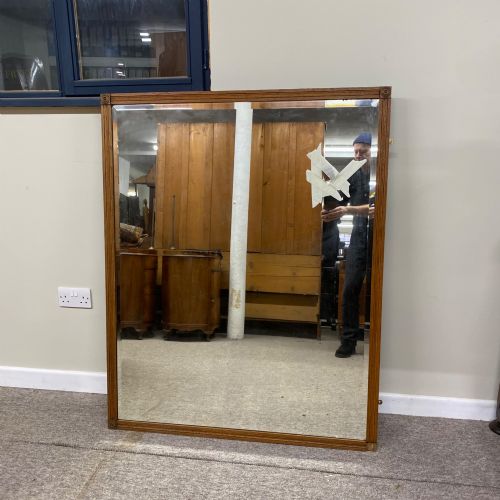
An antique wooden chimney mirror is a substantial architectural glass that anchors a room, and these pieces offer period character and presence above a hearth.
Antique Wooden Chimney Mirror
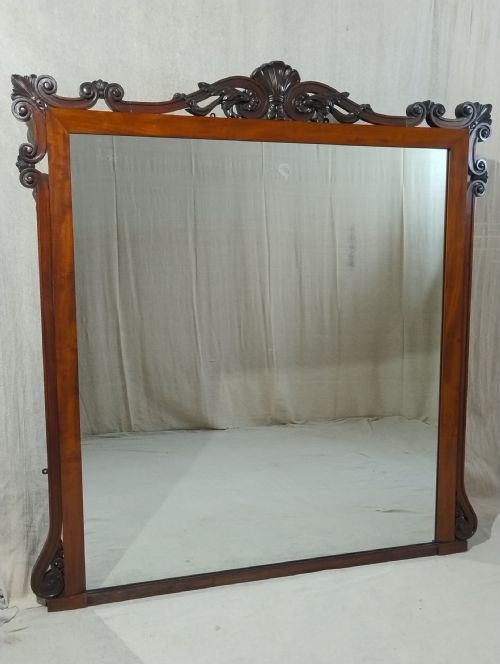
An antique wooden chimney mirror functions primarily as an overmantel piece designed to sit above a fireplace, reflecting light and visually expanding interior spaces. When exploring this selection, buyers frequently encounter large formats spanning the Victorian and Regency eras.
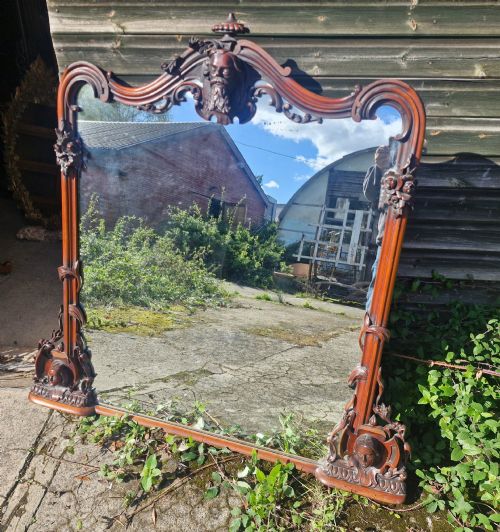
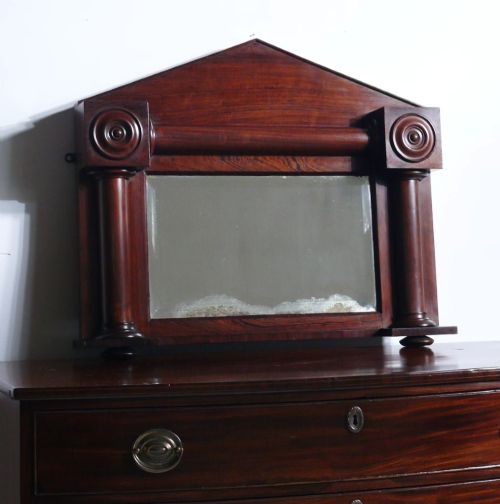
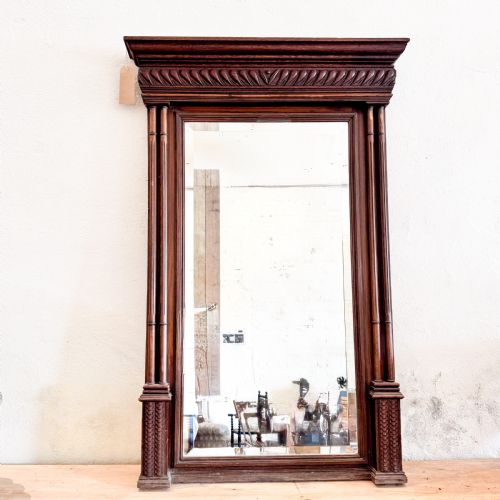
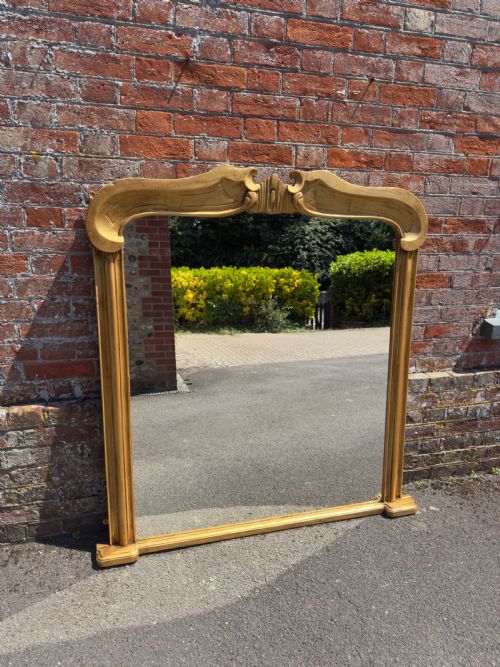
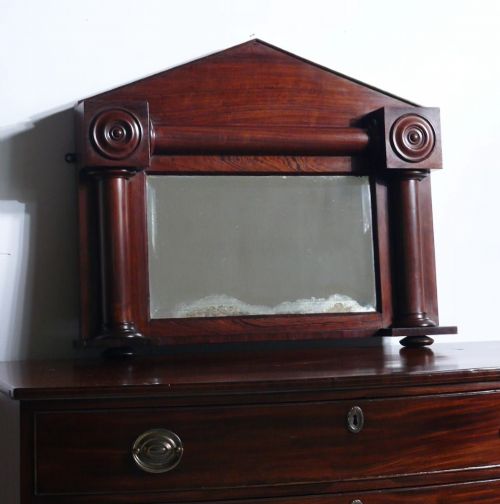
The objects listed range from simple walnut and mahogany frames to elaborate carved giltwood and painted creations. Overmantel mirrors and wall mirrors dominate the selection, showing styles from the Aesthetic Movement to Edwardian and French Chateau influences.
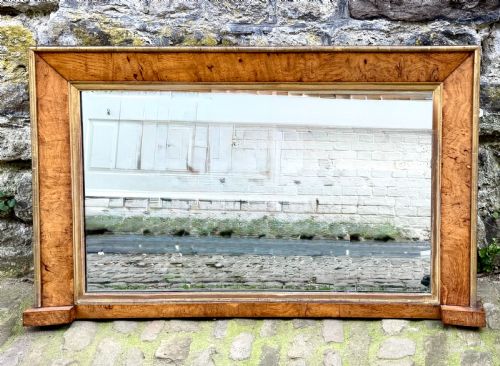
Makers and craftsmen utilised varied timbers such as rosewood, birds eye maple, and burr walnut alongside traditional gesso and glass. These pieces serve as focal points in period properties and contemporary settings alike.
Materials and construction methods
Cabinetmakers constructed these frames using dense timbers like mahogany, walnut, and rosewood, often applying veneers such as burr walnut or birds eye maple for visual depth. Carved wooden ornaments and applied gesso provided the foundation for subsequent gilding or paint finishes.
Glass plates were securely set into heavy wooden rebates, supported by backboards that protected the silvering from atmospheric moisture. Parcel gilt details and marquetry inlays completed the surface decoration on finer examples from the nineteenth century.
Antique Wooden Chimney Mirror Retail Price Guide 2026
Typical asking prices for wooden chimney mirror among the pieces listed under this phrase on Sellingantiques today, from the lower quarter to the upper quarter. They describe what is for sale here now, not the wider market.
The listings span the 19th Century, Regency, Victorian, and Edwardian periods, utilising materials such as mahogany, walnut, rosewood, giltwood, and gesso.
Distinctions in craftsmanship and preservation
The standard of carving and the selection of timber veneers dictate the baseline quality of an overmantel mirror. Finer pieces display crisp hand-carved wooden details and carefully matched grain patterns across rosewood or burr walnut surfaces.
Originality of the glass plate and the condition of the gesso or giltwood finish significantly influence the integrity of the piece. Subtle details such as fretted woodwork or inlaid marquetry separate standard utility mirrors from high-status decorative works.
The Antique Wooden Chimney Mirror Glossary
- Overmantel mirror
- A large mirror specifically proportioned to hang on the wall directly above a fireplace mantelpiece. These pieces often feature horizontal orientations to match the width of the hearth below.
- Gesso
- A plaster-like material applied to wooden frames as a smooth base for subsequent gilding or painting. It allows intricate relief ornamentation to be moulded directly onto the timber structure.
- Parcel gilt
- A decoration technique where only specific raised portions or carved details of a wooden frame are covered in gold leaf. The remaining areas display the natural wood, paint, or dark ebonised finish.
- Marquetry
- The art of applying small pieces of veneered wood to a structure to form decorative patterns or pictorial designs. This technique frequently appears on Edwardian and Victorian rosewood frames.
- Aesthetic Movement
- A late nineteenth-century design style that emphasised visual beauty and craftsmanship over narrative or moral themes. Mirrors from this period often display refined, simpler lines.
Antique Wooden Chimney Mirror: Frequently Asked Questions
How do I hang a heavy overmantel mirror?
Due to their substantial weight, these large wooden mirrors require secure fixing directly into masonry or heavy wall studs using appropriate steel brackets.
Professional installation is strongly recommended to support the combined weight of the timber frame and thick glass safely.
Can these mirrors be placed on top of a mantel?
Many overmantel mirrors are designed to rest directly upon the mantelpiece shelf while being anchored to the wall for stability.
Heavier examples should be hung independently to prevent excessive strain on the wooden fireplace surround.
How do I clean antique mirror glass?
Use a soft, dry microfibre cloth to gently remove dust from the glass surface and the surrounding wooden or gilt frame.
Avoid spraying liquid cleaners directly onto the glass, as moisture can seep behind the plate and damage the historical silvering.
How do I identify a Regency period mirror?
Regency pieces often display classical architectural proportions, clean lines, and dark timbers such as mahogany or rosewood.
Detailing tends to be restrained compared to later Victorian exuberance, frequently incorporating parcel gilt accents.