

Antique Wooden Cabinets Pair
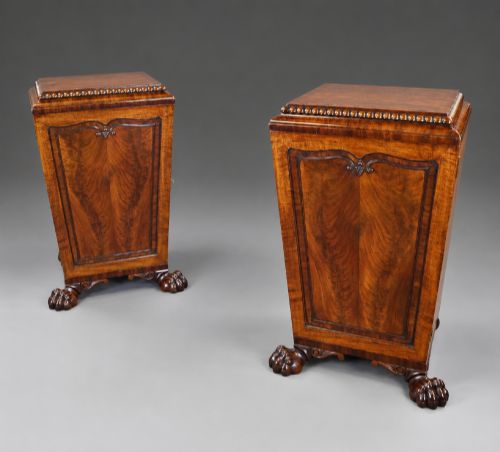
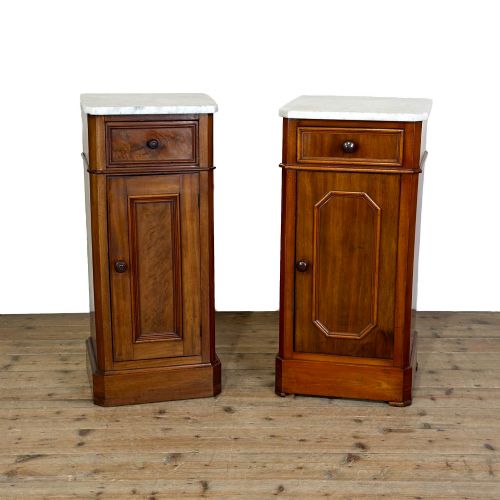
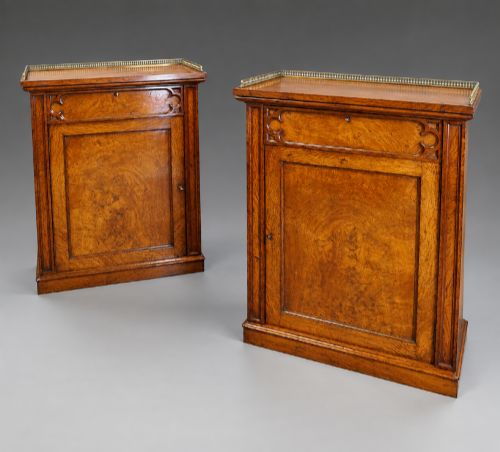
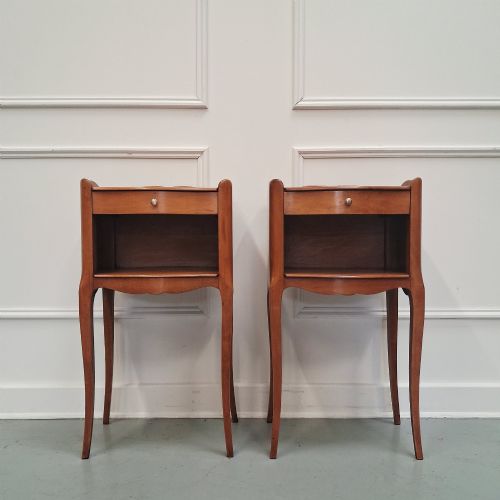
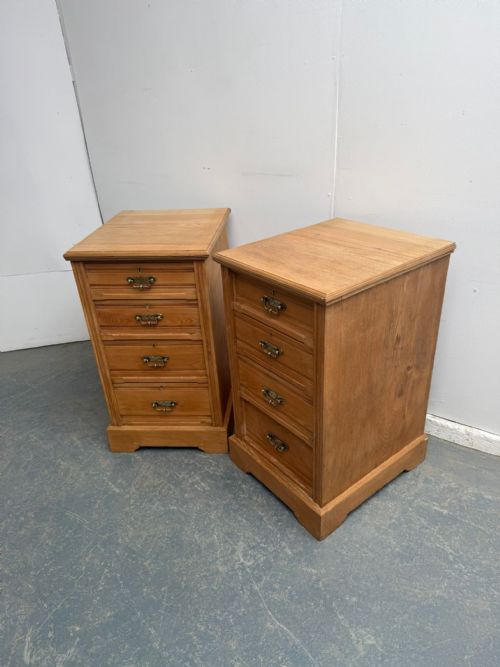
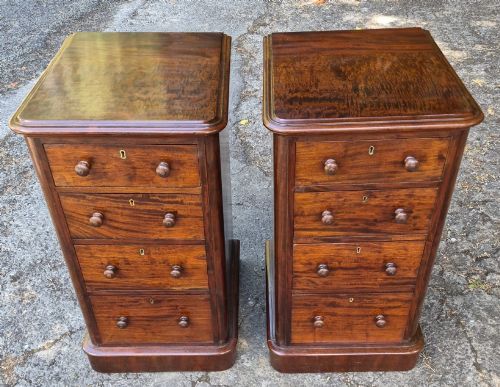
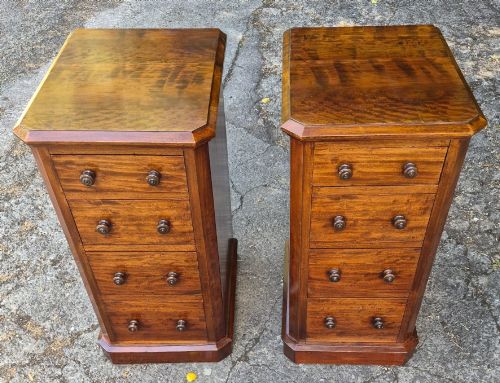
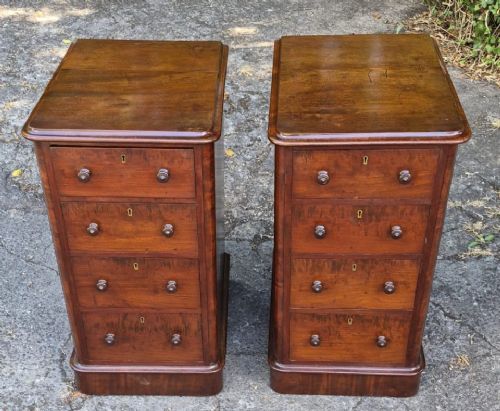
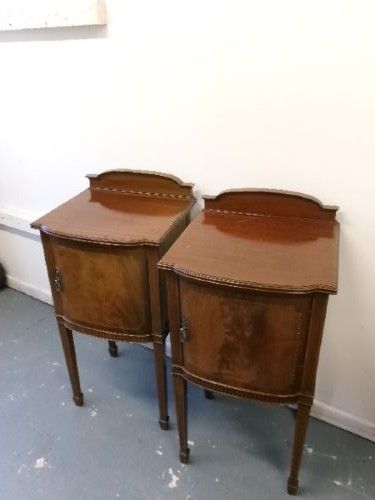
These antique wooden cabinets pair pieces of matching timber, typically walnut and mahogany, to bring symmetry and functional storage to a room.
Antique Wooden Cabinets Pair
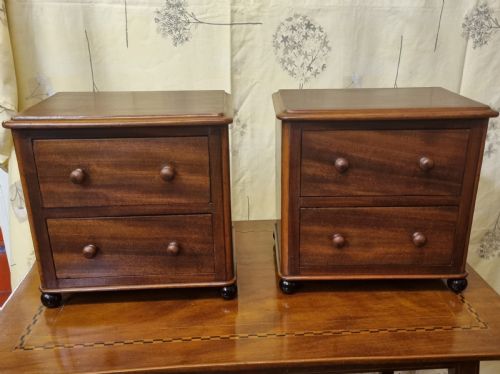
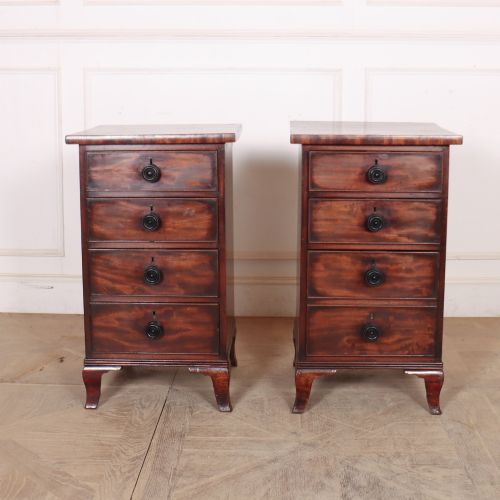
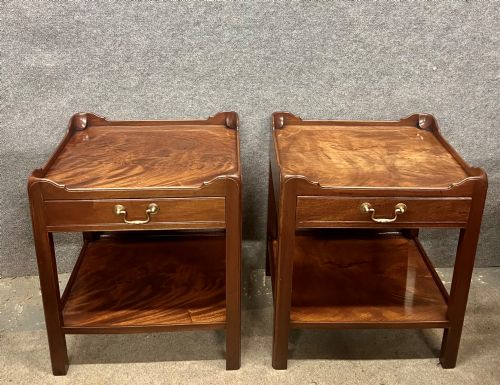
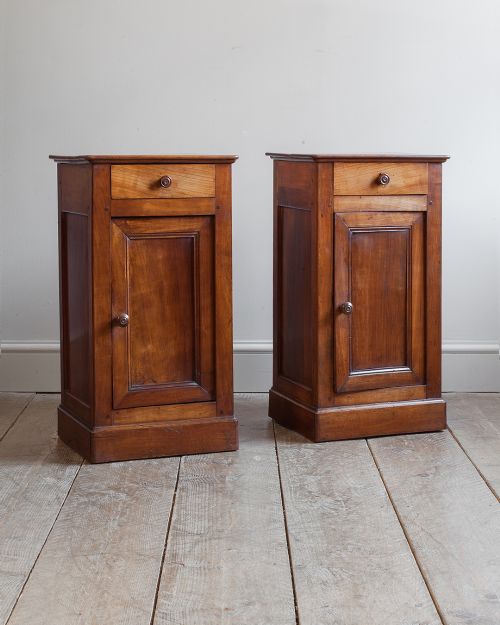
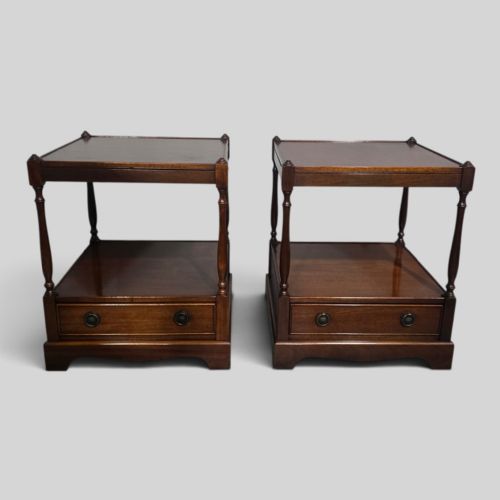
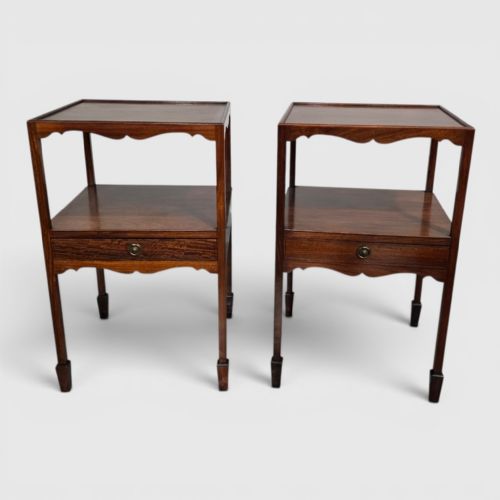
When searching for an antique wooden cabinets pair, the selection focuses heavily on matching bedroom and reception furniture designed to sit symmetrically on either side of a bed or fireplace. The forms appearing most often on this page are bedside chests, lamp tables, and small side cupboards produced during the Victorian, Edwardian, and early twentieth-century periods.
Beyond standard bedside tables, the listings include specialised pieces such as apothecary chests of drawers, architectural salvage cupboard doors, and marble-topped commodes. These items span English workshops and continental European origins, predominantly featuring mahogany, walnut, ash, and cherrywood.
Design influences range from straightforward Victorian utilitarian forms to elaborate French marquetry and Sheraton revival details. Buyers encounter matched sets that combine utilitarian storage with decorative inlay, brass hardware, and polished wood surfaces.
Materials and construction methods
Cabinet makers relied on dense hardwoods like mahogany, walnut, and oak to provide structural integrity for bedside tables and commodes. Lighter timbers such as satinwood and kingwood were frequently utilised for contrasting veneer work and decorative marquetry panels.
Surface treatments typically involved wax finishing or French polishing to highlight the natural grain of the wood. Metal components, including brass handles and key escutscheons, were cast and fitted by hand to complement the darker timber tones.
Listings feature items from the eighteenth century up to nineteen-thirty, incorporating mahogany, walnut, oak, and marble.
Factors influencing quality
Quality separates through the selection of timber veneers and the precision of the matching between the two individual items in a set. Grain alignment across drawers and cupboard doors indicates higher craftsmanship during assembly.
The sophistication of decorative techniques, such as fine string inlay, hand-cut dovetail joints, and integrated marble tops, marks the distinction between standard utilitarian pieces and finer salon furniture.
Holland and Sons·D Napier and Sons
The Antique Wooden Cabinets Pair Glossary
- Marquetry
- Decorative veneer patterns formed by fitting small pieces of wood, shell, or ivory into a supportive background. This technique appears frequently on French and revival commodes.
- Commode
- A low cabinet or chest of drawers, often standing on legs. In continental pieces, they frequently feature marble tops.
- Dovetail
- A joint used in drawer construction formed by interlocking wedge-shaped fingers. Hand-cut dovetails indicate older, traditional cabinet making.
- Pedestal cabinet
- A tall, freestanding cupboard standing on a single base or plinth. These provide enclosed vertical storage beside a bed.
- Serpentine
- A curved shape resembling a snake, featuring a convex centre flanked by concave sides. This profile appears on eighteenth and twentieth-century revival furniture.
Antique Wooden Cabinets Pair: Frequently Asked Questions
How do I match antique wooden cabinets pair sets?
Look closely at the timber grain, wood species, and handle hardware to determine if two pieces originated together as a matched set. Minor variations in tone can occur naturally over time, but construction details should align.
Inspect the internal drawer sides and back panels to confirm consistent manufacturing techniques, which helps verify that the pair shares a common workshop origin.
What periods do these cabinets come from?
The available selection spans from the eighteenth century through the Victorian and Edwardian eras, extending into nineteen-thirties production. Styles range from classical Georgian proportions to decorative French marquetry.
Victorian and Edwardian mahogany bedside chests form the largest portion of the listings, reflecting standard domestic furnishing trends of those decades.
How were bedside cabinets used historically?
Historically, bedside cabinets served to store chamber pots, nighttime reading materials, and personal items out of sight. Their enclosed cupboards and drawers kept sleeping quarters tidy before modern fitted bedroom furniture became common.
As domestic layouts evolved, many of these small cupboards adapted easily into lamp tables or side tables for reception rooms.
How do I care for antique wood surfaces?
Maintain polished wood surfaces by applying traditional beeswax periodically to nourish the timber and protect the finish. Avoid placing pieces near direct heat sources or strong sunlight, which can dry out veneers.
Clean the wood gently using a soft, dry cloth rather than modern liquid polishes, which can build up residue over time and dull the original patina.