





Antique Wooden Bar Tray
These antique wooden bar tray examples span George III to Art Deco, offering solid mahogany and English oak service for the modern home.
Antique Wooden Bar Tray
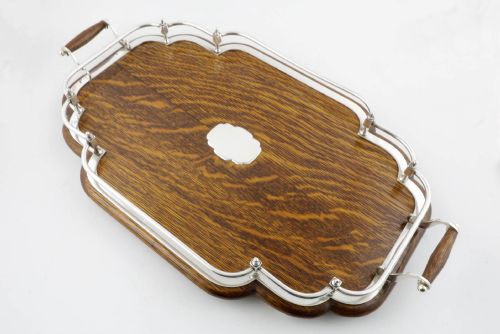
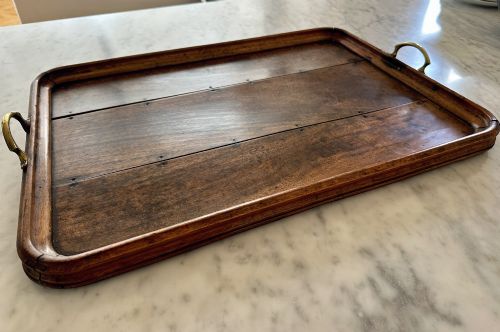
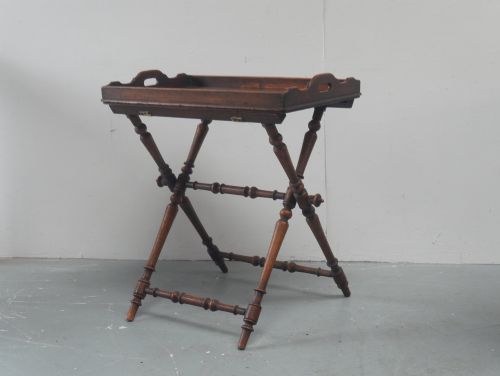
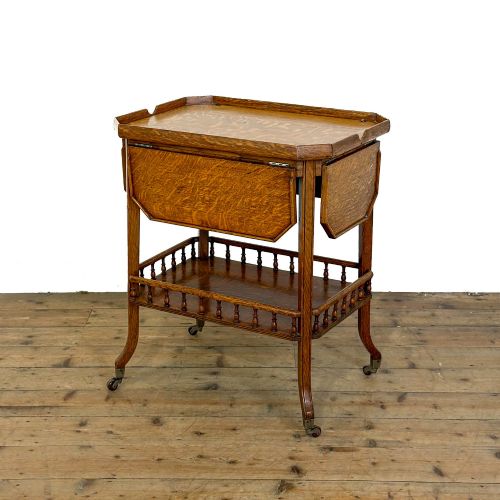
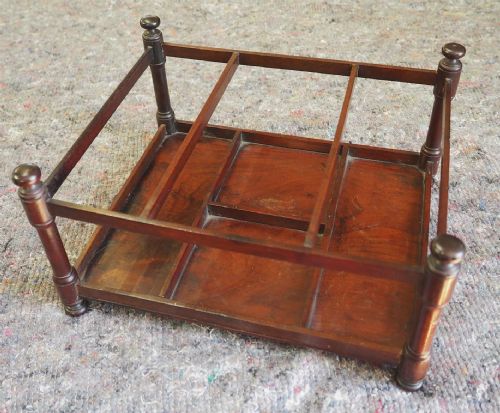
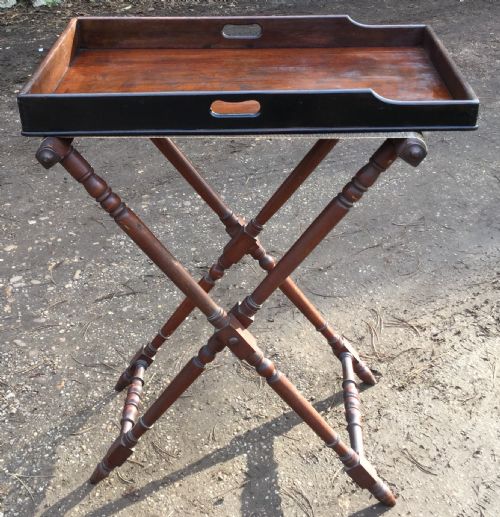
An antique wooden bar tray brings functional hospitality to rooms, taking forms from simple serving trays to folding butler tray tables and tiered tea trolleys. When searching for an antique wooden bar tray, buyers encounter heavy oak butler trays on folding stands alongside mahogany serving trays fitted with brass handles.
The pieces on this page originate across the Georgian, Victorian, Edwardian, and Art Deco periods. Many examples combine rich timbers like mahogany or English oak with metal mounts, glass bases, or silver plate accents to create portable drink stations.
Practical utility defines these objects, whether configured as removable trays on wheels, side tables, or tabletop platters. The historical forms reflect evolving social habits around entertaining, moving from formal tea service to cocktail hosting.
Materials and construction
Cabinet makers utilised dense hardwoods like mahogany and English oak to build sturdy frames that endured regular service. These timbers were often polished to highlight natural grain patterns, providing durable surfaces for glassware and decanters.
Metal elements such as brass handles and silver plate galleries were integrated to secure items during transit and ease handling. Removable trays and folding stands required precise joinery to ensure stability during daily use.
Antique Wooden Bar Tray Retail Price Guide 2026
Typical asking prices for wooden bar tray among the pieces listed under this phrase on Sellingantiques today, from the lower quarter to the upper quarter. They describe what is for sale here now, not the wider market.
An Art Deco novelty bar tray depicts Charlie Chaplin, bringing silent film comedy directly to the cocktail hour.
Assessing craftsmanship and condition
Quality reveals itself in the choice of timber and the precision of the joinery connecting frames, handles, and gallery rails. Superior pieces display thoughtful integration of brass fittings and silver plate that complement the primary wood without loose joints.
The integrity of the original surfaces, whether polished mahogany or textured oak, distinguishes finer examples from heavily restored or later altered pieces. Original hardware, including matching brass handles or intact gallery edges, elevates the integrity of the object.
Walker & Hall
The Antique Wooden Bar Tray Glossary
- Butler tray
- A portable wooden tray with raised sides, often featuring cutout handles, designed to lift off a folding wooden stand for serving drinks.
- Gallery tray
- A tray edged with a raised border, frequently made of pierced silver plate or wood, to prevent glassware from sliding off during service.
- Tea trolley
- A wheeled piece of furniture featuring one or more tiers and frequently incorporating a removable serving tray on the top surface.
- Silver plate
- A thin layer of silver fused to a base metal like copper or nickel, commonly utilised on handles, rims, and gallery rails for decorative contrast.
Antique Wooden Bar Tray: Frequently Asked Questions
How were tea trolleys used historically?
Tea trolleys served as mobile service stations for transporting tea sets, decanters, and glassware across dining rooms and drawing rooms. The inclusion of wheels allowed hosts to move refreshments easily without multiple trips.
Many examples incorporate removable top trays, enabling the surface to lift off directly onto a table while the wheeled trolley remained nearby.
How do I care for wooden bar trays?
Maintenance requires keeping wooden surfaces clean with a dry cloth and avoiding excessive moisture, which can damage polished finishes and lift veneers. Regular treatment with appropriate furniture wax helps preserve the timber grain.
Brass handles and silver plate components benefit from gentle polishing with non-abrasive cloths to prevent tarnish accumulation without harming the surrounding wood.
How can I tell the period of a tray?
Dating relies on examining the timber selection, hardware style, and construction methods characteristic of eras like the Georgian period, Victorian era, or Art Deco movement. Georgian pieces often display restrained mahogany joinery, whereas Edwardian and later trolleys utilise diverse woods and added wheels.
Hardware details, such as the design of brass handles and silver plate hallmarks, provide further clues to the decade of manufacture.