






Edwardian Timber Tray
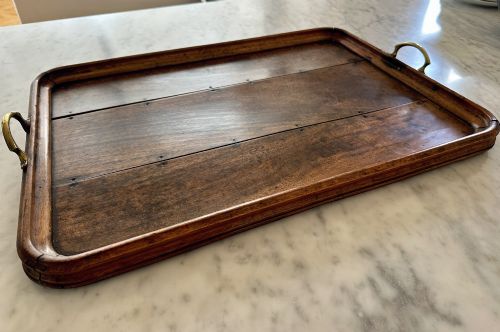
These edwardian timber tray pieces are practical serving pieces and decorative accessories crafted from mahogany, satinwood, and walnut.
Edwardian Timber Tray
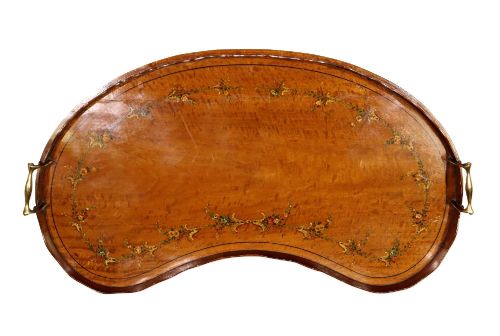
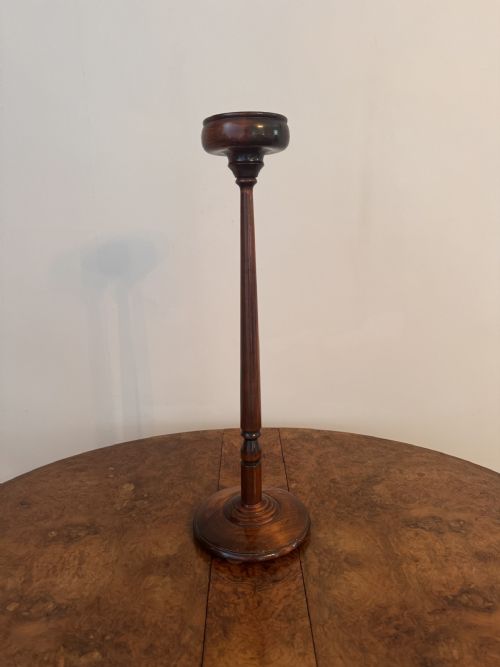
Makers of the era utilised rich woods such as mahogany and satinwood to create these serving items, often incorporating contrasting inlay work. Alongside formal tea trays, the related listings span occasional tables, wine coasters, and umbrella stands that share the same material palette.
The aesthetic bridges the late Victorian taste for heavy dark timber and the lighter, more ornamental preferences of the Edwardian drawing room. Buyers seeking an edwardian timber tray will encounter both Georgian Revival interpretations and classic Edwardian specimens designed for hospitality.
How they were made
Cabinet makers constructed these trays using solid hardwoods and delicate wood veneers laid over supportive base boards. Mahogany and satinwood form the primary visual surfaces, frequently augmented by maple or brass detailing.
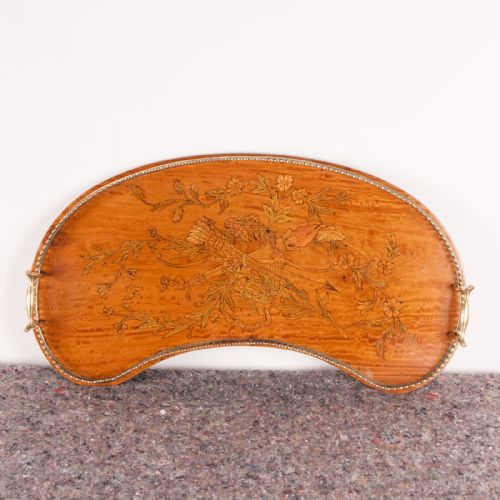
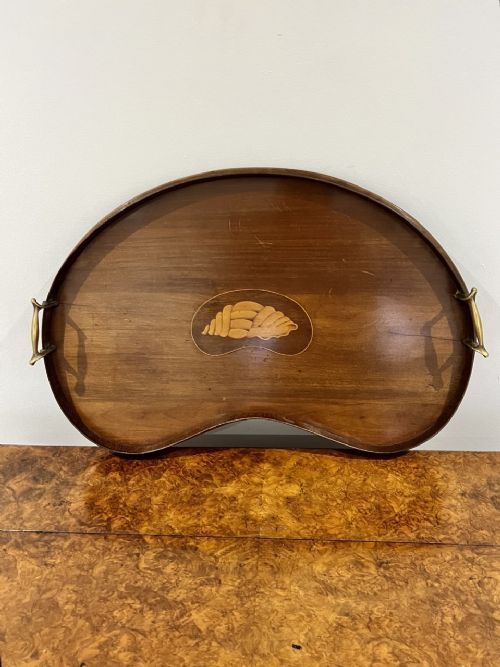
Surface ornamentation relied on precision inlays, where contrasting timbers were hand-cut and fitted into recessed channels within the main board. This technique required considerable joinery skill to ensure the decorative motifs remained flush with the surrounding wood over decades of use.
Edwardian Timber Tray Retail Price Guide 2026
Typical asking prices for edwardian timber tray among the pieces listed under this phrase on Sellingantiques today, from the lower quarter to the upper quarter. They describe what is for sale here now, not the wider market.
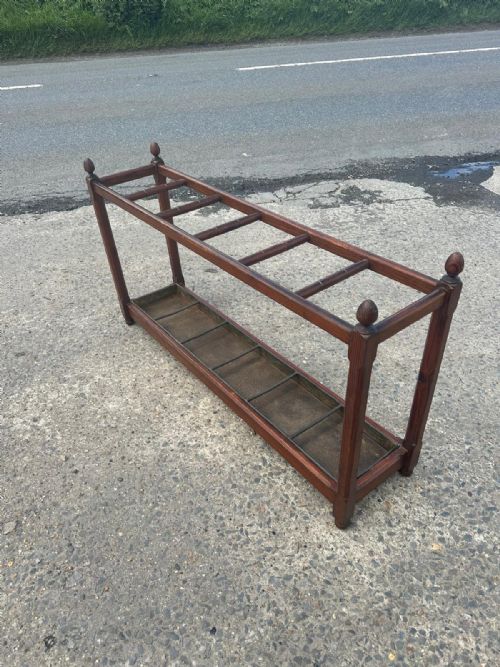
The object forms span kidney-shaped tea trays, umbrella stands, hall stands, and wine coasters from the nineteenth and twentieth centuries.
What varies in quality
The distinction between standard domestic wares and top-tier examples lies in the complexity of the timber selection and the fineness of the inlay work. Finer specimens feature figured mahogany or intricately shaped kidney contours that demand advanced woodworking proficiency.
The crispness of the joinery around the gallery edges and handles indicates the standard of workshop production. Superior trays maintain structural integrity without warping, displaying clean contrast in the inlaid wood elements rather than painted simulation.
The Edwardian Timber Tray Glossary
- Edwardian
- Pertaining to the reign of King Edward VII from 1901 to 1910, though the style extends slightly either side. It is characterised by lighter furniture designs and refined inlay work.
- Inlay
- A decorative technique where pieces of contrasting wood or other materials are inserted into depressions in a base object. This creates a flat, ornamental surface on trays and furniture.
- Kidney shaped
- A curved, asymmetrical form resembling a kidney bean, popular for tea trays and occasional tables during the Edwardian era. It allows the user to draw the piece closer.
- Georgian Revival
- A design style from the late nineteenth and early twentieth centuries that reinterprets eighteenth-century classical proportions and motifs. It appears frequently in domestic serving accessories.
- Satinwood
- A lustrous, yellow-toned timber imported from tropical regions, valued for its sheen and used extensively for bandings and decorative panels in Edwardian cabinet making.
Edwardian Timber Tray: Frequently Asked Questions
How were Edwardian timber trays used?
These trays served primarily for carrying tea services, glassware, or calling cards within the formal rooms of a household. Servants transported them between kitchens and drawing rooms, while owners also utilised them as decorative display surfaces on side tables.
In contemporary settings, they function effectively as coffee table display bases or for serving drinks to guests. Their raised edges make them practical for containing smaller decorative objects safely.
What woods were used in these trays?
Mahaogny and satinwood dominate the construction of Edwardian trays, providing both structural stability and rich visual grain. Cabinet makers also incorporated maple and walnut for contrast and banding.
Secondary woods often support the base panels beneath the primary decorative veneers. The choice of timber reflects the global trade networks and taste for exotic woods typical of the period.
How do I date an Edwardian tray?
Dating relies on the combination of timber selection, construction methods, and stylistic cues such as the presence of Edwardian marquetry. Pieces from this era generally exhibit lighter proportions than their Victorian predecessors.
Comparing the hardware, such as brass handles, and the specific style of inlay helps narrow the period of manufacture between 1900 and the 1920s. Hallmarks or stamps on associated metal mounts can occasionally provide further chronological clues.
Are these trays suitable for daily use?
While originally designed for functional domestic service, antique timber trays require careful handling due to their age and delicate veneer surfaces. Moisture and heat can damage the polished finish and lift the fine inlays if left unchecked.
Using coasters and avoiding direct contact with liquids preserves the wood and the integrity of the decorative elements. Many collectors prefer to use them as static display pieces rather than active serving trays.