

Antique Wooden Animal Carving
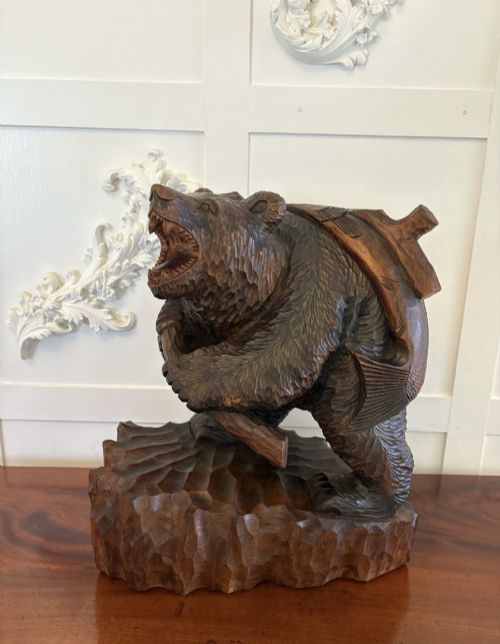
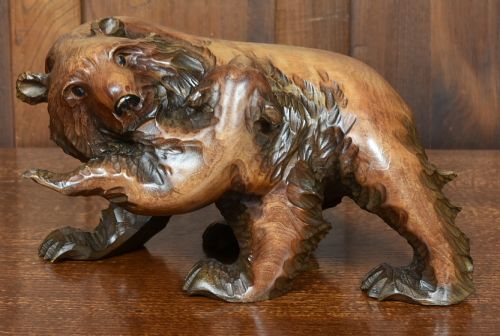
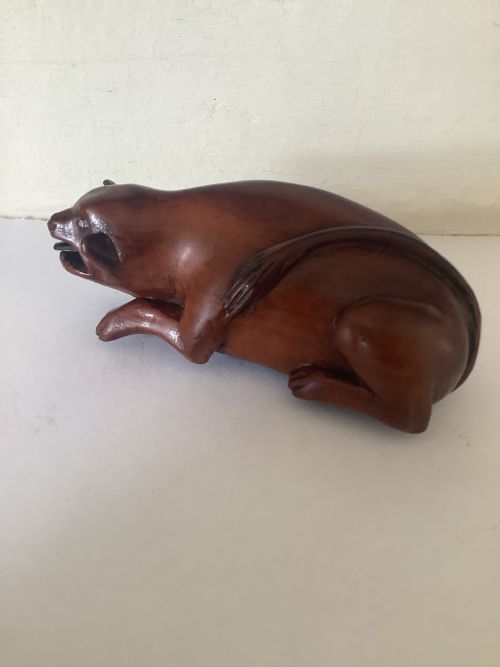
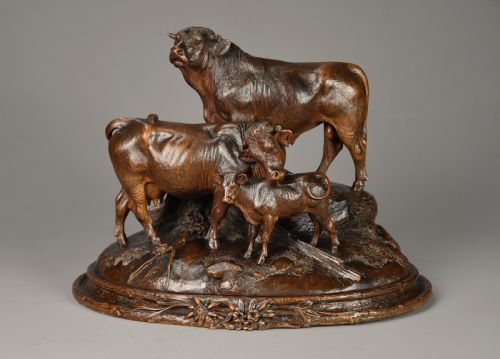
These pieces are antique wooden animal carvings, chosen for their lively character and skilful handwork.
Antique Wooden Animal Carving
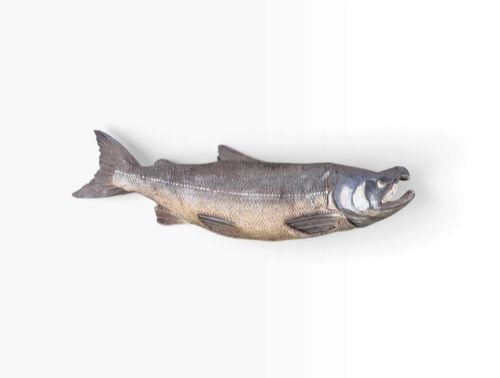
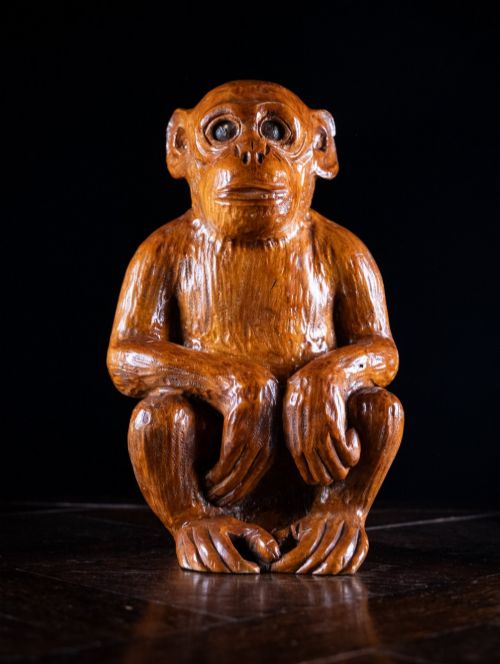
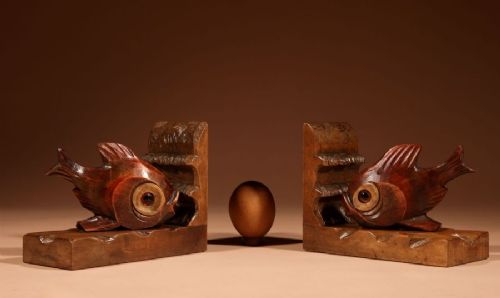
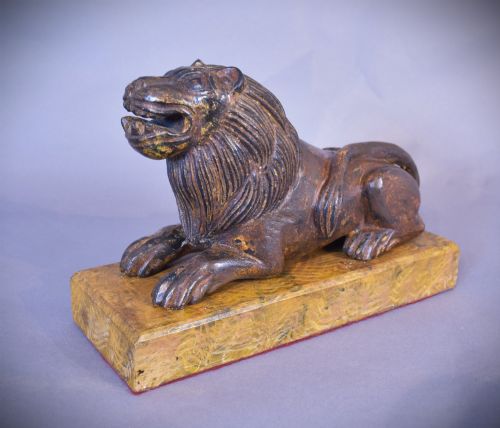
An antique wooden animal carving brings naturalistic study or naive charm directly into an interior, taking forms from bears and deer to elephants and horses. These sculptural objects appear as freestanding figures, bookends, inkwells, and wall carvings.
The pieces on this page span the eighteenth, nineteenth, and early twentieth centuries, originating from European workshops, British colonial periods, and East Asian traditions.
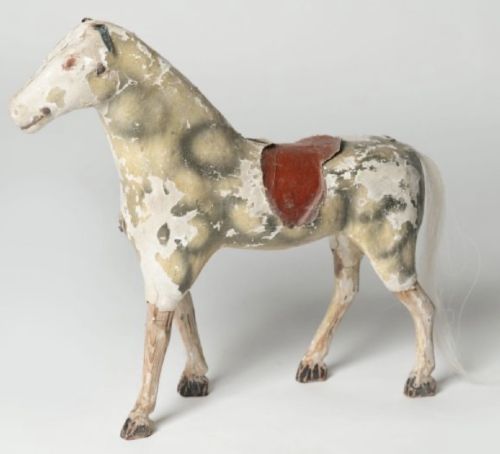
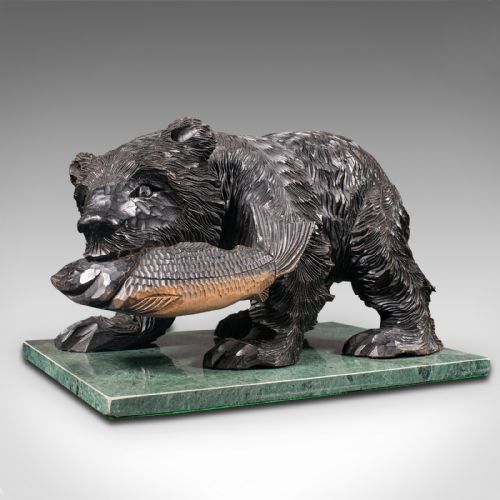
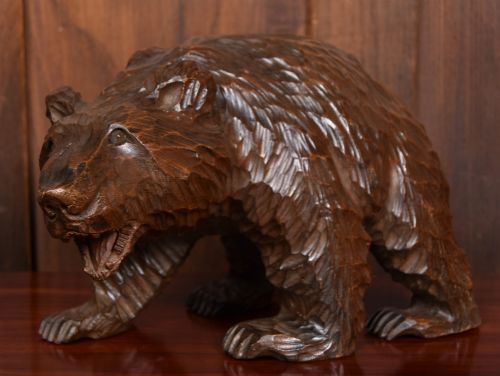
Buyers most frequently meet Black Forest linden wood bears, folk art horses, and Asian hardwood elephants among these listings.
How they were made
Carvers shaped these figures primarily from linden wood, walnut, teak, and other hardwoods, using hand chisels and gouges to define muscle, fur, and expression.
Surface finishes include natural wax polish, applied paint, and inset glass eyes to bring realism or decorative pattern to the carved form.
Antique Wooden Animal Carving Retail Price Guide 2026
Typical asking prices for wooden animal carving among the pieces listed under this phrase on Sellingantiques today, from the lower quarter to the upper quarter. They describe what is for sale here now, not the wider market.
What varies in quality
The success of an antique wooden animal carving rests on the vitality of the posture and the precision of the toolwork, separating lively observation from stiff repetition.
Superior examples display careful attention to anatomical detail and natural textures, whereas simpler pieces rely on naive charm and broader planes.
J HUGGLER
The Antique Wooden Animal Carving Glossary
- Black Forest
- A regional Swiss and German style known for realistic and amusing carved wooden animals, particularly bears. These works date predominantly from the nineteenth and early twentieth centuries.
- Folk Art
- Objects created by self-taught or traditional artisans outside academic traditions. They prioritize expressive character over strict academic proportion.
- Linden Wood
- A pale timber with a fine, even grain favored by carvers for holding intricate detail without splitting. It forms the foundation of many European animal sculptures.
- Netsuke
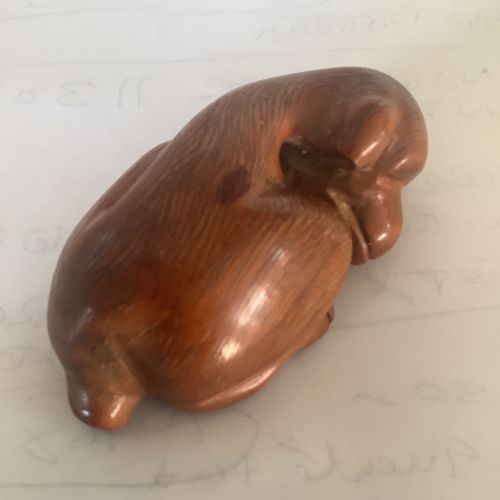
- A small Japanese carved toggle fastened to the end of a cord, often depicting animals. They require miniature precision and are frequently signed by the carver.
- Raj Period
- The era of British rule in the Indian subcontinent, producing hardwood carvings of elephants and other fauna. These items often utilise dense local timbers such as teak and ebony.
Antique Wooden Animal Carving: Frequently Asked Questions
What animals appear most often?
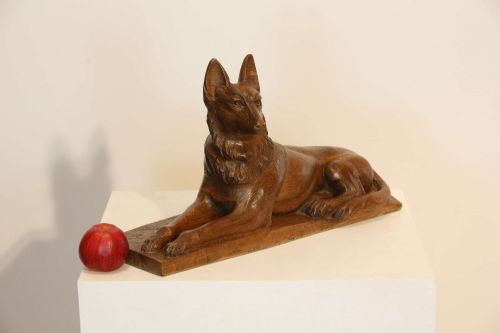
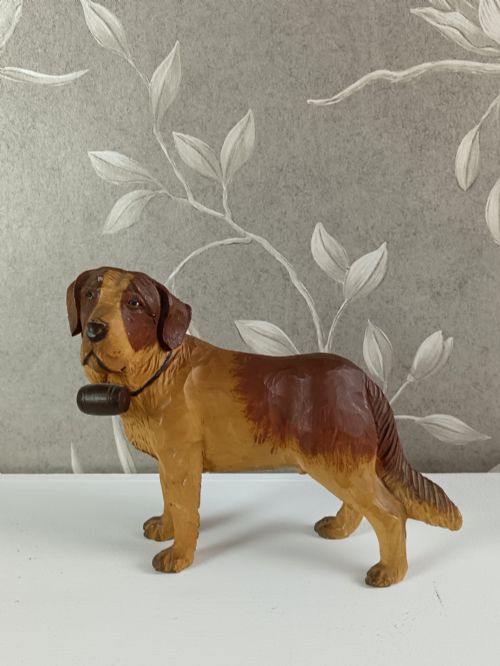
Bears, elephants, and horses dominate the selection, accompanied by deer, dogs, and birds.
These subjects reflect both European woodland traditions and colonial or folk traditions from further afield.
How were these carvings used?
Many served as decorative ornaments, desk accessories like inkwells, or functional bookends supporting volumes on a shelf.
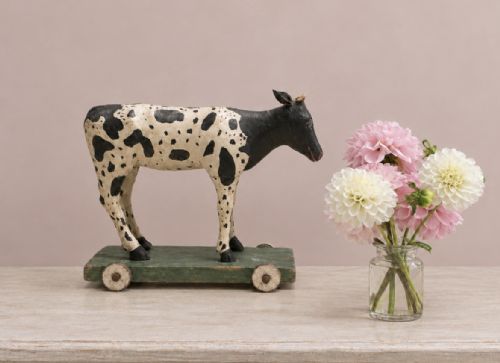
Others functioned as toys, carousel figures, or walking stick handles.
How do I date a carving?
Dating relies on timber choice, tool marks, style, and any stamps or signatures left by the workshop.
Nineteenth-century pieces often show deep tool engagement and distinct regional characteristics.
Where should I place them?
These sculptures suit tabletops, bookshelves, and mantelpieces where their form and grain remain visible.
Keep them away from direct heat sources to protect the historic wood and surface finish.