


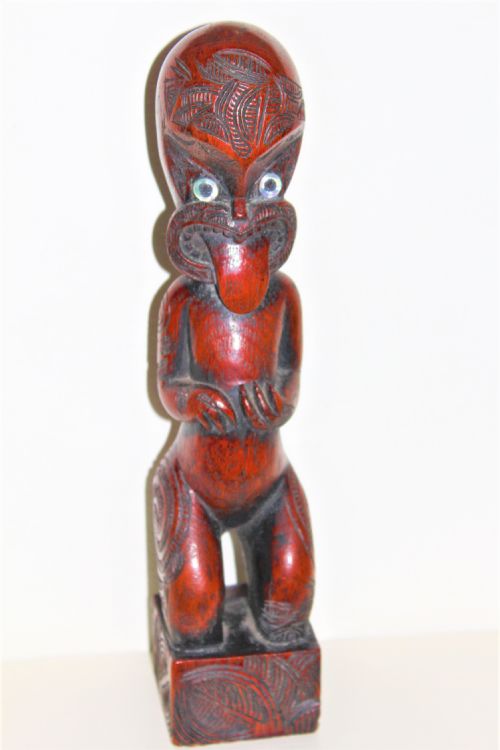

Pacific Island Wood Carving
These pacific island wood carving pieces are authentic nineteenth century tribal artefacts and weapons shaped from dense timber by island makers.
Pacific Island Wood Carving
When you search for pacific island wood carving, you encounter nineteenth century tribal art and functional weaponry created across the South Seas. The pieces gathered here span Oceanic tribal styles, from Polynesian paddle clubs to New Caledonian war clubs.
You are most likely to meet utilitarian and ritual objects including fighting clubs, canoe prow carvings, hanging bowls, and carved figures. These works represent the material culture of regions such as Fiji, Papua New Guinea, New Caledonia, and New Zealand.
The forms range from heavy hardwood striking implements to delicate animal sculptures like flying fish and bird head motifs. Each object reflects the distinct traditions and regional styles of Pacific Island folk art during the eighteen hundreds.
How they were made
Maker communities shaped these objects primarily from native hardwood and polished hardwood using hand tools. Artisans carved dense timber directly, often incorporating organic elements such as fibre, rattan, and bone into the construction.
Surfaces were frequently embellished with carved ribbed patterns, figurative details, and applied pigment to accentuate the design. The construction methods prioritised durability and symbolic resonance for ceremonial and combat utility.
A carved Pitcairn flying fish proves that nineteenth century island sculptors occasionally looked up from warfare to carve dinner.
What varies in quality
The standard of a pacific island wood carving depends upon the crispness of the original chisel work and the depth of the figurative detail. Pieces displaying vigorous proportions and confident sculptural execution command greater visual presence.
Surface patination resulting from handling and age contributes significantly to the character of the object. Examples that retain integrated components like fibre bindings or natural pigment show superior historical integrity.
The Pacific Island Wood Carving Glossary
- Ula
- A traditional Fijian throwing club featuring a spherical or lobed head carved from heavy hardwood. These weapons were tucked into belts and thrown at opponents in close combat.
- Canoe prow
- A decorative and protective wooden carving affixed to the front of a watercraft. These elements often depicted ancestral figures or protective creatures like crocodiles.
- Ribbed paddle club
- A striking weapon shaped with a flattened blade form and raised ridges along the surface. Originating in Polynesia, these objects doubled as functional paddles and status items.
- Polychrome pigment
- Coloured earth or plant substances applied to the carved surface to enhance decorative motifs. Such treatments highlight structural details on ceremonial items.
- Tribal artefact
- An object created by indigenous communities for utilitarian, ritual, or decorative purposes. In this context, they represent the traditional material culture of Oceania.
Pacific Island Wood Carving: Frequently Asked Questions
How were these tribal clubs used?
Many of the clubs served as frontline weapons in warfare, utilised for striking or throwing during conflicts. Others functioned as symbols of authority and status for island warriors.
Over time, their roles shifted as these objects entered European collections as examples of Oceanic craftsmanship.
How do I care for antique wood carvings?
Keep wooden artefacts away from direct sunlight and severe fluctuations in room humidity to prevent splitting. Dust the surfaces gently with a dry, soft cloth without applying modern polishes.
Preserving the natural patina maintains the historical integrity of the timber and any applied pigments.
How do I identify nineteenth century pieces?
Nineteenth century examples show tool marks consistent with traditional hand carving before the widespread adoption of modern steel machinery. The weight of the dense hardwood and the dry, oxidised surface patina indicate considerable age.
Stylistic conventions align with documented museum collections from regions such as the Sepik River and Fiji.