
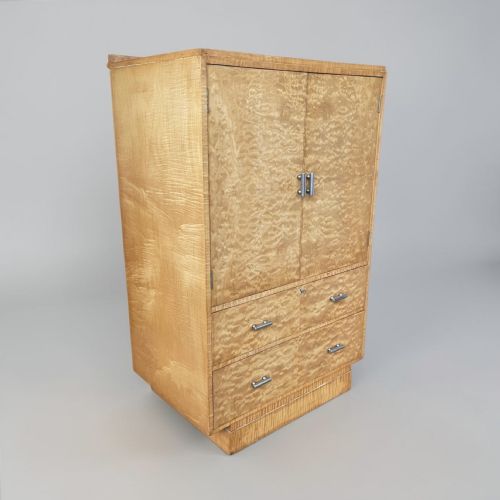
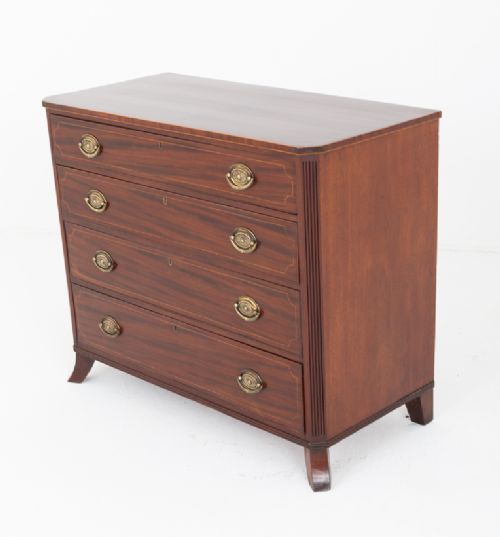
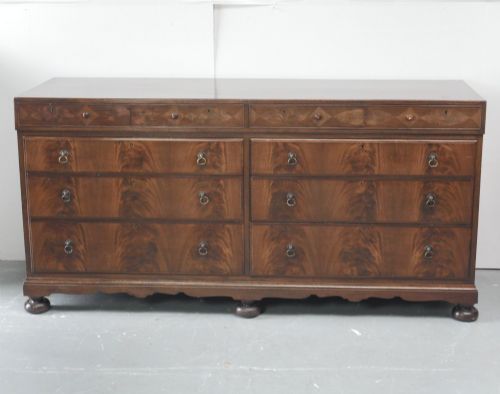
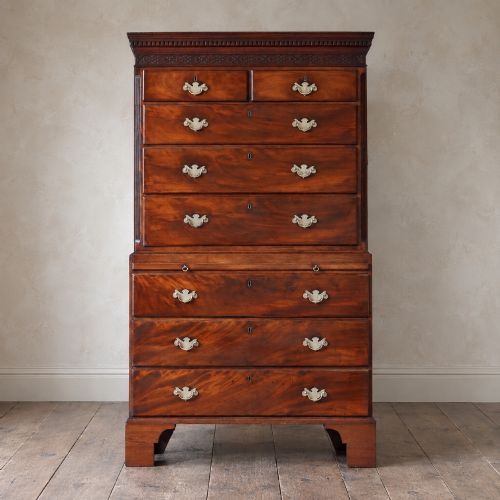
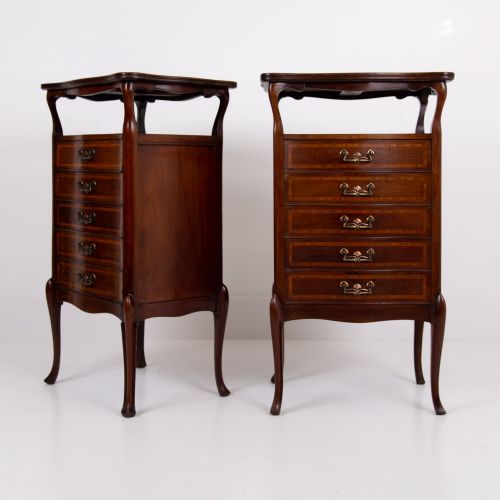
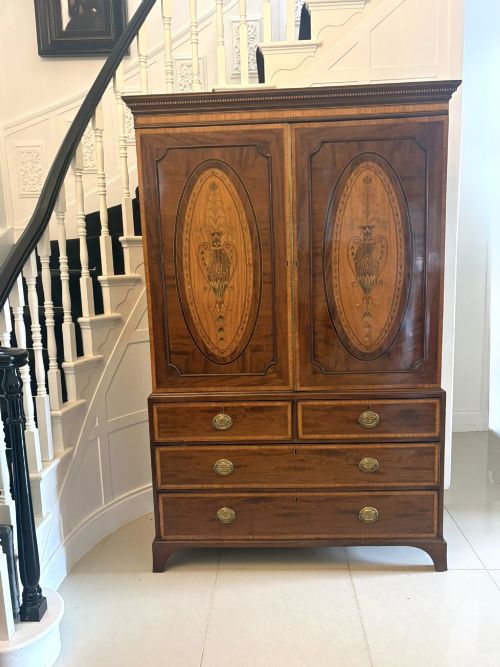
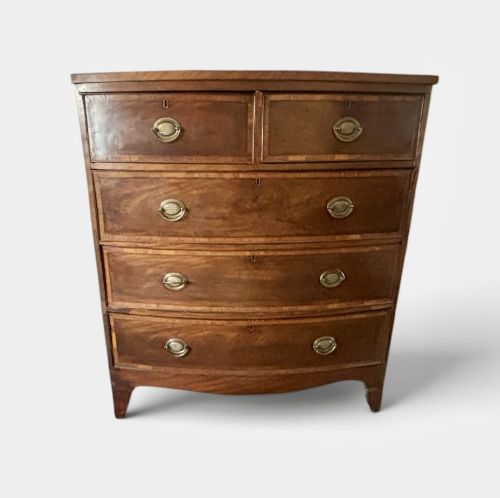

Antique Wood Tallboy Chest
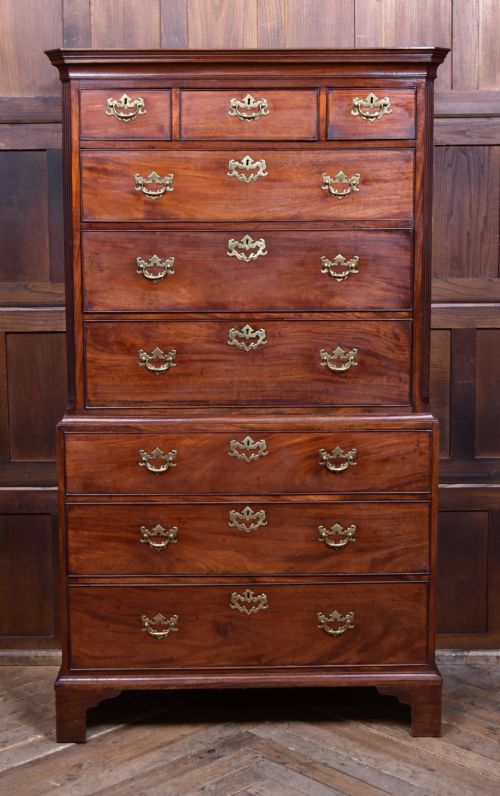
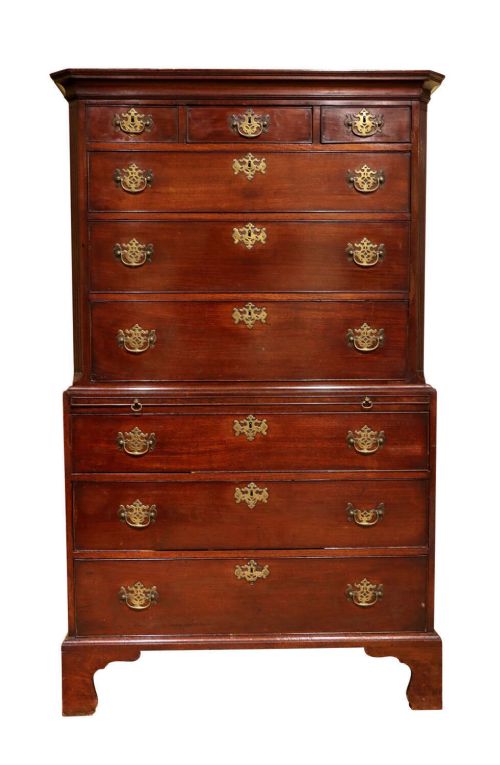
An antique wood tallboy chest is a towering, multi-drawer storage piece built to hold linen and garments in period interiors.
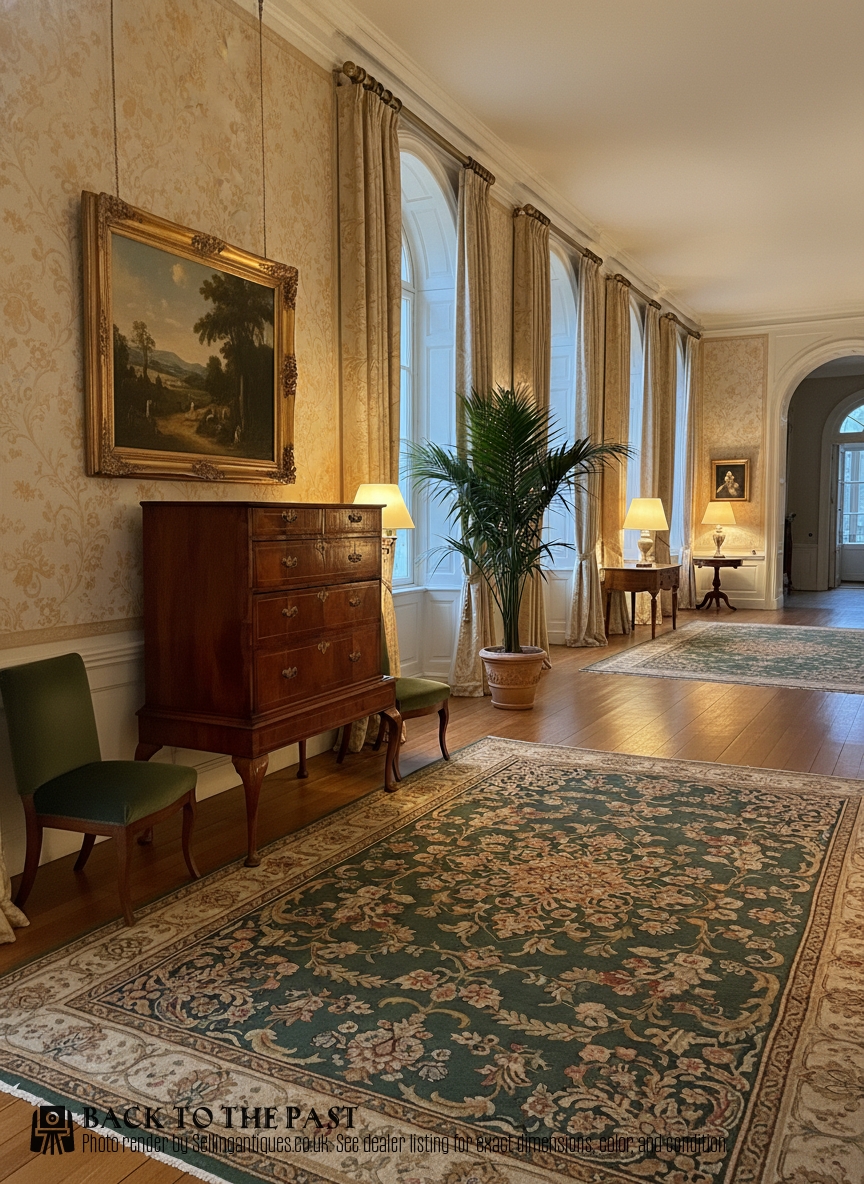
Antique Wood Tallboy Chest
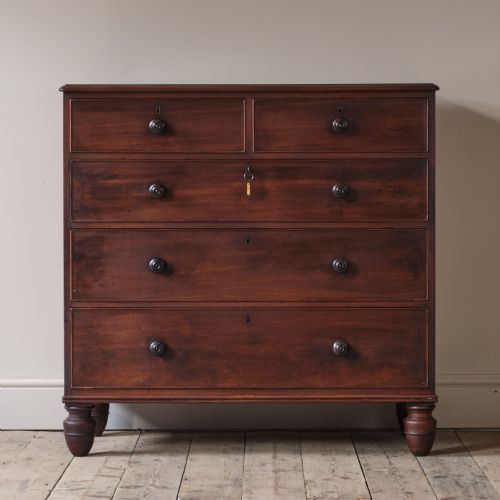
An antique wood tallboy chest provides vertical storage through stacked drawers, combining a chest on chest or tall cabinet form to maximise capacity without taking up excessive floor space. These pieces emerge from periods spanning the eighteenth through the early twentieth centuries, reflecting changing domestic requirements for bedroom furniture.
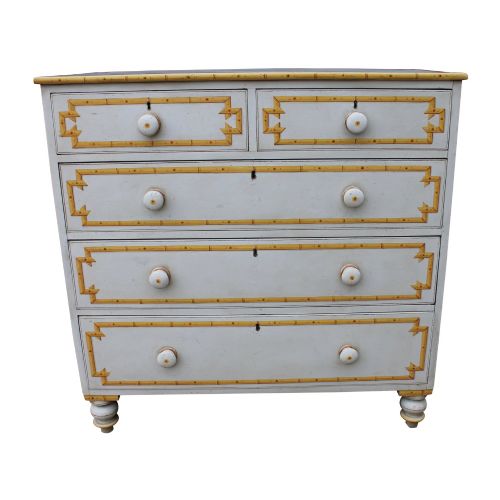
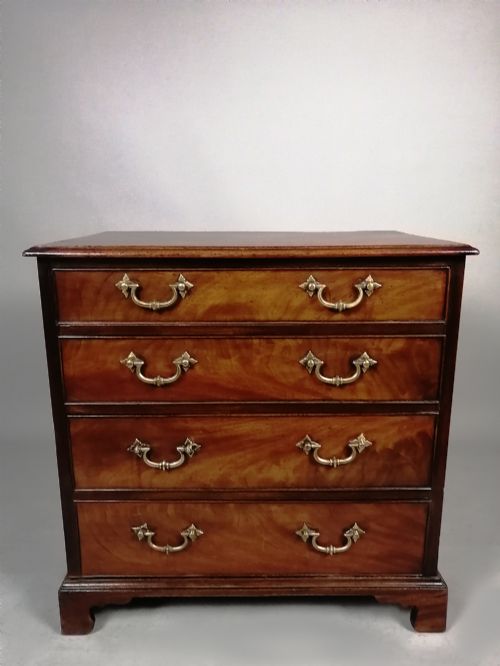
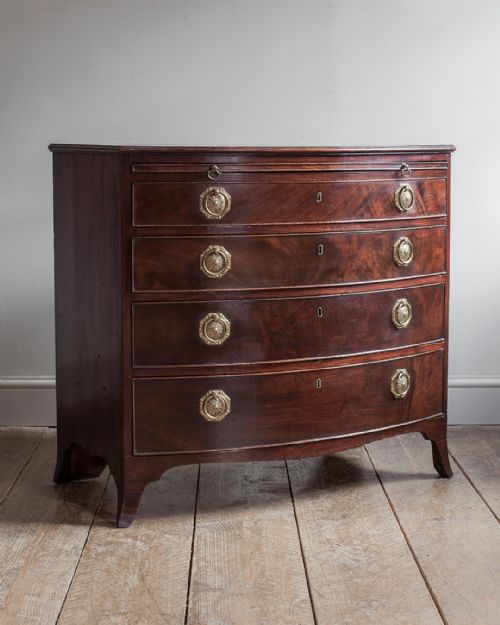
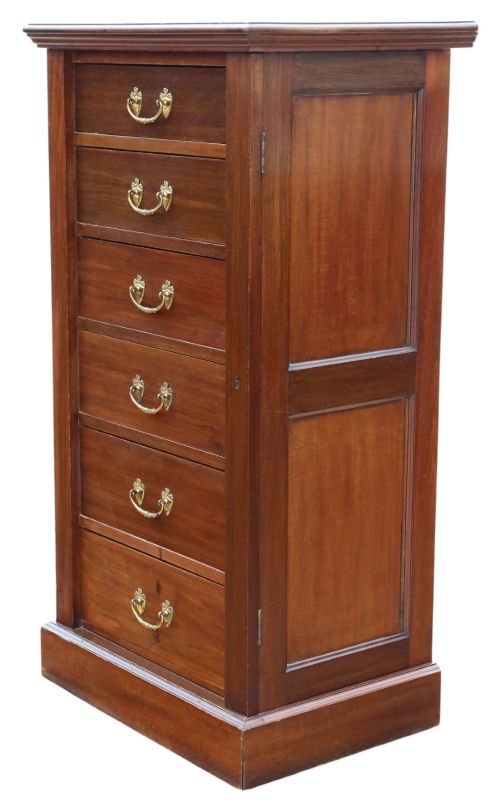
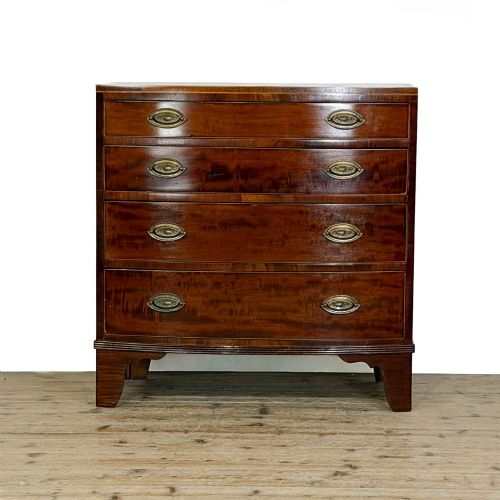
The selections available range from Georgian mahogany chests on chest with brushing slides to Edwardian narrow compartments and Victorian Wellington chests. Buyers most frequently encounter mahogany and oak constructions, often featuring distinctive bow fronts, satinwood banding, or linen press upper sections.
Makers and workshops of the past utilised native and imported timbers, ranging from figured flame mahogany and walnut to pine and ash. Each format addresses specific storage needs, whether through small four-height proportions or substantial housekeepers wardrobes.
How they were made
Cabinet makers constructed these tall chests using solid timbers and decorative veneers applied to secondary woods. Flame mahogany and figured walnut appear frequently as face veneers, chosen for their striking grain patterns.
Joinery techniques relied on traditional hand-cut dovetails for drawer construction and carcase assembly. Brass hardware, including drop handles and escutcheons, was fitted by hand to secure operational longevity.
Inlaid stringing in satinwood and contrasting light timbers defines specific stylistic periods, particularly within late Georgian and Edwardian examples. Surface finishes were typically built up using shellac-based polishes applied by hand.
Victorian tallboy variations occasionally incorporate hidden candle sconce mounts for illumination during evening dressing.
What varies in quality
The caliber of an antique wood tallboy chest rests primarily in the selection of timber veneers and the crispness of the cabinetmaker's joinery. Superior examples display symmetrical flame mahogany or figured walnut grain that flows continuously across multiple drawer fronts.
Structural integrity is evident in the weight and thickness of the drawer linings, the use of hand-cut dovetailing, and the retention of original brass handles and lock mechanisms. Secondary timbers like oak or pine inside the carcase should match the expected period standards.
Proportion and decorative restraint dictate the distinction between standard utilitarian storage and finer pieces. Subtle details such as satinwood stringing, brushing slides, and well-executed cock-beading elevate the standing of a chest within its period.
Whytock & Reid·T & G Seddon
The Antique Wood Tallboy Chest Glossary
- Tallboy
- A tall chest of drawers, typically formed of one chest stacked upon another or built as a single tall cabinet. This form provides substantial vertical storage capacity.
- Chest on Chest
- A two-part storage unit where a slightly narrower upper chest sits directly upon a wider lower chest. This configuration creates a stepped silhouette characteristic of the eighteenth century.
- Brushing Slide
- A pull-out shelf integrated into the carcase between drawers, historically used for folding linen or resting items temporarily. It operates on wooden runners within the frame.
- Wellington Chest
- A tall, narrow chest of drawers secured by a hinged vertical locking bar on one side. This bar fastens with a key to lock all drawers simultaneously.
- Satinwood Banding
- A decorative inlay technique using narrow strips of pale golden satinwood set into darker primary timber borders. This detail frames drawer fronts and top surfaces.
- Cock-Beading
- A slender, semi-circular moulding projecting around the edges of drawer fronts. It protects the drawer edges from impact and conceals the boundary joints.
Antique Wood Tallboy Chest: Frequently Asked Questions
What is a tallboy chest?
A tallboy is a vertical storage unit that stacks multiple drawers within a single high carcase or a two-part chest on chest format. This design maximises storage capacity while maintaining a compact footprint on the floor.
Cabinet makers developed these pieces primarily for bedrooms and dressing rooms to hold folded garments, linens, and personal items.
How do I date an antique chest?
Dating relies on examining the construction methods, timber choices, hardware, and overall stylistic characteristics. Hand-cut dovetails, secondary wood types, and specific veneer patterns offer reliable clues to the period.
Later Victorian and Edwardian iterations often incorporate machine-sawn elements and different handle attachment methods compared to eighteenth-century Georgian pieces.
What is a brushing slide?
A brushing slide is a pull-out wooden board integrated into the upper section of a chest, positioned just beneath the top surface. Historically, owners used it to fold clothes or place items temporarily while dressing.
When pushed fully in, the slide sits flush with the carcase frame and remains largely hidden until needed.
Where should I place a tallboy?
Because of their considerable height, tall chests require secure placement against a stable wall, often utilising appropriate wall brackets for safety. Bedrooms and dressing rooms remain the traditional locations for daily clothing storage.
Ensure the placement avoids direct heat sources and strong sunlight to protect the aged wood and veneer finishes.