
Antique Wood Kitchen Chairs
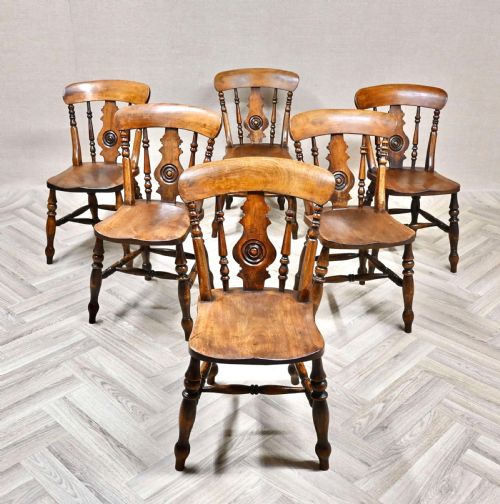
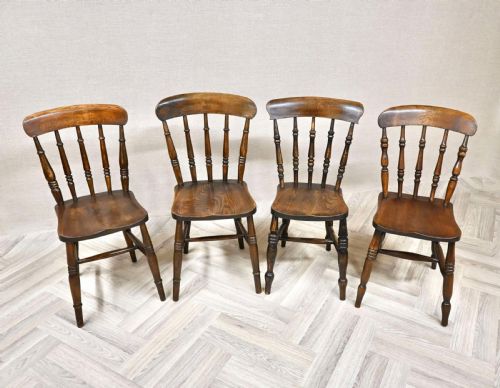
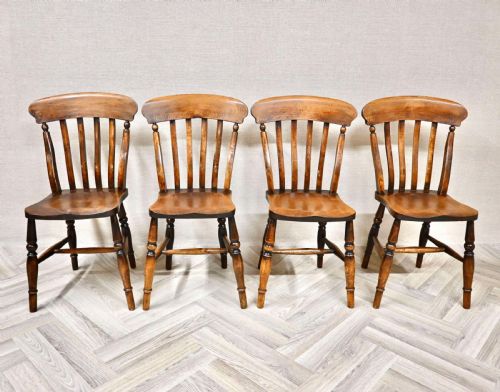
These antique wood kitchen chairs bring practical domestic utility from the eighteenth, nineteenth, and early twentieth centuries into modern living spaces.
Antique Wood Kitchen Chairs
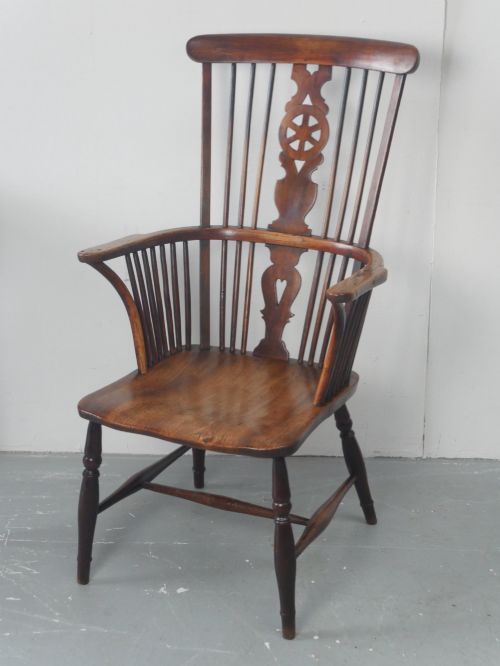
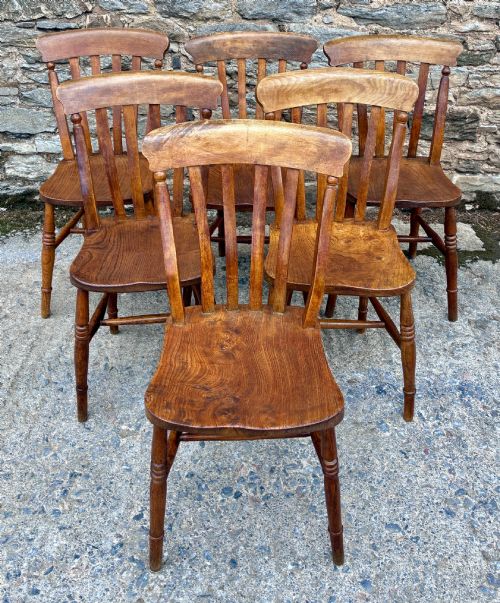
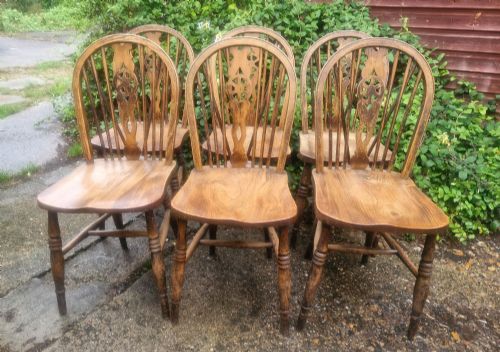
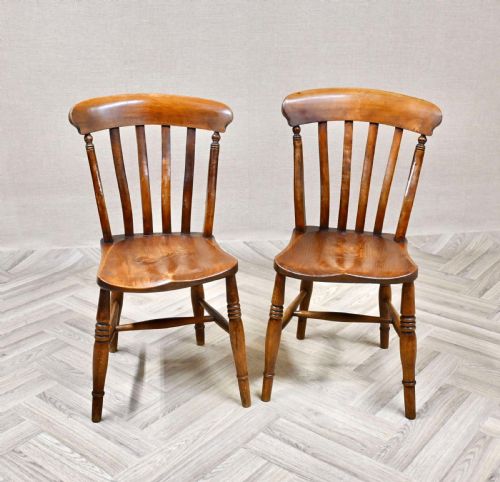
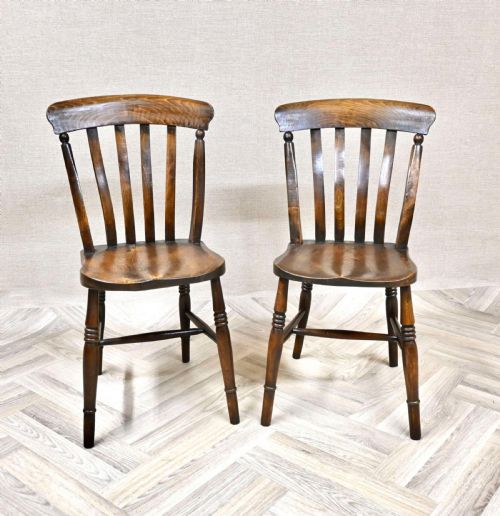
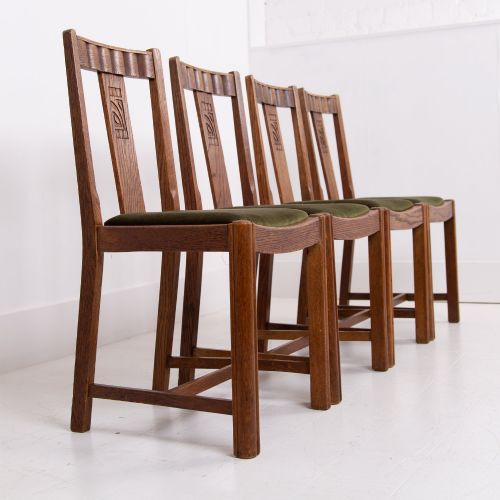
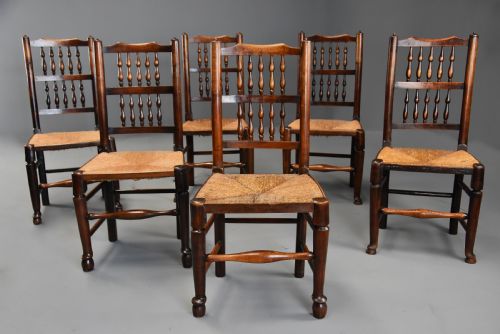
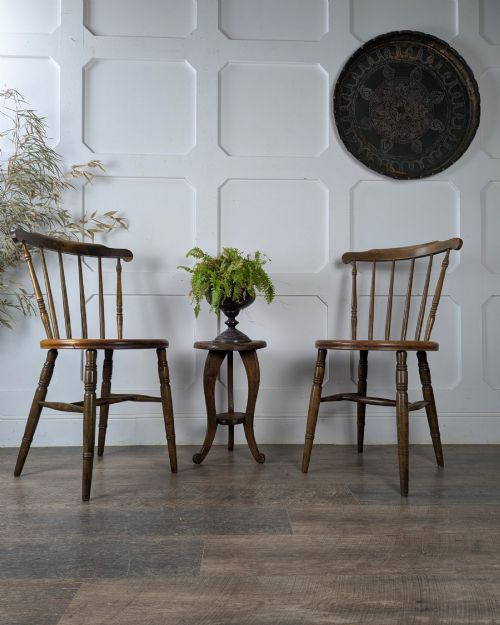
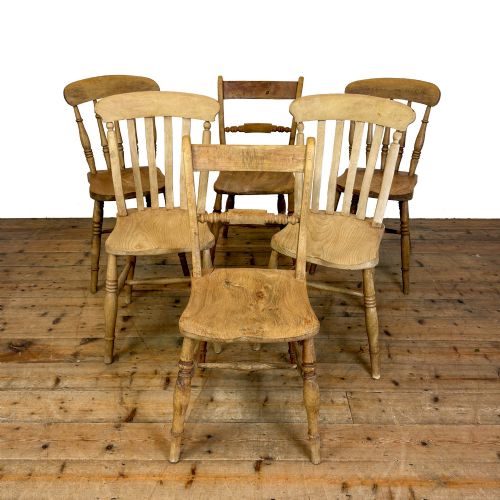
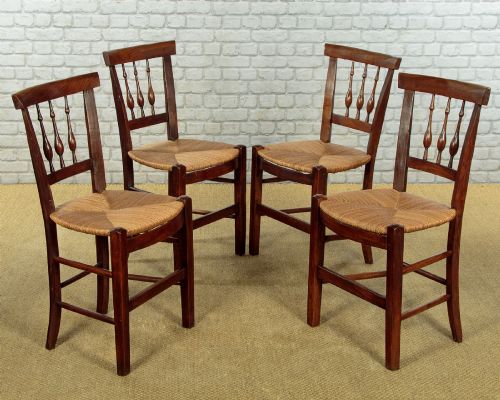
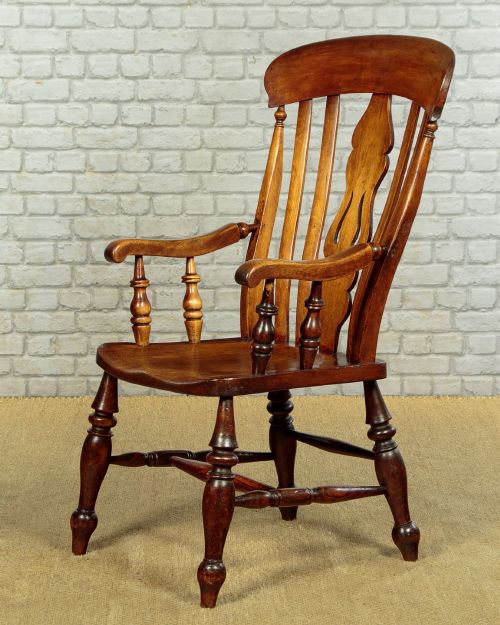
Antique wood kitchen chairs encompass everyday domestic seating designed for utilitarian use in farmhouses, country cottages, and town kitchens, spanning periods from the late eighteenth century through the Edwardian era. You will most frequently encounter Windsor variants, ladderbacks, and lathe backs constructed from native British timbers.
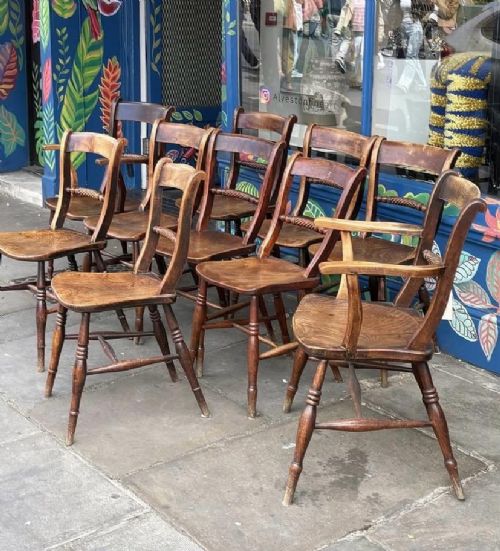
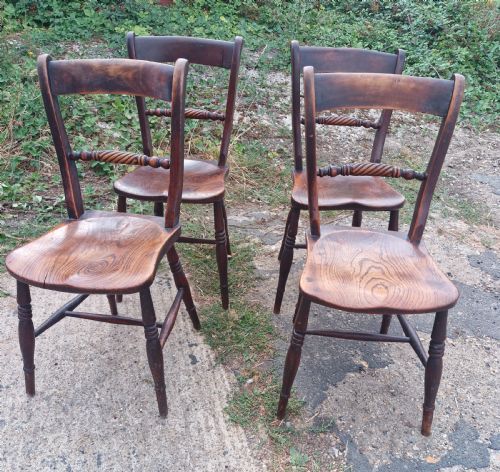
The selection ranges from single side chairs to matched sets of six, ten, or twelve dining chairs, alongside occasional armchairs, highbacks, and settles. These pieces reflect regional vernacular traditions across English, Dutch, French, and American workshops.
Makers utilised sturdy local woods to withstand daily household wear, resulting in robust seating forms such as hoop backs, stick backs, and lath backs. These designs served families at the kitchen table and by the fireside.
Materials and Construction
Makers combined contrasting timbers within a single chair, frequently pairing elm for comfortable, resilient saddle seats with ash, beech, or oak for bent frames, spindles, and legs. Yew and pearwood appear in select regional examples, while rush provides traditional woven seating surfaces.
Construction techniques relied on traditional joinery, including turned components, steam-bent hoops, and pegged mortise and tenon joints. Windsor chairs utilised a distinct construction where legs and backs are wedged directly into a solid wooden seat block.
Listings feature eighteenth and nineteenth-century vernacular seating constructed primarily from elm, ash, beech, and oak.
Assessment of Quality
Quality rests upon the integrity of the timber, the balance of the proportions, and the survival of the original surface patination accumulated through decades of domestic use. Pieces retaining their initial wedged joints and matching turned stretchers command greater interest.
Subtleties in the initial turning of the spindles, the depth of the saddle-shaped seat, and the harmonious matching of timber grain across a set separate standard utilitarian output from superior vernacular craftsmanship.
Dinco·Thonet·Fischel
The Antique Wood Kitchen Chairs Glossary
- Windsor chair
- A chair built with a solid wooden seat into which the back and legs are dowelled independently. This form evolved through various regional English styles, including hoop back and wheel back designs.
- Lath back
- A chair featuring flat wooden slats or laths running vertically up the centre of the backrest. These slats are typically tenoned into the top bow and the seat.
- Penny seat
- A saddle-shaped wooden seat named for a circular depression or detail resembling a coin. This shaping enhanced sitting comfort in everyday kitchen environments.
- Crinoline stretcher
- A curved under-stretcher linking the legs of a Windsor chair in a continuous loop. It provides structural bracing and often doubles as a footrest.
Antique Wood Kitchen Chairs: Frequently Asked Questions
How do I identify a Windsor chair?
A Windsor chair is characterised by a solid wooden seat base that directly receives the legs and back components. They often feature steam-bent top rails and turned spindles.
Look for saddle-shaped seats and structural under-stretchers that provide rigidity to the frame.
What woods were used for kitchen chairs?
Elm was the primary choice for solid wooden seats due to its resistance to splitting. Ash and beech provided flexible strength for turned spindles and steam-bent hoops.
Oak, pine, and yew also appear frequently depending on regional timber availability.
Can I mix these chairs around a table?
Harlequin sets and matched groups of vernacular seating offer a traditional approach to dining room arrangement. Combining different regional styles from the same era creates a cohesive historical interior.
Ensure seat heights align comfortably with your dining table surface before purchasing mixed examples.
How should I care for antique wood seating?
Maintain stable indoor humidity levels to prevent the timbers from drying out and timber shrinkage from loosening joints. Avoid placing chairs near direct heat sources or strong sunlight.
Apply a microcrystalline wax periodically to nourish the surface patination without building up heavy residues.