

Antique Wood Hall Bench
An antique wood hall bench gives an entryway purpose, offering a sturdy seat and often storage for everyday items.

Antique Wood Hall Bench
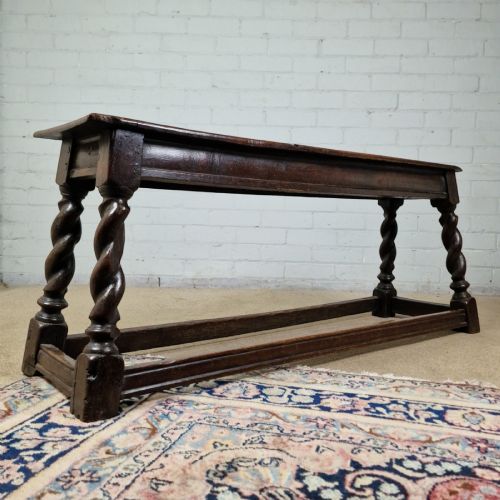
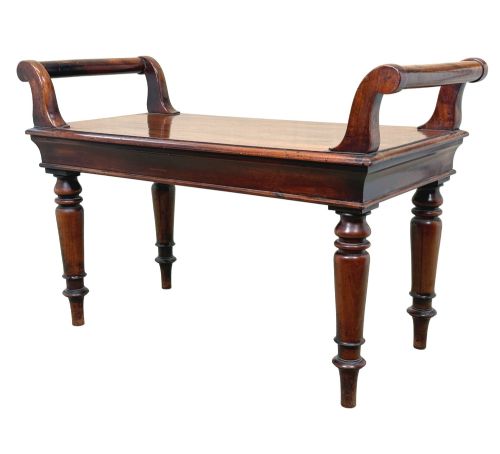
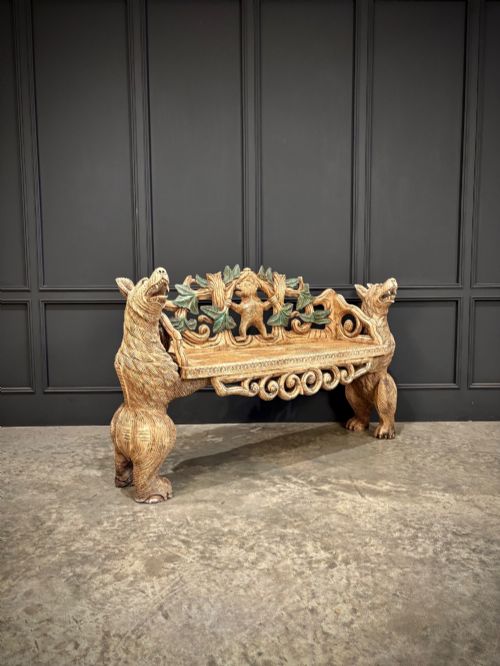
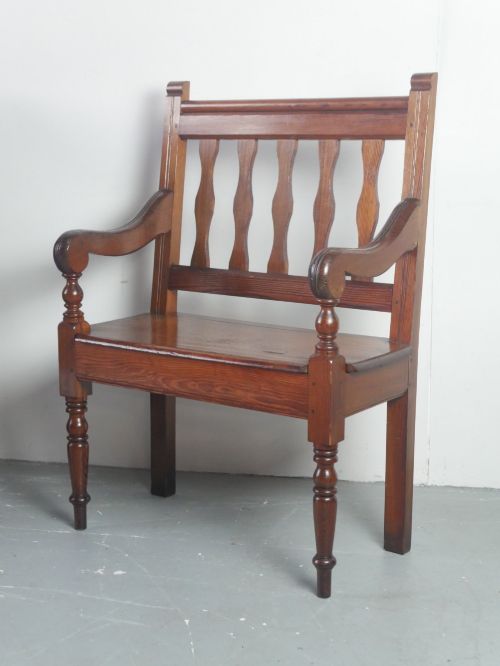
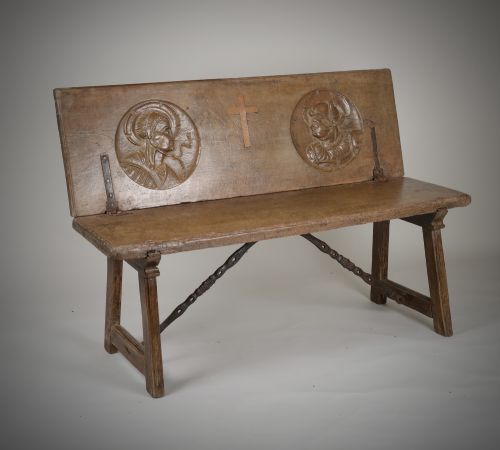
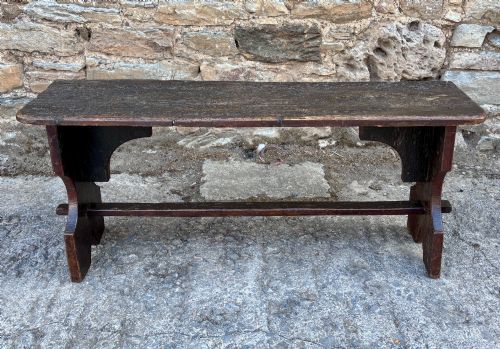
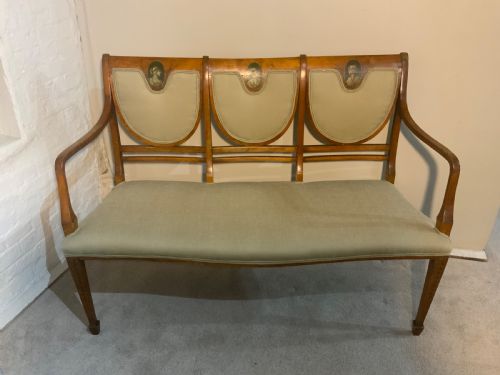
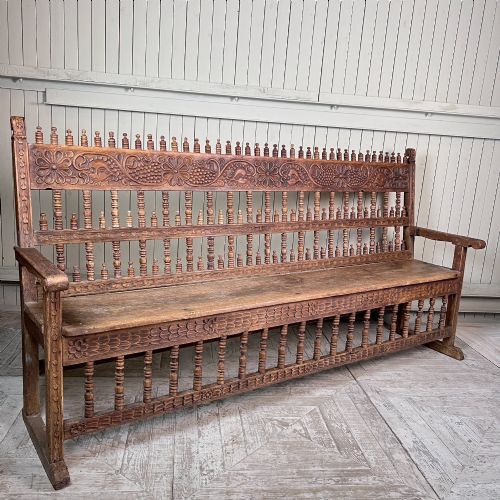
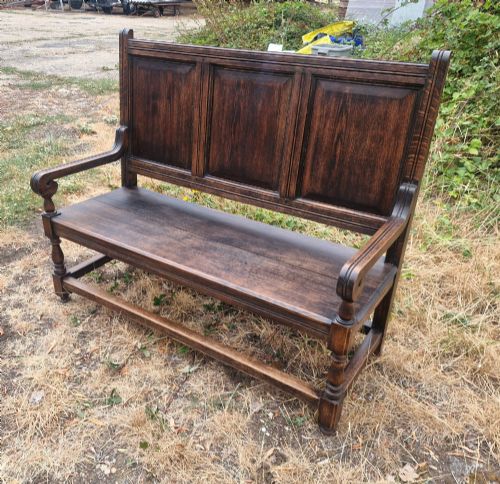
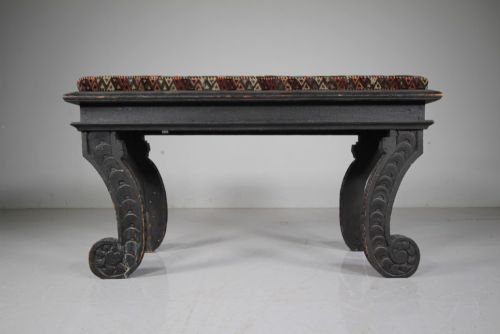
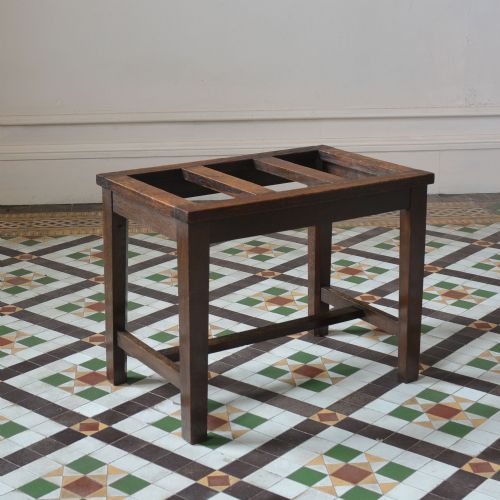
An antique wood hall bench is primarily found in variations ranging from straightforward oak settles to refined mahogany window seats and box benches. These pieces originate from periods spanning the eighteenth, nineteenth, and early twentieth centuries, reflecting diverse regional styles.
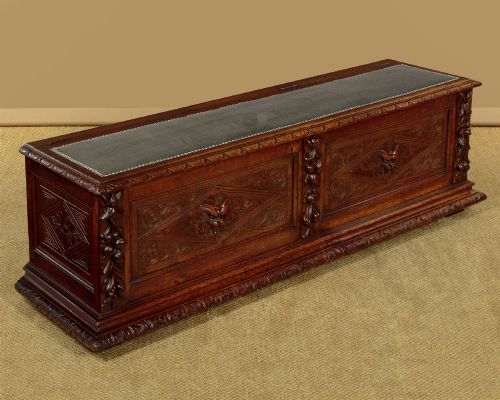
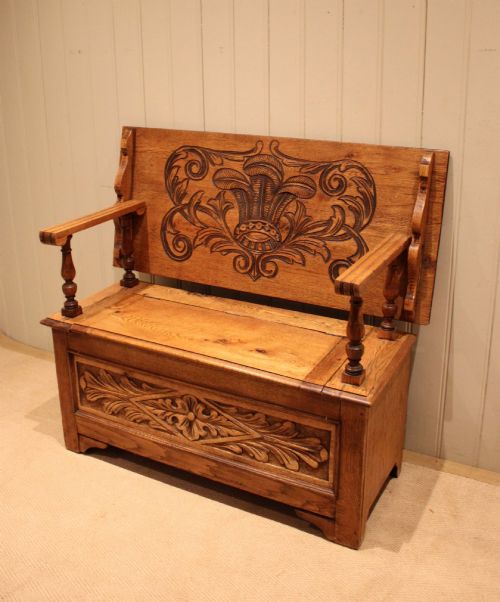
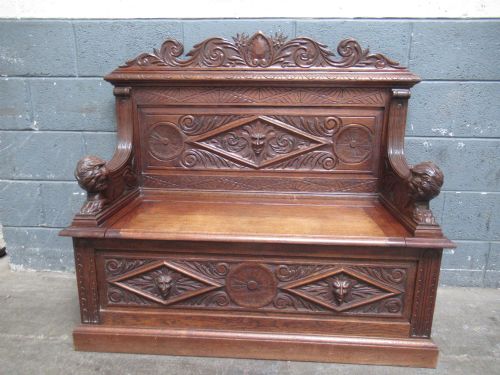
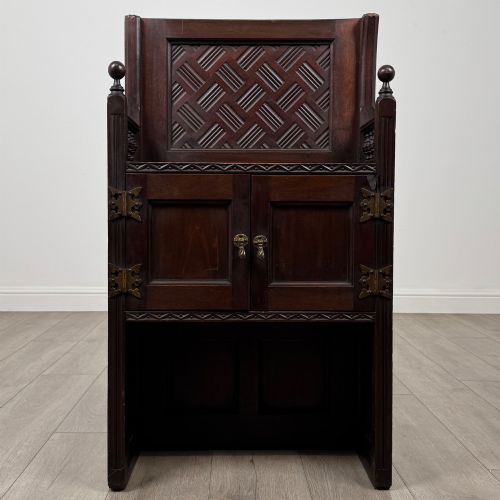
The version most commonly met on this page is the carved oak hall bench or settle from the nineteenth century, often featuring a panelled back and a lift-up seat. Such seating was built for the entrance hall, providing a place to pause while managing outdoor garments and footwear.
Standards of Execution
The distinction between ordinary and superior pieces lies in the crispness of the timber carving and the integrity of the joinery. Heavier timber stock and thoughtful proportioning elevate the presence of a piece in a room.
Originality of components, particularly hinges, panels, and seat boxes, dictates the overall standing of the furniture among collectors.
Revival aesthetics, particularly Jacobean and Renaissance styles, account for a large portion of the heavy carved oak benches.
James Shoolbred & Co·Thonet
The Antique Wood Hall Bench Glossary
- Settle
- A wooden bench with a high back, solid arms, and often a storage box beneath the seat. It was designed to block draughts in older hallways and domestic rooms.
- Window seat
- A long, narrow bench constructed specifically to sit within the recess of a window. These often feature elegant mahogany or satinwood frames.
- Monks bench
- A convertible piece of furniture with a pivoting back that folds down to form a table top over a box seat. They appear frequently in revival oak styles.
- Box settle
- A form of seating incorporating a hinged lid on the bench base, revealing a compartment for storing boots and household items. The interior remains plain and utilitarian.
- Ebonisation
- The process of staining timber, typically fruitwood or beech, to imitate ebony. This dark finish gained popularity during the Victorian era.
Antique Wood Hall Bench: Frequently Asked Questions
Where did people put hall benches?
These benches stood in the entrance vestibule or hallway of a house, providing a convenient place for family and visitors to sit while removing boots.
They also served to furnish wide corridors and landings, filling empty architectural spaces with practical seating.
How do I use one today?
An antique hall bench fits naturally in a modern hallway or mudroom, offering a stable seat and discreet storage for shoes and scarves inside the box base.
Shorter window seats work well at the foot of a bed or beneath a living room window, while narrow settles suit compact entryways.
Are box seats original?
Many nineteenth-century and earlier oak benches retain their original lift-up seat boards and working hinges, which show appropriate wear from use.
Replacement hinges or repaired timber around the pivot points are common and indicate active domestic service over many decades.
How do I date an oak bench?
Dating relies on assessing the construction methods, tool marks on the timber, and the style of the carving. Eighteenth-century examples typically display hand-pegged joints and simpler panel arrangements.
Revival pieces from the Victorian and Edwardian eras often feature heavier machine-assisted cutting combined with historical decorative motifs like Jacobean scrollwork.